
 Check Price Now
Table of Contents
Steel structure construction is widely used in modern steel structures due to its strength, durability, and cost efficiency. A steel structure is a building made using steel components that provide stability and long-term performance. In India, steel structures are increasingly used across warehouses, factories, and infrastructure projects because they enable faster construction and better scalability. Their recyclable nature and design flexibility make them a practical choice for both industrial and commercial applications.
What is a steel structure?
A steel structure is a type of construction where structural steel components are used to form a stable framework that supports loads and provides rigidity.
The steel structure meaning refers to buildings or frameworks made by assembling steel sections such as beams, columns, and plates. These components are designed and fabricated based on specific project requirements.
How a steel structure works:
- Steel components are manufactured in predefined shapes and sizes.
- They are transported to the construction site.
- Assembly is done using bolting, welding, or riveting.
- Loads are distributed through the structural frame.
Load distribution in steel structures:
- Beams handle horizontal loads.
- Columns transfer vertical loads to the foundation.
- Connections ensure stability and strength.
A common real-world example is a warehouse or factory building. These use steel frames to create large open spaces without multiple internal columns, making them ideal for industrial use.
Steel structures are preferred because structural steel components can be pre-engineered and quickly assembled. This improves efficiency and reduces construction time. Businesses often source steel products from reliable suppliers to ensure consistent quality and performance.
Elements of steel structures
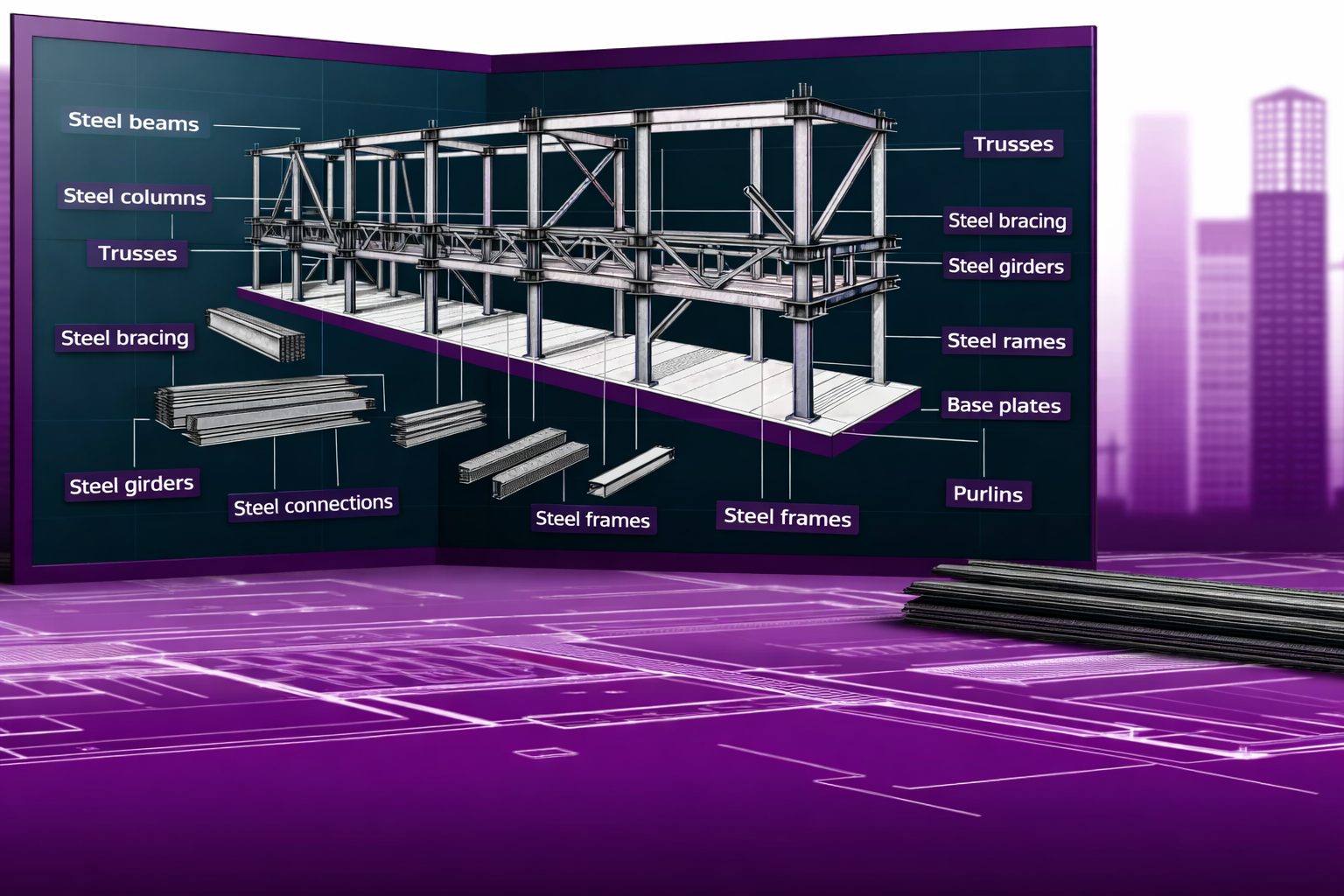
Key components of steel structure design include several interconnected elements that work together to ensure strength, stability, and load distribution. Understanding these components of steel structure systems helps in better planning and execution.
Steel beams
Steel beams are horizontal structural steel components used to support loads across spans. They are commonly used in industrial steel structure frameworks such as factories and warehouses to carry floor and roof loads efficiently.
Steel columns
Steel columns are vertical members that transfer loads from the structure to the foundation. They are critical in load-bearing steel structure design, especially in multi-storey buildings and large industrial projects.
Trusses
Trusses are triangular frameworks designed to distribute loads evenly. They are widely used in roof systems of warehouses, bridges, and large-span industrial steel structures where minimal internal support is required.
Steel bracing
Steel bracing consists of diagonal members that provide lateral stability. These are essential in steel structure design to resist forces like wind and seismic activity, commonly used in high-rise and industrial buildings.
Steel girders
Steel girders are primary horizontal supports that carry heavy loads. They are used in bridges and large infrastructure projects where strong load-bearing capacity is required over long spans.
Steel connections
Steel connections such as bolts, welds, and rivets hold structural steel components together. These are crucial for maintaining the integrity and performance of any steel structure system.
Steel frames
Steel frames form the skeleton of a building. They are widely used in modern steel structures like commercial complexes, warehouses, and industrial units for fast and efficient construction.
Base plates
Base plates connect steel columns to the foundation. They ensure proper load transfer and stability, making them essential components of steel structure design in all types of buildings.
Purlins
Purlins are horizontal members used in roof systems to support roofing sheets. They are commonly used in industrial steel structures such as sheds and warehouses.
Also read: I-beam weight chart – Know how to calculate i beam weight
Advantages and disadvantages of steel structures in construction
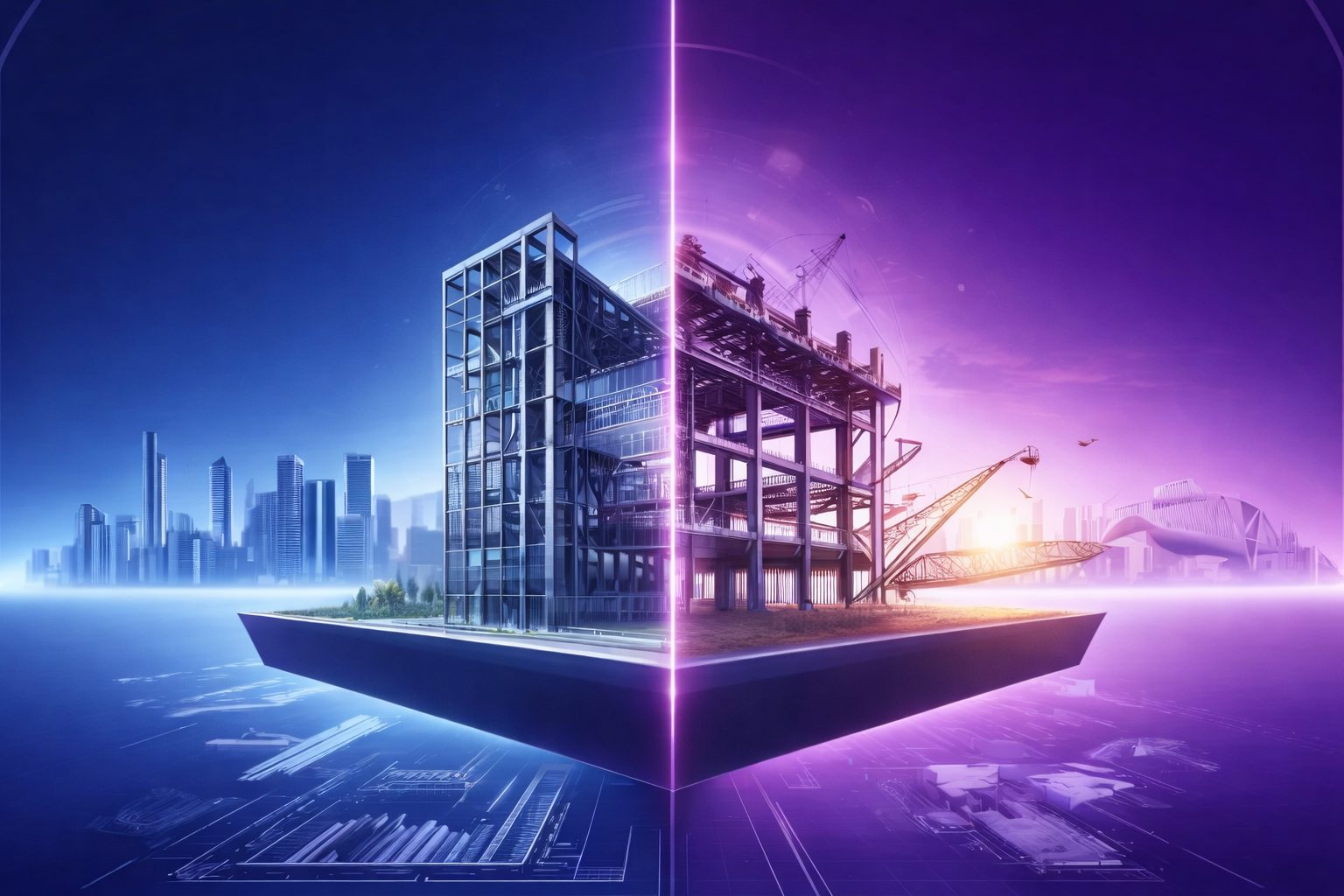
Steel structures offer a range of benefits, but they also come with certain limitations. Compared to concrete structures, steel structures are faster to build and more flexible, but they require proper maintenance and planning.
| Advantages of steel structures | Disadvantages of steel structures |
| High strength and durability, suitable for long-term use. | High maintenance due to risk of corrosion. |
| Faster construction compared to concrete structures. | Lower fire resistance; strength reduces at high temperatures. |
| Lightweight structure reduces foundation load. | Initial project cost can be high. |
| Can create large open spaces without internal columns. | Susceptible to rust if not treated properly. |
| Sustainable and recyclable material, supports green building practices. | Thermal expansion can affect structural stability if not managed. |
| Cost-efficient over lifecycle, with reduced repair and faster installation. | Requires skilled labour for fabrication and installation. |
| Resistant to harsh conditions like wind and seismic forces. | Limited flexibility in on-site modifications. |
Steel structures are widely used in modern construction because of their efficiency and scalability. However, proper design, protective coatings, and skilled execution are essential to maximise their performance and lifespan.
Applications of steel structures
Steel structures are widely used across industries due to their strength, speed of construction, and ability to handle large spans. In India, they are increasingly adopted for both industrial and infrastructure projects.
Industrial applications (industrial steel structure)
Steel structures are commonly used in warehouses, factory buildings, and processing units where large open spaces and heavy load capacity are required. They are also ideal for storage facilities and industrial sheds.
Commercial applications
In commercial construction, steel structures are used in office buildings, shopping malls, and airports. Their flexibility allows for modern designs and efficient use of space, especially in high-traffic environments.
Infrastructure applications
Steel structures play a key role in infrastructure such as bridges, metro stations, railway projects, and sports stadiums. Their durability and fast installation make them suitable for large-scale public developments.
Steel structures continue to gain importance in India as demand grows for faster, scalable, and cost-efficient construction solutions.
Types of steel sections used in steel structures
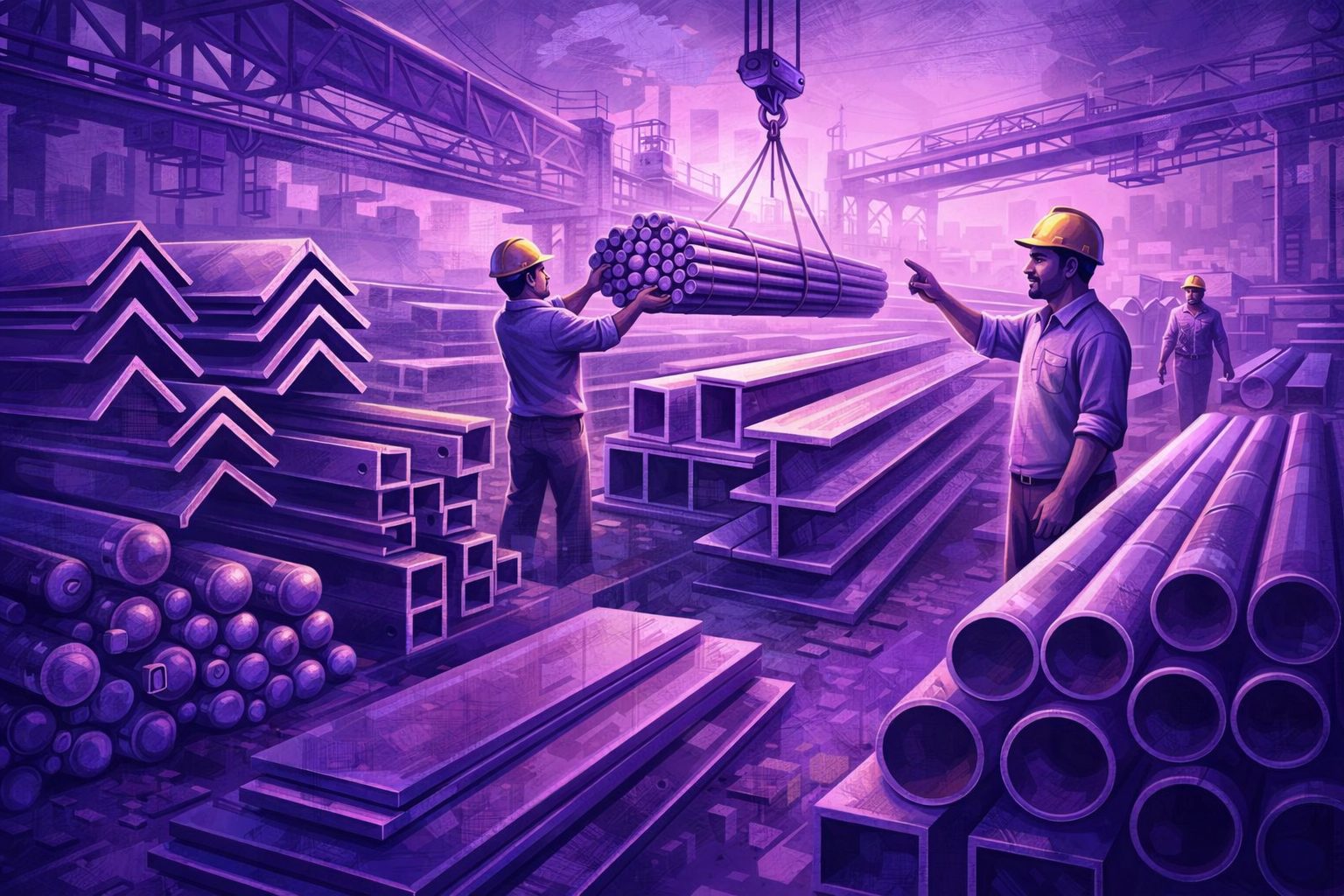
Steel structures are built using a variety of structural steel sections, each designed for specific functions within a building. Choosing the right steel products ensures strength, stability, and efficient load distribution.
Steel angles
Steel angles are L-shaped structural steel sections commonly used in bracing systems and support frameworks. They are widely used in frames, towers, and roof structures where additional stability is required.
Steel round bars
Steel round bars are cylindrical sections used in construction and industrial applications. They are typically used in foundations and reinforcement areas where strength and load-bearing capacity are essential.
Steel channels
Steel channel sections, including C and U shapes, are widely used in structural frameworks. A steel channel is often used in wall supports, framing systems, and as secondary structural members in both industrial and commercial buildings.
Steel beams
Steel beams are one of the most important steel beam types used in construction. They are primarily used in structural frames to support floors and roofs, especially in industrial steel structure projects and large-span buildings.
Steel plates
Steel plates are flat structural steel sections used in heavy construction projects. They are commonly used in foundations, bridge construction, and high-rise buildings where strong load distribution is required.
Steel pipes
Steel pipes are hollow sections used in both structural and utility applications. In steel structures, they are often used in columns, trusses, and frameworks, especially where lightweight yet strong components are needed.
Each of these structural steel sections plays a critical role in steel structure design. Businesses sourcing these materials should focus on quality and specifications to ensure long-term performance and safety.
Steel structure design basics
Steel structure design focuses on planning how structural steel components work together to create a safe, stable, and efficient building.
Load types
Steel structures are designed to handle different loads, including dead load (self-weight), live load (people and equipment), and external forces like wind or seismic activity.
Structural planning
The layout of beams, columns, and bracing is planned to ensure proper load distribution. Good planning improves efficiency and reduces material usage.
Fabrication process
Structural steel sections are pre-engineered in factories based on design specifications. This ensures accuracy and consistent quality.
On-site assembly
Components are transported and assembled using bolting or welding. This speeds up construction compared to traditional methods.
Steel structure cost in India
The steel structure cost in India depends on material prices, design, and project type. In 2026, costs vary based on whether the structure is industrial, commercial, or residential.
| Cost component | Typical range (India 2026) |
| Steel price (per ton) | ₹55,000 – ₹70,000 per tonne |
| Steel price (per kg) | ₹55 – ₹75 per kg |
| Steel structure cost (industrial/PEB) | ₹300 – ₹400 per sq ft (basic warehouses) |
| Steel building cost (general construction) | ₹1,200 – ₹2,500 per sq ft |
| Steel-framed residential construction | ₹1,800 – ₹3,500 per sq ft |
Key factors affecting steel structure cost in India:
| Factor | Impact on cost |
| Material quality | Higher grade steel increases durability but raises cost. |
| Labour | Skilled labour and fabrication increase project cost. |
| Design complexity | Complex layouts and spans require more steel and engineering. |
| Location | Transport and regional demand affect pricing. |
Prices are indicative and may vary based on location, specifications, and market conditions.
Steel prices in India remain volatile due to raw material costs and market demand, so project costs can change over time. For example, steel rates typically range around ₹64,000–₹70,000 per tonne in 2026 depending on location, while building costs can range from ₹1,200 to ₹2,500 per sq ft.
IS code for structural steel design

Steel structure design in India follows IS standards such as IS codes that define material specifications, load calculations, and construction practices. These steel structure design standards India ensure safety, quality, and consistency across projects.
IS 800:2007 – General construction in steel
IS 800:2007 is the primary standard for steel structure design in India. It provides guidelines on load considerations, design methods, and safety requirements for structural steel components used in buildings and infrastructure.
IS 802 (Parts 1, 2, 3) – Transmission structures
These codes cover the use of structural steel in transmission line towers and overhead systems. They include specifications for materials, fabrication, galvanising, and testing procedures.
IS 806:1968 and IS 1161:1998 – Steel tubes
These standards define the use and specifications of steel tubes in construction. They are commonly applied in frameworks, columns, and structural supports.
IS 2062:1999 – Structural steel material specification
This code outlines the quality and properties of steel used for general structural purposes, ensuring durability and performance.
Other relevant IS codes
Additional standards such as IS 811 (cold-formed sections), IS 1730 (plates and sheets), and IS 8000 series guidelines support various aspects of steel fabrication and installation.
Following these IS codes ensures that steel structures are safe, durable, and compliant with Indian construction standards.
Conclusion
Steel structure construction continues to evolve as a reliable solution for fast, scalable, and efficient building projects. With the right design approach and quality materials, it becomes ideal for modern construction needs across industries. Businesses planning new projects should focus on sourcing the right steel products to ensure long-term performance and cost efficiency. Procurement can be done through both online platforms and offline suppliers, depending on project requirements and availability.
Looking to procure steel?
Tata nexarc helps manufacturers, builders and MSMEs source certified steel products, compare prices, and choose the right grade as per IS codes—with complete traceability and procurement confidence.
FAQs
What is a steel structure?
What is the cost of a steel structure in India?
What are the main steel structure types?
Which is better: steel vs concrete structures?
What is the lifespan of a steel structure?
What are the main components of a steel structure?
Where are steel structures commonly used?
Are steel structures environmentally friendly?
How long does it take to build a steel structure?
What factors affect steel structure cost?
Priyanka is a seasoned content marketing professional with more than 6 years of experience crafting various forms of business and technology sector content. Her insightful writing tackles critical issues faced by small-scale manufacturing businesses. Priyanka's clear and concise communication empowers businesses to make informed decisions and thrive in today's dynamic business environment.




Understanding the different types of steel products and their applications allows me to engage in more meaningful conversations with suppliers. i can ask questions to them also
This is a great introduction to steel structures! I especially appreciate the breakdown of the different elements that make up a steel structure, such as beams, columns, and trusses. It’s helpful to understand how these individual pieces work together to create a strong and stable building.
In the construction industry, prefabricated steel structures are becoming increasingly common. Have you written a blog post on the pros and cons of prefabricated steel structures compared to traditional steel structures?
Steel structures are widely used in buildings, bridges, and industrial facilities due to their high strength-to-weight ratio and resistance to environmental conditions. We started small with a team of five professionals in 2010 but have earned the trust and respect of our clients that has led to long-standing associations.