Check Price Now
Table of Contents
- What is a Steel Channel?
- Steel Channel Diagram & Structure Explained
- How Steel Channels are Made
- Types of Steel Channels in India
- Steel Channel Sizes & Dimensions (India Standard)
- Steel Channel Weight Calculation
- Steel Channel Uses in Construction & Industry
- Steel Channel Price in India (October 2026)
- Factors to Consider Before Buying Steel Channels
- Advantages of Steel Channels
- Conclusion
- FAQs
Steel channels are widely used structural components in modern construction, known for their strength, versatility, and cost efficiency. In India, demand for steel channels continues to grow in 2026 due to infrastructure and industrial expansion. From supporting walls to framing buildings, they are essential across projects. This guide covers different types of steel channel, along with sizes, uses, and price trends in India to help you compare options and make informed buying decisions.
What is a steel channel?
A steel channel is a type of structural steel section shaped like the letter “C” or “U”, widely used in construction and engineering projects. It is designed to provide strength, stability, and support across various applications.
Key features of a steel channel:
- A flat central surface called the web
- Two vertical sides known as flanges or legs
- Open section design for better load distribution
- Available in C channel and U channel forms
Steel channels are manufactured from steel coils using hot rolling or cold forming processes. These methods ensure consistent shape, durability, and good load-bearing capacity.
Why steel channels are widely used:
- Can handle heavy loads without bending easily.
- Offer a strong strength-to-weight ratio.
- Suitable for both light and heavy-duty structures.
- Easy to cut, weld, and install.
Steel channels are available in different sizes, thicknesses, and grades depending on the application. In India, C channels and U channels are the most commonly used due to their versatility and adaptability in construction and fabrication projects.
Steel channel diagram & structure explained
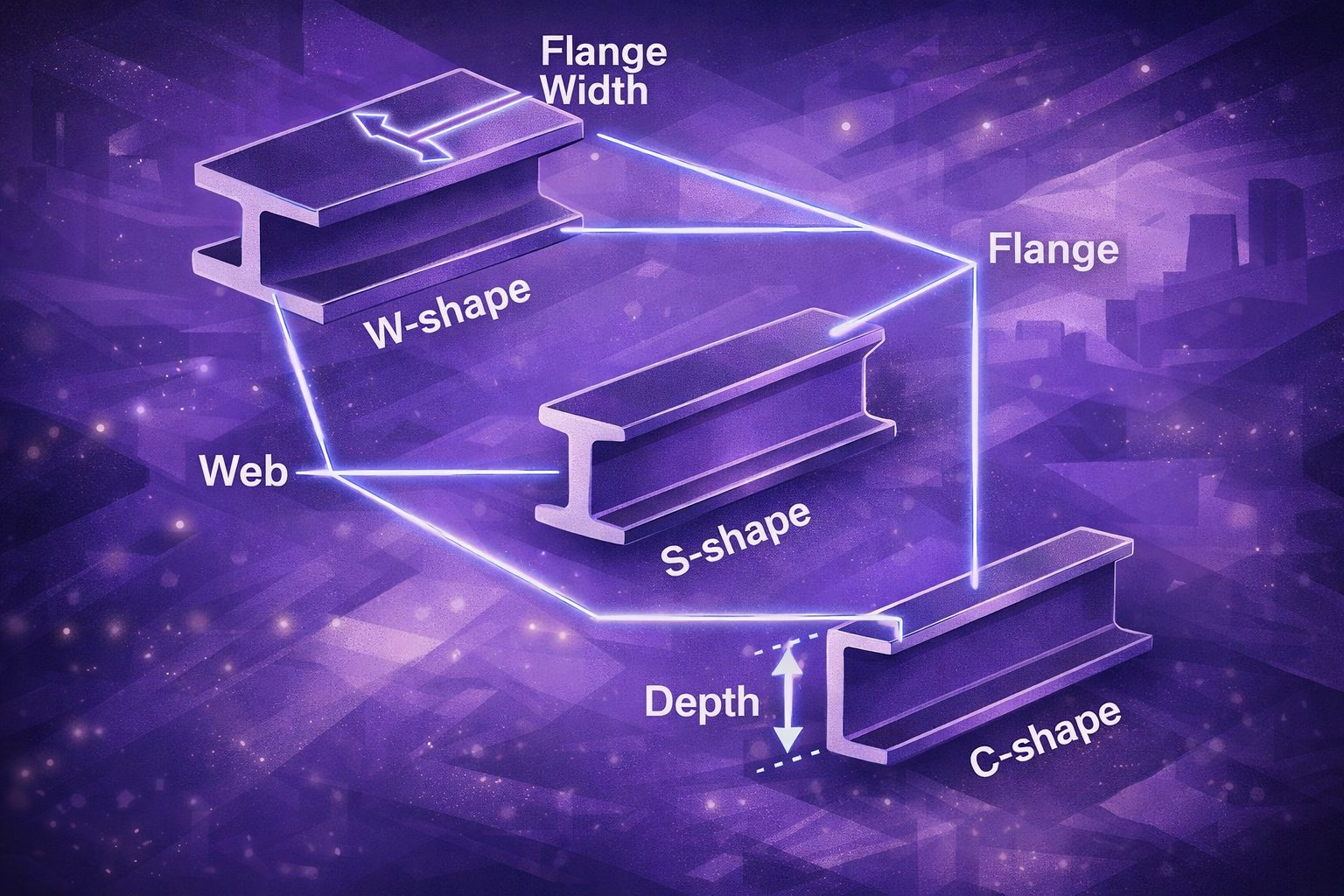
A steel channel has a simple yet strong structure that is easy to understand. It looks like the letter “C”, where each part plays a specific role in supporting loads.
Main parts of a steel channel:
- Web: The flat central section that carries most of the load.
- Flanges (legs): The two vertical sides that provide stability and strength.
- Open side: Helps in easy connection with other structural elements.
This shape allows weight to be distributed evenly, reducing the risk of bending. It also makes installation quicker and more efficient compared to closed sections. Because of this design, steel channels are widely used in structural frameworks, supports, and reinforcements across construction projects.
Key terminology you must know
Understanding basic terms is important when comparing sizes and specifications. Here are the key steel channel dimensions explained in simple terms:
Channel depth: The total height of the channel, measured from the top of one flange to the bottom of the other. It helps determine load capacity.
Leg height (flange width): The length of each side (flange) extending from the web. This affects stability and how the channel connects with other materials.
Leg thickness: The thickness of the flanges. Thicker legs usually mean higher strength and better durability.
Web thickness: The thickness of the central flat section. This plays a key role in load-bearing strength and resistance to bending.
How steel channels are made

Step 1: Raw material preparation
Steel channels start as steel coils or strips. The material is selected based on the required strength, thickness, and end use.
Step 2: Forming process (hot rolled or cold formed)
The steel is passed through rollers that gradually shape it into a channel. Hot rolled steel channels are formed at high temperatures, while cold formed steel channels are shaped at room temperature for better accuracy.
Step 3: Shaping and sizing
The rollers define the final shape, creating the web and flanges. Dimensions are controlled to match standard specifications.
Step 4: Cutting to length
The continuous channel is then cut into required lengths as per project needs.
Step 5: Surface treatment (optional)
Some channels are galvanised or coated to improve corrosion resistance and extend lifespan.
Types of steel channels in India
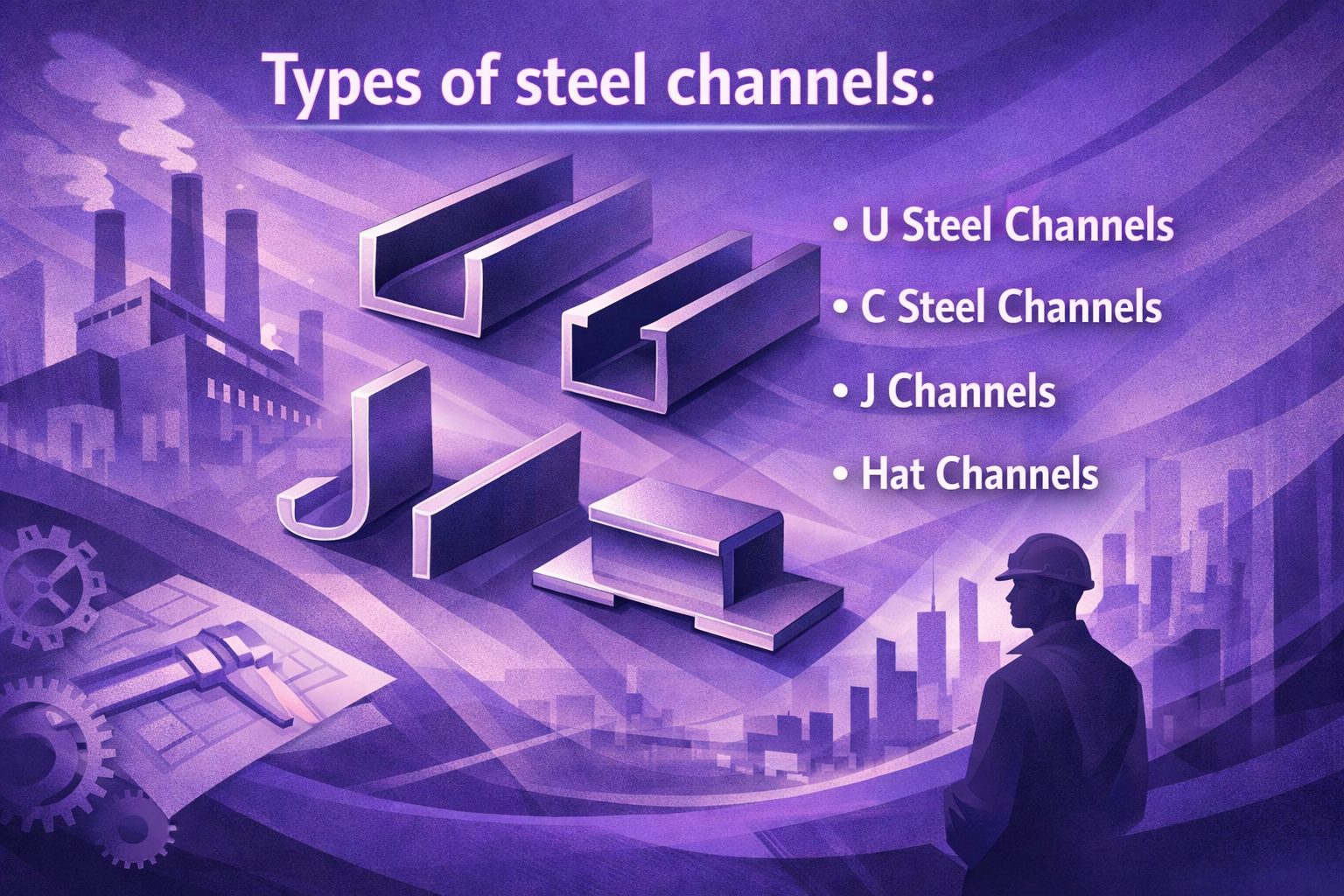
Understanding the steel channel types available in India helps you choose the right option based on your project needs. These channels are mainly classified by their shape and application.
U steel channels
U steel channels are formed by bending a flat steel strip into a “U” shape with two right angles. They are commonly used in frameworks, railings, and general fabrication work.
These channels come in different sizes, with variations in depth and flange height depending on usage. U channels are preferred where moderate strength and easy installation are required. They are also widely used for trims, supports, and lightweight structural applications.
C steel channels
C steel channels are among the most widely used structural sections in construction. Their shape provides excellent load-bearing capacity, making them ideal for buildings, roofs, and wall supports.
They are commonly used in industrial structures, warehouses, and framing systems. Compared in the C channel vs U channel debate, C channels are generally preferred for heavier structural loads due to their stronger profile.
J channels
J channels have one flange shorter than the other, giving them a “J” shape. They are typically used in specialised applications such as edge protection, cladding support, and finishing work.
These channels are available in hemmed and hemless forms, depending on safety and design requirements. J channels are often chosen where customised dimensions and flexibility are needed.
Hat channels
Hat channels have a unique shape where the flanges bend outward, resembling a hat. They are widely used in ceiling systems, wall framing, and cladding structures.
Their design allows for better spacing and alignment, making them suitable for supporting panels and drywall systems. Hat channels are commonly used in both residential and commercial interiors.
Also read: C channel weight chart – Learn how to calculate C-channel weight
Steel channel sizes & dimensions (India standard)
Understanding steel channel sizes in India is essential when selecting the right material for your project. Sizes typically follow IS standards and vary based on depth, width, thickness, and weight.
| Channel size (mm) | Flange width (mm) | Thickness (mm) | Approx weight (kg/m) |
| 75 x 40 | 40 | 4.8 – 5.0 | 7.1 |
| 100 x 50 | 50 | 5.0 – 6.0 | 9.5 |
| 125 x 65 | 65 | 5.3 – 6.4 | 13.1 |
| 150 x 75 | 75 | 5.7 – 6.8 | 16.8 |
| 175 x 75 | 75 | 6.0 – 7.4 | 19.6 |
| 200 x 75 | 75 | 6.2 – 7.6 | 22.3 |
| 250 x 82 | 82 | 6.5 – 9.0 | 30.6 |
These dimensions may vary slightly depending on the manufacturer and steel grade. Thickness and weight increase with size, directly impacting load-bearing capacity and cost.
When choosing a steel channel, always match the size and weight with your structural requirements to ensure safety and efficiency.
Steel channel weight calculation
Understanding steel channel weight calculation helps in estimating material cost and load capacity for your project. The weight of a steel channel depends on its dimensions and thickness.
Basic formula:
- Weight (kg/m) = Cross-sectional area × Density of steel (7850 kg/m³)
In simple terms, you calculate the area of the web and flanges, then multiply it by the density of steel to get the weight per metre.
For practical use, most buyers refer to standard weight charts instead of manual calculations. These charts provide ready values based on IS sizes, saving time and reducing errors. Using accurate weight data ensures better planning, cost control, and structural safety.
Steel channel uses in construction & industry
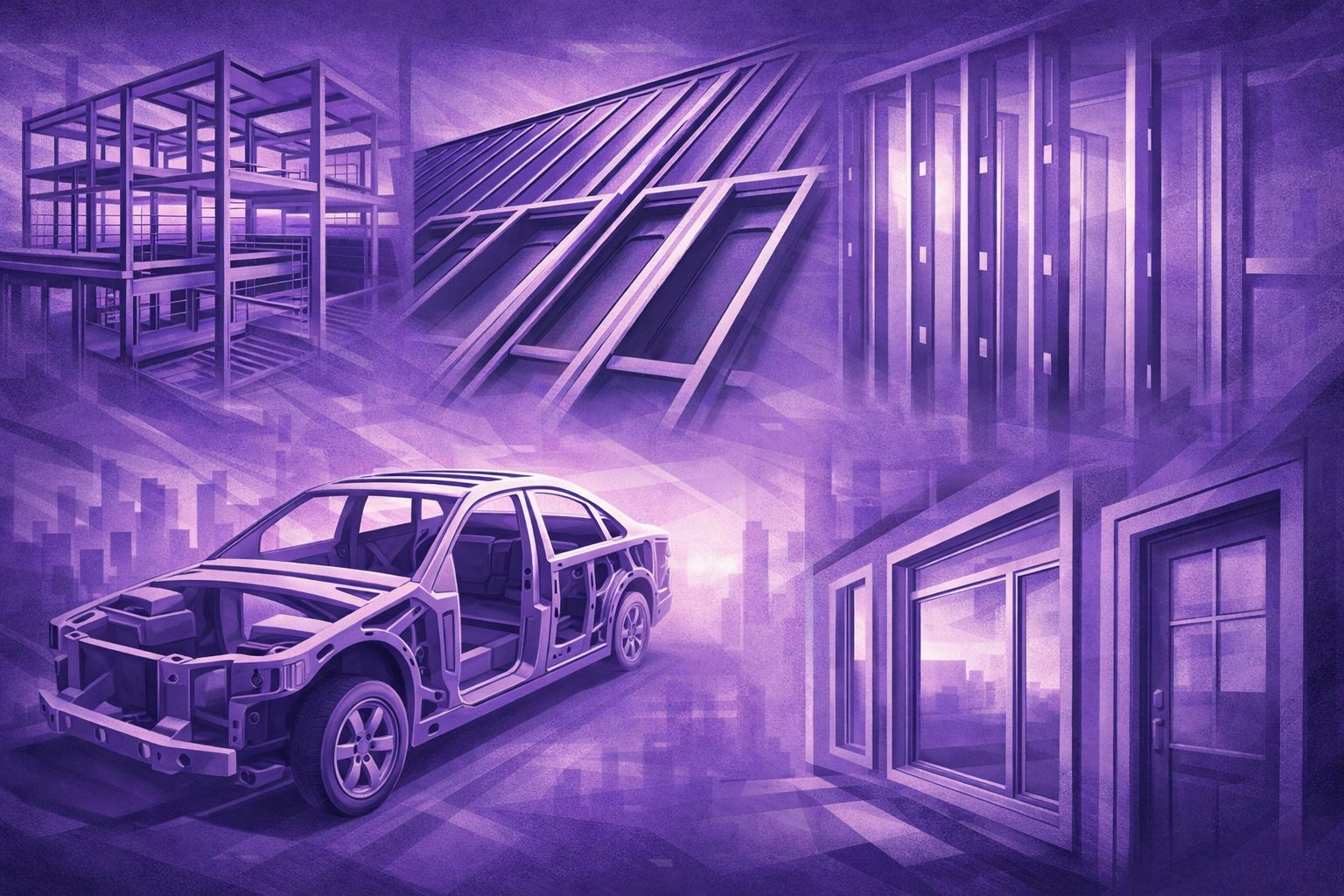
Understanding the uses of steel channels helps in selecting the right type for different applications. Their strength and versatility make them suitable across construction and industrial sectors.
Structural frameworks
Steel channels are widely used in building frameworks, including columns, beams, and supports. They provide stability and help distribute loads evenly in industrial and commercial structures.
Roof support systems
In roofing, steel channels act as support members for roof decks and sheets. They are used in both light and heavy-duty roofing systems, ensuring durability and long-term performance.
Wall studs and reinforcements
Steel channels are used as studs in walls, especially in warehouses and garages. They help support vertical loads and strengthen wall structures, making them more resistant to stress.
Automotive frames
In the automotive industry, heavy-duty steel channels are used to build frame rails and structural parts of vehicles. Their ability to handle high stress makes them suitable for this purpose.
Door and window frames
Steel channels are also used to create strong and stable frames for doors and windows. They provide better support compared to traditional materials, especially in large structures.
Steel channel price in India today (October 2026)
Understanding the latest steel channel price in India helps buyers plan budgets and compare suppliers effectively. Prices vary based on size, grade, and market conditions.
| Specification type | Price range (INR) |
|---|---|
| Price per kg | ₹47–₹55 per kg |
| Price per tonne | ₹47,000–₹55,000 per tonne |
| Light sections (75–100 mm) | ₹47–₹52 per kg |
| Medium sections (125–150 mm) | ₹49–₹53 per kg |
| Heavy sections (175–250 mm) | ₹50–₹55 per kg |
Prices are indicative as of October 2026 and may vary based on market conditions, location, and suppliers.
Factors affecting prices
Steel grade: Higher grades cost more due to better strength and durability.
Thickness & size: Heavier and thicker sections increase price per kg.
Demand & supply: Prices fluctuate based on construction demand and raw material costs.
Location: Transportation and regional availability impact final pricing.
Steel prices in India are dynamic and can change frequently due to market trends, raw material costs, and global factors. Buyers should always compare quotes from multiple suppliers before making a purchase decision.
Factors to consider before buying steel channels

Knowing how to choose steel channel correctly can help you avoid costly mistakes and ensure better performance in your project.
Load requirements
Start by understanding how much weight the channel needs to support. Heavier loads require thicker and larger sections to maintain structural stability.
Size & dimensions
Choose the right depth, width, and thickness based on your application. Incorrect sizing can lead to weak support or unnecessary cost.
Material grade
Steel channels come in different grades, each offering varying strength and durability. Higher grades are better suited for demanding structural applications.
Corrosion resistance
If the channel will be exposed to moisture or outdoor conditions, consider galvanised or coated options to prevent rust and extend lifespan.
Advantages of steel channels
Understanding the advantages of steel channels helps in evaluating their value across different applications.
High strength: Steel channels offer excellent load-bearing capacity, making them suitable for structural use.
Durability: They can withstand wear, impact, and harsh conditions over long periods.
Versatility: Suitable for a wide range of applications, from construction to fabrication.
Cost-effective: Provide strong performance at a relatively lower cost compared to other materials.
Easy installation: Simple shape allows quick cutting, welding, and fitting on-site.
Low maintenance: Require minimal upkeep, especially when treated or galvanised.
Conclusion
Steel channels continue to play a key role in construction due to their strength, flexibility, and wide range of uses. Knowing what is steel channel, along with the types of steel channels, sizes, and current pricing in India, helps you make more informed buying decisions. As demand grows in 2026, staying updated on specifications and market trends ensures better planning, cost control, and efficient project execution.
Also Read: Steel railing: Types, uses and more
Looking to procure steel?
Tata nexarc helps manufacturers, builders and MSMEs source certified steel products, compare prices, and choose the right grade as per IS codes—with complete traceability and procurement confidence.
FAQs
What is steel channel?
What are the different types of steel channels?
What is the steel channel price in India?
What are standard steel channel sizes?
Where are steel channels used?
What is the difference between C channel and U channel?
How is steel channel weight calculated?
Are steel channels suitable for outdoor use?
Which grade of steel channel is best?
How to choose the right steel channel?
Priyanka is a seasoned content marketing professional with more than 6 years of experience crafting various forms of business and technology sector content. Her insightful writing tackles critical issues faced by small-scale manufacturing businesses. Priyanka's clear and concise communication empowers businesses to make informed decisions and thrive in today's dynamic business environment.