Give us a missed call on

+91 626 955 5606
[smartslider3 slider="2"]

Try the new way of buying steel

Discover effortless & hassle-free steel procurement

Simplify account payable financing

Save more and enhance supply chain financing

Choose reliable & affordable logistics services

Switch to Tata nexarc today

Grow your business with Government Tenders

Our expert guidance can help you win

Blog

Articles, guides, tips and updates to accelerate business growth in 2023 and beyond

  • All
  • Business Loans
  • Logistics
  • MSME
  • Procurement
  • Tenders

Bitumen density shows how much a specific volume of bitumen weighs and helps engineers convert between volume and weight. Conventional paving bitumen typically has a density close to 1,000–1,050 kg/m³, although the actual value varies by grade, composition, and temperature. This makes the correct density value important for asphalt production, tanker receipts, bulk storage, and material quantity checks. This guide explains bitumen density, typical values, calculation methods, and the key factors contractors should verify before using it.
  • All
  • Logistics

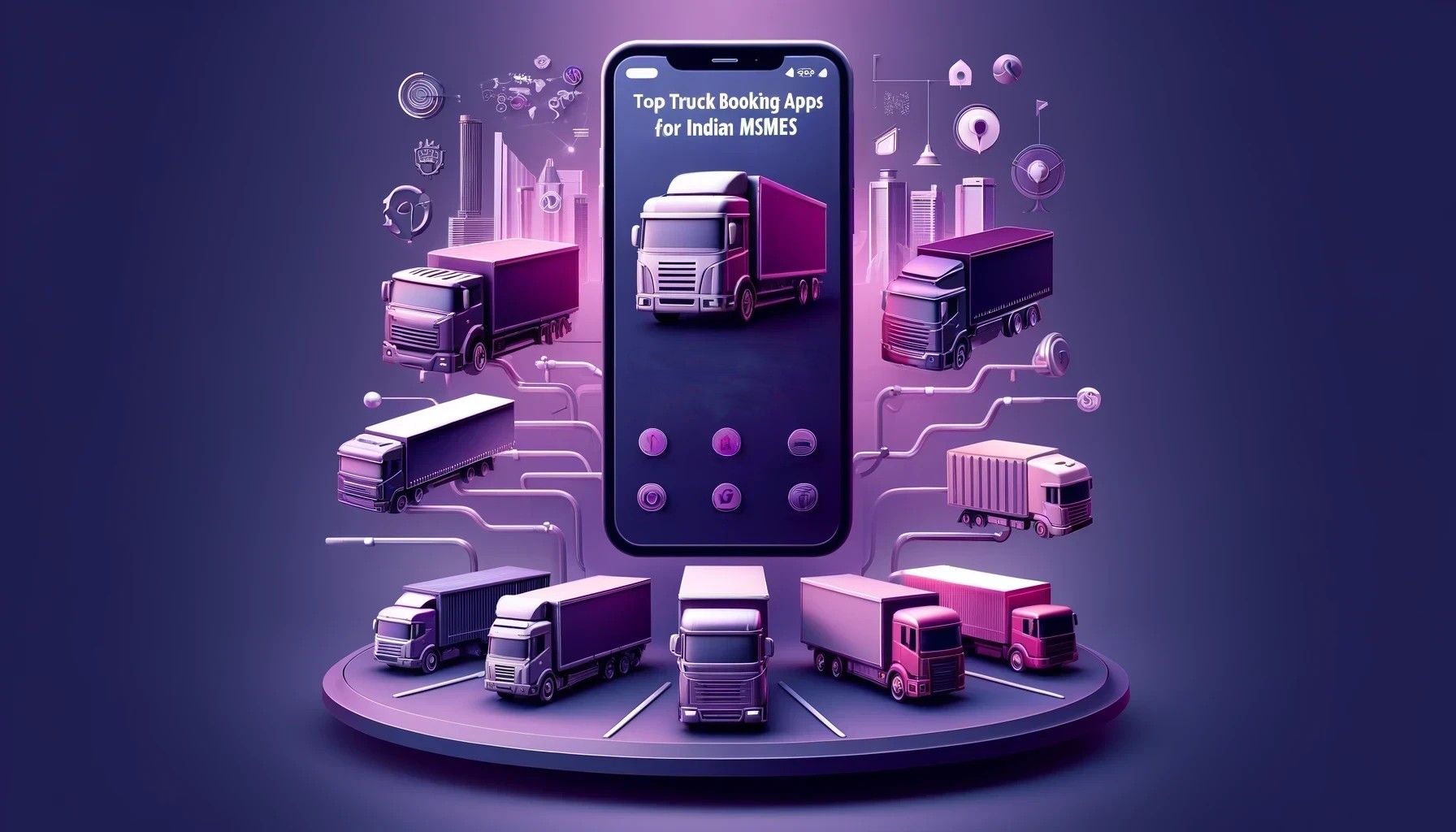
Truck booking apps are reshaping how Indian businesses manage logistics—offering real-time tracking, instant bookings, and cost transparency. From mini trucks for last-mile drops to full-load freight for manufacturers, these platforms streamline operations while supporting compliance and visibility. This guide compares top apps, explores industry-specific use cases, and highlights what businesses...

Logistics management is the process of overseeing and controlling all logistics activities including order processing, warehousing and transportation of goods and services to the customers. The key objective of logistics management is to enhance customer experience by delivering products within a fixed timeline.

Latest articles

[bdp_post_list show_tags="false" content_words_limit="20" show_read_more="false" limit="7"]
  • All
  • Business Loans
  • Logistics
  • MSME
  • Procurement
  • Tenders

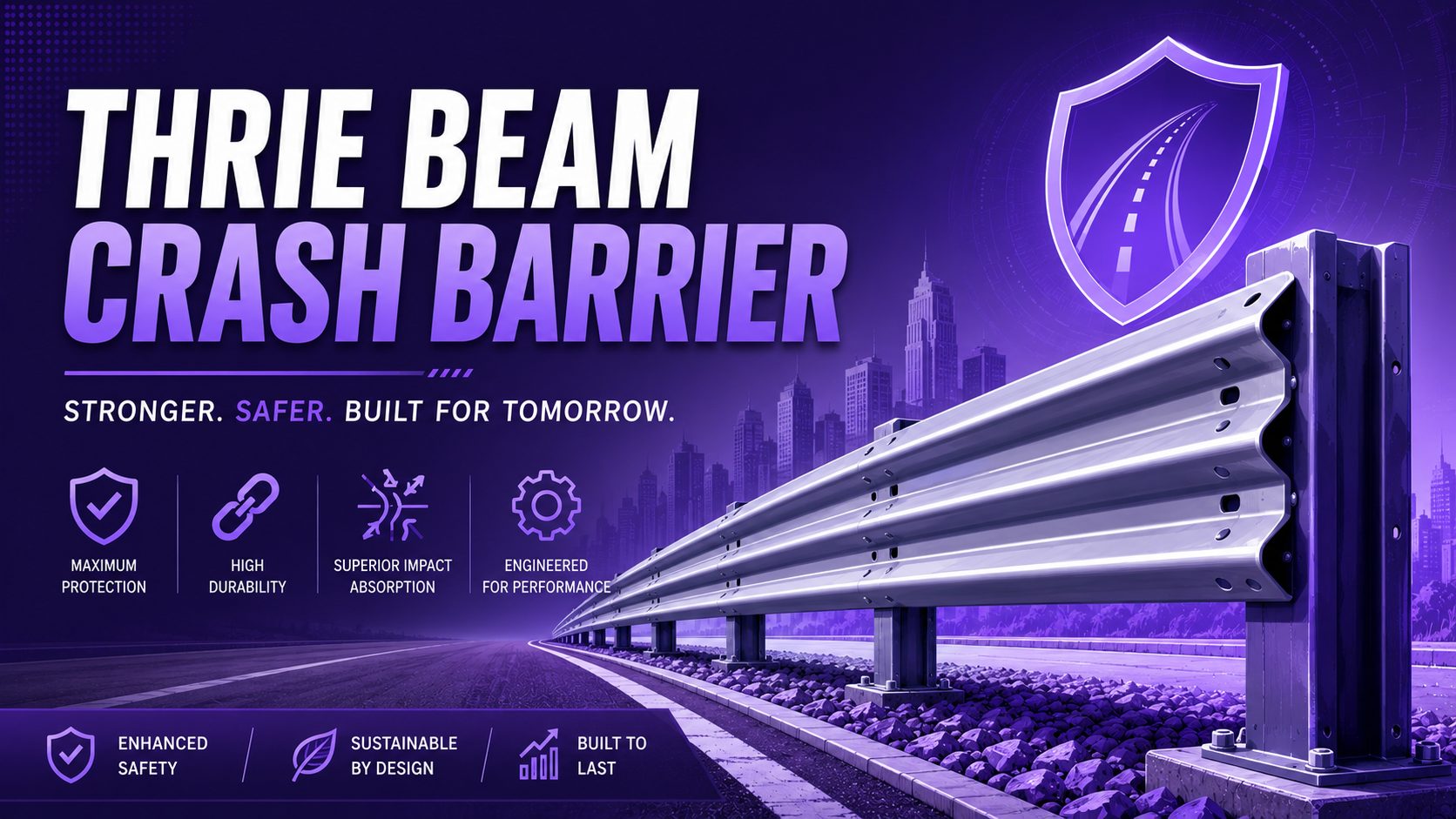
A thrie-beam crash barrier is a high-performance roadside safety system commonly used on bridges, flyovers, expressways, and other critical road sections that require higher containment levels. For EPC contractors, highway consultants, fabricators, procurement teams, and infrastructure developers, understanding barrier specifications and project requirements is essential for successful execution. This guide covers thrie-beam dimensions, weight, installation requirements, cost factors, and applicable IRC and MoRTH guidelines for Indian highway projects.

Last updated on: Jun 8, 2026

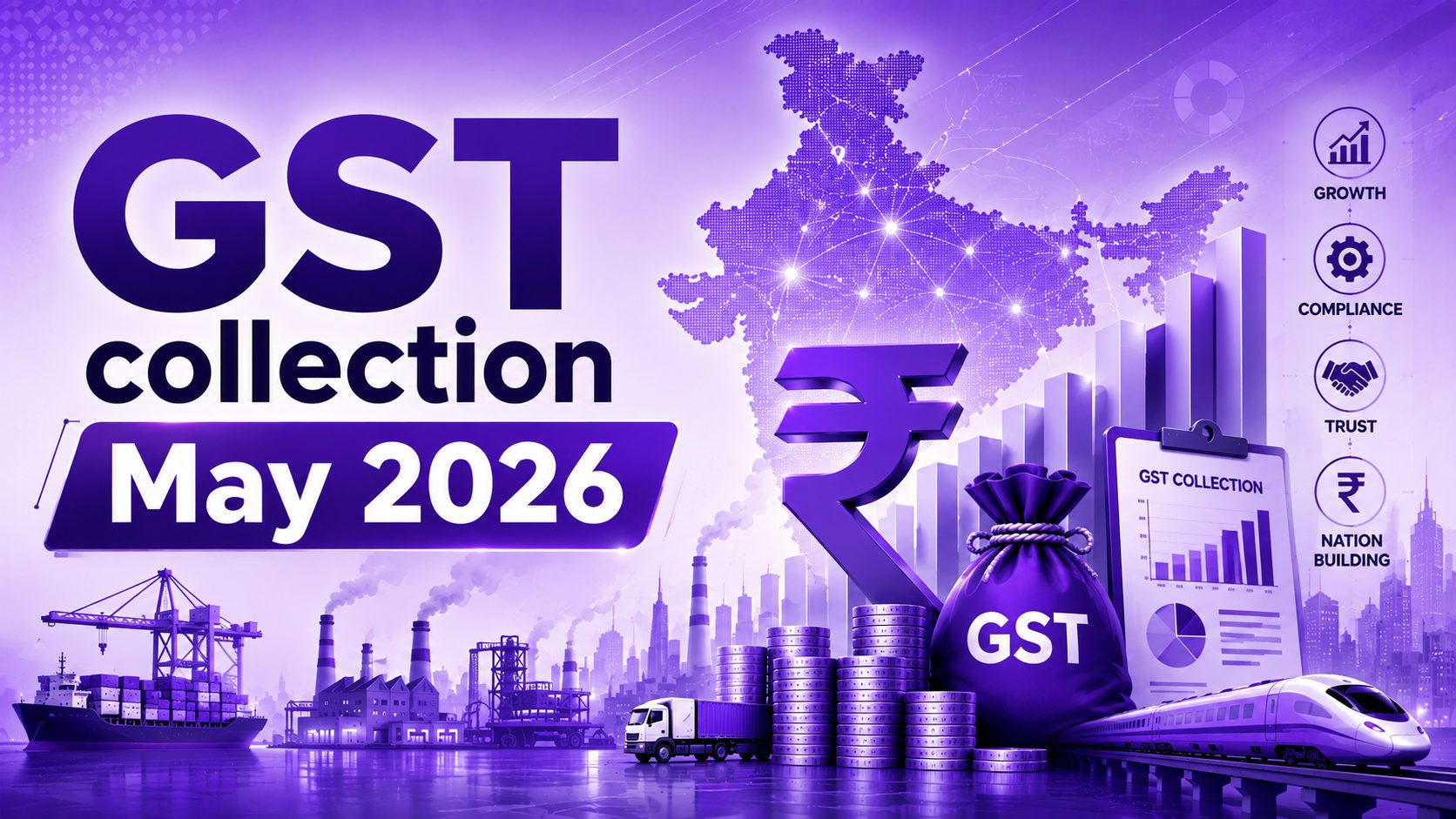
India's GST collection May 2026 reached ₹1.94 lakh crore, recording a 3.2% year-on-year increase and reflecting continued resilience in economic activity. Strong import-related tax collections, steady consumer demand and improving GST compliance supported revenue growth during the month. This article analyses the latest GST figures, key growth drivers, and what they reveal about India's economic outlook and business environment.

Last updated on: Jun 2, 2026

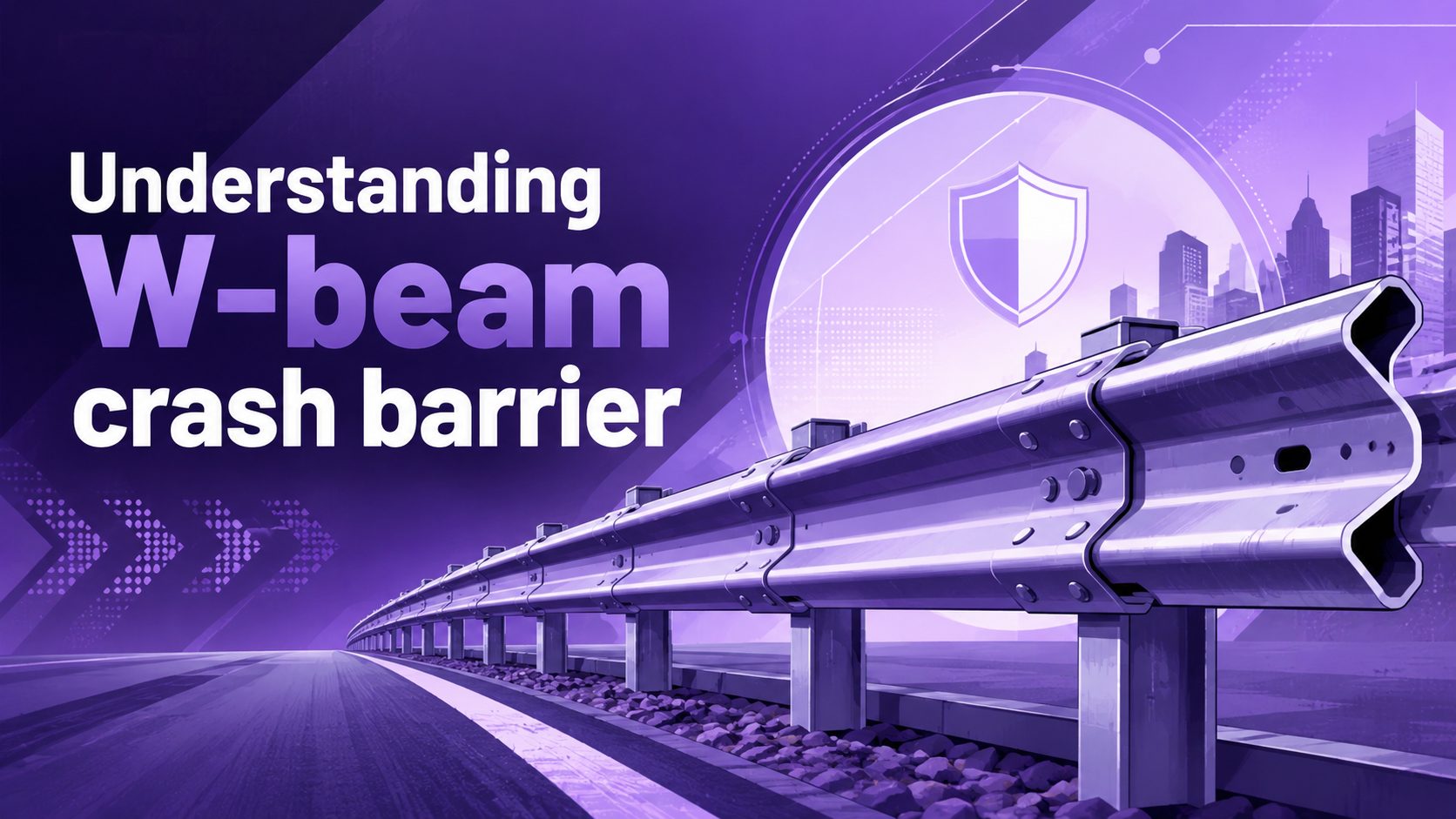
W-beam crash barriers play an important role in improving road safety across highways, bridges, expressways, and industrial corridors in India. Their strong steel construction and impact absorption capability help reduce accident severity and improve vehicle containment. This guide covers W-beam crash barrier specifications, dimensions, IRC standards, installation, pricing, and manufacturers for Indian infrastructure projects.

Last updated on: May 28, 2026

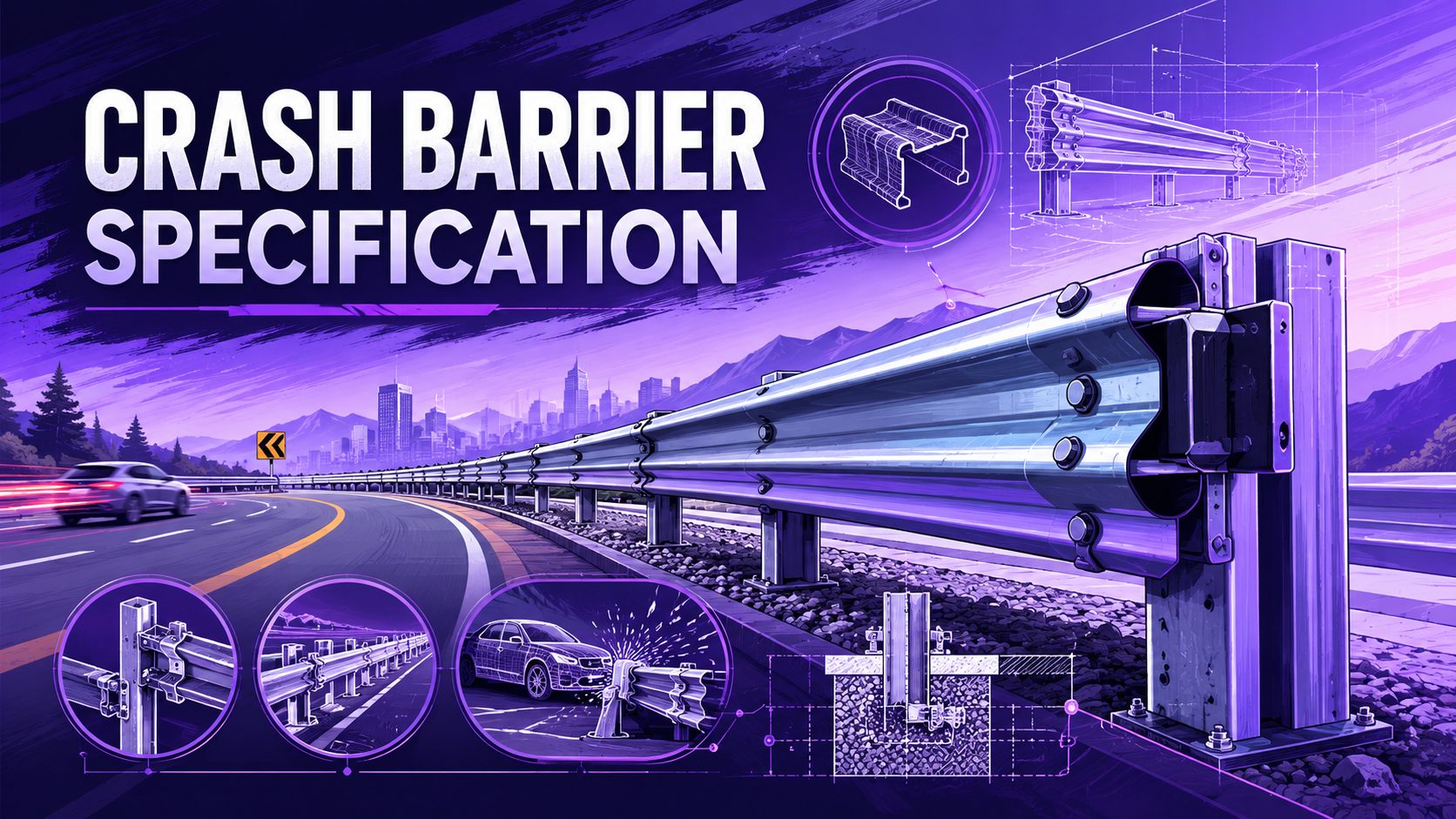
Crash barriers play an important role in road and highway safety across infrastructure projects. Understanding crash barrier specification, dimensions, weight charts, and compliance requirements helps businesses make better procurement and planning decisions. This guide explains standard crash barrier specifications in India to support contractors, procurement teams, and infrastructure buyers.

Last updated on: May 27, 2026
Load More

End of Content.

Trending Articles