Check Price Now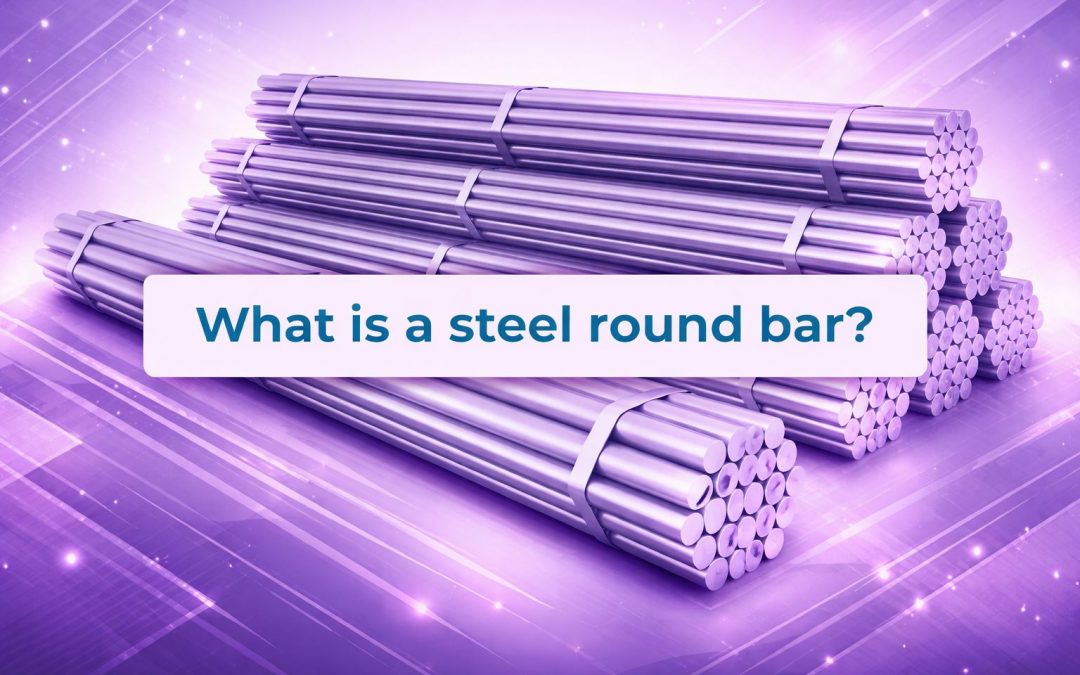
Table of Contents
Steel round bar is a robust and precise material that is often used in construction, manufacturing, and engineering. As infrastructure work picks up in 2026, the need for reliable round steel bar solutions is expanding. The kind, size, and quality you choose can all impact the price and how effectively it performs. This guide has all the information you need to make the best choice when you buy, like the many types, uses, sizes, price trends in India, and main differences.
What is a steel round bar?
A steel round bar is a solid, cylindrical steel product widely used in construction and industrial applications. It is also known as bar stock or a cylindrical steel bar and is valued for its strength, versatility, and ease of machining.
In simple terms, the round bar meaning refers to a long, round-shaped metal bar that is measured by its diameter. Unlike flat or square bars, its circular cross-section makes it suitable for applications that require uniform strength and smooth finishing.
Key characteristics of a steel round bar:
- Cylindrical shape with a consistent cross-section
- Measured based on diameter rather than width or thickness
- Available in a wide size range, typically from ¼ inch to 24 inches
- Can be hot rolled or cold finished depending on use
Steel round bars are used across both construction and engineering industries. In construction, they are used in structural frameworks, support, and reinforcement. In industrial settings, they are commonly used to manufacture components such as shafts, fasteners, machine tools, and pins. Because of their durability and adaptability, industrial steel bars remain a preferred choice for projects that demand strength, precision, and long service life.
Types of steel round bars
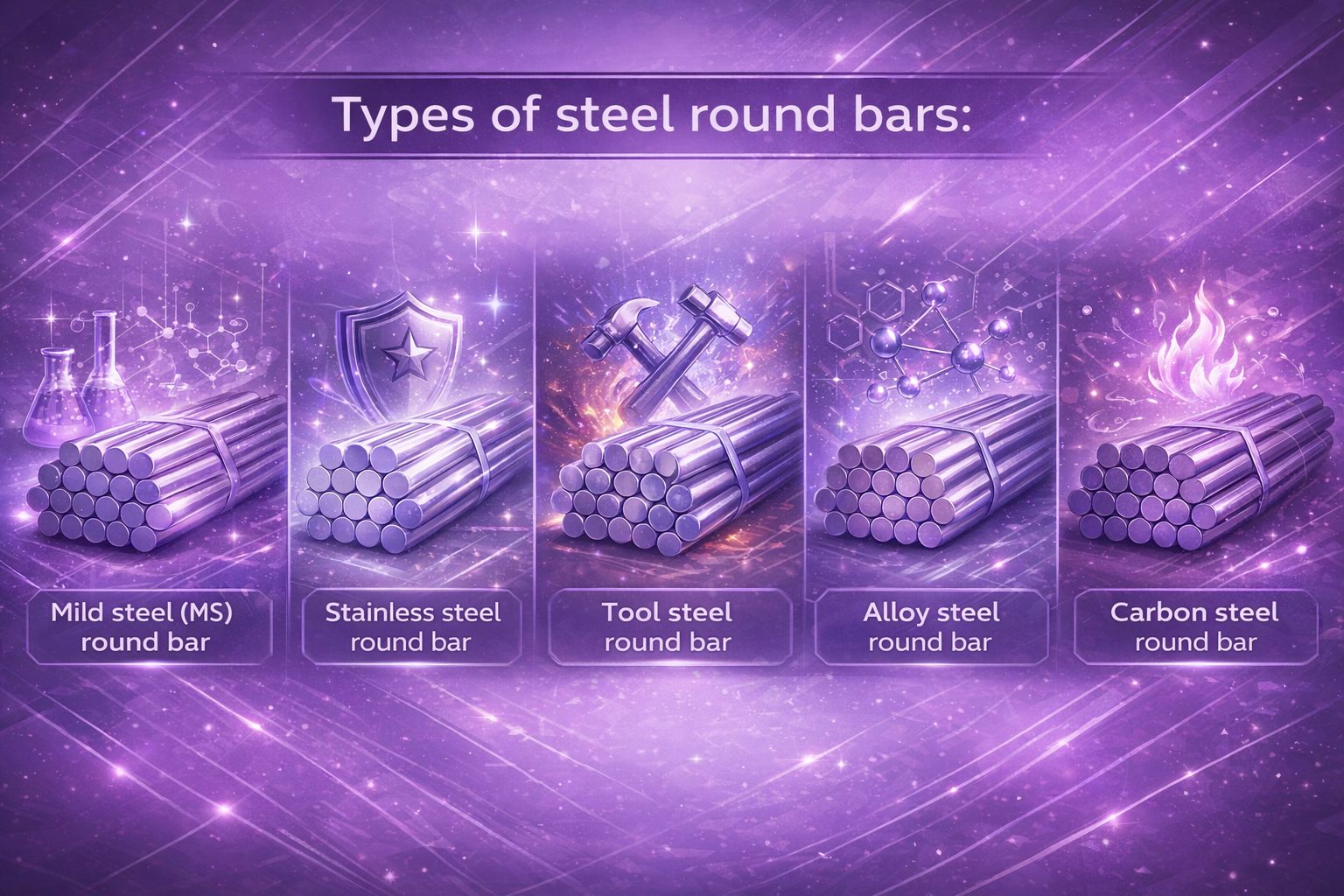
Understanding the different types of steel round bar helps in choosing the right material for your application. Each type offers specific properties, making it ideal for certain uses.
Mild steel round bar (MS round bar)
Mild steel round bars are the most commonly used due to their affordability and ease of fabrication. They offer good strength and high ductility, making them easy to cut, bend, and weld.
Ideal for: general construction, fabrication work, and structural components.
Common uses: supports, frames, and basic engineering parts.
Stainless steel round bar
Stainless steel round bars are known for their excellent corrosion resistance and durability. They perform well in harsh environments where exposure to moisture or chemicals is high.
Ideal for: outdoor, marine, and chemical applications.
Common uses: medical tools, food processing equipment, and pipelines.
Tool steel round bar
Tool steel round bars are designed for high hardness and wear resistance. They can withstand extreme stress and maintain their shape under heavy use.
Ideal for: precision tools and high-impact applications.
Common uses: cutting tools, dies, and industrial equipment.
Alloy steel round bar
Alloy steel round bars are enhanced with elements like chromium, nickel, or molybdenum to improve strength, toughness, and resistance.
Ideal for: heavy-duty engineering and high-performance machinery.
Common uses: automotive parts, gears, and shafts.
Carbon steel round bar
Carbon steel round bars offer a balance of strength and cost-effectiveness, with varying hardness depending on carbon content.
Ideal for: applications requiring strength without high alloy costs.
Common uses: machinery parts, fasteners, and structural applications.
These types of steel round bar are selected based on performance needs, budget, and operating conditions, making it important to match the material with the intended use.
Also read : Steel angle basics – Angle sizes, types, applications, rates and how to buy
Advantages of steel round bars
Steel round bars are widely used because they offer a strong balance of performance, flexibility, and cost-effectiveness across industries. These benefits of steel round bar make them a reliable choice for both construction and engineering projects.
High strength and load-bearing capacity
Steel round bars are known for their high strength, making them suitable for structures and components that need to handle heavy loads. This ensures better stability and safety in construction and machinery.
Excellent malleability and workability
These bars are easy to cut, bend, and shape without losing their core properties. This makes fabrication faster and more efficient, reducing labour time and overall project costs.
Long-lasting durability
Steel round bars are highly durable and can withstand wear and tear over long periods. This reduces the need for frequent replacements, making them a cost-effective solution in the long run.
Corrosion resistance and low maintenance
Depending on the type (especially stainless steel), round bars can resist rust and corrosion. This makes them ideal for outdoor and industrial environments, lowering maintenance efforts and expenses.
Overall, their versatility and long service life make steel round bars a practical and economical choice for a wide range of applications.
Steel round bars vs steel rods
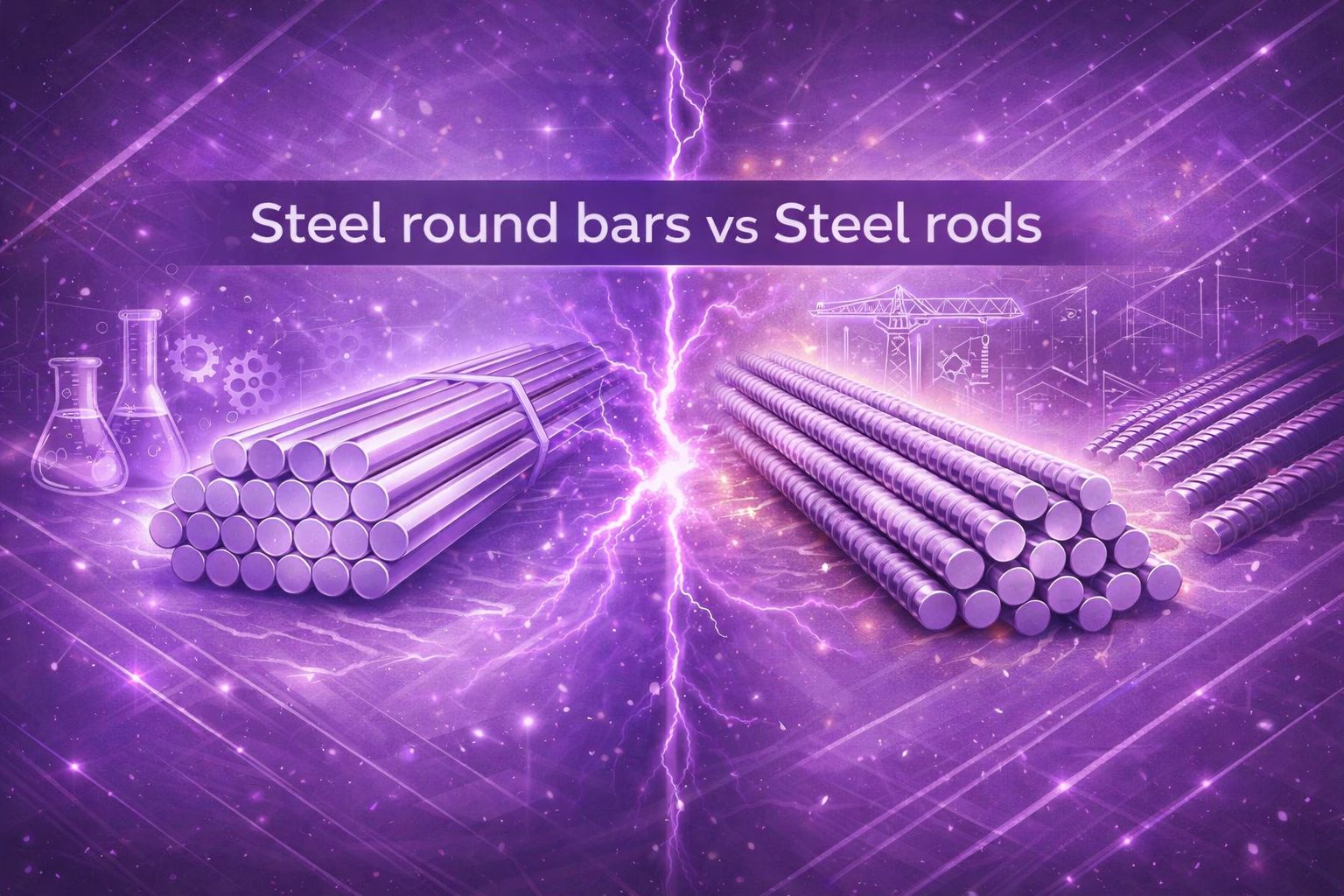
Steel round bars and steel rods are often used interchangeably, which creates confusion for buyers and engineers. While they may look similar, there are important differences in how they are made, their finish, and where they are used. Understanding the difference between rod and bar helps you choose the right material for performance and cost.
Key differences between steel round bar vs steel rod
| Parameter | Steel round bar | Steel rod |
| Manufacturing process | Typically made through hot rolling. | Usually cold drawn or cold finished. |
| Surface finish | Rougher surface, may require machining. | Smoother and more precise finish. |
| Dimensional accuracy | Slightly less precise. | Higher precision and tighter tolerances. |
| Mechanical properties | Good strength and toughness. | Better hardness and wear resistance. |
| Cost | More cost-effective. | Generally more expensive due to processing. |
| Applications | Used where machining is required. | Used where precision and finish matter. |
Steel round bars are widely used in construction and heavy engineering where strength and cost are key factors. They are ideal for machining into components like shafts, supports, and structural parts. Steel rods, on the other hand, are better suited for applications that need a smoother finish and higher dimensional accuracy. They are often used in precision engineering, automotive components, and finished goods.
Which one should you choose?
If your project requires machining, structural strength, and cost efficiency, steel round bars are usually the better choice. However, if you need precision, smoother finish, and higher wear resistance, steel rods may be more suitable. Choosing between steel round bar vs steel rod ultimately depends on your application, budget, and performance requirements.
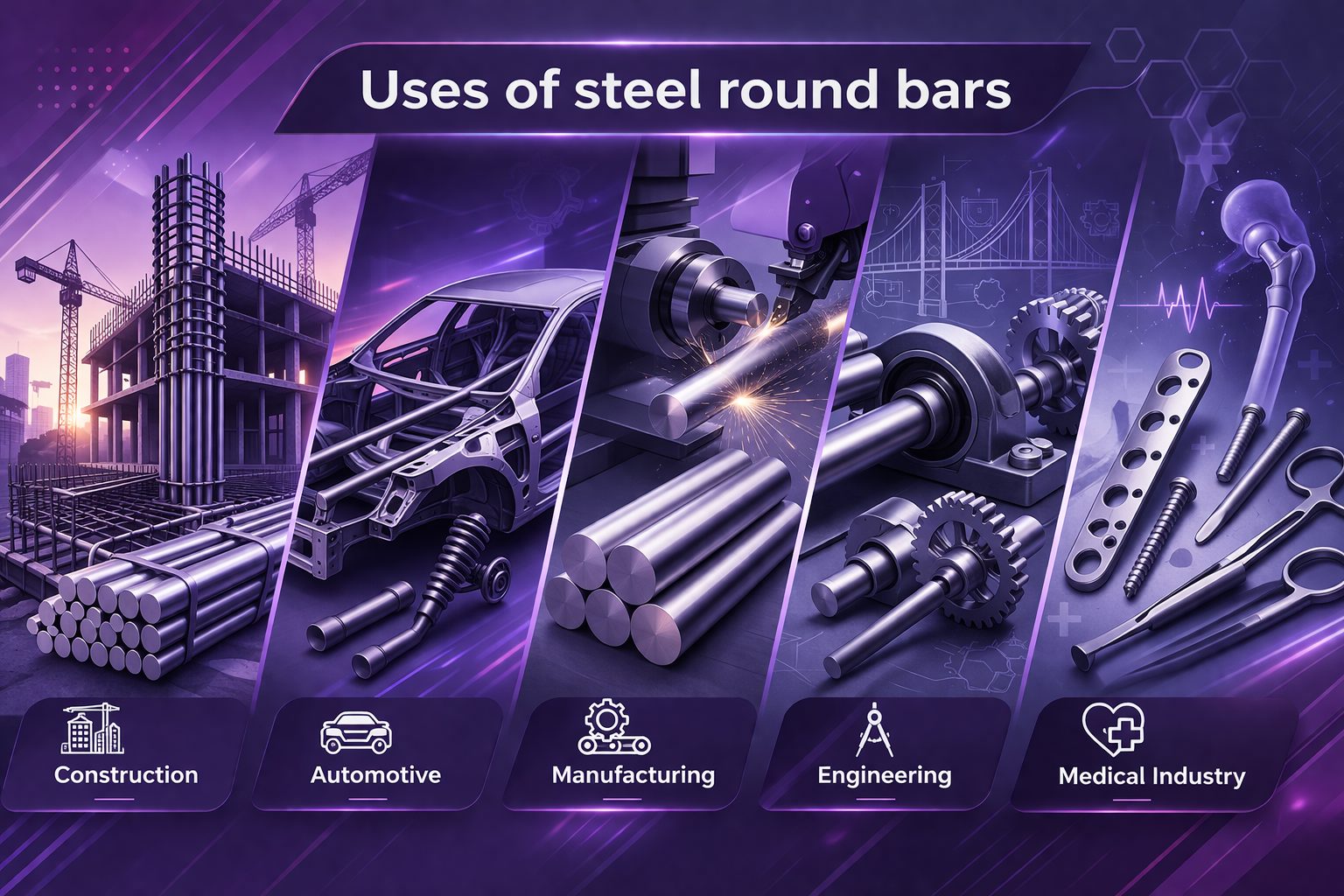
Applications of steel round bars
Steel round bars are used across a wide range of industries due to their strength, versatility, and ease of machining. Understanding where steel round bars are used helps buyers select the right type based on application needs.
Construction industry
In construction, steel round bars are commonly used in structural frameworks, reinforcements, and support. Their high load-bearing capacity makes them suitable for beams, columns, and stirrups. They are also used in fabrication work for gates, railings, and structural joints where strength and durability are essential.
Automotive industry
Steel round bars play a key role in manufacturing automotive components that require precision and strength. They are used to produce shafts, axles, and fasteners that must withstand constant stress and movement. Their ability to be machined into exact shapes makes them ideal for critical vehicle parts.
Manufacturing and engineering
In industrial manufacturing, steel round bar applications include producing machine components such as gears, bolts, pins, and tools. These bars are often machined and heat-treated to meet specific performance requirements, making them essential in heavy machinery and equipment production.
Medical industry
Stainless steel round bars are widely used in the medical sector due to their corrosion resistance and hygienic properties. They are used to manufacture surgical instruments, implants, and precision tools where cleanliness and durability are critical.
Infrastructure and utilities
In infrastructure projects, steel round bars are used in pipelines, railings, and support systems. They are also used in rail tracks, bridges, and utility structures where long-term strength and reliability are required. These uses of steel round bar highlight their importance across industries, making them a dependable material for both structural and precision applications.
Steel round bar sizes & specifications
Steel round bar sizes vary widely to suit different industrial and construction needs. These bars are defined primarily by their diameter and length, which directly impact their weight and application.
Common size range
Steel round bars are available in both metric and imperial units:
Diameter (metric): 6 mm to 600 mm
Diameter (inches): ¼ inch to 24 inches
Larger diameters are typically used in heavy engineering, while smaller sizes are ideal for fabrication and machining work.
Standard lengths
Common lengths: 3 metres, 6 metres, and 12 metres.
Custom lengths may be available depending on supplier and project requirements.
Weight basics (approximate)
| Diameter (mm) | Weight (kg per metre) |
| 10 mm | 0.62 kg |
| 20 mm | 2.47 kg |
| 50 mm | 15.42 kg |
| 100 mm | 61.65 kg |
Weight is typically calculated using standard steel density and diameter.
IS standards (India)
Steel round bars in India are manufactured as per IS standards to ensure quality and consistency:
IS 2062 – Mild steel structural applications.
IS 304/IS 316 – Stainless steel grades.
Understanding steel round bar sizes and specifications helps in accurate material planning, cost estimation, and selecting the right bar for your application.
Steel round bar price in India (2026)
The steel round bar price in India in 2026 varies based on grade, size, and market conditions. Prices are typically quoted per kilogram and can fluctuate with raw material costs and demand trends.
Approximate steel round bar price today (India – April 2026)
| Type of steel round bar | Price range (₹/kg) |
| Mild Steel (MS) round bar | ₹55 – ₹70 |
| Carbon steel round bar | ₹60 – ₹80 |
| Alloy steel round bar | ₹75 – ₹110 |
| Stainless steel (304) round bar | ₹180 – ₹260 |
| Stainless steel (316) round bar | ₹260 – ₹380 |
Prices mentioned are indicative averages as of early April 2026 and may vary based on supplier, order quantity, and market fluctuations.
Key factors affecting steel bar price
Grade: Higher alloy or stainless grades cost more due to added elements
Diameter: Larger diameters may have slightly higher per kg pricing
Location: Prices vary by city due to logistics and supply chain costs
Market demand: Steel prices fluctuate based on infrastructure activity and raw material rates
These price ranges provide a general benchmark for buyers and procurement teams planning purchases.
How to choose the right steel round bar

Choosing the right steel round bar is essential to ensure performance, durability, and cost efficiency. The decision should be based on your specific application and project requirements.
Application type
Start by identifying where the bar will be used. For structural work, mild steel may be sufficient. For corrosive environments, stainless steel is a better choice.
Load requirements
Consider how much weight or stress the bar needs to handle. Higher load-bearing applications may require alloy or carbon steel grades for added strength.
Material grade
Different grades offer different properties such as hardness, corrosion resistance, and machinability. Choose a grade that matches both performance and environmental conditions.
Budget constraints
Balance performance with cost. While stainless and alloy steels offer better properties, mild steel round bars are more cost-effective for general use.
Supplier reliability
Always source from trusted suppliers who comply with IS standards. This ensures consistent quality and reduces the risk of material failure.
By following this practical approach, you can confidently decide how to choose steel round bar that fits your project needs while optimising both cost and performance.
Conclusion
Steel round bar remains a dependable choice across industries due to its versatility, wide range of types, and suitability for both structural and precision applications. From selecting the right size and grade to understanding pricing and use cases, making an informed decision can improve performance and cost efficiency. As project requirements continue to evolve in 2026, choosing the right steel round bar ensures long-term reliability and better outcomes across construction, manufacturing, and engineering use.
Looking to procure steel?
Tata nexarc helps manufacturers, builders and MSMEs source certified steel products, compare prices, and choose the right grade as per IS codes—with complete traceability and procurement confidence.
FAQs
What is a steel round bar?
What is the steel round bar price in India?
What are standard steel round bar sizes?
What are the types of steel round bar?
What is the difference between steel round bar and steel rod?
Where are steel round bars used?
What is the lifespan of steel round bars?
Which steel round bar is best for construction?
How are steel round bars measured?
Are stainless steel round bars better than mild steel?
Priyanka is a seasoned content marketing professional with more than 6 years of experience crafting various forms of business and technology sector content. Her insightful writing tackles critical issues faced by small-scale manufacturing businesses. Priyanka's clear and concise communication empowers businesses to make informed decisions and thrive in today's dynamic business environment.