Check Price Now
Table of Contents
- Primary vs. Secondary TMT Bars: Quick Comparison
- Price Difference Between Primary and Secondary TMT Bars
- Primary TMT Bars: Definition, Manufacturing Process, and Uses
- Secondary TMT Bars: Meaning, Manufacturing Process, and Applications
- Key Factors That Differentiate Primary and Secondary TMT Bars
- Structural Performance: Strength, Fire Resistance, and Seismic Safety
- Common Myths About Secondary TMT Bars
- How to Identify Primary vs. Secondary TMT Bars
- How to Choose the Right TMT Bars for Your Project
- Conclusion
- FAQs
TMT bars are the backbone of reinforced concrete structures. Their quality directly affects the strength, durability, and safety of buildings. A common question in construction is the difference between primary vs. secondary TMT bars. Both types are used for reinforcement, but they differ in raw materials, manufacturing processes, strength, quality consistency, and typical applications.
These factors influence how steel performs under load, corrosion, and environmental stress. Understanding primary vs. secondary TMT bars helps builders, contractors, and property owners choose the right reinforcement steel for safer and more durable construction.
Primary vs. secondary TMT bars: Quick comparison
The main difference lies in the raw materials used, manufacturing process, and consistency of quality. Primary bars come from integrated steel plants that use virgin iron ore. Secondary bars are usually produced in induction furnaces using recycled scrap steel.
| Aspect | Primary TMT bars | Secondary TMT bars |
| Raw material | Produced from virgin iron ore in integrated steel plants. | Produced mainly from recycled scrap steel or sponge iron. |
| Manufacturing process | Made using controlled blast furnace and basic oxygen furnace routes, followed by thermo-mechanical treatment. | Usually manufactured in induction furnace plants with simpler processing systems. |
| Strength | High and consistent tensile strength. Suitable for heavy load-bearing structures. | Strength can vary between batches due to raw material variation. |
| Ductility | Excellent ductility. Bars bend without cracking and absorb stress well. | Moderate ductility. Performance may vary depending on production quality. |
| Corrosion resistance | Better corrosion resistance due to controlled chemical composition. | Lower resistance in many cases because of impurities in scrap. |
| Quality consistency | Strict quality control and standardised production. | Quality can differ between manufacturers and batches. |
| Cost | Usually higher due to better raw materials and advanced production. | Generally more affordable and widely available. |
| Best applications | High-rise buildings, bridges, infrastructure, and seismic-zone structures. | Small residential projects, boundary walls, and non-critical construction. |
In simple terms, primary TMT bars offer higher reliability, uniform quality, and stronger structural performance. They are preferred for critical infrastructure and long-term construction projects. Secondary TMT bars focus on cost efficiency and are commonly used in smaller or less demanding structures where budget constraints are a priority.
Price difference between primary and secondary TMT bars

Price is one of the first things buyers compare when choosing reinforcement steel. The TMT bar price difference between primary and secondary bars mainly comes from raw materials, production technology, and quality control. Understanding the primary vs secondary TMT bar price helps contractors balance cost with structural safety.
Typical price range in India (2026)
| Type of TMT bar | Typical price range (per kg) | Notes |
| Primary TMT bars | ₹60 – ₹75 per kg | Produced by large integrated steel plants with strict quality control. |
| Secondary TMT bars | ₹52 – ₹65 per kg | Manufactured by smaller induction furnace plants using recycled steel. |
Prices vary by location, brand, grade (Fe500, Fe550, Fe600), and market conditions. Transportation costs and regional demand can also affect final prices.
Why primary TMT bars cost more
Primary TMT bars usually command a higher price because of:
Virgin raw materials – Produced using iron ore rather than scrap steel.
Advanced manufacturing – Integrated plants use controlled blast furnace and rolling mill processes.
Better chemical control – Alloy composition is monitored closely for consistent strength.
Strict quality testing – Each batch undergoes mechanical and chemical tests.
Factors that influence TMT bar prices
Several industry factors affect the primary vs. secondary TMT bar price.
Raw material source – Iron ore and billets cost more than recycled scrap.
Manufacturing technology – Modern rolling mills and quenching systems increase production costs.
Quality control and certifications – BIS-certified steel with proper testing adds cost but improves reliability.
Brand reputation – Established steel brands often charge a premium due to consistent performance and trust in the market.
In short, secondary TMT bars are cheaper upfront, but primary TMT bars offer more consistent strength and durability, which can reduce long-term repair and maintenance costs.
Primary TMT bars: Definition, manufacturing process, and uses
Before comparing steel quality, it helps to understand the primary TMT bars meaning and how they are produced. Primary TMT bars are reinforcement bars manufactured in large integrated steel plants using controlled and standardized processes. These plants produce steel from virgin iron ore, which allows better control over chemical composition and mechanical properties.
Primary bars go through a precise Thermo-mechanical Treatment (TMT) process that improves strength, ductility, and durability. Because the raw material and manufacturing environment are tightly controlled, these bars show uniform properties and reliable structural performance.
Key characteristics of primary TMT bars
| Feature | Description |
| Raw material | Produced from virgin iron ore processed in integrated steel plants. |
| Steel production route | Typically follows blast furnace and basic oxygen furnace steelmaking. |
| Manufacturing process | Advanced rolling mills and controlled quenching systems. |
| Chemical composition | Precisely controlled alloy mix for consistent strength and ductility. |
| Quality control | Strict testing for tensile strength, elongation, and bendability. |
| Performance | High strength, good ductility, and strong bonding with concrete. |
How primary TMT bars are manufactured
The process used in primary steel manufacturing involves several controlled stages:
Iron ore processing – High-grade ore is converted into molten steel.
Steel refining – Alloy elements such as carbon, manganese, and silicon are adjusted.
Hot rolling – Steel billets are rolled into reinforcement bars.
Thermo-mechanical treatment – Rapid quenching creates a strong outer layer while the core remains ductile.
Common applications of primary TMT bars
Because of their reliability and strength, primary TMT bars are widely used in:
- High-rise residential and commercial buildings
- Bridges and flyovers
- Large infrastructure projects
- Structures designed for earthquake-prone regions
In modern construction, primary TMT bars are preferred for projects where structural safety, long service life, and consistent steel quality are essential.
Secondary TMT bars: Meaning, manufacturing process, and applications

To understand the difference in reinforcement quality, it is important to know what secondary TMT bars are and how they are produced. Secondary TMT bars are reinforcement bars manufactured mainly in induction furnace steel plants using scrap or recycled steel as the primary raw material. Because they rely on recycled inputs, these bars are often called recycled steel TMT bars.
Secondary manufacturers melt scrap steel, convert it into billets, and then roll the metal into bars through a thermo-mechanical treatment process. The basic production steps are similar to those used for primary bars, but the raw material quality and process control can vary significantly between plants.
Key characteristics of secondary TMT bars
| Feature | Description |
| Raw material | Produced mainly from scrap steel or recycled metal. |
| Steel production route | Typically manufactured in induction furnace plants. |
| Manufacturing process | Melted scrap is cast into billets and rolled into TMT bars. |
| Cost | Generally lower than primary TMT bars due to cheaper raw materials. |
| Quality consistency | Can vary depending on scrap quality and production control. |
| Performance | Suitable for less demanding structural applications. |
Common limitations of secondary TMT bars
Secondary TMT bars may face a few challenges during production:
- Impurities in scrap steel such as rust, paint residues, or non-metallic inclusions
- Inconsistent alloy composition that affects mechanical strength
- Variation in mechanical properties between batches
- Lower consistency in corrosion resistance and ductility
These issues depend heavily on the manufacturer’s process control and quality standards.
Typical applications of secondary TMT bars
Despite these limitations, secondary TMT bars remain widely used in many construction projects where cost efficiency is important.
Common uses include:
- Small residential buildings
- Temporary construction structures
- Boundary walls and compound structures
- Non-critical structural elements
For projects with lower load requirements, recycled steel TMT bars provide an affordable reinforcement option while still meeting basic construction needs.
Key factors that differentiate primary and secondary TMT bars
Several factors separate primary vs. secondary TMT bars in construction. These differences affect structural strength, durability, and long-term reliability. Understanding these distinctions helps engineers, contractors, and builders choose reinforcement steel that suits the load requirements and environmental conditions of a project.
Raw materials
Primary TMT bars are produced from virgin iron ore processed in integrated steel plants. This allows manufacturers to control the chemical composition of steel from the beginning. Secondary TMT bars, on the other hand, are made mainly from recycled scrap steel. Scrap may contain impurities or mixed alloys, which can affect the final steel quality.
Manufacturing process
Primary steel production follows a blast furnace and basic oxygen furnace route with advanced rolling mills and controlled quenching systems. These plants operate with strict process monitoring. Secondary TMT bars are generally manufactured in induction furnace units, where scrap steel is melted and rolled into bars. The process is faster and cheaper but often less standardised.
Mechanical strength
Primary TMT bars typically offer higher and more consistent tensile strength and ductility. Their controlled metallurgy helps them handle heavy structural loads and dynamic forces. Secondary bars may meet basic strength standards, but performance can vary between batches depending on raw material quality.
Corrosion resistance
Controlled alloy composition gives primary bars better resistance to corrosion and environmental stress. Secondary bars may have slightly lower corrosion resistance because impurities in recycled steel can affect protective oxide layers.
Quality consistency
Large integrated plants follow strict BIS standards and quality testing for each batch of steel. Secondary manufacturers may also follow standards, but quality consistency can differ across producers.
Cost difference
Secondary TMT bars are usually more affordable, making them attractive for smaller or budget-driven projects. Primary bars cost more but provide greater reliability and long-term structural safety.
Structural performance: Strength, fire resistance, and seismic safety
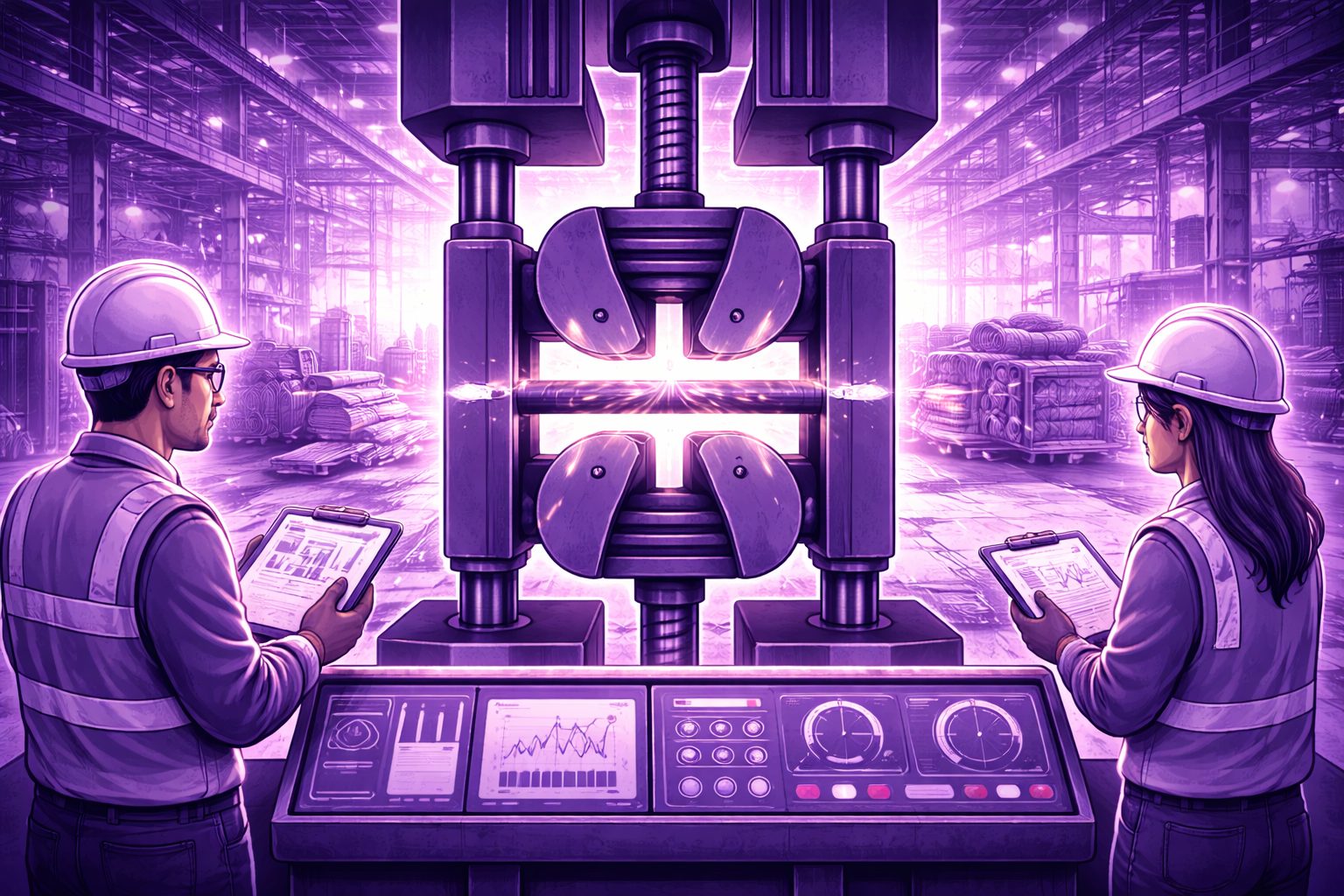
Structural performance is a key factor when comparing reinforcement steel. Builders often evaluate tensile strength, ductility, fire resistance, and earthquake performance before selecting TMT bars. These properties influence how well reinforced concrete structures handle stress, temperature changes, and natural forces.
Tensile strength
Tensile strength refers to the maximum pulling force a steel bar can handle before breaking. Primary TMT bars usually provide higher and more consistent tensile strength due to controlled raw materials and manufacturing. This makes them suitable for heavy load-bearing structures such as high-rise buildings and bridges.
Ductility
Ductility describes the ability of steel to bend without cracking or failing. Bars with good ductility absorb stress and redistribute loads within a structure. Primary TMT bars typically show better ductility because of controlled thermo-mechanical treatment, while secondary bars may show more variation.
Fire resistance
High temperatures can reduce the strength of reinforcement steel. TMT bars produced with controlled metallurgy tend to retain their load-bearing capacity longer during fire exposure. Consistent steel composition improves stability during extreme heat conditions.
Earthquake performance
Earthquakes create sudden lateral forces that stress reinforced concrete. TMT bars with strong tensile strength and good ductility help structures flex and absorb seismic energy, reducing the risk of structural failure.
Structural safety implications
These properties play a major role in long-term structural safety. Steel with reliable strength, ductility, and thermal performance helps buildings withstand demanding conditions and maintain stability over time.
Common myths about secondary TMT bars
Several misconceptions surround secondary TMT bars, especially regarding their strength and reliability. While quality can vary between manufacturers, not all secondary bars perform the same. Understanding the facts helps buyers make more informed decisions.
Myth: Secondary TMT bars are always unsafe
Reality: Safety depends largely on manufacturing standards and quality control. Some secondary manufacturers follow BIS guidelines and proper testing, producing bars suitable for many non-critical construction applications.
Myth: All recycled steel is weak
Reality: Secondary TMT bars are often produced from recycled steel, but strength depends on the refining and rolling process. With proper metallurgy and thermo-mechanical treatment, recycled steel can still meet required construction standards.
Myth: Secondary bars cannot be used in construction
Reality: These bars are commonly used in small residential buildings, boundary walls, and temporary structures where structural loads are lower.
In short, the performance of secondary TMT bars depends on manufacturing quality, certification, and supplier reliability, not simply the use of recycled steel.
How to identify primary vs. secondary TMT bars
| Identification factor | What to check | What it indicates |
| Manufacturer branding on ribs | Look for the manufacturer’s name or logo rolled onto the bar surface. | Primary steel producers usually emboss clear branding and grade markings. Secondary bars may have inconsistent or missing markings. |
| BIS certification | Check whether the bars comply with IS 1786 BIS standards for TMT bars. | Certified products indicate adherence to recognised Indian quality standards. |
| Mill Test Certificate (MTC) | Request the mill test certificate from the supplier. | The MTC confirms chemical composition, tensile strength, elongation, and other mechanical properties. |
| Batch numbers | Look for traceable batch or heat numbers on bundles or documents. | Traceability allows the steel to be tracked back to its production batch and quality test results. |
| Uniform rib patterns | Examine the rib pattern and surface finish of the bar. | Primary TMT bars typically show uniform ribs and consistent rolling quality, improving bonding with concrete. |
| Supplier credibility | Buy from authorised dealers or well-known distributors. | Reliable suppliers usually source steel directly from certified primary manufacturers. |
How to choose the right TMT bars for your project

| Factor to check | What to consider | Why it matters |
| Project type | Identify whether the project is residential, commercial, or infrastructure. | Large or critical structures usually require high-quality reinforcement steel. |
| Structural load requirements | Assess the expected loads, including building height and structural stress. | Structures with higher loads require stronger and more consistent steel bars. |
| Budget considerations | Compare material costs with long-term durability. | Lower-cost bars may reduce initial expenses but could increase maintenance risks later. |
| Environmental conditions | Consider exposure to humidity, coastal environments, or temperature extremes. | Corrosion-resistant steel performs better in harsh climates and extends structural life. |
| Safety standards | Verify compliance with BIS standards such as IS 1786. | Certified TMT bars provide reliable mechanical strength and safety performance. |
| Supplier and brand reputation | Purchase from trusted manufacturers or authorised dealers. | Reputable brands maintain consistent quality control and traceability. |
Practical tips for buyers
Use this quick checklist when selecting reinforcement steel:
- Homeowners should prioritise certified bars for long-term durability and safety.
- Contractors should match steel quality with structural design and load requirements.
- Developers should consider both performance and lifecycle cost when sourcing materials.
Careful selection of TMT bars helps ensure structural stability, regulatory compliance, and long-term project reliability.
Conclusion
Choosing between primary vs. secondary TMT bars depends on the specific needs of a construction project. Primary TMT bars are widely preferred for structures where consistent quality, strength, and long-term reliability are critical. Secondary TMT bars, on the other hand, can offer cost advantages for smaller projects or applications with lower structural demands.
Before selecting reinforcement steel, evaluate project requirements, safety standards, and supplier credibility. Prioritising the right material from the start helps ensure durable construction, structural stability, and better long-term value.
Disclaimer: This article is for informational purposes only. Consult a professional for project-specific guidance. The author is not responsible for decisions based on this content.
Looking to procure steel?
Tata nexarc helps manufacturers, builders and MSMEs source certified steel products, compare prices, and choose the right grade as per IS codes—with complete traceability and procurement confidence.
FAQS
What is the difference between primary vs. secondary TMT bars?
Are secondary TMT bars safe for construction?
Why are primary TMT bars more expensive?
Which TMT bars are better for high-rise buildings?
What are recycled steel TMT bars?
Do secondary TMT bars meet BIS standards?
What grades are available for TMT bars in India?
How can buyers verify the quality of TMT bars?
Which TMT bars are better for earthquake-prone areas?
Can secondary TMT bars reduce construction costs?
A product manager with a writer's heart, Anirban leverages his 6 years of experience to empower MSMEs in the business and technology sectors. His time at Tata nexarc honed his skills in crafting informative content tailored to MSME needs. Whether wielding words for business or developing innovative products for both Tata Nexarc and MSMEs, his passion for clear communication and a deep understanding of their challenges shine through.