Check Price Now
Table of Contents
- Understanding the market you operate in
- Product and industry knowledge
- Building credibility and trust
- Inventory, warehousing, and fulfilment readiness
- Asking the right questions
- Using digital platforms and marketplaces
- Pricing that works for buyers and suppliers
- Checklist for raw material suppliers in India
- Conclusion
- FAQs
India’s steel demand is rising, driven by infrastructure projects, housing, manufacturing, and government-led capex. Yet, for steel raw material suppliers, winning new buyers is becoming harder. Procurement teams no longer choose suppliers based on price alone. They assess delivery reliability, quality consistency, certifications, and compliance risk.
Traditional supplier tactics, such as undercutting prices or relying on personal networks, are losing relevance. Buyer scrutiny is higher, and competition is intense. This article explains how steel raw material suppliers in India can adapt to these realities, reduce buyer risk, and position themselves as reliable, preferred partners in a competitive procurement landscape.
1. Understanding the market you operate in

For steel raw material suppliers in India, market understanding directly impacts sales, pricing, and profitability. Steel demand does not move uniformly across industries or regions. Suppliers who track these patterns gain a clear commercial advantage.
Steel demand cycles by end-use industry
Steel consumption varies based on sector activity. Key demand drivers include:
- Construction and infrastructure: TMT bars, structural steel, and plates for roads, bridges, and housing.
- Automotive and engineering: Flat steel, CR coils, and alloy steel for vehicles and machinery.
- FMCG and appliances: Galvanised and colour-coated steel for packaging and white goods.
Each sector follows different procurement cycles, volumes, and price sensitivity levels. Understanding this helps suppliers plan inventory and negotiate contracts better.
Regional procurement behaviour in India
Steel buying behaviour differs by location, not just by industry.
| Region type | Procurement behaviour | Commercial impact |
| Tier 1 cities | Preference for large, certified suppliers. | Lower margins, higher volumes. |
| Tier 2/3 cities | Relationship-driven buying, flexible specs. | Better pricing power. |
| Infra clusters | Bulk tenders, strict timelines. | Volume stability. |
Suppliers who align offerings with regional behaviour reduce buyer friction.
Price volatility and logistics realities
Steel prices in India fluctuate due to iron ore costs, imports, duties, and energy prices. Freight costs add further pressure. Long distances between mills and consumption centres increase landed costs.
For bulk steel movement, Full Truck Load (FTL) works well. For smaller consignments, Partial Truck Load (PTL) reduces freight expenses and improves delivery flexibility. This is especially relevant for serving regional buyers.
Regulation, tax, and pricing power
Awareness of GST slabs, e-way bill rules, and local levies builds buyer confidence. More importantly, strong market knowledge allows suppliers to price steel competitively without eroding margins. Market insight is not just information. It is a source of pricing power.
2. Product and industry knowledge as a sales advantage
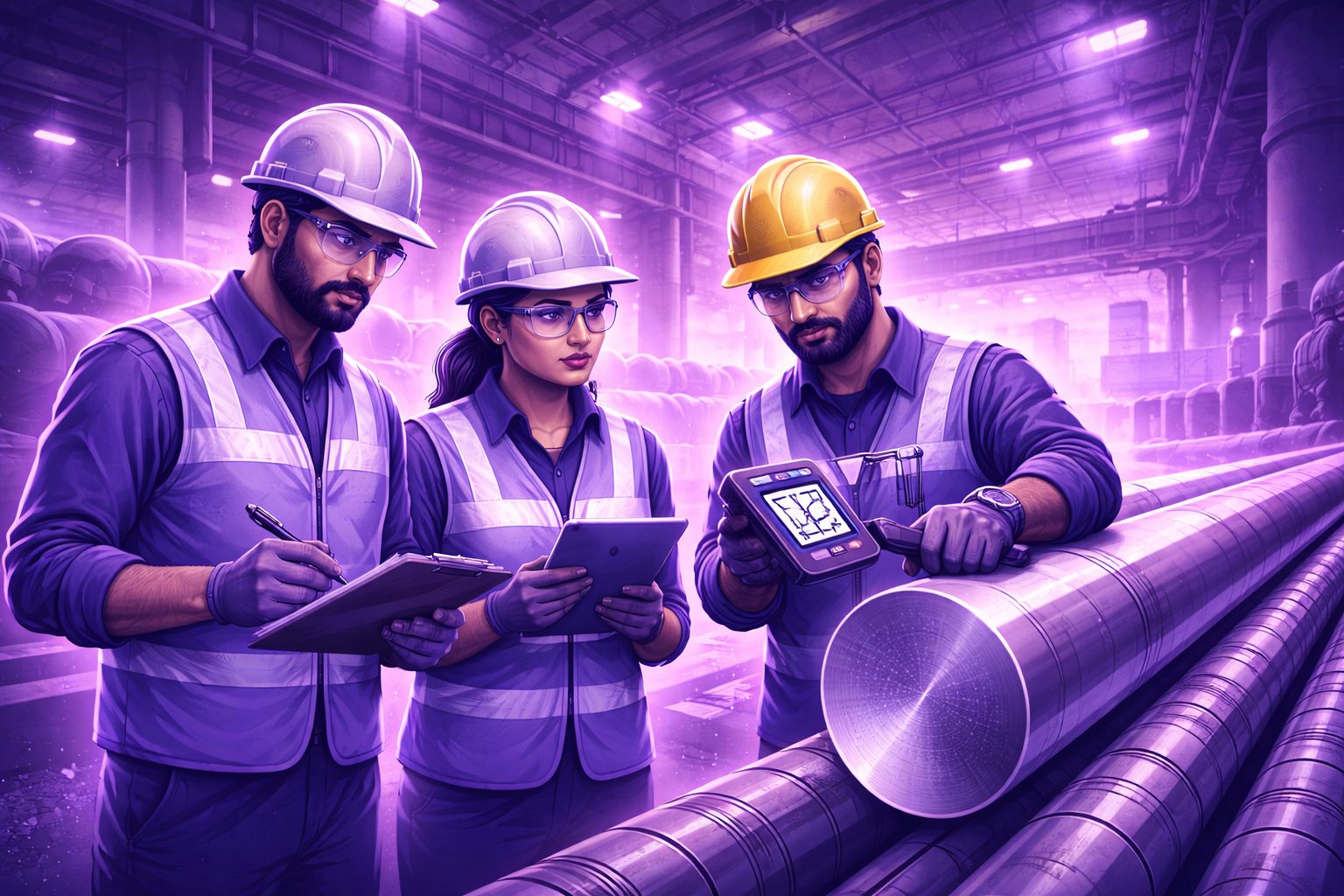
In the Indian steel market, buyers prefer suppliers who understand both the product and its end-use. Product knowledge is not a support function. It is a sales differentiator. Steel procurement teams value suppliers who reduce technical risk and improve cost efficiency.
Understanding steel grades, standards, and applications
Every steel product serves a specific purpose. Suppliers must be clear on:
- Grades and standards: IS codes, BIS specifications, and mechanical properties.
- Applications: Structural, automotive, fabrication, or agricultural use.
- Performance factors: Strength, weldability, corrosion resistance, and durability.
This knowledge helps suppliers recommend suitable products instead of pushing excess inventory.
Matching steel products to end-use
Correct product selection lowers the buyer’s overall cost, not just material price.
| Application | Suitable steel grade | Buyer benefit |
| Low-rise housing | Fe 415 TMT bars | Cost-effective strength |
| High-rise buildings | Fe 500/Fe 500D TMT bars | Higher load-bearing capacity |
| Fabrication work | Mild steel sections | Ease of welding |
Advising the right grade builds trust and speeds up procurement approvals.
Industry-specific pain points
Different industries face different challenges:
- Construction: Delays, site delivery, and quantity accuracy.
- Automotive: Tight tolerances and consistent quality.
- Agriculture: Price sensitivity and seasonal demand.
Suppliers who understand these constraints can tailor offers accordingly.
Speaking the buyer’s technical language
Using correct terminology shortens sales cycles. It positions the supplier as a technical partner, not a trader.
Strong product knowledge also enables cross-selling and upselling, such as offering related steel sections or higher-grade alternatives where appropriate. This increases order value and reduces buyer decision time, leading to faster deal closures.
3. Building credibility and trust

In the Indian steel sector, certifications are not optional. They are a key filter used by procurement teams to reduce supplier risk. Certified suppliers are easier to onboard, easier to audit, and more likely to receive repeat orders.
Why procurement teams prioritise certified steel suppliers
Large buyers follow structured procurement and audit processes. Certifications help them ensure:
- Consistent product quality and traceability.
- Compliance with safety and statutory norms.
- Lower operational and legal risk.
For steel buyers, non-certified suppliers increase audit effort and approval time.
Key certifications and standards
Different raw materials require different credentials.
| Category | Common certifications | Procurement relevance |
| Steel and metals | ISO 9001, BIS, IS codes. | Quality assurance and consistency. |
| Food and agri inputs | FSSAI, Agmark. | Safety and regulatory compliance. |
| Sustainability (where applicable) | Environmental compliance certificates. | ESG and tender eligibility. |
For steel suppliers, familiarity with IS codes and BIS marking is especially important during technical evaluations.
Certifications and pricing power
Certified suppliers are better positioned during price negotiations. Buyers are often willing to pay a slight premium for assured quality and lower risk. Certifications reduce rejection rates, disputes, and rework, which directly benefits procurement efficiency.
Supplier audits and documentation readiness
Procurement audits are common in the steel industry. Buyers assess not only products, but also processes.
Be prepared with:
- Quality manuals and test certificates.
- Previous audit reports, if available.
- Client references and testimonials.
Strong documentation speeds up onboarding and builds credibility. Certifications, backed by audit readiness, signal reliability. They turn a steel supplier into a trusted procurement partner, not just a vendor.
4. Inventory, warehousing, and fulfilment readiness
In the Indian steel sector, stock availability is often the deciding factor in winning or losing a deal. Even competitively priced steel fails to convert if raw material suppliers cannot deliver on time. For procurement teams, unreliable fulfilment increases project risk.
Why inventory readiness matters
Steel buyers expect suppliers to respond quickly to demand spikes. Stockouts lead to:
- Lost orders and damaged buyer trust.
- Project delays at construction or manufacturing sites.
- Higher sourcing costs as buyers switch to alternate suppliers.
Once a supplier fails on availability, recovery is difficult.
Inventory planning using demand signals
Effective inventory planning balances cost and service levels. Suppliers should track:
- Historical sales by product and region.
- Seasonal demand patterns, especially in construction.
- Market indicators such as infrastructure tenders and capex cycles.
| Planning factor | Impact on business |
| Over-stocking | Cash blocked, higher storage cost. |
| Under-stocking | Missed sales, buyer churn. |
| Balanced inventory | Steady cash flow, repeat orders. |
Role of digital tools and maintenance
Basic ERP and inventory software improve visibility and reduce errors. Preventive maintenance of handling equipment and cutting machines avoids unexpected delays that disrupt deliveries.
Logistics, 3PLs, and warehousing strategy
Third-party logistics providers help steel suppliers manage long-distance freight, regional storage, and peak demand. Shared warehousing near consumption centres reduces lead times and freight costs.
Reliable fulfilment becomes a clear USP. Suppliers who deliver consistently gain pricing leverage and preferred-supplier status. Strong inventory discipline also improves cash flow, ensuring sustainable growth in a competitive steel market.
5. Asking the right questions
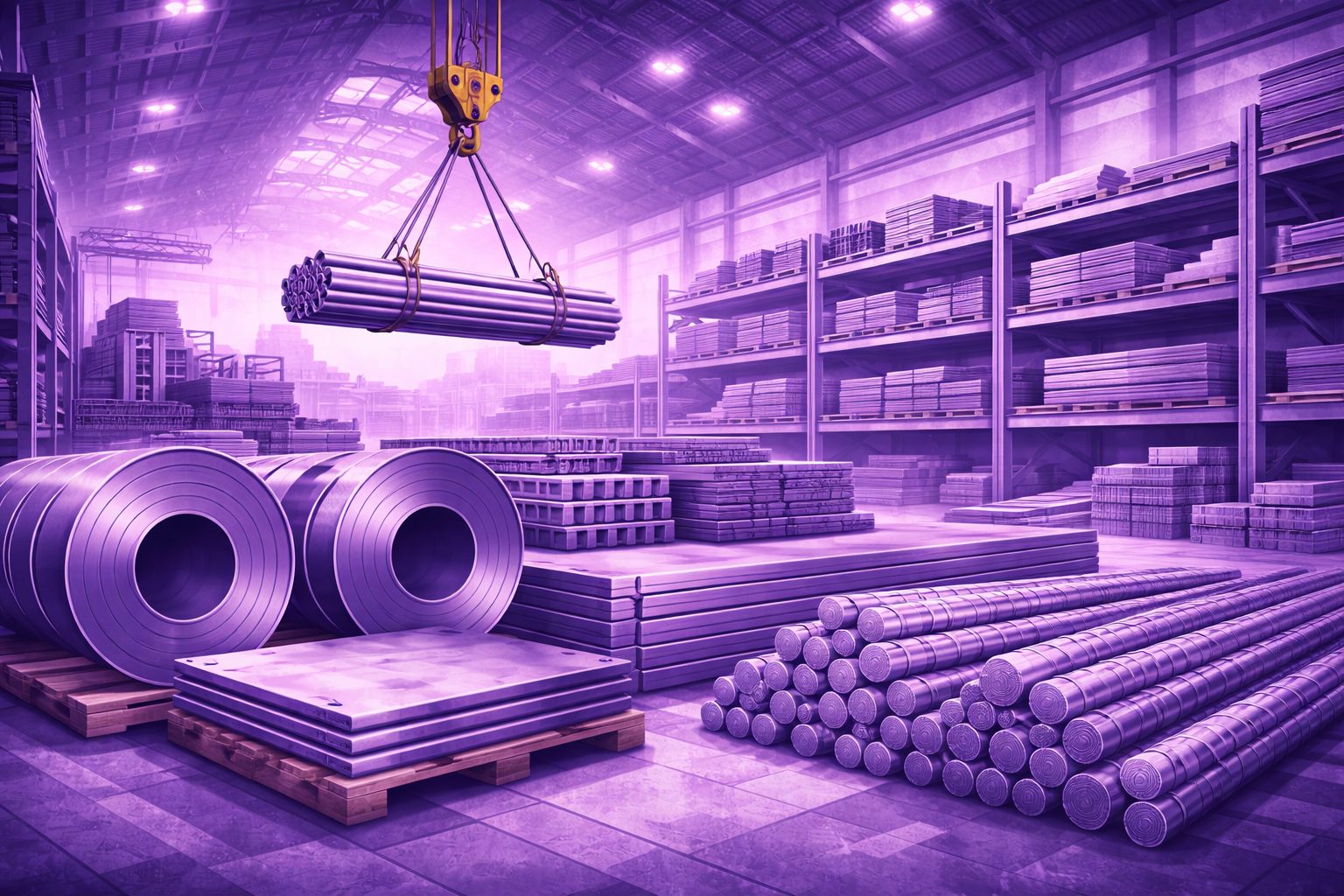
Successful steel procurement relationships are built on transparency. For both buyers and suppliers, unclear commercial terms increase risk. Asking the right questions before closing a deal protects margins, timelines, and working capital.
Why pre-deal clarity matters
In the steel supply chain, disputes often arise from assumptions. Clear discussions upfront help avoid:
- Payment delays and credit disputes.
- Delivery mismatches and site-level rejections.
- Misalignment on quantity, grade, or timelines.
Transparency reduces friction and builds long-term trust.
Qualifying the steel buyer
Not every enquiry is a good fit. Suppliers should assess:
- Order volume: One-time purchase or recurring requirement.
- Buying frequency: Spot buying versus annual contracts.
- Decision authority: Who approves price, quantity, and payments.
This helps suppliers prioritise serious buyers and allocate stock efficiently.
Commercial readiness checklist
Procurement teams expect suppliers to respond clearly and quickly.
| Commercial area | What buyers expect |
| Pricing | Clear base price and validity period. |
| Payment terms | Credit period, advances, or LC terms. |
| Delivery | Lead time and transport responsibility. |
| Taxes and compliance | GST rate, invoicing, e-way bills. |
Managing credit risk and payment discipline
Credit risk is a major concern in steel trading. Suppliers must define credit limits and enforce payment discipline. Delayed payments affect cash flow and inventory cycles.
Clear terms protect both sides. For buyers, they ensure supply continuity. For suppliers, they reduce financial exposure. Strong commercial readiness signals professionalism and positions the supplier as a reliable partner in India’s steel procurement ecosystem.
6. Using digital platforms and marketplaces
Steel procurement in India is becoming increasingly digital. Buyers now research suppliers online before initiating discussions. Relying only on traditional sourcing methods, such as local networks or offline brokers, limits reach and slows growth.
Online discovery versus traditional sourcing
- Digital platforms change how steel buyers evaluate suppliers.
- Wider visibility beyond local markets.
- Faster supplier shortlisting through verified profiles.
- Reduced dependency on personal relationships alone.
This shift is especially visible among organised buyers and large projects.
Why verified marketplaces matter
Verified B2B marketplaces reduce procurement risk and simplify sourcing.
- Buyer and seller verification improves trust.
- Standardised documentation speeds up onboarding.
- Transparent listings improve price clarity.
- Integrated logistics support improves delivery reliability.
These features make digital platforms attractive to procurement teams managing tight timelines.
Key advantages of digital procurement platforms
| Digital feature | Benefit for steel suppliers |
| Pan-India visibility | Access to new regional buyers. |
| Verified credentials | Faster buyer approvals. |
| Data-led insights | Better demand forecasting. |
| Order tracking | Improved fulfilment control. |
Reducing buyer concentration risk
Digital platforms help steel suppliers avoid over-dependence on a few large buyers. Access to multiple industries and regions stabilises revenue and improves negotiation leverage. Digital procurement is no longer optional. Steel suppliers who adopt platform-led sourcing improve visibility, credibility, and resilience in a competitive Indian steel market.
Pricing that works for buyers and suppliers
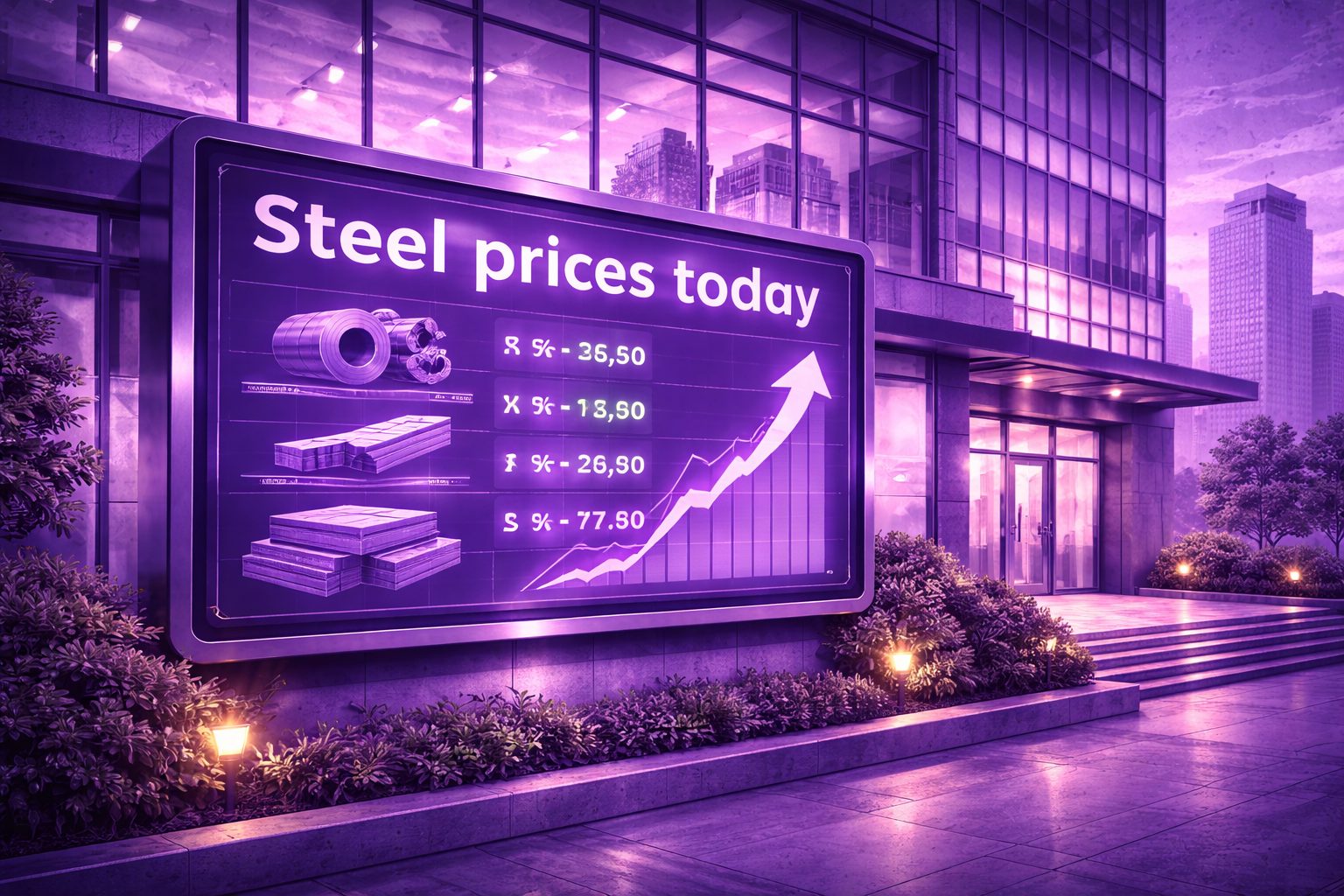
Why the lowest steel price does not always win
In steel procurement, buyers rarely select suppliers based only on price. Procurement teams assess supply risk, delivery timelines, and quality consistency. A supplier offering the lowest rate but failing on delivery or grade accuracy creates downstream losses. As a result, buyers often prefer stable suppliers even at a slightly higher price.
Cost transparency builds more trust than discounting
Heavy discounting may attract attention, but it weakens long-term credibility. Buyers value transparent pricing that clearly explains base steel price, freight, taxes, and validity periods. This clarity helps procurement managers justify supplier selection internally and reduces negotiation friction.
Pricing during steel market volatility
Steel prices in India fluctuate due to iron ore costs, imports, safeguard duties, and energy prices. Fixed pricing without validity exposes suppliers to losses. Dynamic pricing, linked to short validity periods or market benchmarks, protects margins and sets clear expectations for buyers.
Value-based pricing in steel procurement
Value-based pricing reflects more than material cost. Reliable deliveries, faster lead times, flexible logistics, and consistent quality add measurable value for buyers. Suppliers who deliver these benefits gain pricing leverage and preferred supplier status.
Knowing when to walk away from a deal
Not every order is worth accepting. Loss-making deals strain cash flow, disrupt inventory planning, and increase credit risk. Walking away from unviable pricing protects business stability and allows suppliers to focus on sustainable, repeat customers.
A disciplined pricing strategy strengthens negotiations and supports long-term growth in India’s steel supply chain.
Checklist for raw material suppliers in India
| Readiness area | Action checklist |
| Market readiness | Track steel demand by industry and region. Monitor price trends, imports, and duties. Understand regional buying behaviour and logistics costs. |
| Product and compliance readiness | Maintain clarity on steel grades, IS codes, and applications. Hold valid certifications such as ISO and BIS. Keep test certificates and compliance documents ready. |
| Operational readiness | Maintain optimal inventory levels. Use basic ERP or inventory software. Ensure equipment uptime and preventive maintenance. Partner with reliable logistics and warehousing providers. |
| Commercial readiness | Define clear pricing structures and validity periods. Set credit limits and enforce payment discipline. Align GST rates, invoicing, and e-way bill processes. |
| Relationship readiness | Build a portfolio of repeat buyers. Collect client references and testimonials. Follow up consistently and communicate proactively during delays or price changes. |
Conclusion
Steel procurement is risk-averse. Buyers value trust, reliability, and preparedness over short-term pricing. MSME steel suppliers who operate with structure, market insight, and consistency can compete effectively. Long-term supplier relationships, not one-time transactions, define sustainable success in India’s evolving steel supply chain.
Looking to procure steel?
Tata nexarc helps manufacturers, builders and MSMEs source certified steel products, compare prices, and choose the right grade as per IS codes—with complete traceability and procurement confidence.
FAQs
Why is it harder for steel suppliers to win new buyers in India today?
Which industries drive steel demand in India the most?
How does regional demand affect steel sales?
Why are certifications important for steel suppliers?
Which certifications matter most in the steel sector?
How does inventory availability impact procurement decisions?
What payment risks do steel suppliers face?
Why are digital platforms important for steel suppliers?
Do buyers always choose the lowest steel price?
How can MSME steel suppliers become preferred partners?
Sohini is a seasoned content writer with 12 years’ experience in developing marketing and business content across multiple formats. At Tata nexarc, she leverages her skills in crafting curated content on the Indian MSME sector, steel procurement, and logistics. In her personal time, she enjoys reading fiction and being up-to-date on trends in digital marketing and the Indian business ecosystem.