Check Price Now
Table of Contents
- What is the PLI Scheme?
- PLI Scheme 1.0 vs. PLI 1.1 – What changed?
- Sectors covered under PLI
- Companies benefiting from the PLI Scheme
- How MSMEs can finance expansion under PLI
- Application data & approved companies
- Economic & industrial impact
- State-wise MSME opportunities
- Steel export opportunities from India under FTAs
- Challenges & future outlook of the PLI Scheme
- Conclusion
- FAQs
The PLI Scheme for Steel for MSMEs is reshaping the Indian steel industry. India, now the world’s second-largest steel producer with output above 150 million tonnes, is seeing strong demand from infrastructure, EVs, renewable energy, and defence. Yet, high-grade and electrical steel imports remain significant.
The updated Specialty Steel PLI 1.1 Scheme addresses this gap by offering incentives on incremental sales, technology upgrades, and capacity expansion, creating major growth opportunities for both large players and MSMEs across the steel value chain.
What is the PLI Scheme?

The PLI Scheme for Steel is a central government incentive program designed to boost domestic production of high-value specialty steel. It supports India’s goal of reducing imports and strengthening the Indian steel industry roadmap.
Under this scheme, eligible companies receive financial incentives based on incremental sales of domestically manufactured specialty steel over a defined base year.
Scheme duration
Announcement: 2021 (PLI 1.0)
Updated version: January 2025 (PLI 1.1)
Implementation period: FY 2023-24 to FY 2027-28
Incentive disbursement: Based on yearly incremental performance
Difference between PLI 1.0 and PLI 1.1
| Feature | PLI 1.0 | PLI 1.1 (Updated 2025) |
| Budget outlay | ₹6,322 crore | ₹6,322 crore (restructured) |
| Investment threshold | Higher entry barrier | Reduced thresholds for MSMEs |
| Product coverage | 5 specialty categories | Expanded sub-categories |
| MSME participation | Limited | Greater inclusion |
| Focus | Import substitution | Import substitution + export push |
PLI 1.1 was introduced to increase MSME participation and accelerate specialty steel capacity expansion.
Incentive structure
- Incentive range: 4% to 7% of incremental sales
- Calculation: Based on the increase in sales value over the base year
- Applies only to approved specialty steel categories
- Incentive linked to committed investment and production targets
For example, if a company increases eligible steel sales by ₹100 crore over the base year, the incentive is calculated as a percentage of that incremental value.
PLI Scheme eligibility for steel manufacturers
To qualify under the PLI Scheme eligibility for steel manufacturers, companies must:
- Be registered in India
- Manufacture notified specialty steel products
- Meet minimum investment commitments
- Achieve incremental production targets
- Comply with BIS and sectoral quality standards
The scheme supports both large steel producers and MSMEs entering high-grade steel segments such as CRGO, coated steel, and alloy steel.
PLI Scheme 1.0 vs. PLI 1.1 – What changed?
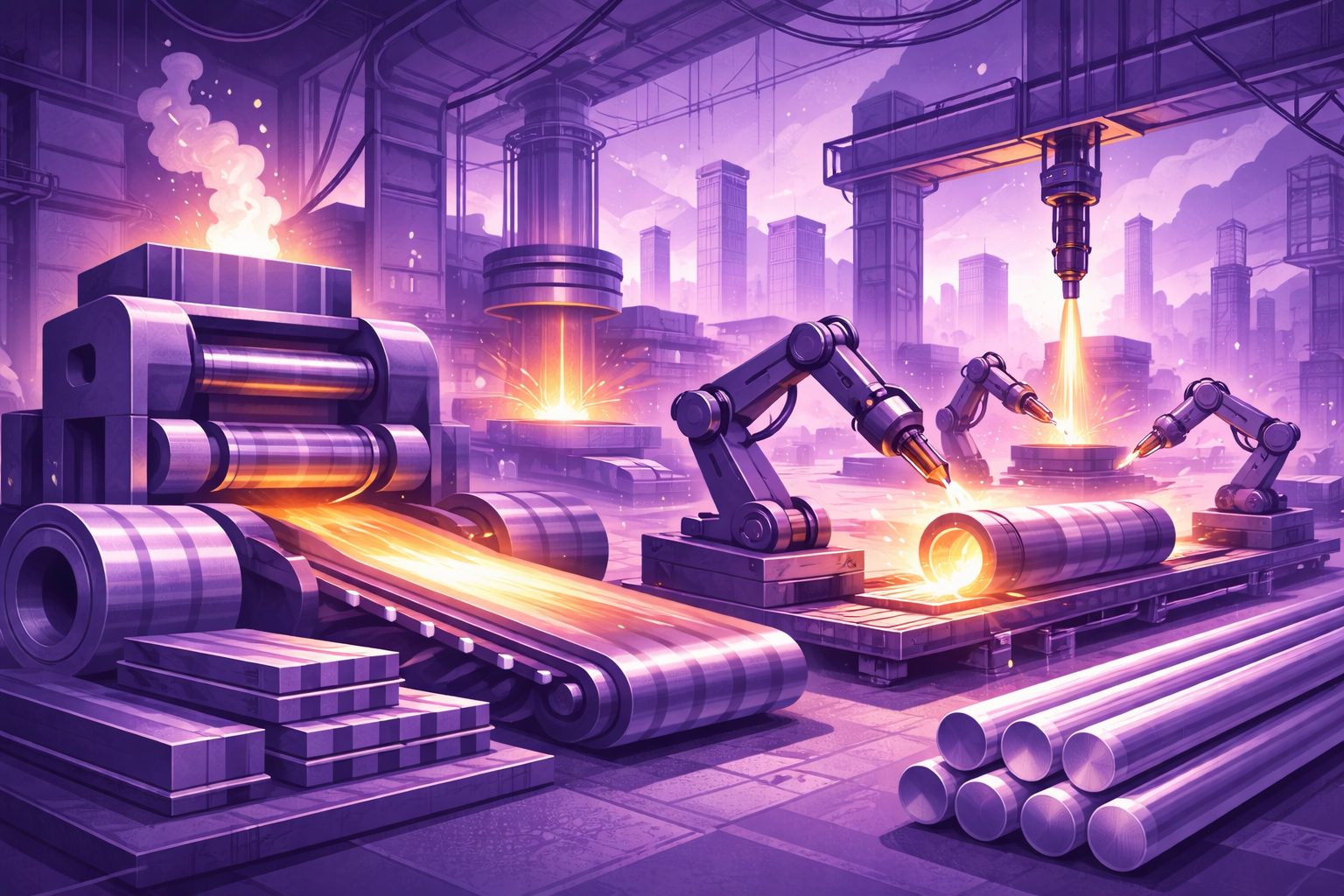
The original PLI Scheme for Specialty Steel (PLI 1.0), launched in 2021, aimed to boost domestic production of high-grade steel. However, higher investment thresholds and limited category flexibility restricted MSME participation.
In January 2025, the government introduced PLI 1.1 with revised guidelines. Investment limits were rationalised, product sub-categories were expanded, and approval processes were streamlined. The updated version focuses on faster capacity addition, greater MSME inclusion, and stronger export competitiveness.
Sectors covered under PLI (Specialty steel categories)
The PLI Scheme for Specialty Steel focuses on high-value steel segments where India still depends on imports. Demand is rising due to infrastructure expansion, EV manufacturing, renewable energy projects, and railway modernisation under the National Infrastructure Pipeline.
| Specialty steel category | 2026 market demand drivers | Import dependence status | MSME opportunity areas |
| Coated/plated steel (GI, galvalume, electro-galvanised) | High demand from housing, appliances, solar structures, and auto sector. | Moderate imports in high-grade coatings. | Galvanising units, colour coating lines, solar mounting structures. |
| High strength/wear-resistant steel | Mining, defence, heavy machinery, construction equipment growth. | Limited domestic advanced grades. | Fabrication, heat treatment, specialised processing. |
| Rail grade steel India | Metro rail expansion, Dedicated Freight Corridors, Vande Bharat trains. | Mostly domestic but upgrading to higher grades. | Component supply, rail fabrication, alloy processing. |
| Alloy steel & steel wires | Auto components, power transmission, oil & gas pipelines. | Select high-end alloys imported. | Wire drawing, fasteners, auto parts manufacturing. |
| Electrical steel (CRGO/CRNO) | EV motor production, transformer demand, renewable energy capacity crossing 200+ GW. | High import dependence, especially CRGO. | Transformer laminations, motor cores, precision cutting, stamping. |
Strong focus area: Electrical steel
CRGO steel production in India remains limited, while transformer demand is rising due to grid expansion.
CRNO demand in 2026 is increasing because of EV motors and energy-efficient appliances. This creates strong opportunities for MSMEs in slitting, stamping, and lamination manufacturing.
The PLI scheme prioritises electrical steel to reduce imports and strengthen India’s position in high-value steel manufacturing.
Companies benefiting from the PLI Scheme
Large integrated steel producers
Major companies such as Tata Steel, JSW Steel, SAIL, and AMNS India are key beneficiaries under the PLI Scheme for Specialty Steel 1.1. They are investing in advanced grades such as coated steel, alloy steel, and electrical steel. Their expansion plans support India’s target of increasing specialty steel capacity to over 40 million tonnes by 2027-28. These players are also modernising plants to improve efficiency, reduce emissions, and meet global quality standards.
MSME steel manufacturers under PLI
The revised PLI 1.1 framework has lowered investment thresholds, enabling greater participation from MSME steel manufacturers under PLI. Smaller firms are entering niche areas such as CRNO processing, precision alloy components, coated steel fabrication, and transformer laminations. MSMEs benefit from incremental sales incentives, technology upgrades, and improved access to finance. This helps them move up the value chain from basic processing to high-grade specialty production.
Downstream steel units in India
The scheme also strengthens downstream steel units in India, including galvanising plants, wire-drawing units, fabrication clusters, and auto-component manufacturers. These businesses supply value-added products to large steel producers and OEMs. As domestic specialty steel output increases, downstream units gain stable raw material access and improved margins.
Supply chain integration opportunities
PLI-driven investments are creating stronger supply chain integration. Large producers are partnering with MSMEs for processing, finishing, and component manufacturing. This reduces import dependence and improves domestic value addition. The result is a more competitive and self-reliant Indian steel ecosystem.
How MSMEs can finance expansion under PLI
Access to capital is critical for MSMEs entering specialty steel segments. Several MSME steel financing options in India can support expansion under the PLI Scheme for steel.
CGTMSE (Credit Guarantee Fund Trust for Micro and Small Enterprises)
CGTMSE enables collateral-free loans for eligible MSMEs. This reduces risk for banks and improves credit access for plant expansion, machinery upgrades, and working capital.
SIDBI Funding Support
SIDBI offers term loans, equipment finance, and cluster-based funding for manufacturing MSMEs. Steel units investing in specialty grades or modern processing lines can access structured financing and advisory support.
State Industrial Subsidies
States such as Odisha, Gujarat, Maharashtra, and Tamil Nadu provide capital subsidies, stamp duty exemptions, power tariff concessions, and SGST reimbursements. These benefits lower project costs for new steel units and downstream processors.
Technology Upgradation Support
Technology Upgradation Fund-type schemes and MSME competitiveness programmes support automation, quality testing labs, and energy-efficient equipment. This helps units meet PLI production and quality benchmarks.
Green Financing Options
With growing focus on Green Steel India, MSMEs can explore sustainability-linked loans, ESG financing, and blended finance for low carbon steel manufacturing upgrades.
Combining PLI incentives with government subsidy for steel MSMEs can significantly reduce expansion costs and improve long-term competitiveness.
Application data & approved companies
The response to the scheme has been strong across both large firms and MSMEs. As per the latest government data under PLI 1.1:
- 79 applications received from 35 companies
- 67 applications approved from 30 companies
- ₹42,500 crore committed investment
- 26 million tonnes projected capacity addition
- Around 70,000 direct and indirect jobs expected
The official PLI specialty steel approved companies list reflects broad participation across integrated producers and specialised manufacturers.
What these numbers indicate
The approved capacity addition of 26 million tonnes is significant. India’s current finished steel consumption is above 130 million tonnes annually and growing at 8-9 per cent per year. The additional specialty capacity will help reduce dependence on imported high-grade steel, especially electrical and alloy steel. It also strengthens India’s goal of reaching 300 million tonnes total steel capacity by 2030.
Regional distribution trends
Most approved projects are concentrated in steel-producing states such as Odisha, Jharkhand, Chhattisgarh, Maharashtra, and Gujarat. Southern states like Tamil Nadu are seeing growth in electrical steel and downstream processing units. This regional spread supports cluster-based development and benefits MSME steel manufacturers under PLI.
Capacity vs. domestic demand
India’s infrastructure pipeline, renewable energy expansion, EV production, and rail modernisation are increasing demand for specialty steel. The planned capacity addition aligns with projected domestic demand growth, while also creating export opportunities.
Economic & industrial impact
Reduction in steel imports
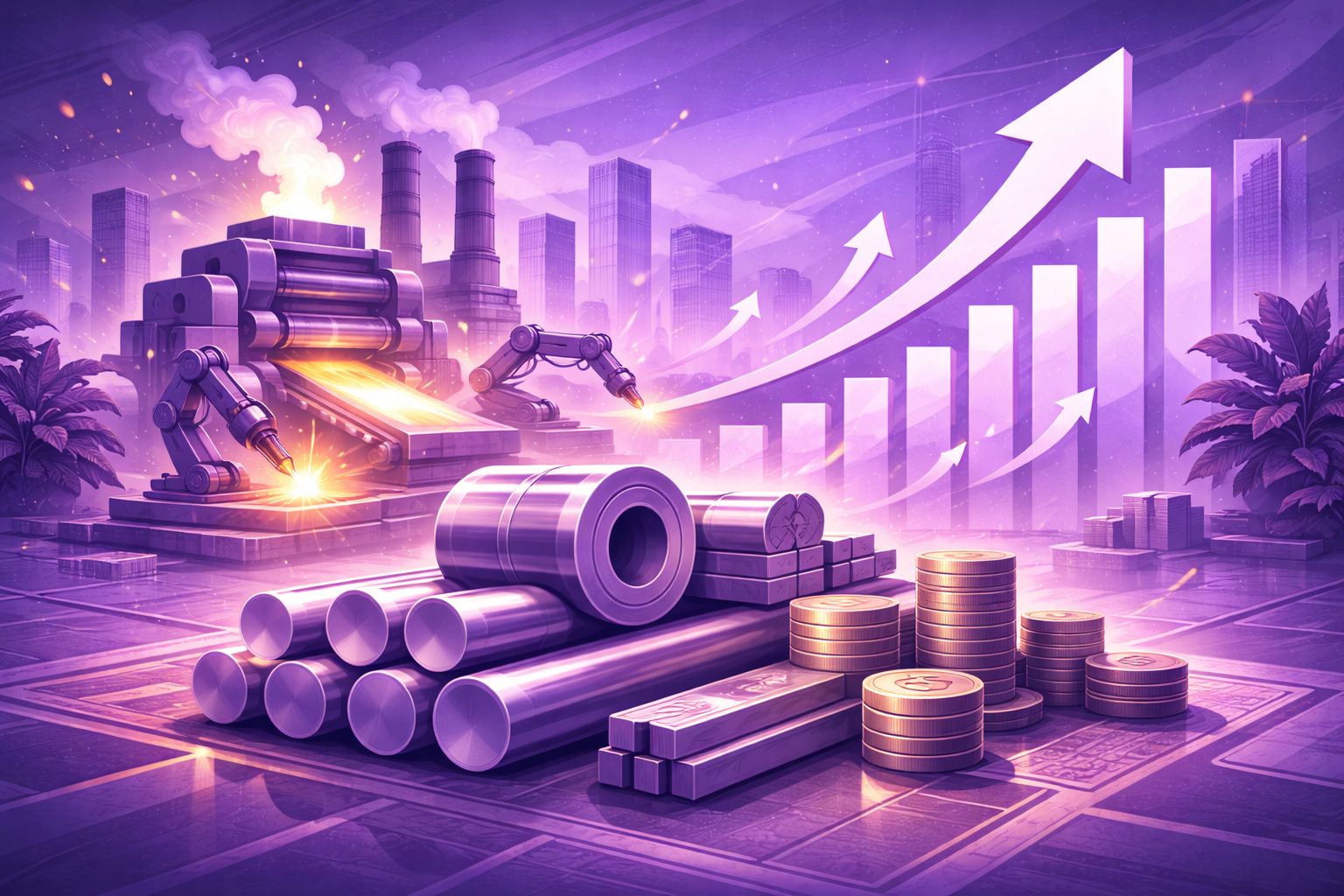
The PLI Scheme is reducing India’s dependence on imported specialty steel, especially CRGO and high-end alloy grades. Domestic capacity addition of 26 million tonnes is expected to substitute a large share of high-value imports. This improves trade balance and strengthens supply security for infrastructure and manufacturing sectors.
Contribution to GDP and industrial growth
The Indian steel industry contributes nearly 2 per cent to India’s GDP and supports construction, automotive, railways, defence, and capital goods. With production capacity targeted to reach 300 million tonnes by 2030 under the National Steel Policy, the PLI scheme plays a direct role in accelerating industrial output and value addition.
Indian steel demand forecast
India’s finished steel consumption crossed 130 million tonnes in 2025 and is projected to grow at 8-9 per cent annually. By 2030, demand could exceed 180-200 million tonnes, driven by urban infrastructure, renewable energy expansion beyond 500 GW targets, EV manufacturing, and logistics corridors.
Steel exports from India 2026
India remains among the top global steel producers. With rising specialty steel output, steel exports from India in 2026 are expected to strengthen in regions such as the Middle East, Southeast Asia, and Africa. High-grade steel exports improve foreign exchange earnings and global competitiveness.
State-level industrial impact
States like Odisha, Jharkhand, Chhattisgarh, Gujarat, and Maharashtra are seeing major investments in specialty steel. This promotes cluster-based development and regional employment growth.
MSME multiplier effect
Increased specialty steel production benefits downstream units such as fabrication, galvanising, wire drawing, and auto-component manufacturing. This creates a strong multiplier effect for MSMEs across the steel value chain.
State-wise MSME opportunities
India’s steel expansion is cluster-driven. MSMEs benefit most when aligned with mineral belts, auto hubs, and port infrastructure.
| State | Key strength | MSME opportunities | Growth drivers (2026) |
| Odisha | Large integrated steel plants, ports. | Downstream processing, fabrication, logistics support. | Export-led growth, capacity expansion. |
| Jharkhand | Iron ore reserves, alloy base. | Alloy steel units, component manufacturing. | Raw material proximity. |
| Chhattisgarh | Sponge iron cluster. | Secondary steel, re-rolling mills, value-added products. | Scrap-based and EAF growth. |
| Maharashtra | Auto & engineering hub. | Coated steel, auto components, precision fabrication. | EV manufacturing expansion. |
| Gujarat | Strong port access. | Galvanising, pipes, structural steel. | Export-oriented production. |
| Tamil Nadu | EV & electronics ecosystem. | CRNO processing, motor laminations. | Electrical steel demand. |
Steel export opportunities from India under FTAs
India’s trade agreements are opening new steel export opportunities from India, especially in specialty segments.
| Trade agreement/ market | Opportunity for steel sector | MSME relevance |
| UAE CEPA | Reduced tariffs on value-added steel. | Access to Middle East construction demand. |
| Australia ECTA | Preferential duty access. | Alloy and specialty steel exports. |
| EU Trade Talks | Long-term market access (subject to CBAM compliance). | Requires low-carbon steel upgrades. |
| Middle East infrastructure boom | High demand for structural and coated steel. | Fabricated and finished steel exports. |
Key export drivers (2026-2030)
- Infrastructure growth in GCC nations
- Renewable energy and grid expansion
- Diversification away from traditional suppliers
With rising specialty steel capacity under PLI 1.1, both large producers and MSMEs can scale exports while strengthening domestic supply chains.
Challenges & future outlook of the PLI Scheme
The PLI Scheme for Specialty Steel is transforming the sector, but structural challenges remain. In 2026, global trade rules, carbon regulations, and raw material volatility are shaping the future of the Indian steel industry.
| Key challenge | Current situation (2026) | Impact on large companies | Impact on MSMEs | Future outlook & policy direction |
| CBAM impact on Indian steel exports | The EU’s Carbon Border Adjustment Mechanism (CBAM) requires carbon reporting and may impose tariffs on high-emission steel exports. | Large exporters must invest in emission tracking and cleaner production. | MSMEs supplying exporters must comply with carbon disclosure norms. | Increased focus on carbon accounting and low-emission processes to protect steel exports from India in 2026 and beyond. |
| Carbon emissions & Green steel India | Steel sector accounts for around 10-12 per cent of India’s industrial emissions. | Integrated plants are investing in hydrogen trials and electric arc furnaces. | Smaller units face cost pressures for technology upgrades. | Government push for Green Steel India standards and incentives for low carbon steel manufacturing. |
| Green steel funding mechanisms | Transition requires high capital investment. | Access to sustainability-linked loans and green bonds. | Limited financing access. | Policy support via green finance schemes, blended finance, and ESG-linked credit lines. |
| Raw material security | Dependence on imported coking coal; iron ore availability varies by region. | Large players secure long-term contracts and captive mines. | MSMEs affected by price volatility. | Focus on domestic coal gasification, scrap-based production, and circular steel economy. |
| Regulatory & clearance delays | Environmental approvals and land acquisition slow expansion. | Delays impact large-scale capacity additions. | Smaller firms face compliance complexity. | Digital single-window clearance systems and faster approvals expected. |
Conclusion
The PLI Scheme for Steel for MSMEs creates major growth opportunities in the Indian steel industry 2026. Specialty Steel PLI 1.1 supports capacity expansion, technology upgrades, and green manufacturing. MSMEs that enter value-added segments and integrate with larger supply chains can gain long-term competitiveness as India moves towards 300 million tonnes steel capacity by 2030.
Looking to procure steel?
Tata nexarc helps manufacturers, builders and MSMEs source certified steel products, compare prices, and choose the right grade as per IS codes—with complete traceability and procurement confidence.
FAQs
How does the PLI scheme benefit the steel industry specifically?
What is the PLI Scheme for Specialty Steel?
What is the difference between PLI 1.0 and PLI 1.1?
Who is eligible under the PLI Scheme for Steel?
What is the incentive rate under the scheme?
Does the PLI scheme support MSME steel manufacturers?
Which specialty steel categories are covered?
How does PLI reduce steel imports in India?
What are MSME steel financing options in India under PLI?
How will CBAM impact Indian steel exports?
A product manager with a writer's heart, Anirban leverages his 6 years of experience to empower MSMEs in the business and technology sectors. His time at Tata nexarc honed his skills in crafting informative content tailored to MSME needs. Whether wielding words for business or developing innovative products for both Tata Nexarc and MSMEs, his passion for clear communication and a deep understanding of their challenges shine through.