Check Price Now
Table of Contents
Across Indian shop floors, ISMB, the Indian Standard Medium Weight Beam, often appears on purchase requests with little debate. Yet choosing between ISMB 150, 200, or 300 can significantly affect material requirements, project costs, and structural performance.
A quick look at common ISMB sizes and their typical applications shows why:
| Size (mm) | Typical MSME use case |
| ISMB 100 | Light racks, mezzanine walkways. |
| ISMB 150 | Medium-duty plant platforms, conveyor frames. |
| ISMB 200 | Warehouse columns, modest crane girders. |
| ISMB 250+ | Heavy industrial sheds, load-bearing machinery brackets. |

Technical properties such as weight per metre, section modulus, and permissible tolerances are defined by the relevant Indian Standards and BIS specifications. On paper, every mill follows them. In practice, stockists may mix batches or round off weights, which can create discrepancies in quantity checks and procurement calculations.
A Gujarat-based textile plant offers a cautionary example. The team accepted beams without mill test certificates to save two days on delivery. When an auditor requested compliance records six months later, the absence of traceable documents forced a retrofit that cost more than the original order.
Procurement leads therefore treat each ISMB lot like critical spare parts: demand the certificate pack upfront, verify the supplied weight against the ISMB weight chart, and log any variance in the vendor scorecard. Skipping these steps may save time today but can lead to re-fabrication, warranty claims, and insurance disputes later.
The commercial angle is just as important. Steel prices can fluctuate, and even a small change in the price per kilogram of ISMB can affect an MSME’s project cost. Comparing ex-stock prices with mill-direct quotes, while accounting for freight and GST, gives buyers greater clarity before finalising the order quantity.
In short, ISMB is never a “simple” line item. The right specification affects both structural performance and procurement cost, so every beam deserves the same scrutiny applied to high-value machinery.
ISMB weight chart: A field-ready reference for MSME buyers
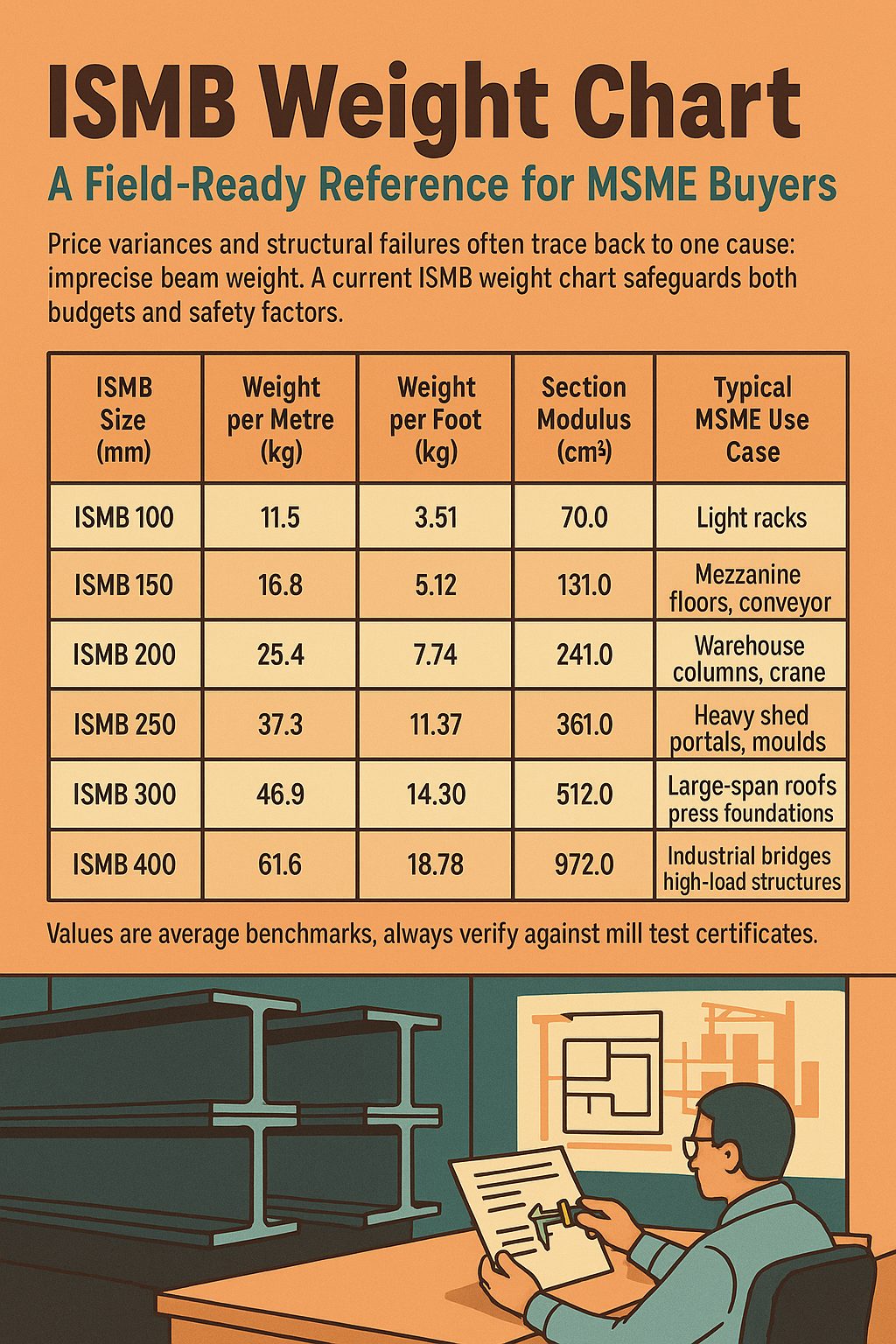
Price variations and billing mismatches can often result from incorrect or unclear beam weight references. A reliable ISMB weight chart helps MSME buyers estimate material weight, compare quotations, and plan procurement more accurately. The table below lists common ISMB sizes with weight per metre, approximate weight per foot, and section properties for quick reference.
| ISMB Size (mm) | Weight per metre (kg) | Weight per foot (kg) | Section modulus Zzz (cm³) | Typical MSME use case |
|---|---|---|---|---|
| ISMB 100 | 8.95 | 2.73 | 36.4 | Light racks, catwalks. |
| ISMB 150 | 14.96 | 4.56 | 95.7 | Mezzanine floors, conveyor frames. |
| ISMB 200 | 24.17 | 7.37 | 211 | Warehouse columns, crane girders. |
| ISMB 250 | 37.30 | 11.37 | 410 | Heavy shed portals, mould bases. |
| ISMB 300 | 46.02 | 14.03 | 599 | Large-span roofs, press foundations. |
| ISMB 400 | 61.55 | 18.76 | 1,310 | Industrial bridges, high-load structures. |
Values are reference values only. Always verify the exact section designation, dimensions, weight, and applicable tolerances with the supplier, manufacturer, and relevant test documentation.
Why exact weight matters more than unit rate
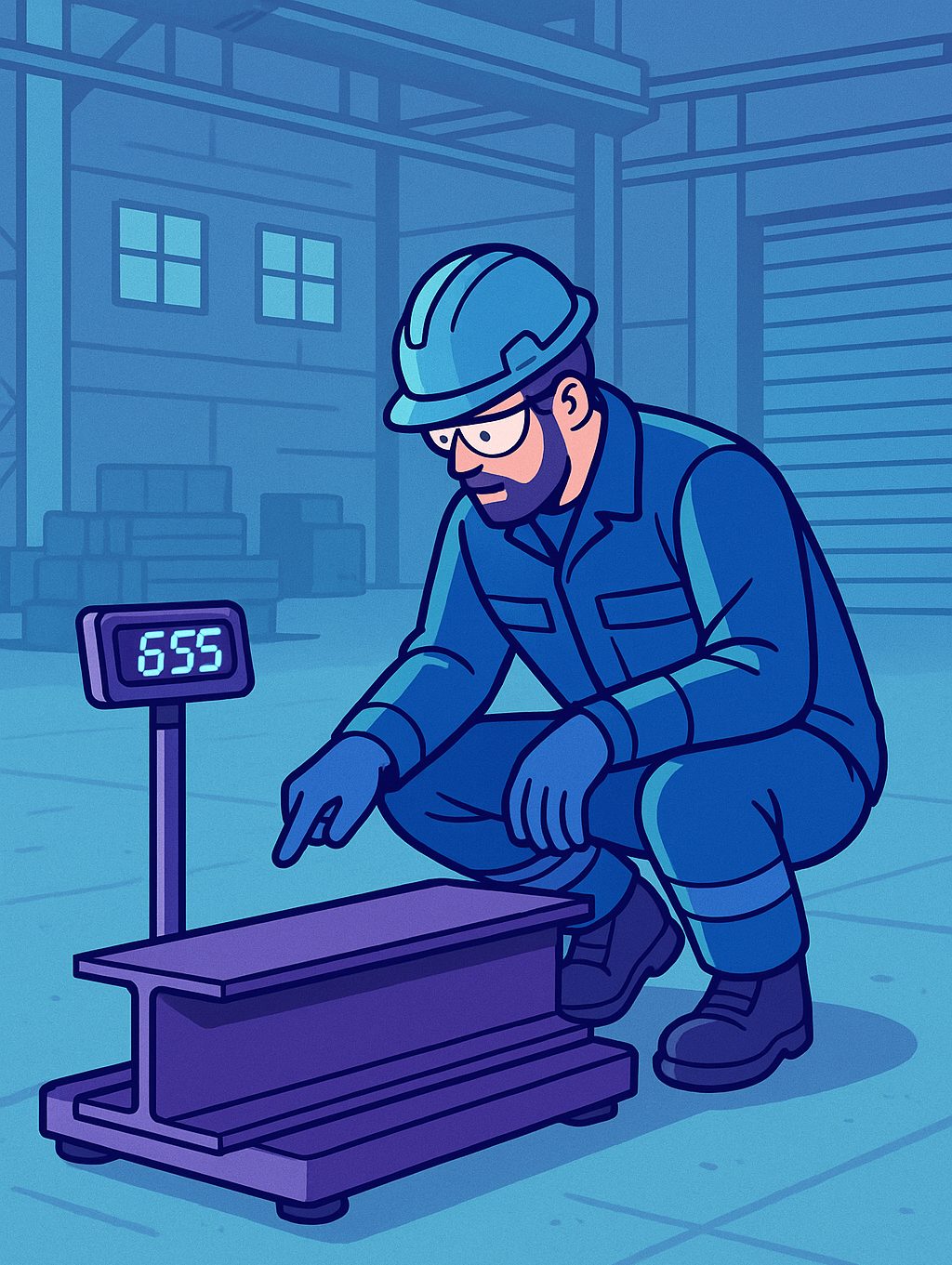
A sourcing team in Coimbatore recently locked an ISMB 300 lot at what seemed a favourable price. The beams arrived with a lower weight per metre than the specified reference value. Freight slips still matched the order, but the discrepancy raised concerns about whether the supplied section met the required specification and structural requirements. Rectification can involve additional checks, revised fabrication plans, and project delays.
This example underlines a common misstep. Many MSMEs focus on the rupee-per-kilogram metric, yet ignore the hidden cost of incorrect or out-of-spec beam sections:
- Higher scrap and rework
- Billing and quantity reconciliation issues when supplied weight differs from the agreed basis
- Insurance complications if structural claims arise
In Indian MSME procurement, this often gets overlooked because delivery timelines dominate the conversation. A better approach places weight verification on the pre-dispatch checklist, alongside mill test certificates and dimensional and weight tolerance checks.
On-site validation routine
- Random weigh check – Select representative pieces from the batch, use a calibrated weighing method, and compare the result with the applicable section weight and permissible tolerance.
- Dimensional cross-measure – Gauge flange width and web thickness with vernier calipers; record deviations.
- Documentation correlation – Match heat numbers on the beam to the mill test certificate and e-invoice.
- Variance escalation – Flag differences beyond the applicable permissible tolerance or agreed procurement specification to the vendor before the material enters production.

Integrating weight checks into the RFQ
A well-built RFQ does more than list sizes:
- States the exact section designation and reference weight per metre, such as ISMB 200 or ISMB 300, as part of the technical specification.
- Requires suppliers to confirm the applicable section standard, weight per metre, and relevant tolerance requirements with the quote.
- Requires suppliers to disclose applicable rolling or dimensional tolerances and finish requirements, where specified.
- Links payment release to documented confirmation of the agreed section, weight, and quality requirements.
Here’s where many sourcing teams lose margin unknowingly: they accept stockist quotes that omit tolerance bands. Without that line, the supplier can legally ship lighter (or heavier) beams, shifting risk to the buyer.
Key takeaways for MSMEs
- Use the weight table above as a procurement and receiving checkpoint, not just a desktop reference.
- Tie ISMB weight calculations to every cost sheet; they affect freight, billing, and scrap estimates.
- Verify the MTC and other required documentation against the supplied section and purchase specifications.
- Incorporate clear weight, tolerance, and billing-basis clauses in contracts to reduce disputes before dispatch.
By treating weight validation as integral to procurement, MSMEs convert a simple chart into a frontline control measure—one that preserves structural integrity and financial health in equal measure.
Sourcing ISMB: Supplier evaluation and documentation essentials
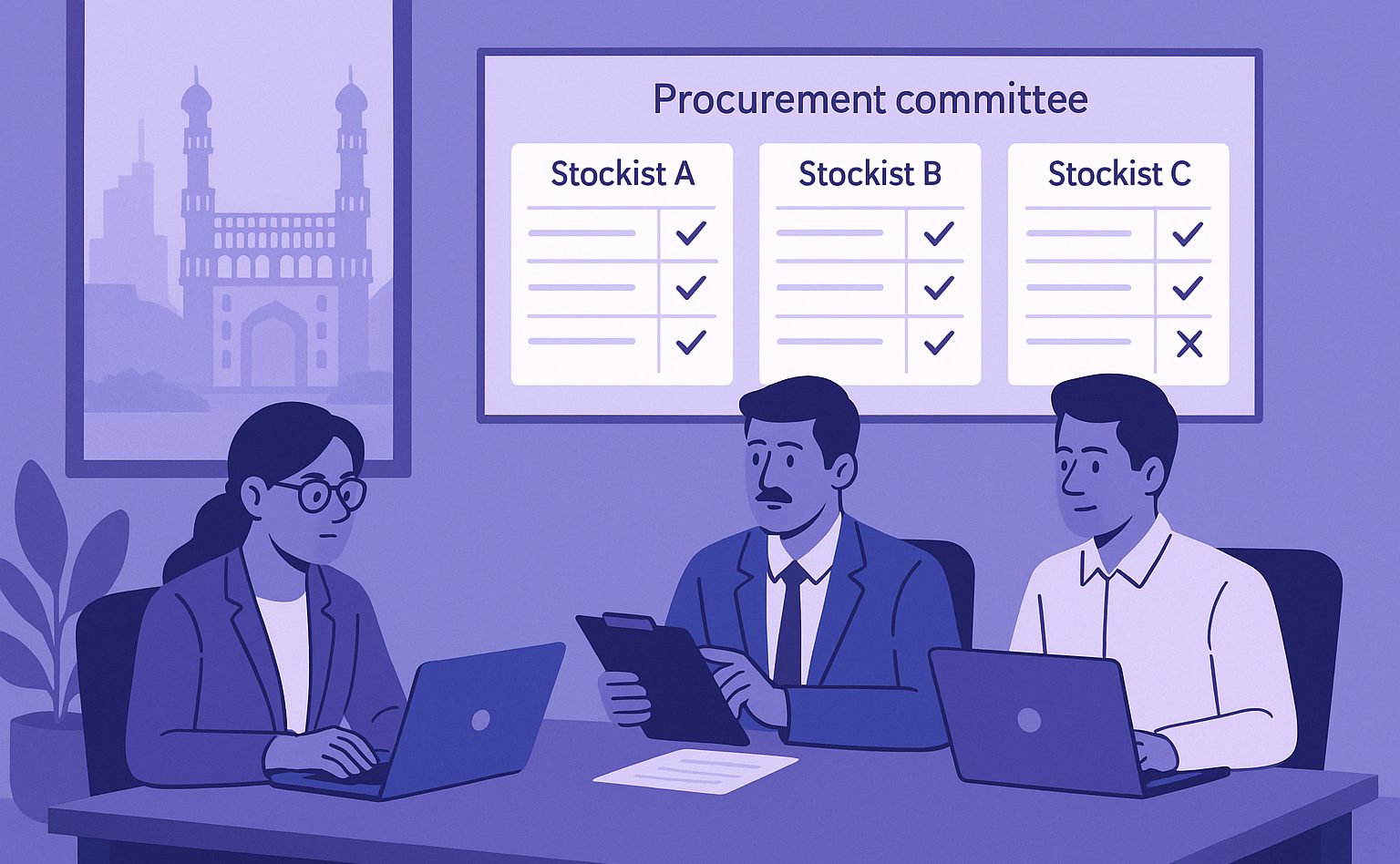
Vendor vetting sets the tone for every tonne of steel that follows. In Indian MSME procurement, the safest quote on paper can still unravel if a supplier cannot provide traceable material and documentation. Begin with a structured vendor evaluation matrix that considers three key factors – documentation quality, delivery performance, and price competitiveness. Suppliers who perform well only on price can create hidden costs through compliance issues or late dispatches.
Documentation
Documentation comes first. Insist on a Mill Test Certificate (MTC) with traceable heat or batch details, where applicable; missing documentation can create issues during quality checks, audits, and claims. Include the applicable section designation, weight reference, and tolerance requirements as annexures or specifications in the purchase order. For stockists supplying material from multiple sources, ask for documentation that establishes material traceability. This step may feel bureaucratic, yet it helps MSMEs reduce the risk of receiving material that does not match the agreed specification.
Delivery performance
Delivery performance ranks next. Evaluate suppliers on recent delivery performance, not just anecdotal feedback. A firm that meets promised dates for ISMB 200 yet frequently splits consignments or delays deliveries for ISMB 300 can create cash-flow pressure and crane idle time. Capture such nuances in the vendor matrix rather than relying on one overall score.
Price stability
Price stability deserves its own lens. Track ISMB quotations and regional steel price movements over time. A supplier who widens margins when market prices fall may still deliver on schedule but erode project profitability. Counter this risk by agreeing on a clear pricing basis or price-adjustment mechanism, particularly for large or long-duration orders.
MSME use case: For example, a machine shop may add documentation quality as a separate criterion in its vendor matrix rather than selecting suppliers only on price. This can help procurement teams identify traceability or compliance gaps before placing a large order, reducing the risk of material rejection, production delays, or rework.
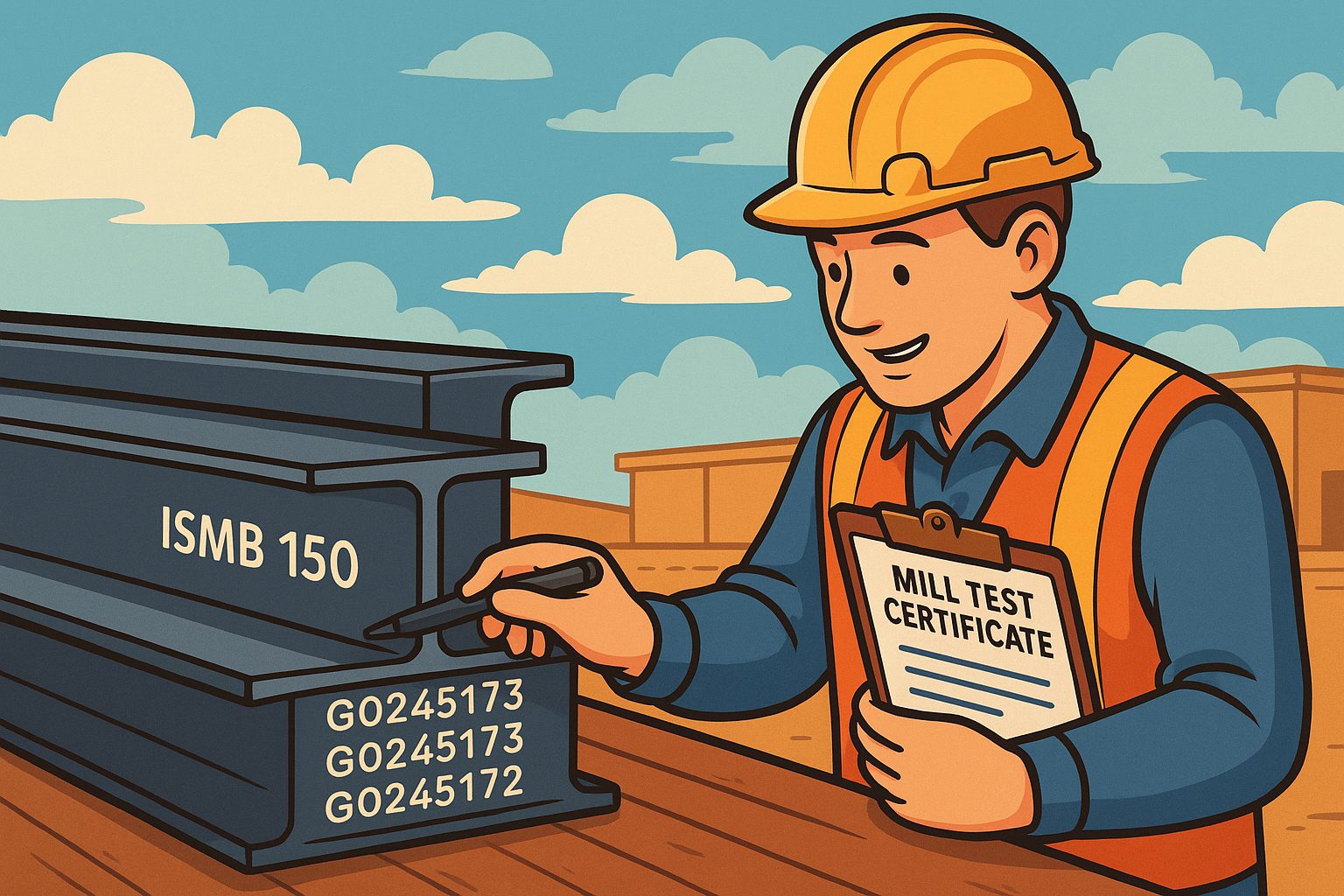
A rigorous evaluation framework, supported by documentation checkpoints and tracked performance metrics, can shift ISMB sourcing from a price-driven exercise to a more controlled supply process – one that better supports audits, market changes, and project deadlines.
Comparing ISMB supply models: Ex-stock vs. made-to-order
Most MSME buyers typically choose between two supply models when sourcing ISMB beams. Ex-stock beams are available in a dealer’s yard and can be dispatched quickly, depending on stock availability. Made-to-order beams are produced against specific requirements after the buyer confirms the section, grade, quantity, and other specifications. The difference may look simple on paper, but its impact on cost, lead time, and documentation can be significant.

Ex-stock works best for urgent repairs and tight shutdown windows. Dealers often carry popular profiles such as ISMB 150, ISMB 200, and ISMB 250, allowing faster dispatch depending on stock availability. The trade-off can be material traceability and consistency when stock comes from multiple lots or sources. Protect the budget by checking the supplied section, weight, and available traceability documents against the purchase specification before acceptance.
Made-to-order suits large-volume requirements, specific project specifications, or less commonly stocked sections. Lead times are typically longer because production and dispatch depend on mill schedules and order requirements. However, made-to-order supply can provide greater control over the agreed section, grade, quantity, and documentation. Payment terms and advance requirements vary by supplier and order conditions, so buyers should account for the cash-flow impact before placing the order.
A balanced plan rarely relies on just one model. Use ex-stock for small, time-critical quantities, and consider made-to-order supply when project specifications, quantity requirements, or documentation needs require greater control. Document performance for each lot, feed the results into your vendor matrix, and review supplier pricing and performance regularly to keep procurement decisions competitive.
Preventing cost overruns and order rejection in ISMB procurement
Unexpected weld plates, crane standby costs, and overtime crews can wipe out a project margin when delivered beams deviate from specification. An incorrect ISMB 200 weight or a lower-than-specified ISMB 300 weight can create discrepancies during quality checks, lead to re-fabrication, and delay project approvals.
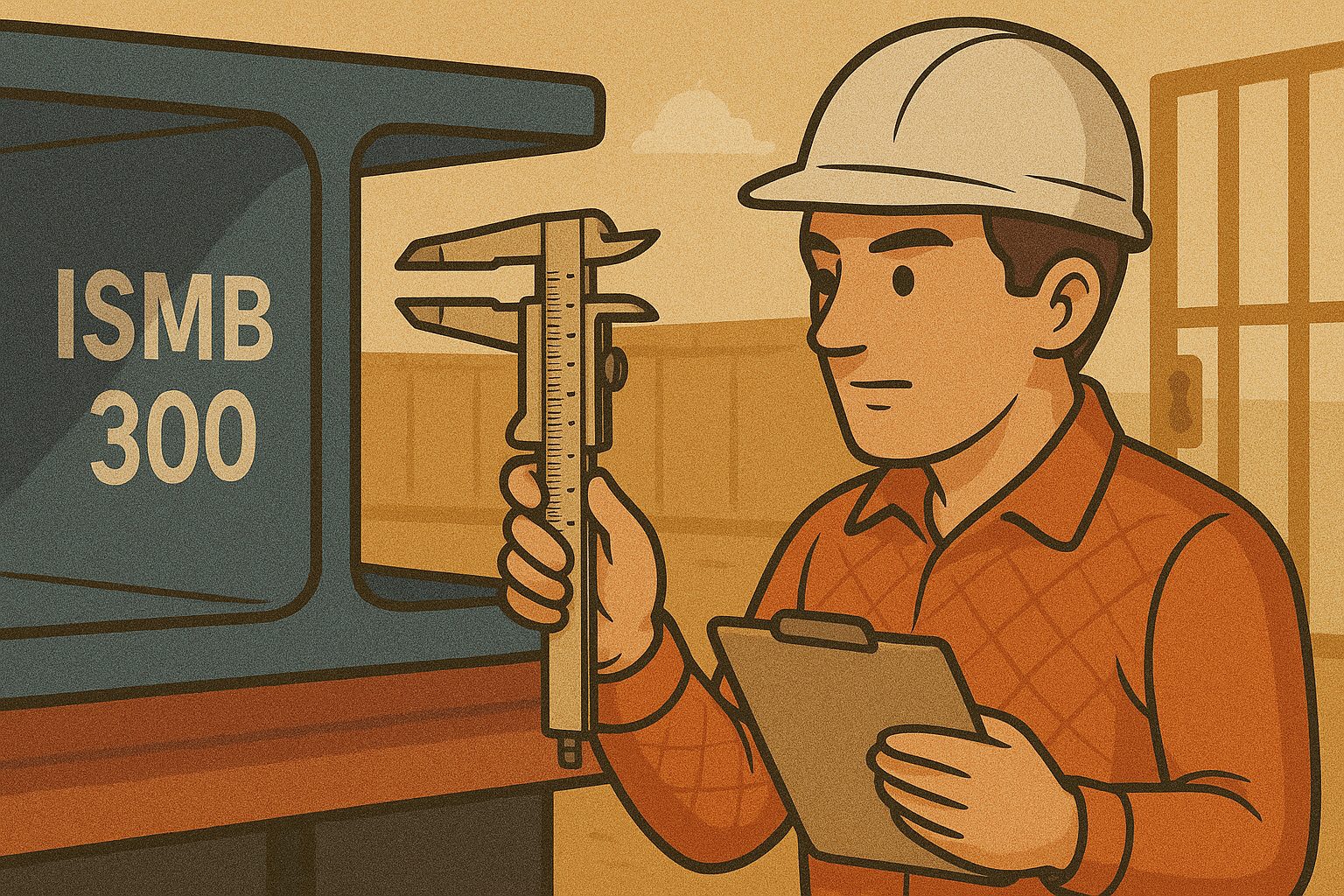
Seasoned buyers rely on three guardrails.
- Pre-load dossier review: Request the available MTC, section details, and other agreed quality documents before dispatch. Missing or inconsistent documentation can indicate gaps in material traceability.
- Weight and dimensional checks: Use a sampling and inspection process defined in the PO, project specification, or internal QC procedure. Compare the supplied material against the specified section weight and applicable permissible tolerances, and investigate significant deviations before acceptance.
- Finance control loop: Tie payment release to agreed documentation, invoice details, delivery records, and material verification requirements. This creates a clearer audit trail and helps resolve billing or quantity disputes.
MSME use case: A fabrication business that introduces pre-dispatch document checks and material verification can identify specification mismatches before fabrication begins, helping reduce the risk of rework, material rejection, and project delays.
Conclusion
Small choices at the purchase desk can affect the entire project. A beam that arrives outside the specified weight or dimensional requirements can lead to additional checks or rework, while missing test documentation can delay quality approvals. Experienced buyers manage these risks by ensuring that every batch of ISMB meets three basic conditions: the supplied section matches the purchase specification, the material grade meets project requirements, and the supporting documentation matches the material supplied.
For example, a project team handling a large ISMB order can use defined sampling and acceptance procedures to identify material that does not meet the agreed specification before it enters fabrication. The team can then hold or return the affected material and request replacement or clarification from the supplier.
The result is simple: early verification may cause a short delay at receiving, but it can help prevent more expensive rework, rejection, and project disruption later.
Such discipline can bring wider benefits. Clear material traceability and documentation can support insurance, audit, and dispute-resolution processes. Production managers also gain greater confidence when the supplied material has been checked against the required specifications.
The lesson is simple: treat structural steel as a critical project input, not just a commodity. Build weight validation, document control, and supplier evaluation into the everyday workflow. What begins as an extra check during receiving can help reduce rework, improve procurement control, and support smoother project execution.
Looking to procure steel?
Tata nexarc helps manufacturers, builders and MSMEs source certified steel products, compare prices, and choose the right grade as per IS codes—with complete traceability and procurement confidence.
FAQs
What is the difference between ISMB and ISMC beams?
How can I identify counterfeit mill test certificates for steel beams?
Are there government incentives for MSMEs sourcing ISMB beams in bulk?
What software tools help automate beam weight verification on-site?
How does ISMB weight impact transportation costs and logistics planning?
Can ISMB beams be safely reused or recycled in other projects?
What are common causes of ISMB beam weight discrepancies in supply chains?
How often are ISMB standards updated by BIS, and where can I find the latest charts?
What training do shop floor staff need for accurate beam inspection?
Are there environmental or sustainability certifications for ISMB suppliers in India?
Ananya Mittal blends a background in data science with a passion for writing, contributing to Tata Nexarc’s efforts in creating insightful, data-informed content for MSMEs. Her work focuses on exploring sector-specific challenges and opportunities across procurement, logistics, and business strategy. She is also involved in leveraging analytics to strengthen content performance and deliver actionable insights to India's growing B2B ecosystem.