
 Check Price Now
Table of Contents
- Company background and evolution
- Rungta Steel’s plant network
- Chaliyama Steel Plant, Jharkhand
- Karakhendra Steel Plant, Odisha
- Dhenkanal Steel Plant, Odisha
- Ferro Alloy Division, Meramandal
- Karakolha Sponge Iron Plant & Kamanda Steel Plant
- Why insights on Rungta Steel plants matter
- Rungta Steel’s mine operations & raw material security
- Conclusion
- FAQs
Rungta Steel plants are a cornerstone of India’s integrated steel ecosystem, combining mining, sponge iron, ferro alloys, and finished steel production. This scale ensures consistent quality, supply reliability, and cost efficiency, making Rungta a preferred supplier for infrastructure, housing, and industrial projects.
For steel producers and buyers, understanding Rungta’s manufacturing footprint is essential. Insights into plant locations, capacities, and product specialisation help manage procurement risks, plan long-term sourcing, optimise logistics, and make informed decisions on project execution in today’s competitive steel market.
Company background and evolution
Rungta Steel’s journey reflects the transformation of India’s steel sector from resource-led operations to fully integrated manufacturing. Founded in 1962, the company began with a strong focus on iron ore mining in eastern India. Over the decades, it expanded steadily to meet rising domestic demand driven by infrastructure, housing, and industrial growth.
Key milestones in Rungta Steel’s evolution
1960s-1980s: Entry into iron ore mining in Odisha and Jharkhand, securing long-term raw material access.
1990s-2000s: Expansion into sponge iron and billets, reducing dependence on external suppliers.
2010 onwards: Development of integrated steel plants, ferro alloy units, and downstream rolling facilities.
Recent years: Capacity expansion aligned with national infrastructure programmes and urban development.
Transition to integrated steelmaking
Rungta Steel evolved from a mining-led company into an integrated steel producer in India. Captive mines now feed sponge iron plants, which supply steelmaking units using Electric Arc Furnaces (EAF). Finished products are produced through continuous casting and advanced rolling mills, ensuring consistency and scale.
Technology and sustainability focus
- Adoption of energy-efficient EAFs and continuous casting systems.
- Use of waste heat recovery and renewable power sources.
- Water recycling and emission control measures across plants.
Compared with many secondary producers, Rungta Steel’s manufacturing capacity and operational depth provide stronger supply security and quality control for Indian steel buyers.
Plant-wise capacity and products: Quick reference
| Rungta Steel plant | Location | Installed capacity (approx.) | Key products | Primary end-use sectors |
| Chaliyama Steel Plant | Jharkhand | 1.2 million MTPA | TMT bars, structural steel, galvanised steel, HR & CR coils. | Construction, infrastructure, fabrication. |
| Karakhendra Steel Plant | Odisha | 0.8 million MTPA | TMT bars, billets, angles, channels. | Housing, industrial structures, fabrication. |
| Dhenkanal Steel Plant | Odisha | 1.5 million MTPA | Hot rolled coils, TMT bars, steel plates. | Infrastructure, automotive, EPC projects. |
| Ferro Alloy Division, Meramandali | Odisha | 0.25 million MTPA | Ferrochrome, ferromanganese, silicomanganese. | Steelmaking, specialised alloy grades. |
| Karakolha Sponge Iron Plant | Odisha | 0.9 million MTPA | Sponge iron. | EAF steelmaking, captive consumption. |
| Kamanda Steel Plant | Odisha | 0.7 million MTPA | Billets, TMT bars, structural steel. | Infrastructure, construction, fabrication. |
Rungta Steel’s plant network: Strategic manufacturing footprint
Why Jharkhand and Odisha dominate plant locations
Rungta Steel plant locations are concentrated in Jharkhand and Odisha due to their rich mineral reserves. These states account for a large share of India’s iron ore production, making them ideal for steel manufacturing. Locating plants close to resources reduces dependency on long-distance raw material transport.
Proximity to mines and logistics efficiency
Most Rungta Steel manufacturing units are located near captive iron ore and coal sources. This proximity lowers freight costs, improves delivery timelines, and reduces supply disruption risks. Rail and road connectivity in eastern India further supports efficient movement of raw materials and finished steel.
Capacity clustering and product specialisation
Rungta Steel follows a clustered capacity approach. Sponge iron, ferro alloys, billets, and rolling mills operate within connected zones. Each plant specialises in specific products such as TMT bars, structural steel, coils, or alloys. This improves operational efficiency and quality consistency.
Role in regional and national supply chains
As one of the key steel plants in Odisha and Jharkhand, Rungta Steel supports infrastructure, construction, and manufacturing across eastern and central India. The network strengthens local employment while feeding national steel demand.
Why location strategy matters to buyers
Plant location directly impacts pricing stability, lead times, and raw material security. Rungta Steel’s strategic footprint offers buyers greater supply reliability than many dispersed secondary producers.
Chaliyama Steel Plant, Jharkhand – Flagship facility
The Chaliyama Steel Plant is one of the most important Rungta Steel Jharkhand facilities. It anchors the company’s construction-grade steel supply for eastern and northern India. Its scale, technology, and location make it a preferred source for infrastructure and real estate projects.
Plant overview and capacity
| Parameter | Details |
| Location | Chaliyama, Jharkhand. |
| Installed capacity | ~1.2 million MTPA. |
| Key products | TMT bars, structural steel, galvanised steel, HR and CR coils. |
| Certifications | ISO 9001 and quality management systems. |
Technology and manufacturing capabilities
The plant operates advanced rolling mills supported by continuous casting. Dedicated galvanising lines ensure uniform coating and corrosion resistance. Process automation improves dimensional accuracy and batch consistency, which is critical for large project supplies.
Role in construction and infrastructure supply
As a major TMT bars manufacturer in Jharkhand, Chaliyama serves:
- Residential and commercial construction
- Roads, bridges, and metro projects
- Industrial sheds and warehouses
Its high-strength TMT bars are designed for seismic resistance and long-span structures, supporting modern building requirements.
Raw material and logistics advantage
The plant benefits from proximity to iron ore sources in Jharkhand. This reduces freight costs and stabilises input quality. Strong rail connectivity enables faster dispatch to key consumption centres.
Quality benchmarks and standards
Products are manufactured to meet IS 1786 and relevant Indian standards. Regular in-house testing ensures consistency in yield strength, elongation, and chemical composition, giving buyers confidence in structural performance.
Karakhendra Steel Plant, Odisha – Sustainability-led production
The Karakhendra Steel Plant is a key Rungta Steel Odisha facility, known for balancing scale with environmental responsibility. It supports regional construction demand while aligning with India’s tightening sustainability and compliance expectations.
Plant overview and capacity
| Parameter | Details |
| Location | Karakhendra, Odisha. |
| Installed capacity | ~0.8 million MTPA. |
| Key products | TMT bars, billets, angles, channels. |
| Core focus | Energy efficiency and resource optimisation. |
Environmental initiatives in practice
Sustainability at Karakhendra goes beyond compliance. The plant operates closed-loop water recycling systems, reducing freshwater intake. Dust suppression units and emission control equipment are installed across material handling zones.
Key initiatives include:
- Water reuse in cooling and processing
- Slag recovery and by-product utilisation
- Controlled emission systems for cleaner operations
Energy efficiency and waste management
Heat recovery systems capture waste energy from production processes. This lowers overall power consumption and reduces operating costs. Efficient waste handling improves material yield and limits landfill disposal.
Operational outcomes for buyers
- More stable production costs during power price volatility
- Improved supply continuity during peak demand periods
- Consistent product quality due to process stability
Regional and supply chain importance
Located close to Odisha’s mineral belt, the Karakhendra Steel Plant benefits from lower inbound freight costs. Strong road and rail connectivity supports timely deliveries across eastern and central India.
As part of sustainable steel manufacturing in India, the plant strengthens Rungta Steel’s long-term reliability for infrastructure and industrial buyers.
Dhenkanal Steel Plant, Odisha – Multi-sector supply hub
The Dhenkanal Steel Plant is one of Rungta Steel’s most versatile manufacturing units. It functions as a multi-sector supply hub, serving infrastructure, automotive, and industrial buyers across India.
Plant overview and capacity
| Parameter | Details |
| Location | Dhenkanal district, Odisha. |
| Installed capacity | ~1.5 million MTPA. |
| Key products | Hot rolled coils, TMT bars, steel plates. |
| Core strength | Product flexibility and volume scalability. |
Product flexibility and customisation
As a leading hot rolled coils manufacturer in Odisha, the plant offers multiple grades and thickness ranges. Rolling schedules can be adjusted to meet project-specific requirements, making it suitable for EPC-led infrastructure contracts.
Customisation capabilities include:
- Grade and size optimisation
- Batch-wise production for large projects
- Consistent surface finish and dimensional control
Technology stack: casting to rolling
The plant operates continuous casting machines integrated with modern rolling mills. This setup improves yield, reduces defects, and ensures uniform mechanical properties. Automated process controls support consistent output at high volumes.
Relevance to infrastructure and automotive sectors
The Dhenkanal Steel Plant supplies steel for:
- Roads, bridges, and metro projects.
- Industrial structures and fabrication units.
- Automotive components and ancillary manufacturing.
Why EPC buyers prefer this plant
Reliable project supply depends on volume assurance and delivery discipline. Dhenkanal’s scale, captive raw material access, and logistics connectivity support phased dispatches and tight project timelines.
As an infrastructure steel supplier in India, the plant offers buyers predictability, quality consistency, and execution confidence.
Ferro Alloy Division, Meramandali – Backbone of steel quality
The Ferro Alloy Division at Meramandali is a critical part of Rungta Steel’s integrated operations. While often overlooked, this unit directly influences the strength, durability, and consistency of finished steel products supplied to Indian buyers.
Plant overview and capacity
| Parameter | Details |
| Location | Meramandali, Odisha. |
| Key products | Ferrochrome, ferromanganese, silicomanganese. |
| Role | Alloy supply for captive steelmaking. |
| Strategic value | Quality control and grade stability. |
Why ferro alloys matter in steel grades
Ferro alloys are added during steelmaking to improve mechanical and chemical properties. At Meramandali, alloy composition is tightly controlled to support:
- Higher tensile and yield strength
- Improved wear and corrosion resistance
- Better weldability and formability
This consistency is essential for producing TMT bars, structural steel, and specialised grades used in infrastructure and industrial applications.
Environmental and process controls
The division operates advanced submerged arc furnaces with emission control systems. Dust collection units and slag handling processes minimise environmental impact while improving material recovery.
Downstream integration benefits for buyers
As a ferro alloy manufacturer in Odisha integrated with steel plants, Rungta Steel reduces reliance on external alloy suppliers. This delivers:
- Stable alloy chemistry across batches
- Lower exposure to alloy price volatility
- Predictable steel performance at project sites
Within an integrated steel value chain, Meramandali strengthens product reliability, giving buyers confidence in long-term quality and supply continuity.
Karakolha Sponge Iron Plant & Kamanda Steel Plant – Supporting units
The Karakolha Sponge Iron Plant and Kamanda Steel Plant form the backbone of Rungta Steel’s internal supply chain. While less visible than flagship rolling units, these plants play a vital role in stabilising production volumes and input quality across the network.
Plant overview and capacity
| Parameter | Karakolha Sponge Iron Plant | Kamanda Steel Plant |
| Location | Karakolha, Odisha. | Kamanda, Odisha. |
| Installed capacity | ~0.9 million MTPA. | ~0.7 million MTPA. |
| Key output | Sponge iron. | Billets, TMT bars, structural steel. |
| Primary role | Feedstock for EAF steelmaking. | Downstream finished products. |
Role of sponge iron in EAF steelmaking
Sponge iron is a critical input for electric arc furnace (EAF) operations. Consistent quality sponge iron improves melt control, reduces energy consumption, and supports uniform steel chemistry. Karakolha’s captive production reduces dependence on volatile merchant supply.
Key benefits include:
- Lower exposure to raw material price swings
- Improved steel quality consistency
- Better furnace efficiency and output control
Kamanda’s contribution to finished steel supply
As a billet and TMT manufacturer in Odisha, Kamanda converts semi-finished steel into construction-ready products. Modern casting and rolling systems ensure dimensional accuracy and structural reliability.
Efficiency, location, and supply stability
Both plants are located near raw material sources and connected logistics corridors. This reduces freight costs and improves dispatch reliability. Together, they strengthen secondary steel production in India by ensuring steady input flow and finished product availability.
For buyers, these supporting units translate into predictable supply, fewer disruptions, and consistent project execution.
Why insights on Rungta Steel Plants matter to Buyers and producers
Understanding where and how steel is produced is no longer optional for Indian buyers and producers. Plant-level insight directly impacts cost control, compliance, and project execution. The table below links Rungta Steel plant data to real procurement outcomes.
| Decision area | Why plant knowledge matters | Buyer and producer impact |
| Procurement planning | Knowing plant capacities and product focus helps buyers plan volumes and phase-wise sourcing. | Fewer shortages, better contract alignment, and smoother project execution. |
| Quality assurance | Plant-specific processes and in-house testing define product consistency. | Reduced rejection rates and improved structural performance on site. |
| Logistics and lead time | Location influences freight cost, transit time, and delivery reliability. | Faster dispatches and predictable material availability. |
| Price stability and risk mitigation | Captive mines, sponge iron, and ferro alloy units lower exposure to market volatility. | Stable pricing during raw material and energy cost fluctuations. |
| Compliance and certifications | Certifications and process control vary by plant and product line. | Easier statutory approvals and audit readiness. |
For steel supplier evaluation in India, Rungta Steel stands out due to its integrated footprint and location-driven efficiency. Buyers assessing how to select a steel manufacturer benefit from understanding which Rungta plants align with their project scale, compliance needs, and delivery timelines. This level of plant-specific insight is what turns steel sourcing from a price-driven decision into a strategic advantage.
Rungta Steel’s mine operations & raw material security
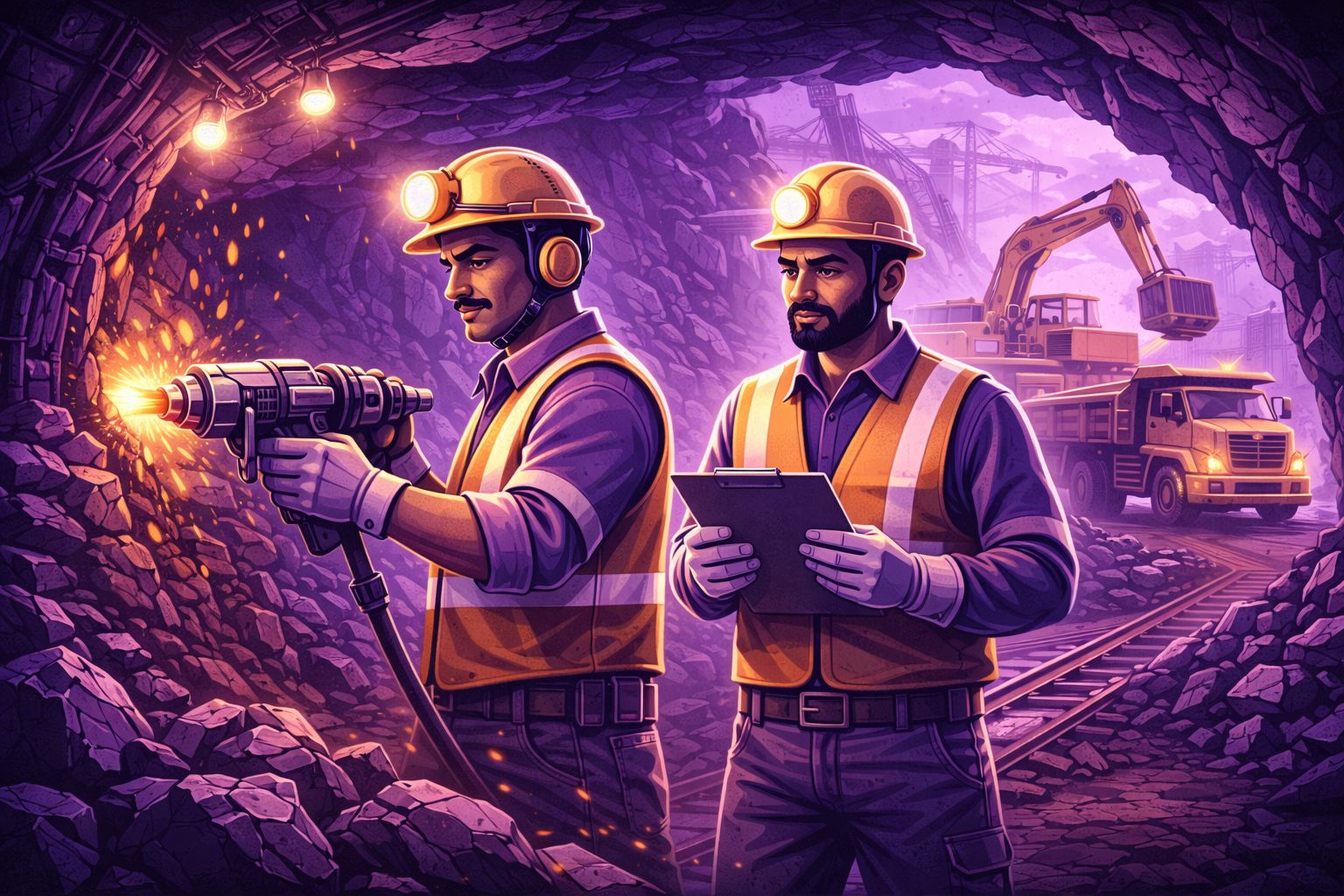
Rungta Steel’s mine operations are central to its integrated steelmaking model. Captive iron ore mines ensure a steady and reliable supply of core raw materials, reducing dependence on market purchases and external suppliers.
List of key iron ore mines
Rungta Steel operates several high-grade iron ore mines located close to its manufacturing units:
- Gomardih Iron Ore Mine, Sundergarh, Odisha
- Nuagaon Iron Ore Mine, Keonjhar, Odisha
- Jajang Iron Ore Mine, Barbil, Odisha
- Chaliyama Iron Ore Mine, Jharkhand
These mines support sponge iron plants and steelmaking units across the company’s network.
Vertical integration and operational control
As one of the captive mining steel companies in India, Rungta Steel controls the flow of raw materials from extraction to finished steel. This integration improves quality consistency and production planning across plants.
Cost control and supply continuity
Captive mining lowers exposure to iron ore price spikes, auction volatility, and supply disruptions. Freight costs are reduced due to shorter transport distances, improving overall cost efficiency.
Protection against market volatility
For buyers, raw material security translates into:
- More stable steel pricing
- Fewer supply interruptions during market swings
- Better contract reliability for long-duration projects
By linking mining directly to manufacturing, Rungta Steel iron ore mines play a critical role in protecting buyers from input cost uncertainty and delivery risks.
Conclusion: Rungta Steel’s position in India’s steel future
Rungta Steel plants showcase the strength of an integrated steel producer built for India’s evolving demand. Captive mines, diverse manufacturing units, and efficient logistics provide supply stability and quality consistency. This plant network supports infrastructure, industrial, and construction projects with predictable output. For buyers and producers, understanding Rungta Steel’s operational footprint enables smarter procurement, better risk control, and long-term sourcing confidence.
Looking to procure steel?
Tata nexarc helps manufacturers, builders and MSMEs source certified steel products, compare prices, and choose the right grade as per IS codes—with complete traceability and procurement confidence.
FAQs
What are Rungta Steel plants?
Where are the main Rungta Steel plants located?
What products do these plants specialise in?
Why are these locations chosen?
How does Rungta Steel ensure quality?
What role does the Ferro Alloy Division play?
Why is Karakolha Sponge Iron Plant important?
ow do these plants support buyers and EPC projects?
What advantages does vertical integration provide?
How can buyers use this plant information?
A product manager with a writer's heart, Anirban leverages his 6 years of experience to empower MSMEs in the business and technology sectors. His time at Tata nexarc honed his skills in crafting informative content tailored to MSME needs. Whether wielding words for business or developing innovative products for both Tata Nexarc and MSMEs, his passion for clear communication and a deep understanding of their challenges shine through.


Never heard about this company before. Good to know about its presence but seems operating in mines primarily.
I wonder if Rungta has considered exporting more of their products. With their high production capacities, they could make a significant mark internationally.