Check Price Now
Table of Contents
- What is an alloy?
- Categories of steel in India
- Common elements in alloy steel
- Manufacturing alloy steel
- Types of alloy steel (high vs. low alloy)
- Applications of steel alloys
- Overview of the steel alloy market in India (2025)
- Procurement guide for steel alloys
- Quality standards and testing requirements in India
- Sustainability, green steel, and future trends in India
- Conclusion
Steel alloys are widely used in construction and machinery. Steel itself is an alloy of iron and carbon. When other metals are added to steel, the result is alloy steel. These alloys offer extra strength and resistance. They are used in ships, pipelines, vehicles, and chemical equipment.
India is the world’s second-largest steel producer in 2025. Demand for alloy steel is rising due to growth in infrastructure, electric vehicles, railways, defence, and manufacturing. Projects such as Bharatmala, Gati Shakti, and Vande Bharat drive the need for stronger and more durable steel. The PLI scheme for specialty steel is also boosting domestic production.
India is moving towards cleaner steelmaking with more scrap use, electric arc furnaces, and early green hydrogen trials. These changes affect how alloy steel is made and sourced in the country.
What is an alloy?
An alloy is a material made by combining two or more metals. This improves strength, durability, or corrosion resistance. For example, sterling silver is an alloy of silver and copper.
In India, alloys are used across construction, automotive, machinery, and engineering. Many common steel grades follow BIS standards, such as IS 4432 for alloy steels and IS 6911 for stainless steels. Indian industries also use alloy steels like EN19, EN24, and 42CrMo4, which mix iron, carbon, chromium, and molybdenum to improve hardness and toughness.
These alloys help meet the performance needs of modern Indian infrastructure and manufacturing.
Categories of steel in India
| Steel type | What it is | Key BIS standards (India) | Common uses in India | 2025 market notes |
| Carbon steel | Iron mixed with carbon. Hardness increases with carbon content. Classified as low, medium, and high carbon steel. | IS 2062 (structural steel), IS 1786 (TMT bars), IS 1570 (carbon steel grades). | Construction, TMT bars, structural beams, pipelines, machinery parts. | High demand due to infrastructure growth and housing projects. |
| Tool steel | Steel with carbon, tungsten, chromium, vanadium, and molybdenum. Very hard and wear-resistant. | IS 717 and IS 7293 (tool and die steels). | Cutting tools, dies, moulds, drilling tools, machine parts. | Growing use in automotive tooling and precision manufacturing. |
| Stainless steel | Steel with chromium, nickel, and molybdenum (11–30%). High corrosion resistance. | IS 6911 (stainless steel plate/sheet), IS 1570 (stainless steel grades). | Food processing, kitchenware, medical tools, rail coaches, and consumer goods. | Strong demand from railways and consumer durables. |
| Alloy steel | Steel mixed with other metals for strength, toughness, or corrosion resistance. | IS 4432 (alloy steel), IS 1570 (alloy steel grades). | Auto components, rail axles, defence parts, energy equipment, heavy machinery. | High growth in EVs, metro rail, defence, and engineering sectors. |
What is alloy steel?
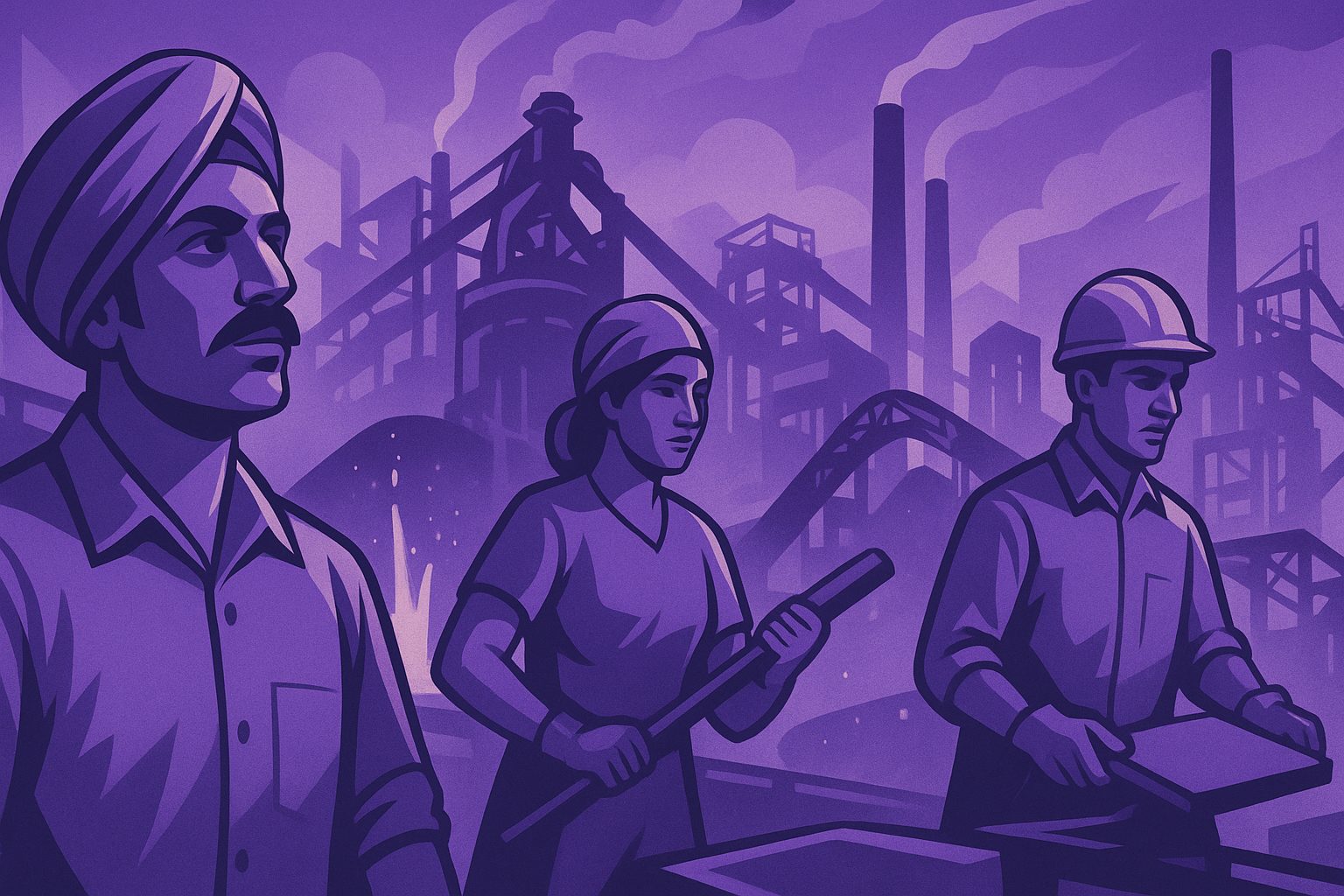
Alloy steel is made by adding metal or non-metal elements to carbon steel. These additions change the steel’s strength, toughness, hardness, and corrosion resistance. The mechanical properties vary based on the elements used and their proportions.
Common alloy steel grades in India (2025):
- EN19 – Used for shafts, gears, and automotive parts.
- EN24 – Used for high-strength components and heavy machinery.
- 42CrMo4 – Used in rail axles, oil and gas equipment, and defence parts.
Supply and raw material considerations:
- India depends on imports for key alloying elements such as nickel, cobalt, and molybdenum.
- A large share of these imports come from China, South Africa, and Indonesia.
- This import dependence affects price stability and availability for Indian manufacturers.
Government and market trends (2025):
- The PLI Scheme for specialty steel is boosting local production of high-value alloy steels.
- Indian steelmakers are increasing value addition to reduce import dependence.
- Demand is rising from automotive, EVs, railways, defence, and engineering sectors.
Common elements in alloy steel
Aluminium: Makes steel lighter and helps in forming complex shapes.
Lead: Improves machinability for faster and cleaner cutting.
Chromium: Adds resistance to rust, stains, scratches, and wear.
Manganese: Improves strength, ductility, and high-temperature performance.
Copper: Supports precipitation hardening and improves corrosion resistance.
Nickel: Increases strength and corrosion resistance, especially in harsh environments.
Silicon: Boosts strength and enhances magnetic properties.
Vanadium: Improves toughness, fatigue resistance, and shock resistance.
Tungsten: Adds hardness and heat resistance for high-temperature applications.
Other elements: Nitrogen, boron, sulphur, cobalt, molybdenum, titanium, bismuth, selenium, tellurium, zirconium, and niobium are used in smaller amounts to achieve specialised properties.
Manufacturing alloy steel
| Process | Explainer |
| Blast Furnace – Basic Oxygen Furnace (BF–BOF) | India’s main route for large-scale alloy steel; ensures consistent quality for automotive, infrastructure and engineering uses. |
| Electric Arc Furnace (EAF) | Growing rapidly due to scrap recycling; supports flexible and lower-carbon alloy steel production. |
| Induction Furnace (IF) | Common in MSMEs; cost-effective method for producing construction and general engineering alloy steels. |
| Hydrogen-Ready DRI | Plants shifting from coal/gas DRI to hydrogen-compatible systems to enable future green-steel production. |
| Increased scrap-based steelmaking | Supported by government policies to reduce emissions and reduce dependence on iron ore. |
| AI & IoT in steel plants | Used for predictive maintenance, automated quality checks, and real-time process optimisation in Indian steel mills. |
Types of alloy steel (high vs. low alloy)
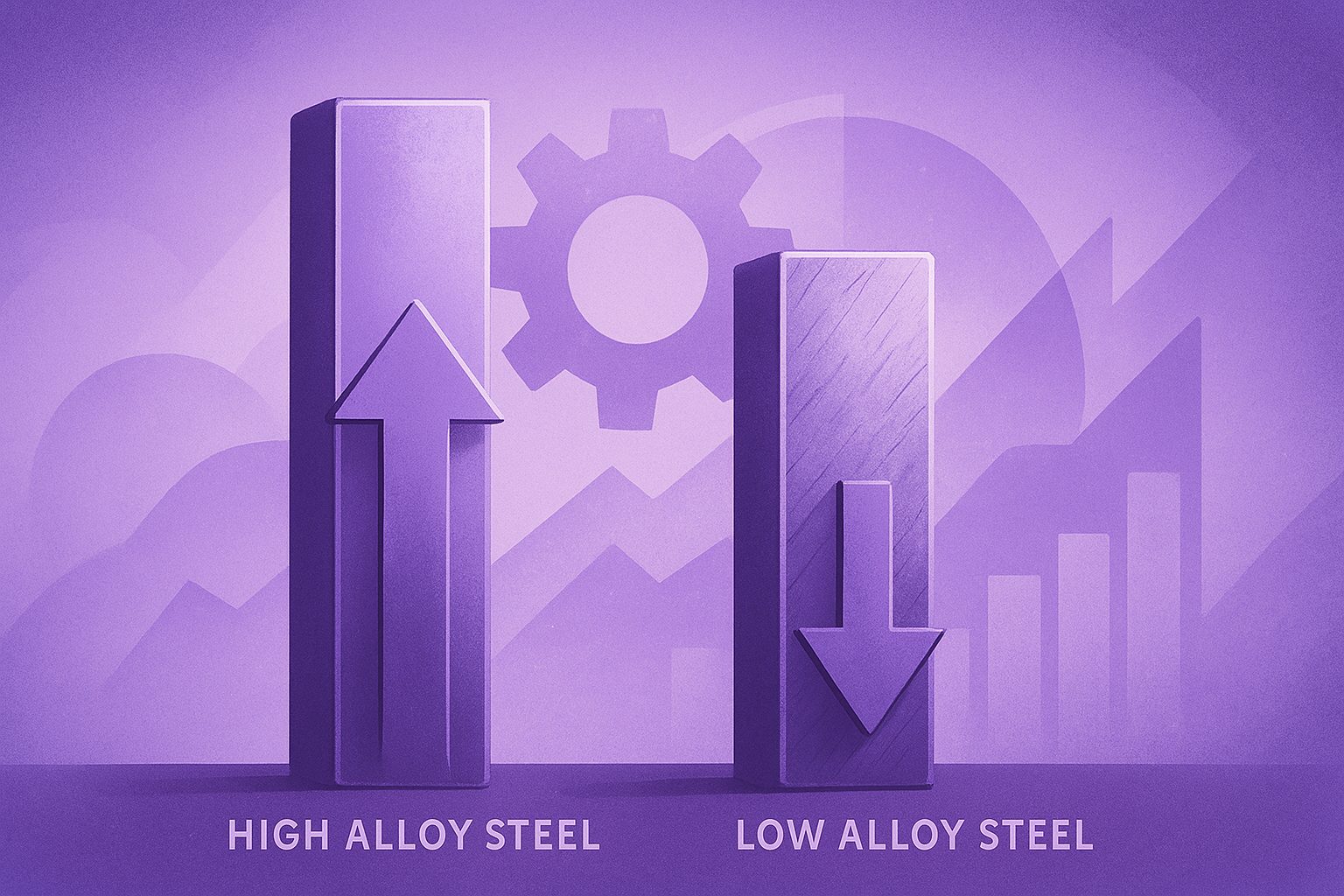
High alloy steel
High alloy steels contain more than 8% alloying elements, offering superior corrosion, heat, and wear resistance. Stainless steel (≥10.5% chromium) is the most widely used high-alloy category.
India-specific relevance (2025):
- Extensively used in metro rail coaches, chemical plants, refineries, food processing units, and medical equipment.
- Growing demand in EV components, such as battery enclosures requiring corrosion-resistant grades.
- Popular grades in India: 304, 316, 321 stainless steel, and heat-resistant high-alloy grades for power plants.
Low alloy steel
Low alloy steels include smaller additions of alloying elements, improving strength, hardenability, and toughness while keeping costs moderate. Carbon content is typically ~0.2%, allowing good formability and weldability.
India-specific relevance (2025):
- Widely used in construction, shipbuilding, power plants, heavy machinery, pipelines, and defence vehicles.
- Increasing adoption of High-Strength Low-Alloy (HSLA) steels for EV battery casings, automotive chassis, and lightweight components.
- Common Indian grades: EN19, EN24, 42CrMo4, 20MnCr5, HSLA-350/450, and structural grades used in metro rail and bridges.
Applications of steel alloys
Automotive industry
Alloy steels are used to manufacture complex, high-strength automotive components requiring durability, deep-drawing properties, and precise formability.
Common applications in India: Engine parts, crankshafts, gears, axles, EV drivetrain components, motor housings, and battery enclosure structures.
Construction & infrastructure (bridges, buildings, metro rail)
India’s infrastructure boom has accelerated the demand for alloy steels.
Common applications in India: Ong-span bridges, metro rail structures, earthquake-resistant frameworks, architectural facades, and high-strength structural steel in highways and flyovers. Alloying elements improve strength, corrosion resistance, and ease of fabrication, making them ideal for large-scale Indian infrastructure projects.
Defence & aerospace
Alloy steels offer the toughness, hardness, and reliability required for critical defence applications.
Common applications in India: Armour plates, missile casings, tank components, naval vessels, aircraft landing gear parts, and aerospace-grade high-strength steels.
Railways
Indian Railways uses alloy steel extensively due to its high strength and fatigue resistance.
Common applications in India: Wheels, axles, bogies, railway crossings, couplers, and high-strength HSLA components for freight corridors and metro systems.
Energy sector (renewable, thermal, oil & gas)
Alloy steel plays a crucial role in India’s growing energy sector.
Renewables: Wind turbine shafts, gearbox components, and solar mounting structures.
Oil & gas: Pipelines, pressure vessels, refineries, drilling platforms, and high-temperature components.
Thermal & hydro: Turbine blades, boiler tubes, penstocks.
Shipbuilding & marine applications
Alloy steels are preferred for maritime environments due to their toughness and corrosion resistance.
Common applications in India: Hull structures, propeller shafts, underwater pipelines, naval vessels, and offshore platforms.
Heavy machinery & industrial equipment
Alloy steels withstand high stress, impact, and wear.
Common applications in India: Mining equipment, excavators, cranes, industrial tools, mechanical shafts, and forging dies.
Overview of the steel alloy market in India (2025)
| Aspect | Details |
| Steel output (2024-2025) | India is the world’s second-largest steel producer, with ~120–125 million tonnes. Alloy steel demand is growing across automotive, infrastructure, defence, and energy sectors. |
| Growth drivers | – Infrastructure projects: Bharatmala, Gati Shakti, metro rail expansion, bridges – Automotive & EVs: Chassis, battery casings, drivetrain components – Defence & Aerospace: Armoured vehicles, missiles, naval vessels, aircraft parts – Energy: Oil & gas pipelines, pressure vessels, wind turbines, thermal plants – Government initiatives: Make in India + PLI for specialty steel |
| Major domestic producers | SAIL, Tata Steel, JSW Steel, AM/NS India – supplying domestic and export markets with high-strength and specialty steels. |
| Import vs. domestic production | – High-alloy steels (nickel, cobalt, molybdenum-based) still partly imported. – Domestic production rising due to PLI schemes, higher capacity utilisation, and local value addition. – Adoption of low-nickel and HSLA steels reduces import dependence. |
Procurement guide for alloy steel

Choosing the right grade
Select an alloy steel grade based on the intended application, mechanical requirements, and environmental conditions. For automotive and EV parts, use high-strength low-alloy (HSLA) or corrosion-resistant grades. For construction and bridges, structural grades with good weldability and toughness are ideal. Defence and aerospace applications may require specialised high-alloy steels.
Price influences
Alloy steel prices in India are affected by coal, electricity, and raw material costs, especially imported elements like nickel, cobalt, and molybdenum. Global market trends, shipping costs, and currency fluctuations also impact pricing. Planning procurement ahead can help mitigate price volatility.
Verifying supplier authenticity
Ensure suppliers provide BIS-certified material, Mill Test Certificates (MTC), and heat numbers. Check for reputation, past deliveries, and compliance with Indian standards such as IS 2062, IS 4432, or IS 6911. Using trusted platforms or verified distributors reduces the risk of counterfeit or sub-standard steel.
Demand-supply trends (2025)
Domestic production of alloy steel is rising due to the PLI scheme, infrastructure projects, and Make in India initiatives. Import dependence is decreasing but still relevant for certain high-alloy grades. Planning purchases in line with seasonal demand peaks and market trends helps ensure timely supply and cost efficiency.
Quality standards and testing requirements in India
BIS certifications
Alloy steel sold in India should comply with Bureau of Indian Standards (BIS) norms. Common standards include IS 2062 for structural steel, IS 4432 for alloy steel, and IS 6911 for stainless steel. BIS certification ensures the material meets minimum mechanical and chemical quality requirements.
Mechanical & chemical tests
Steel should undergo standard mechanical tests (tensile, yield, hardness, impact) and chemical composition analysis to confirm alloying elements and carbon content. These tests ensure the steel performs reliably under design conditions.
Mill Test Certificate (MTC) checklist
- Always request an MTC from the supplier. Key details to verify include:
- Grade and specification of steel
- Heat number and batch traceability
- Mechanical test results (tensile strength, yield, elongation)
- Chemical composition (alloying elements, carbon content)
Mandatory quality check steps for buyers
- Verification of certifications and test reports
- Random sampling and in-house testing if possible
- Compliance checks against project requirements and BIS standards
- Documentation of supplier audits and delivery quality
These steps reduce the risk of sub-standard steel and ensure reliable performance in industrial applications.
Sustainability, green steel, and future trends in India
| Focus area | Details/2025–2030 context |
| Scrap recycling growth | Increasing adoption of scrap-based steelmaking to cut emissions and reduce reliance on iron ore. |
| Renewable energy integration | Solar and wind power are being integrated into steel plants to lower carbon footprints. |
| Hydrogen-based DRI pilot projects | Several pilot projects underway for hydrogen-ready direct reduced iron (DRI) production, moving towards green steel. |
| Demand projections (2026–2030) | Steady growth expected due to infrastructure expansion, EV adoption, defence modernisation, and renewable energy projects. |
| Technological shifts | Wider EAF adoption, AI/IoT-enabled process optimisation, hydrogen-ready steel plants, and increased scrap usage. |
| New alloy types | Low-nickel HSLA steels, high-strength corrosion-resistant alloys, lightweight steels for EVs; driving import substitution and enhanced domestic competitiveness. |
Conclusion
Steel alloys form the backbone of India’s construction, automotive, defence, and energy sectors. Demand is rising due to infrastructure growth, EV adoption, and government initiatives like Make in India and the PLI scheme. India is also transitioning to cleaner, greener steel through scrap recycling, EAF adoption, and hydrogen-based DRI pilots. Strategic sourcing, quality checks, and adoption of new alloy types will drive competitiveness and innovation in the alloy steel market through 2030.
Looking to procure steel?
Tata nexarc helps manufacturers, builders and MSMEs source certified steel products, compare prices, and choose the right grade as per IS codes—with complete traceability and procurement confidence.
FAQs
What is alloy steel?
What are the main types of alloy steel?
Where is alloy steel used in India?
Which Indian standards apply to alloy steel?
Which grades are popular in India?
How is alloy steel manufactured in India?
What affects alloy steel prices?
How to verify steel quality?
What are India’s alloy steel market trends?
How is India moving towards green steel?
Priyanka is a seasoned content marketing professional with more than 6 years of experience crafting various forms of business and technology sector content. Her insightful writing tackles critical issues faced by small-scale manufacturing businesses. Priyanka's clear and concise communication empowers businesses to make informed decisions and thrive in today's dynamic business environment.