
 Check Price Now
Table of Contents
- What is Galvanised Steel?
- Galvanised Steel Price per kg in India (2026)
- Types of Galvanisation Techniques
- How Galvanised Steel is Manufactured
- Key Benefits of Galvanised Steel
- Applications of Galvanised Steel
- Galvanised Steel Coating Standards
- Galvanised Steel vs. Other Steel Types
- Market Trends in India’s Galvanised Steel Industry
- Conclusion
- FAQs
Galvanised steel is a zinc-coated steel designed to resist rust and corrosion. The protective zinc layer shields the base metal from moisture, oxygen, and environmental damage. Because of its durability and low maintenance, galvanised steel is widely used in construction, infrastructure, automotive components, and industrial equipment. In India, demand for galvanised steel continues to grow due to infrastructure development, roofing sheets, GI pipes, and fabrication projects. Many buyers prefer it over regular mild steel for long-term outdoor use.
What is galvanised steel?
Galvanised steel is a type of zinc coated steel that is protected against rust and corrosion. Manufacturers apply a thin layer of zinc to the surface of steel through a process called galvanisation. This zinc layer forms a protective barrier that prevents moisture and oxygen from reaching the base metal. Because of this coating, galvanised steel offers excellent durability in outdoor and industrial environments.
How zinc protects steel
The zinc coating provides sacrificial protection. Zinc corrodes before the underlying steel does. Even if the coating gets scratched, nearby zinc continues to protect the exposed steel surface. This is why galvanised steel is widely used as a corrosion resistant steel in construction and infrastructure.
Galvanised steel vs. mild steel
| Feature | Galvanised steel (GI steel) | Regular mild steel |
| Surface | Zinc coated | Bare steel |
| Corrosion resistance | High | Low |
| Maintenance | Minimal | Requires paint or coating |
| Typical use | Roofing, pipes, fencing. | Structural fabrication |
Zinc coating thickness
Coating thickness usually ranges between 40 and 85 microns, depending on the galvanising method. Thicker coatings provide better corrosion protection and longer service life.
Brief history
The concept of galvanisation emerged in the 18th century after experiments with electrochemical reactions in metals. By the 19th century, hot-dip galvanising became an industrial process used to protect iron and steel from corrosion. Today, it remains one of the most widely used steel protection methods worldwide.
Galvanised steel price per kg in India

The galvanised steel price per kg in India varies based on product type, coating thickness, and supplier. Prices also fluctuate with raw material costs and demand from construction and infrastructure projects. As of early 2026, most GI steel products used in fabrication and construction fall within the range shown below.
| Product type | Typical price range (₹/kg) | Common uses |
| Galvanised steel sheets (GI sheets) | ₹60 – ₹85 | Roofing sheets, ducting, fabrication. |
| GI pipes and tubes | ₹70 – ₹95 | Plumbing, fencing, structural supports. |
| Galvanised steel coils | ₹60 – ₹80 | Manufacturing GI sheets, appliances. |
| Corrugated galvanised roofing sheets | ₹65 – ₹105 | Industrial sheds, warehouses, roofing. |
Prices vary across regions and suppliers, but most GI sheets in India are commonly sold between ₹60 and ₹80 per kg depending on thickness and grade.
Key factors affecting galvanised steel rates
| Factor | Impact on price |
| Zinc prices | Zinc is the main coating material. Higher zinc prices increase galvanising costs. |
| Base steel coil price | Hot rolled and cold rolled steel prices directly affect GI product rates. |
| Coating thickness | Higher coating grades such as G90 require more zinc and cost more than G60. |
| Demand from infrastructure & roofing | Large infrastructure and construction projects increase demand for GI sheets and pipes. |
For accurate procurement pricing, buyers should always check current quotes from local steel suppliers or mills, as rates change frequently based on market demand and raw material costs.
Types of galvanisation techniques
Different galvanisation methods apply zinc coatings to steel in different ways. The choice of process affects coating thickness, durability, surface finish, and cost. Steel manufacturers select a method based on the product’s final application.
Hot-dip galvanising
Hot-dip galvanising (HDG) is the most widely used galvanisation process. Steel components are cleaned and then dipped in molten zinc at around 450°C. The zinc reacts with the steel surface to form a thick, durable coating that offers strong corrosion protection. This method produces coatings typically between 50–85 microns. It is commonly used for structural steel, guardrails, transmission towers, bridges, pipes, and outdoor infrastructure where long service life is essential.
Electro-galvanising
The electro galvanising process applies zinc using an electric current in an electrolyte solution. This method produces a thin and smooth coating, usually between 5–25 microns. Manufacturers prefer electro-galvanised steel for automotive panels, appliances, and precision components where surface finish and uniform appearance matter.
Sherardising
Sherardising is a thermal diffusion process where steel parts are heated in a rotating drum filled with zinc powder. Zinc diffuses into the steel surface to create a uniform protective layer. This technique is commonly used for fasteners, nuts, bolts, and small engineering components.
Mechanical galvanising
Mechanical galvanising coats steel by tumbling small parts with zinc powder, binders, and impact media. The mechanical action bonds the zinc to the steel surface. Industries use this method for washers, screws, and lightweight hardware components where hydrogen embrittlement must be avoided.
How galvanised steel is manufactured
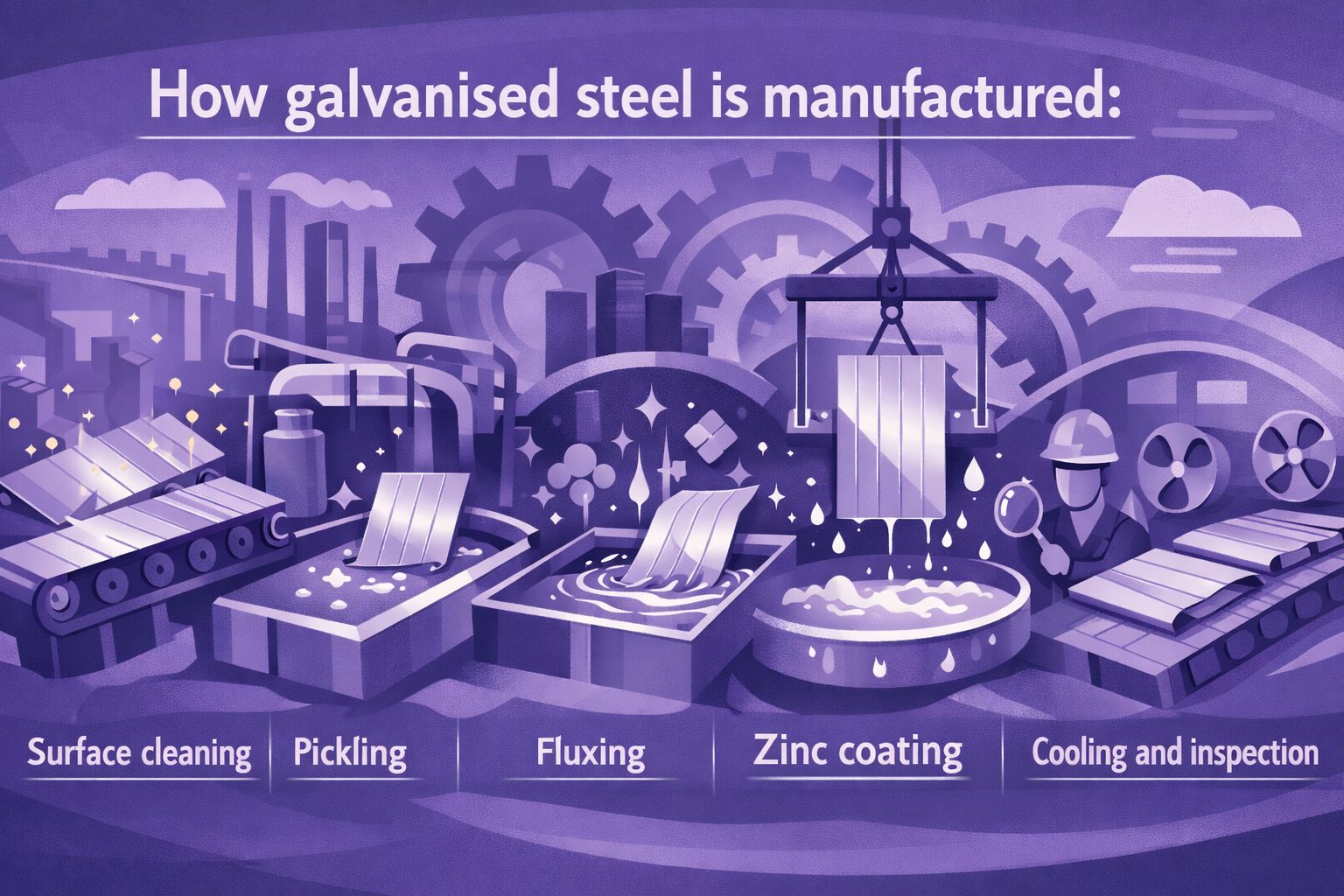
The hot dip galvanising process applies a protective zinc coating to steel to improve corrosion resistance. The galvanising process involves several controlled stages to ensure a uniform and durable coating.
Surface cleaning
Steel surfaces are first cleaned to remove grease, oil, dust, and mill scale. Proper cleaning is critical because contaminants can prevent the zinc from bonding properly with the steel.
Pickling
The cleaned steel is immersed in an acid bath, usually hydrochloric or sulphuric acid. This step removes rust and oxidation from the surface, preparing the steel for coating.
Fluxing
Next, the steel is dipped in a flux solution, typically zinc ammonium chloride. Flux prevents oxidation before galvanising and helps the molten zinc bond evenly to the steel.
Zinc coating
The steel is then dipped into a bath of molten zinc at around 450°C. During this stage, zinc reacts with iron to form strong metallurgical layers that protect the base metal.
Cooling and inspection
Finally, the coated steel is cooled and inspected. Manufacturers check coating thickness, surface uniformity, and adhesion to ensure the galvanised layer meets industry standards.
Key benefits of galvanised steel
Galvanised steel offers several advantages that make it a preferred corrosion protection steel across construction, infrastructure, and manufacturing sectors. The zinc coating improves durability while reducing long-term maintenance costs.
Strong corrosion resistance: The zinc layer protects steel from moisture, chemicals, and environmental exposure, making it ideal for outdoor structures, pipelines, and fencing.
Long service life: Galvanised steel can last 40–70 years in many environments, especially in rural and industrial areas where corrosion protection is critical.
Lower lifecycle cost: Although galvanising adds an initial coating cost, the extended lifespan reduces repair, repainting, and replacement expenses over time.
Minimal maintenance requirements: Most galvanised components require little upkeep because the zinc coating continues to protect the steel even if minor scratches occur.
High durability in infrastructure projects: Bridges, guardrails, telecom towers, and utility poles often use galvanised steel to withstand long-term exposure to weather.
Recyclable and sustainable material: Both steel and zinc can be recycled without losing their properties, making galvanised steel a practical option for sustainable construction.
Applications of galvanised steel
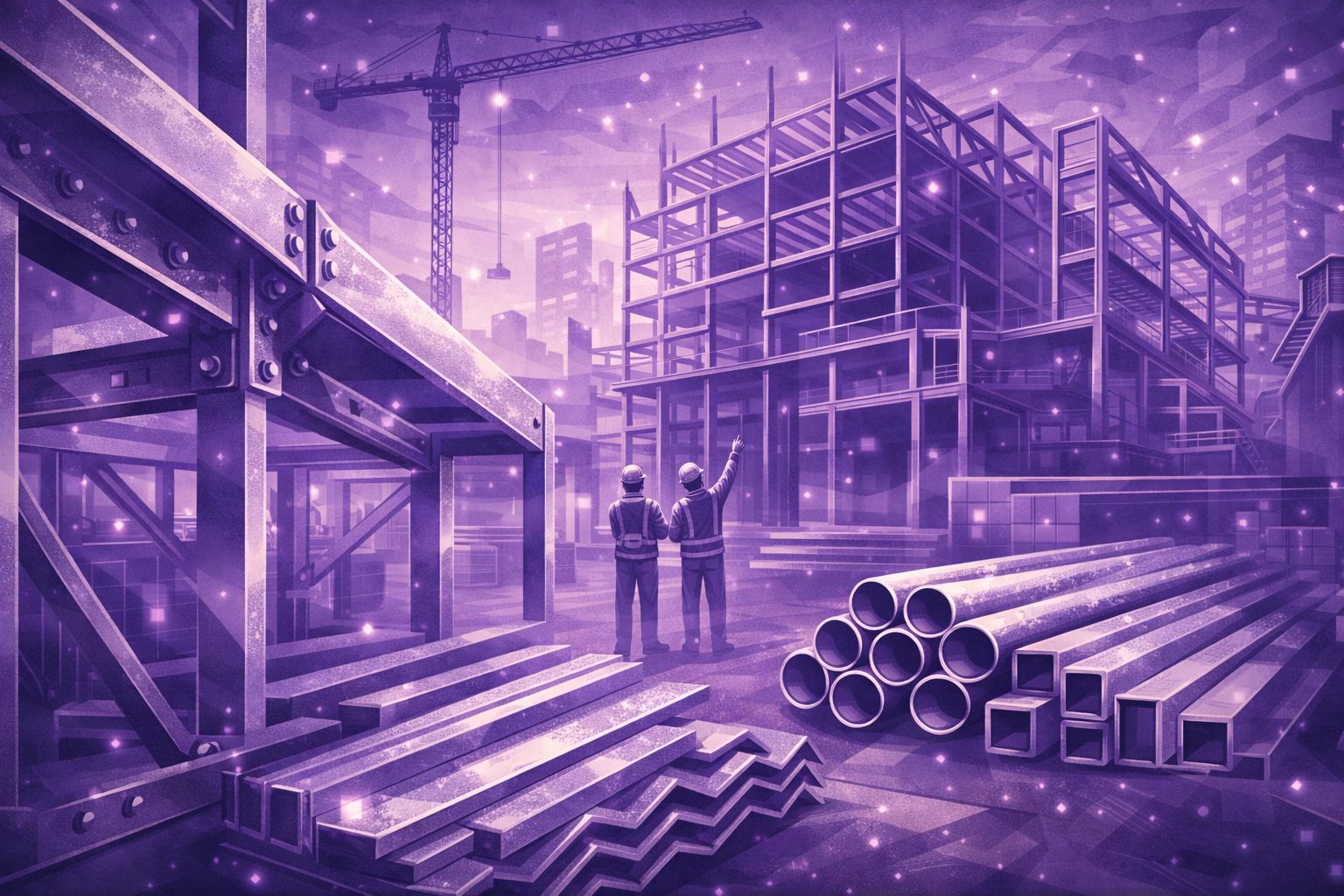
Galvanised steel is widely used across industries because of its corrosion resistance, durability, and cost efficiency. The zinc coating protects steel components from moisture and environmental damage, making them suitable for long-term outdoor use.
Construction
Galvanised steel construction is common in residential, commercial, and industrial projects. Builders frequently use GI sheets for roofing, wall cladding, structural frames, staircases, and handrails. In India, galvanised roofing sheets are widely used in warehouses, factories, and rural housing because they are durable and relatively affordable.
Infrastructure
Infrastructure projects rely heavily on galvanised steel for components exposed to harsh weather. Common uses include bridges, highway guardrails, transmission towers, street lighting poles, and telecom towers. The zinc coating helps these structures resist corrosion and extend their service life.
Automotive industry
Automotive manufacturers use galvanised steel in car body panels, chassis components, and fuel tanks. The coating protects vehicles from corrosion caused by rain, humidity, and road conditions.
Agriculture
The agriculture sector uses galvanised steel for fencing, irrigation pipes, grain storage silos, and farm structures. Farmers prefer galvanised materials because they withstand constant exposure to moisture and soil conditions.
HVAC systems and ducting
Many HVAC ducts and ventilation systems are made from galvanised steel sheets. The material resists corrosion and provides a smooth surface suitable for air distribution systems in buildings.
Galvanised steel coating standards
Standardised coating specifications ensure that galvanised steel delivers consistent corrosion protection and durability. These zinc coating standards help buyers verify product quality, coating thickness, and performance before procurement.
In India, galvanised steel products follow both Indian and international standards depending on the manufacturer and end use.
Key galvanised steel standards include:
IS 277 (India) – The primary standard for GI sheets and coils used in roofing, cladding, and fabrication. It specifies coating mass, sheet thickness, and mechanical properties.
ASTM A123 – A widely used international specification for hot-dip galvanised structural steel products, including fabricated components exposed to outdoor environments.
ASTM A653 – This standard covers hot-dip galvanised steel sheets and coils commonly used in construction, automotive parts, and appliances.
Coating thickness is often defined by coating grades, such as:
G60 – Moderate zinc coating used in indoor or controlled environments.
G90 – Heavier coating suitable for outdoor exposure and longer service life.
Understanding these galvanised steel standards in India helps buyers ensure the right material quality, corrosion protection, and long-term performance for construction and infrastructure projects.
Galvanised steel vs. other steel types
Choosing the right material depends on the environment, budget, and required lifespan. Many buyers compare galvanised steel vs. stainless steel and GI vs. mild steel when selecting materials for construction and fabrication. The key differences relate to corrosion resistance, cost, and maintenance.
| Feature | Galvanised steel (GI steel) | Stainless steel | Mild steel |
| Corrosion resistance | High due to zinc coating | Very high due to chromium content | Low without protective coating |
| Cost | Moderate | High | Lowest |
| Maintenance | Low maintenance | Very low maintenance | Requires painting or coating |
| Typical service life | ~40–70 years (depending on environment) | 50–100+ years | 10–20 years with coatings |
| Typical uses | Roofing sheets, pipes, guardrails, ducts. | Food processing, medical equipment, marine use. | Structural frames, fabrication, machinery. |
Galvanised steel offers a balance of corrosion protection and cost efficiency, making it suitable for many outdoor applications. Stainless steel provides superior corrosion resistance but costs significantly more. Mild steel remains widely used in fabrication, but it usually requires painting or additional coatings to prevent rust.
Market trends in India’s galvanised steel industry
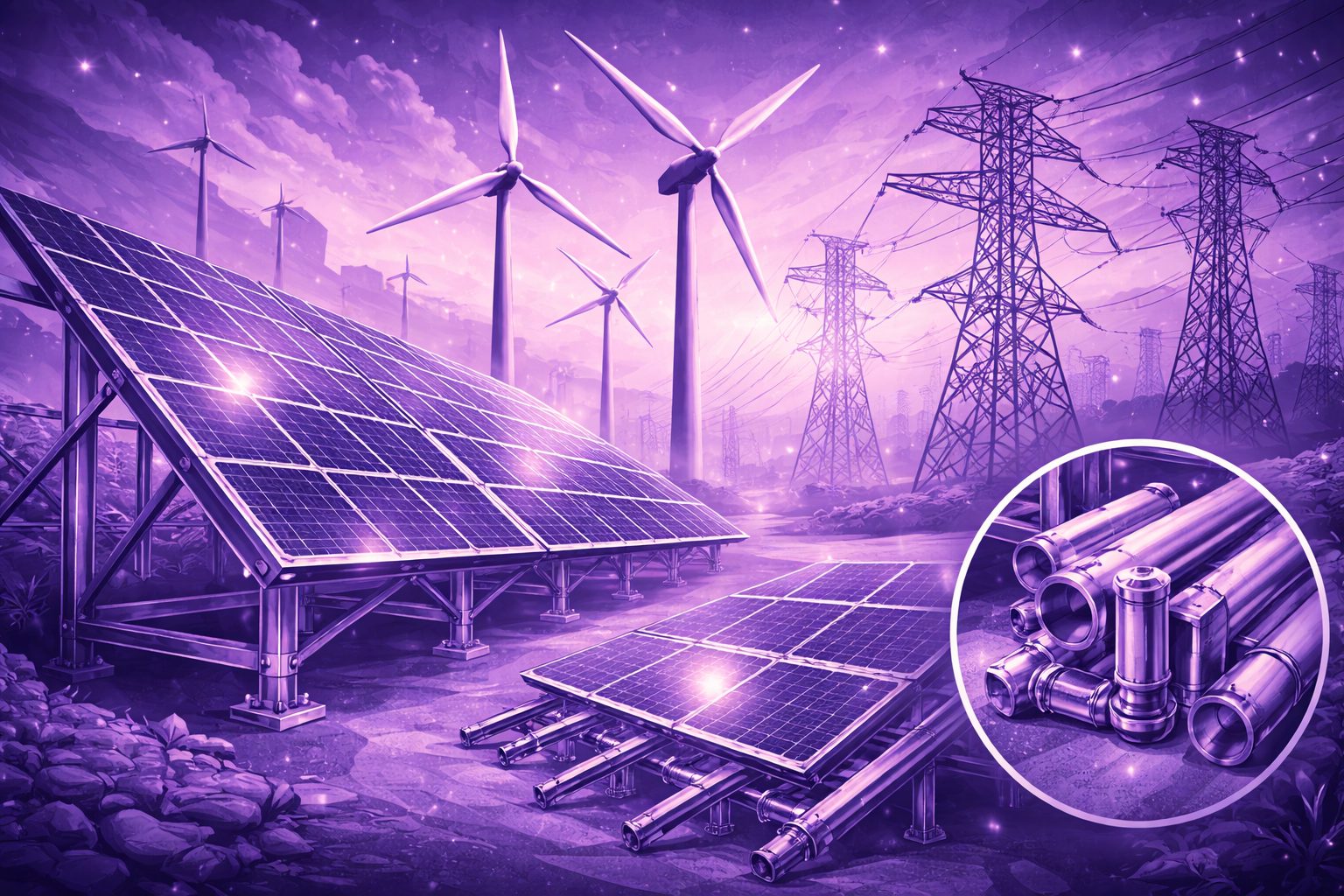
Demand in the galvanised steel market in India continues to grow as construction, infrastructure, and manufacturing expand. Several industry trends are shaping GI steel demand across sectors.
Infrastructure growth
Large infrastructure projects such as highways, railways, metro systems, and industrial corridors are increasing the use of galvanised steel. Components like guardrails, poles, bridges, and structural supports require corrosion-resistant materials for long-term outdoor performance.
Renewable energy structures
India’s renewable energy sector is creating new demand for galvanised steel. Solar panel mounting structures, wind turbine components, and transmission towers often use galvanised steel to withstand weather exposure.
Steel capacity expansion and PLI initiatives
Government initiatives to strengthen domestic manufacturing and increase steel capacity are supporting growth in galvanised products. Many steel producers are expanding coated steel production lines to meet rising demand.
Housing and industrial construction
Growth in affordable housing, warehouses, and industrial sheds is increasing the use of GI sheets for roofing, cladding, and structural components.
Conclusion
Galvanised steel remains a practical material for industries that require durability without high material costs. The zinc coating helps extend the lifespan of steel components while reducing maintenance and replacement expenses. Because of this balance of strength, affordability, and corrosion protection, galvanised steel is widely used across construction, infrastructure, manufacturing, and agriculture.
For buyers and project planners, choosing the right coating standard, product type, and supplier is key to ensuring reliable performance and long service life in demanding environments.
Looking to procure steel?
Tata nexarc helps manufacturers, builders and MSMEs source certified steel products, compare prices, and choose the right grade as per IS codes—with complete traceability and procurement confidence.
FAQs
What is galvanised steel?
What is the difference between galvanised steel and mild steel?
What is the galvanised steel price per kg in India?
How long does galvanised steel last?
What are the main uses of galvanised steel?
What is hot-dip galvanising?
What is GI steel?
What coating thickness is used in galvanised steel?
Which industries use galvanised steel the most?
Is galvanised steel recyclable?
Sohini is a seasoned content writer with 12 years’ experience in developing marketing and business content across multiple formats. At Tata nexarc, she leverages her skills in crafting curated content on the Indian MSME sector, steel procurement, and logistics. In her personal time, she enjoys reading fiction and being up-to-date on trends in digital marketing and the Indian business ecosystem.




We use electrogalvanized steel for car bodies because of its smooth finish. It would be interesting to see a comparison of the corrosion resistance of electrogalvanized vs. hot-dip galvanized steel.Thanks