Check Price Now
Table of Contents
After months of historically low levels, steel prices in India are beginning to rise. The change marks an early shift in market direction after a prolonged period of weak pricing pressure. The main trigger is policy action by the government, including safeguard duties and tighter import curbs on steel, aimed at limiting cheap overseas supplies and protecting domestic producers.
As these measures take effect, local steelmakers are regaining some pricing power. The development matters for a wide range of stakeholders. It affects steel producers, buyers, construction companies, infrastructure projects and manufacturing costs, at a time when India’s steel sector is navigating both global uncertainty and domestic demand recovery.
What changed: Import curbs and safeguard duties
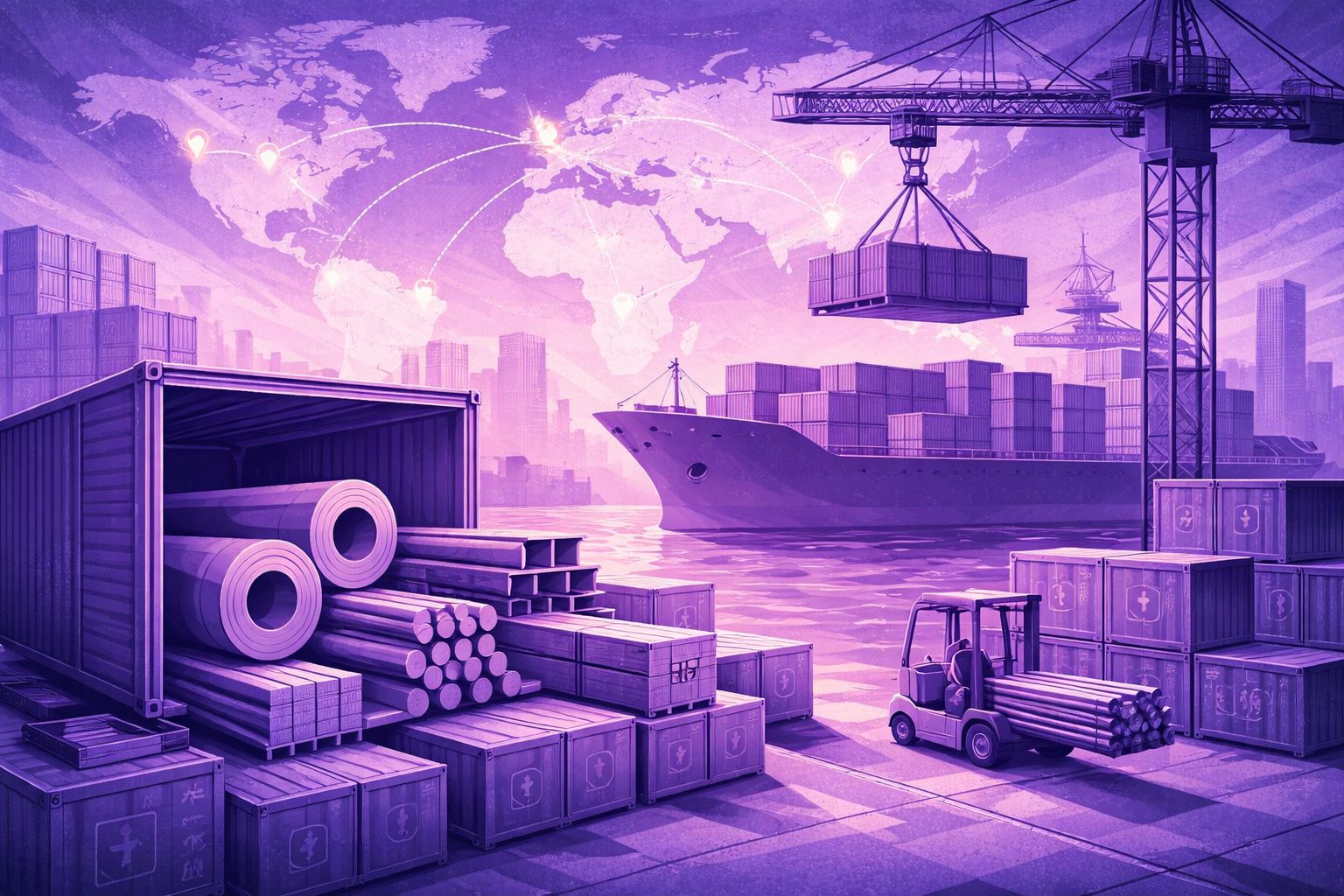
After a long phase of weak prices, policy action has become the key trigger behind the recent uptick in steel prices in India. The government has moved to restrict low-priced imports and support domestic producers through extended trade protection.
Cause: Policy action
The Indian government has extended and formalised safeguard duties on steel imports to curb cheap inflows, mainly from China, South Korea and Vietnam. The duty begins at around 12% on select steel products and is designed to taper gradually over three years. This shift replaces earlier short-term measures with a more predictable framework.
Why this matters
- Cheap imports had kept domestic steel prices under pressure for months
- Safeguard duties reduce import competitiveness
- Domestic steelmakers regain pricing power and margin support
- Market visibility improves for capacity planning and investment
Key steel products affected
| Steel product category | Impact of safeguard duty |
| Hot-rolled coils (HRC) | Higher landed cost of imports |
| Cold-rolled coils (CRC) | Reduced price pressure |
| Sheets and plates | Improved domestic realisations |
How the safeguard duty works
- The duty applies only when import prices fall below a set threshold
- This ensures high-quality or specialised imports remain viable
- Low-priced bulk shipments face additional cost barriers
Exemptions include:
- Stainless steel products
- Certain specialised and value-added grades
These exemptions help avoid supply disruptions for industries that rely on specific inputs.
Policy context
The safeguard duty replaces an earlier temporary levy and is expected to remain in place until April 2028. This signals a long-term policy commitment to stabilising India’s steel market and protecting domestic producers from sudden import surges.
Price movements: Evidence of an uptick
Steel prices in India have begun to rise after months of stagnation. Domestic mills are cautiously lifting prices across key products, signalling the start of a potential recovery.
Recent hikes
- Domestic producers raised prices multiple times in early 2026.
- Key products affected: hot-rolled coils (HRC), cold-rolled coils (CRC), and rebars.
These hikes mark the first meaningful increases after months of low margins.
Magnitude and drivers
| Factor | Current trend | Impact on prices |
| Price increase | Several percentage points on base steel products. | Producers regain pricing confidence. |
| Timing | Following formal import curbs and safeguard duties. | Shows policy measures are influencing market behaviour. |
| Inventory levels | Lean stocks at mills and distributors. | Reduces oversupply pressure, supporting price rises. |
| Construction demand | Gradual recovery in housing and infrastructure. | Sustains domestic steel consumption. |
Market sentiment
- Steel stocks have reacted positively, with major producers’ shares rallying.
- Investors expect higher margins and improved profitability for mills.
Comparison with earlier lows
| Period | Price environment | Key drivers |
| 2025 – early 2026 | Prices stagnant or falling | Cheap imports, excess supply, weak margins. |
| Early 2026 onwards | Prices ticking up | Safeguard duties, import curbs, lean inventories, improving demand. |
Takeaways:
- Steel prices are showing early signs of recovery.
- The combination of policy support, improved demand, and tighter supply is helping domestic producers regain pricing power.
- While the uptick is measured, it breaks the long-standing trend of low prices and sets the stage for potential gradual rises in the coming months.
Impact on key stakeholders

Domestic producers
Major Indian mills such as Tata Steel, JSW Steel, SAIL, and Jindal benefit from reduced import pressure. The safeguard duties and import curbs give them more pricing power, helping margins and utilisation levels rebound after months of low prices. This improved pricing environment allows producers to stabilise earnings and plan production more confidently.
Steel buyers (consumers & industries)
Construction companies and infrastructure developers face higher input costs as steel prices tick up. These increases may affect project budgets and timelines. For MSMEs, which rely on affordable steel, the rise in domestic prices and reduced access to cheaper imported grades can strain operations and profit margins. Analysts note that this segment is particularly sensitive to even moderate steel price changes.
Exporters & trade
India has become a net exporter of finished steel, with exports rising sharply. Strong external demand complements domestic pricing strength and helps absorb surplus production. Export growth also supports higher domestic prices by reducing inventory pressure and signalling global confidence in Indian steel quality.
Downstream industries
Sectors such as automotive, machinery, and infrastructure may experience cost pressures. Companies may either pass these costs on to consumers or seek operational efficiencies to maintain margins. The rise in steel costs could influence pricing strategies across these industries, especially where steel is a major input.
Broader market & economic effects
Construction & infrastructure
Rising steel prices can increase project costs for both public and private construction. Large infrastructure projects, which consume significant volumes of steel, may see higher budgets and extended timelines. Contractors and developers will need to plan for these increased input costs when executing ongoing and upcoming projects.
Inflationary pressures
Higher steel costs may feed into broader commodity inflation, affecting manufacturing indices and the cost of goods in sectors reliant on steel. Industries such as automotive, machinery, and durable goods could experience upward pricing pressure, which may be partially passed on to end consumers.
Trade balance
Restricting cheap imports and encouraging exports of finished steel improves India’s trade balance in the sector. At the same time, reduced access to low-cost imports can increase input costs for downstream industries that previously relied on affordable foreign steel. The overall effect is a shift in cost structure across the value chain.
Raw material costs
Alongside policy measures, rising input costs (including coking coal, scrap, and energy) add pressure to steel pricing. Domestic mills must balance production efficiency with the rising cost of raw materials, which contributes to the upward trend in steel prices.
Global context
Global steel markets are also seeing protectionist trends, such as anti-dumping duties in several countries. These measures influence supply chains and pricing structures worldwide, indirectly affecting Indian steel exporters and domestic pricing dynamics.
Responses and strategies for steel producers and buyers
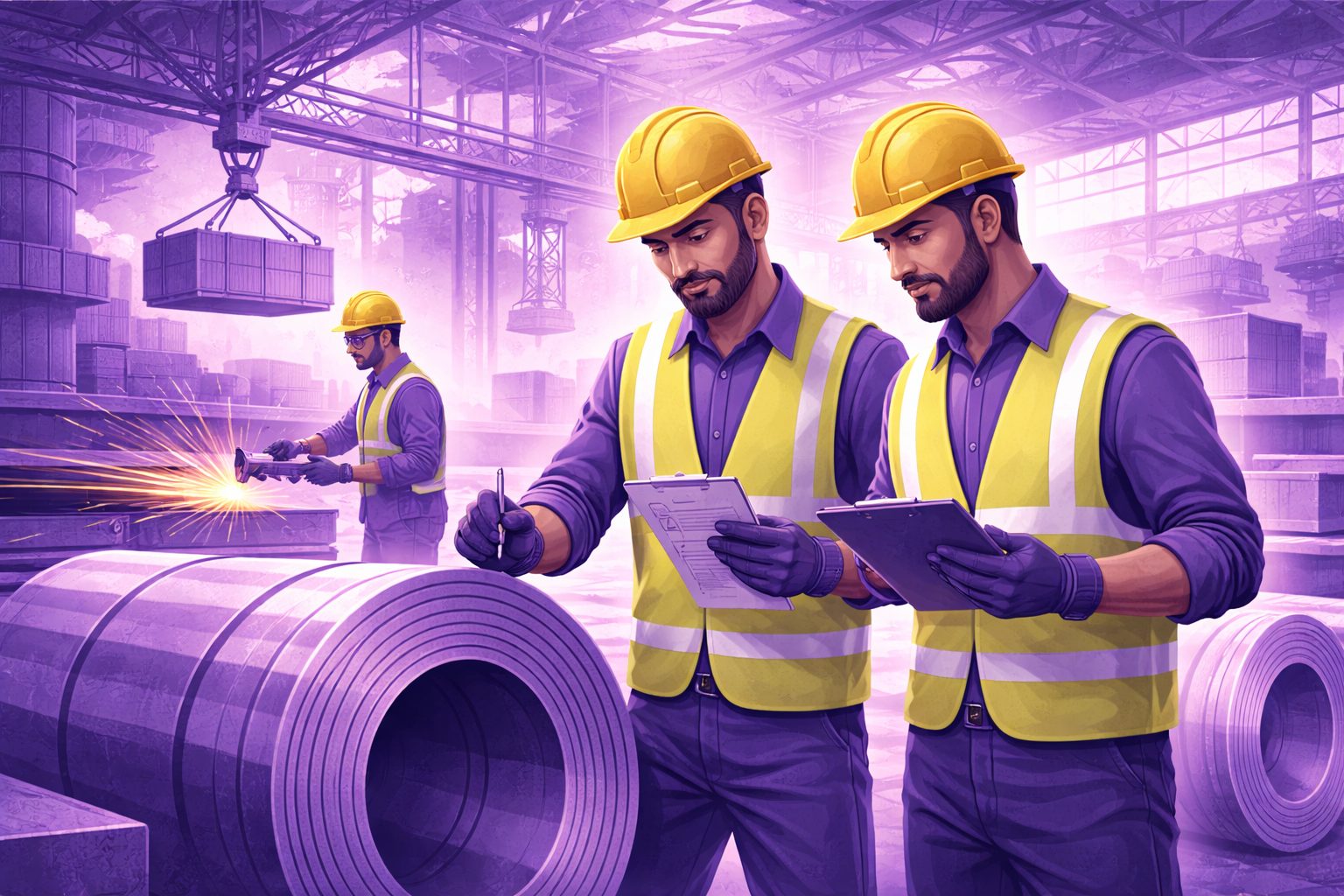
For steel buyers
Hedging & forward contracts: Lock in future steel supply at current prices to protect against further price increases.
Alternative grades & suppliers: Evaluate higher-grade or local suppliers not affected by safeguard duties or threshold policies.
Cost pass-through planning: Negotiate contracts with clauses that adjust for steel cost changes to manage rising input costs.
For steel producers
Capacity optimisation: Focus on high-margin grades as protective duties increase competitive advantage.
Export strategy: Leverage rising export demand to balance domestic price volatility and absorb surplus production.
Operational efficiency: Invest in technology and process improvements to reduce production costs and sustain margins.
Industry collaboration
Policy engagement: Work with policymakers to ensure duties support domestic growth without restricting essential raw materials.
What to expect next
| Aspect | Current trend | Implication |
| Short-term forecast | Steel prices are expected to continue modest upward movement as import curbs remain in force and demand stays firm. | Producers can plan for gradual margin improvement; buyers should anticipate higher input costs. |
| Policy changes | Safeguard duty is set to gradually taper over three years. | Markets will monitor adjustments; long-term planning for domestic pricing stability is possible. |
| Monitor for adjustments | Authorities may tweak tariffs or thresholds if import threats or domestic oversupply. arise | Price volatility could increase temporarily; stakeholders need contingency plans. |
| Global trade dynamics | Anti-dumping duties or protectionist measures abroad may impact steel flows. | Indian exporters and domestic pricing may be indirectly affected; market awareness is key. |
| Downstream sector signals | Healthy demand from construction and manufacturing underpins steel consumption. | Sustains gradual price rises; any weakness in these sectors could limit further price gains. |
Historical context of steel prices in India
2023 – Stable prices
Steel prices were largely stable in 2023, with only mild fluctuations. Demand from construction and infrastructure projects remained steady, while imports were moderate. Domestic mills maintained stable margins without the need for major price hikes.
2024 – Price declines
Mid-2024 saw a decline in prices due to a surge in cheap imports, particularly from China, combined with softer domestic construction demand. Mills faced margin pressures, and some reduced production to manage oversupply.
Early 2025 – Multi-year lows
Steel prices fell to multi-year lows as imports increased further and protective duties were absent. Domestic producers struggled with profitability, highlighting the need for policy intervention.
Late 2025 – Early recovery
Prices began to recover slowly after temporary safeguard duties were introduced. Improving demand in construction and infrastructure allowed mills to cautiously raise prices, stabilising margins.
Early 2026 – Current uptick
Now, in early 2026, steel prices are ticking up. Extended safeguard duties, formal import curbs, and lean inventories have given domestic producers pricing power, marking a potential turning point in the market.
Comparisons with global steel markets
| Region | Price trend (Early 2026) | Key factors | Impact on India |
| India | Prices beginning to rise. | Import curbs, safeguard duties, lean inventories. | Domestic mills regain pricing power; early market recovery. |
| China | Prices remain subdued. | High domestic production, slowing demand. | Soft global benchmark prices limit export pricing power. |
| Europe | Prices rising. | Anti-dumping measures, high energy costs. | Reduces competition from imports; supports Indian exports. |
| United States | Prices rising. | Protectionist policies, rising input costs. | Export opportunities for Indian producers; influences domestic pricing. |
| Global Inputs | N/A | Rising coking coal, iron ore, energy prices. | Increases production costs for Indian mills; limits aggressive domestic price hikes. |
Conclusion
Indian steel prices, after a prolonged slump, are starting to rise as import curbs and safeguard duties take effect. This shift gives domestic producers more pricing power and supports margins, but it also raises costs for price-sensitive buyers and MSMEs. The changes have wider implications for infrastructure projects, construction costs, and trade flows. Looking ahead, steel pricing will depend on the interaction of policy measures, domestic demand, import trends, and global market dynamics. All stakeholders will need careful planning and strategies to manage costs and benefit from the evolving market conditions.
Looking to procure steel?
Tata nexarc helps manufacturers, builders and MSMEs source certified steel products, compare prices, and choose the right grade as per IS codes—with complete traceability and procurement confidence.
FAQs
Why are steel prices in India rising now?
Which steel products are most affected?
How do safeguard duties work?
Who benefits from rising steel prices?
Who is affected negatively?
How do import curbs affect exports?
Are steel prices expected to keep rising?
How does this affect construction and infrastructure?
What can steel buyers do to manage costs?
How does India compare to global steel markets?
A product manager with a writer's heart, Anirban leverages his 6 years of experience to empower MSMEs in the business and technology sectors. His time at Tata nexarc honed his skills in crafting informative content tailored to MSME needs. Whether wielding words for business or developing innovative products for both Tata Nexarc and MSMEs, his passion for clear communication and a deep understanding of their challenges shine through.