Check Price Now
Table of Contents
- Steel IPO Momentum Signals a New Industry Upswing
- Where the Money is Going: Capacity Expansion & Specialty Steel
- Direct Impact on Steel Producers and Buyers
- Pricing Outlook: Will Expansion Cool Steel Prices?
- A More Competitive Steel Market Takes Shape
- MSME Impact: Risks and Opportunities
- Case Study: JSW Group’s ₹1,500 Crore Steel Push
- Practical Next Steps for Steel Buyers & Producers
- Conclusion
- FAQs
India’s steel sector is stepping into a new phase in 2026, marked by a clear Steel IPO surge and expansion cycle. A strong Steel IPO India 2026 pipeline is taking shape, with companies expected to raise ₹5,000-₹7,000 crore over the next eight to ten months. This primary market boom signals growing confidence in demand and future projects. At the same time, steel expansion in India is visible on the ground. The JSW Group investment of ₹1,500 crore in Punjab reflects real capacity building. Together, these trends are reshaping the Indian steel outlook for the year ahead.
Steel IPO momentum signals a new industry upswing

India is seeing a clear Steel IPO wave India in 2026. The steel primary market boom is gathering pace. Over the next eight to ten months, nearly 10 steel companies are expected to tap the markets. Together, they may raise ₹5,000–₹7,000 crore. For many observers, this could become the first ₹7,000 crore IPO India moment for the sector in years.
This level of steel capital raising is not routine. It usually appears when:
- Capacity expansion plans are ready
- Order books are improving
- Demand visibility is stronger
- Debt levels are manageable
In short, IPO filings act as a leading indicator. Companies do not test markets unless they see stability ahead.
Companies in the IPO pipeline
Public reports suggest that firms such as Steel Infra Solutions, Rajputana Stainless, Bombay Coated, and several others are preparing Draft Red Herring Prospectuses (DRHPs) or IPO plans over the next 8-10 months. Collectively, these companies are expected to raise ₹5,000-₹7,000 crore.
| Company name | Segment focus | Likely use of funds | Status (public reports) | Expected fund raise |
| Steel Infra Solutions | Long/Infra steel | Capacity expansion | IPO preparation stage | ~₹450 crore* |
| Rajputana Stainless | Stainless steel | Brownfield expansion | DRHP expected | ~₹800–1,000 crore* |
| Bombay Coated | Coated flat steel | Modernisation & working capital | Under discussion | ~₹500 crore* |
| German Green Steel & Power | Specialty/alloy steel | Expansion & new lines | DRHP stage/ pipeline | Not disclosed |
| A-One Steels India | Flat & structural products | Expansion & capex | DRHP filed/ pipeline | Not disclosed |
| Synergy Advanced Metals | Specialty metals & alloys | Capacity & technology upgrade | DRHP stage/ pipeline | Not disclosed |
Note: IPO timelines and expected fund-raising figures are indicative based on public reports and may change depending on market conditions and regulatory approvals.
The broader IPO calendar steel activity reflects improved steel market sentiment. Compared to previous slowdowns, balance sheets are cleaner and investor appetite is back. This primary market India 2026 momentum shows capital markets aligning with infrastructure growth and manufacturing expansion. That is why this cycle looks structural, not speculative.
Where the money is going: Capacity expansion & specialty steel
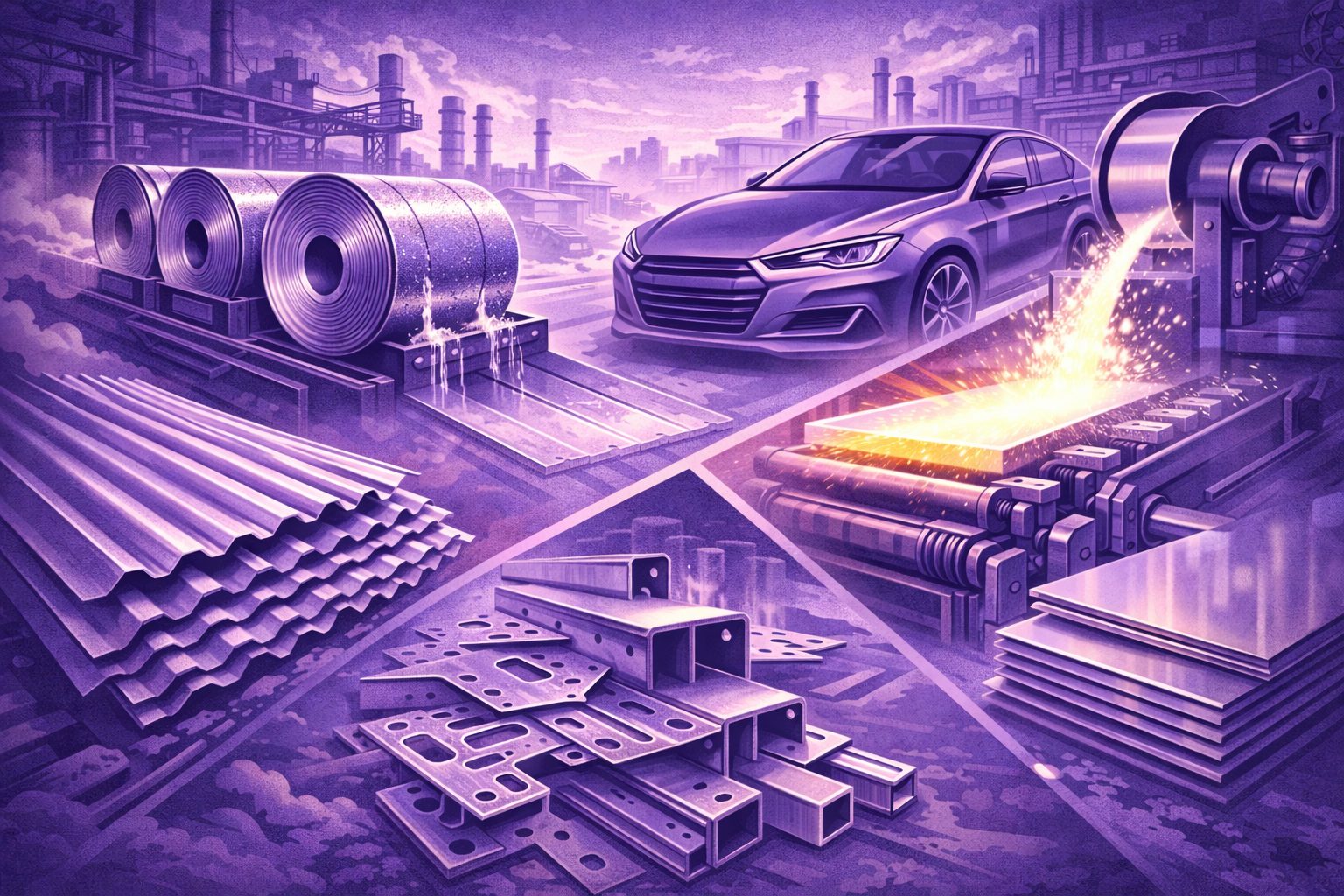
The current funding cycle is directly feeding steel capacity expansion 2026 plans. Companies raising money through IPOs and QIPs are not just repaying debt. Most are preparing to add capacity, upgrade plants, and move into higher-value products.
The focus areas are clear:
- Brownfield expansion to increase output at existing plants
- Selective Greenfield projects in high-growth regions
- Modernisation and automation to improve efficiency
- Stronger downstream integration
This phase supports broader Indian steel growth, especially in segments linked to infrastructure and manufacturing.
Shift toward specialty steel
A large share of new investment is moving into specialty steel India segments. These include:
- Coated and galvanised products
- Auto-grade and high-strength steel
- Precision and value-added flat products
| Investment focus | Why it matters | Impact on margins |
| Commodity steel | Volume growth | Moderate |
| Value-added steel | Higher realisations | Stronger stability |
Rising value-added steel demand improves pricing power and reduces dependence on volatile commodity cycles.
Regional growth & policy push
Expansion is visible in the East and South, along with emerging northern hubs. These clusters will influence freight costs and regional pricing.
Government support is also helping. Production-linked incentives, infrastructure spending, and trade safeguards are encouraging fresh capex steel India decisions.
Beyond IPO-led funding, large steel manufacturing investments continue. The JSW Group’s ₹1,500 crore investment in Punjab highlights how private capital is backing capacity on the ground. Together, this capital deployment shows a structural shift, not just a short-term expansion spike.
Direct impact on steel producers and buyers
Stronger supply availability
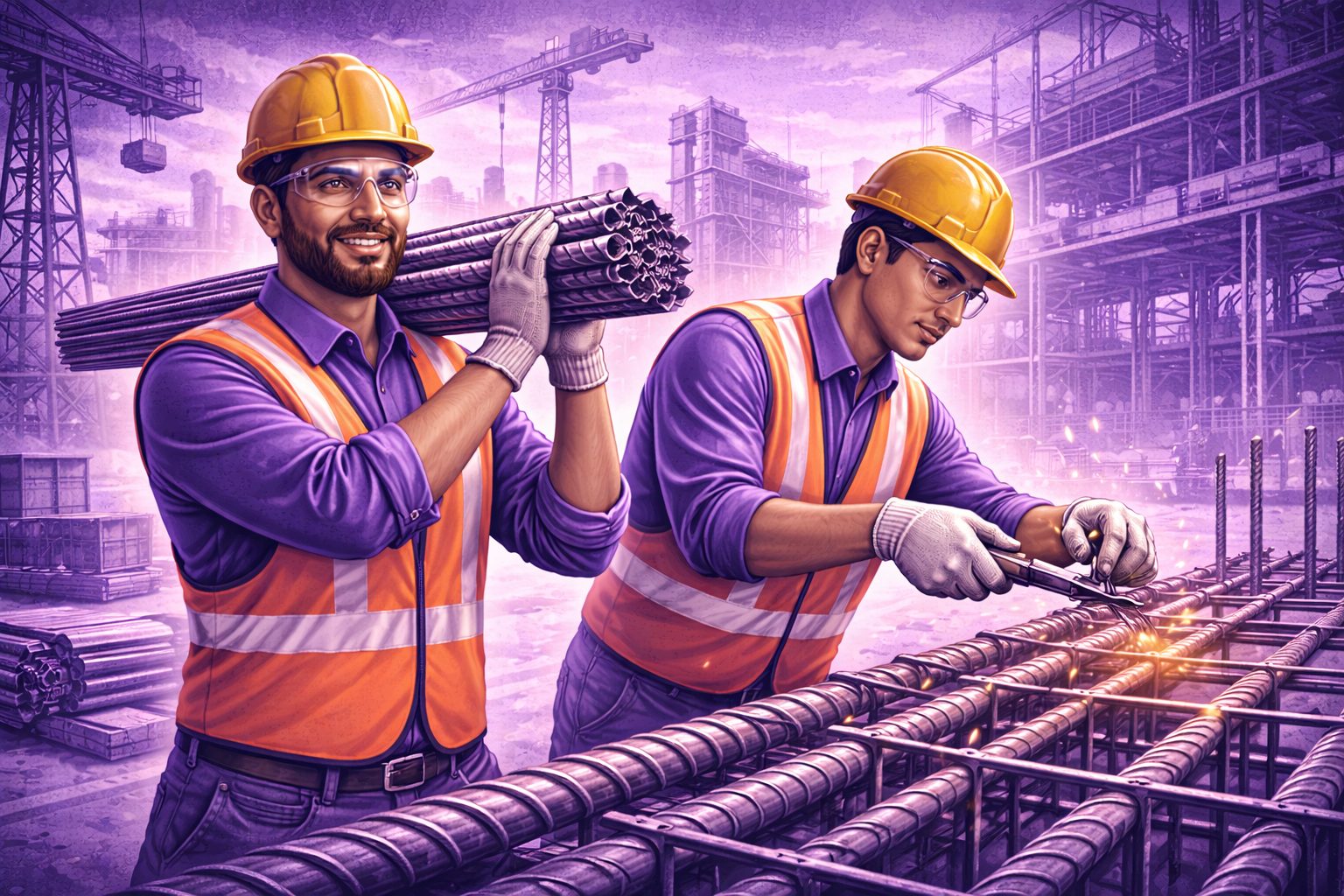
The ongoing expansion cycle will directly improve supply availability steel across regions. As new capacities come online, buyers may see fewer shortages in key grades. Regional distribution networks are also expected to widen, especially in high-growth states. This will reshape the steel supply chain India over the next 12–24 months.
More competitive pricing
Higher output usually increases competition. For buyers, this can improve negotiation power. For producers, it raises pressure on margins. The overall steel pricing outlook India may remain stable, but price competition could intensify in commodity segments.
Shifts in supply & demand balance
As capacity rises, local shortages in TMT and flat products may ease. However, if demand growth slows, oversupply risks could appear. This is where producer competitiveness will matter most. Efficient plants and value-added products will have an advantage.
Working capital & inventory pressure
Expanded production can improve credit terms for some buyers. But higher output also means higher inventory across the system. That may tighten working capital cycles, especially for distributors. Managing stock carefully will be critical in buyer impact steel 2026.
Specialty steel brings diversification
With more players entering high-margin segments, specialty grades will become easier to source. Buyers can diversify suppliers for coated steel, high-strength steel, and other premium products. This reduces dependence on a few large mills.
Early pricing signals
The TMT price trend 2026 and HRC pricing patterns suggest moderate stability so far. Short-term volatility may continue, but expansion could limit extreme spikes. The next phase will depend on demand strength and raw material costs.
Pricing outlook: Will expansion cool steel prices in India?
Expansion and price stability
The current steel price forecast India depends heavily on how quickly new capacity comes online. Large fund raises and expansion plans could reduce extreme price swings. More supply usually means lower volatility. However, pricing will still follow demand trends.
Demand remains the key driver
Strong steel demand growth from infrastructure, housing, railways, and renewables is supporting the market. Ongoing public spending and private construction activity are driving construction demand steel across regions. If this momentum continues, prices may stay supported despite higher capacity.
Export and global influence
Domestic pricing is linked to global trends. If export demand improves, Indian mills may maintain firmer prices. If global prices weaken, domestic markets may adjust. This remains a variable factor in the HRC & TMT price outlook.
Raw material risks
Input costs still matter. The iron ore price trend and coking coal movements directly affect margins. Sharp rises in raw materials can offset the impact of expansion-led supply growth.
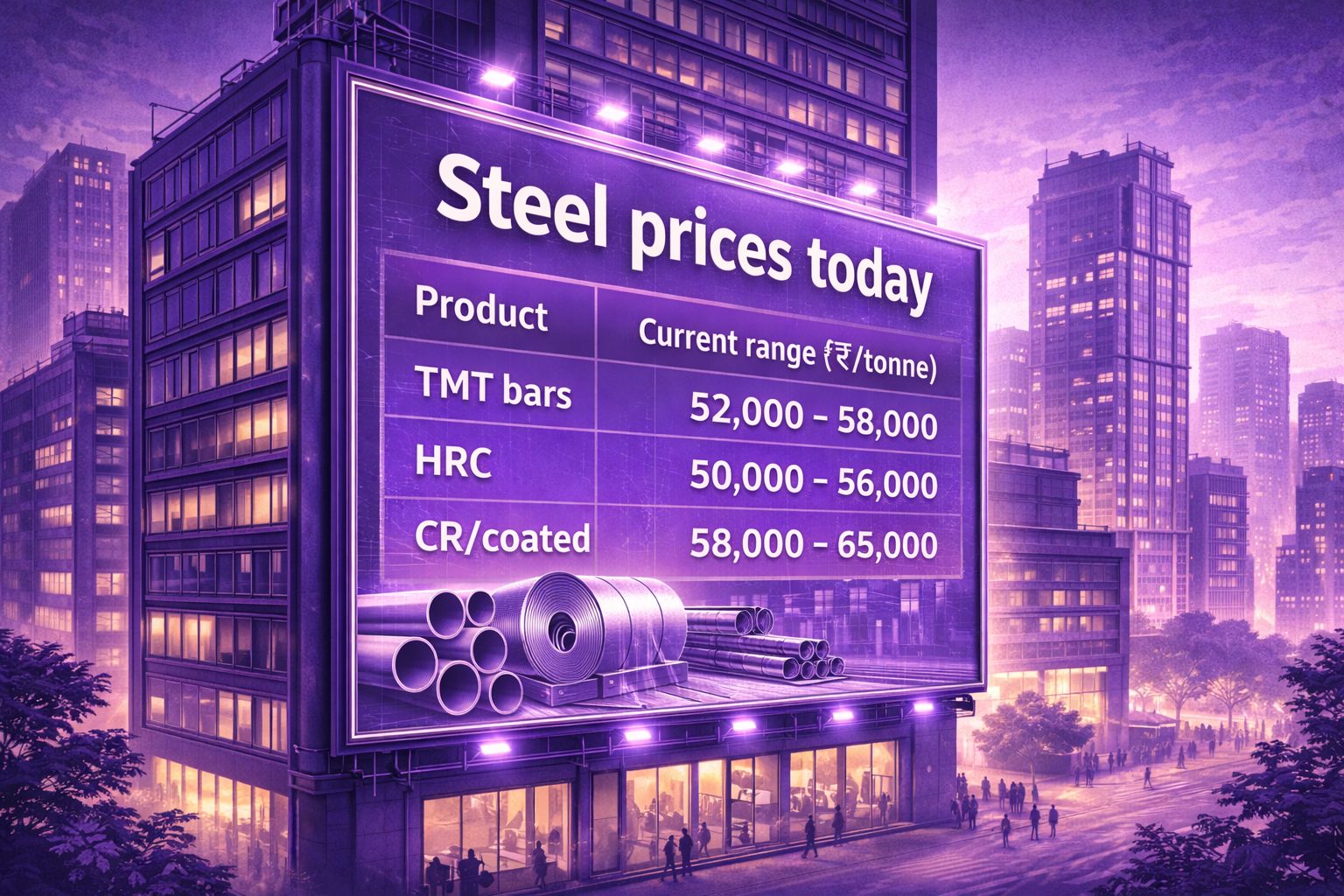
Indicative price levels (early 2026)
| Product | Current range (₹/tonne) | Short-term outlook | Medium-term view |
| TMT bars | 52,000 – 58,000 | Stable to firm | Competitive pressure likely |
| HRC | 50,000 – 56,000 | Moderately stable | Linked to global prices |
| CR/coated | 58,000 – 65,000 | Supported by demand | Relatively resilient |
The above prices are indicative market ranges based on prevailing trade levels in early 2026. Actual transaction prices may vary by region, quantity, grade, brand, and prevailing raw material costs.
In the short term, prices may remain steady. Over the medium term, rising capacity could increase competition and soften margins if demand slows.
A more competitive steel market takes shape
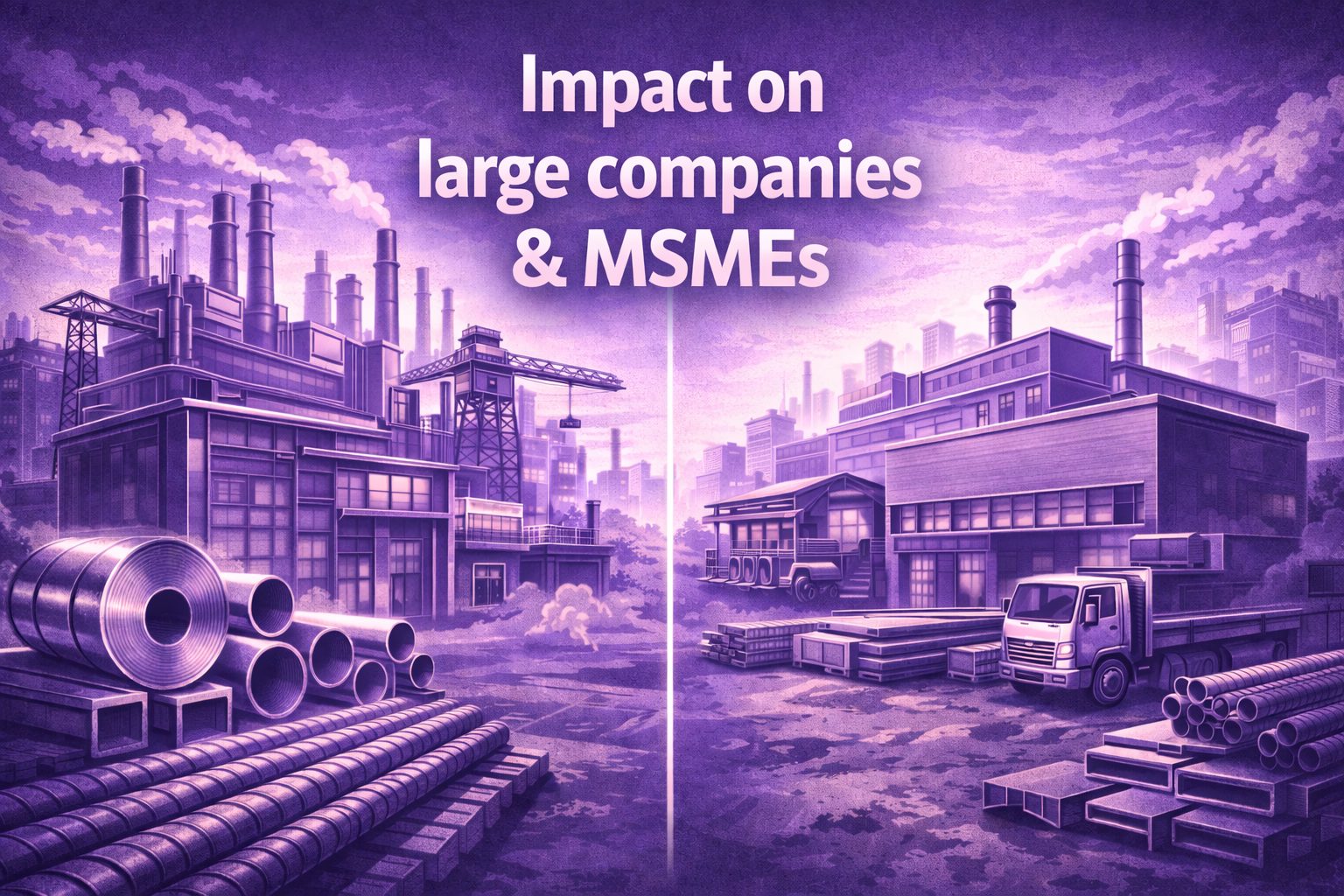
Large companies are getting stronger in 2026. Access to capital markets is helping them clean up balance sheets and fund expansion. This trend is accelerating Indian steel consolidation 2026.
Stronger balance sheets
Public listings improve transparency and access to funds. Larger producers can now expand faster and defend market share steel India. This changes the overall steel competitive landscape.
M&A and strategic tie-ups
As IPO activity increases, some mid-sized firms may become acquisition targets. Strategic partnerships and mergers are likely. This is a natural phase of steel sector consolidation.
Shift toward the organised sector
With more companies entering public markets, the organised segment will expand. Smaller unorganised players may struggle to compete on pricing, compliance, and technology.
ESG and technology push
Investors now focus on ESG steel performance. Companies are investing in energy efficiency, lower carbon intensity, and automation. The shift toward green steel India is gradual but visible. Stronger steel ESG measures will influence future funding and customer preference.
Competition will intensify
More listed companies mean greater transparency and sharper pricing strategies. Geographic dominance may shift as expanding players enter new markets.
The result is simple: the industry is becoming more structured, more competitive, and more performance-driven.
MSME impact: Risks and opportunities in the 2026 steel cycle
The 2026 expansion phase will affect MSMEs differently than large listed players. The impact will not be one-sided.
Key risks for MSMEs
- Stronger competition from organised mills
- Tighter pricing in commodity TMT and flat steel
- Pressure on margins due to scale disadvantages
- Higher compliance expectations (ESG, quality norms)
- Working capital strain if price volatility rises
As Indian steel consolidation 2026 accelerates, smaller mills may face tougher negotiations with distributors and large buyers.
Emerging opportunities
- Improved raw material access as capacity expands
- Better supply stability across regions
- Scope to focus on niche or customised products
- Growing steel demand recovery India in Tier-2 and Tier-3 markets
- Possibility of becoming contract manufacturers for larger brands
MSMEs that modernise operations and control costs can remain competitive in the evolving steel competitive landscape.
What MSMEs should focus on
| Priority area | Why it matters in 2026 |
| Cost efficiency | Compete with larger mills |
| Product differentiation | Avoid pure price wars |
| Working capital discipline | Manage volatility |
| Technology upgrades | Improve productivity |
| ESG readiness | Maintain buyer confidence |
The message is clear. Consolidation will increase pressure. But disciplined and focused MSMEs can still grow in this new steel cycle.
Case study: JSW Group’s ₹1,500 crore steel push
The JSW Group steel investment of ₹1,500 crore in Punjab is one of the clearest on-ground signals of India’s expansion cycle. While IPO headlines focus on capital markets, this move reflects real industrial deployment. The JSW Punjab steel investment strengthens northern India’s manufacturing footprint and supports broader Indian steel capex momentum.
Investment snapshot
| Parameter | Details |
| Investment size | ₹1,500 crore |
| Region | Punjab |
| Focus | Manufacturing & value chain strengthening |
| Strategic goal | Expand northern market presence |
This JSW capex 2026 plan aligns with the group’s long-term expansion strategy under Sajjan Jindal steel expansion efforts.
Strategic intent
Punjab is strategically located near key consumption markets in North India. Strengthening Punjab steel manufacturing helps reduce freight costs, improve delivery timelines, and enhance regional supply reliability.
The investment is expected to support:
- Capacity enhancement
- Downstream processing units
- Logistics and distribution infrastructure
- Value-added steel production
Local impact
Large-scale JSW Group expansion projects typically generate:
- Direct and indirect employment
- Stronger local supplier ecosystems
- Increased ancillary industrial activity
For buyers in North India, this could improve availability and shorten supply chains.
A broader industry signal
This investment complements the ongoing IPO-driven expansion wave. It shows that growth is not limited to fundraising plans. Capital is moving into plants, equipment, and regional networks.
Together, IPO activity and corporate capex confirm one trend – India’s steel sector is preparing for its next structural growth phase.
Practical next steps for steel buyers & producers

The expansion cycle is underway. The question is not whether capacity will rise, but how businesses prepare for it. Strong market readiness steel 2026 will separate proactive players from reactive ones.
Rethink procurement strategy
Buyers should review their steel procurement strategy now. As capacity increases, medium-term contracts may offer better price stability. Waiting for spot market moves could increase risk if raw material costs rise again. A structured steel contract planning approach can help manage volatility.
Diversify suppliers
New IPO-bound and expanding mills will enter the market. This is an opportunity to strengthen your steel sourcing strategy. Diversifying suppliers improves negotiation leverage and ensures steady access to specialty grades.
Manage risk proactively
Input prices remain unpredictable. Strong risk management steel practices are essential. Monitor iron ore and coal trends closely. Track regional commissioning timelines under steel supply planning India to anticipate supply shifts.
Action framework for 2026
| Stakeholder | Priority action | Why it matters |
| Buyers | Lock medium-term contracts | Reduce price volatility |
| Buyers | Diversify suppliers | Improve bargaining power |
| Producers | Improve cost efficiency | Protect margins |
| Producers | Focus on value-added steel | Avoid commodity price wars |
| Distributors | Optimise inventory levels | Manage working capital |
The 2026 cycle will reward planning. Those who adjust procurement, supply, and pricing strategies early will gain a clear advantage in the next phase of growth.
Conclusion
The steel industry 2026 story is unfolding through both IPO momentum and real capital deployment. The ongoing IPO expansion India cycle signals confidence in demand, capacity growth, and long-term opportunity. Expansion will influence pricing, supply balance, and competition across regions and product segments. The steel market outlook remains structurally positive, supported by infrastructure and India manufacturing growth. Buyers and producers who adjust procurement, investment, and risk strategies early will be better placed to benefit. 2026 may well mark a defining phase for Indian steel.
Looking to procure steel?
Tata nexarc helps manufacturers, builders and MSMEs source certified steel products, compare prices, and choose the right grade as per IS codes—with complete traceability and procurement confidence.
FAQs
What is driving the Steel IPO India 2026 momentum?
Why is this primary market boom important for the steel industry?
Which types of steel companies are entering the IPO pipeline?
Where is most of the new capital being deployed?
How does specialty steel India fit into this expansion?
Will expansion reduce steel prices in 2026?
What is the outlook for TMT and HRC pricing?
How does the JSW Group investment impact the market?
What does this mean for MSMEs?
What should buyers and producers do now?
A product manager with a writer's heart, Anirban leverages his 6 years of experience to empower MSMEs in the business and technology sectors. His time at Tata nexarc honed his skills in crafting informative content tailored to MSME needs. Whether wielding words for business or developing innovative products for both Tata Nexarc and MSMEs, his passion for clear communication and a deep understanding of their challenges shine through.