Check Price Now
Table of Contents
- Key features of steel in the automotive industry
- Steel in vehicle structures
- Types of steel used in vehicles
- EV manufacturing and green steel trends
- Steel requirements for EV battery packs and motors
- Procurement challenges and solutions
- Indian government policies for the industry
- Future of automotive steel in India
- Conclusion
Steel is one of the most critical materials in the automotive industry. A typical vehicle uses about 900 kg of steel across its body, drivetrain, suspension, and safety systems. Its role is present in almost every part of the vehicle.
India’s automotive sector is changing fast. The growth of electric vehicles, stricter BNVSAP safety norms, and a push for lightweighting have increased demand for advanced steel grades. Indian mills are expanding capacity under the PLI scheme and investing in green-steel technologies to meet these needs.
Different vehicle parts require different steel grades, depending on strength, formability, and safety requirements. This article outlines the main types of steel used in today’s automotive industry and their relevance to India’s evolving market.
Key features of steel in the automotive industry
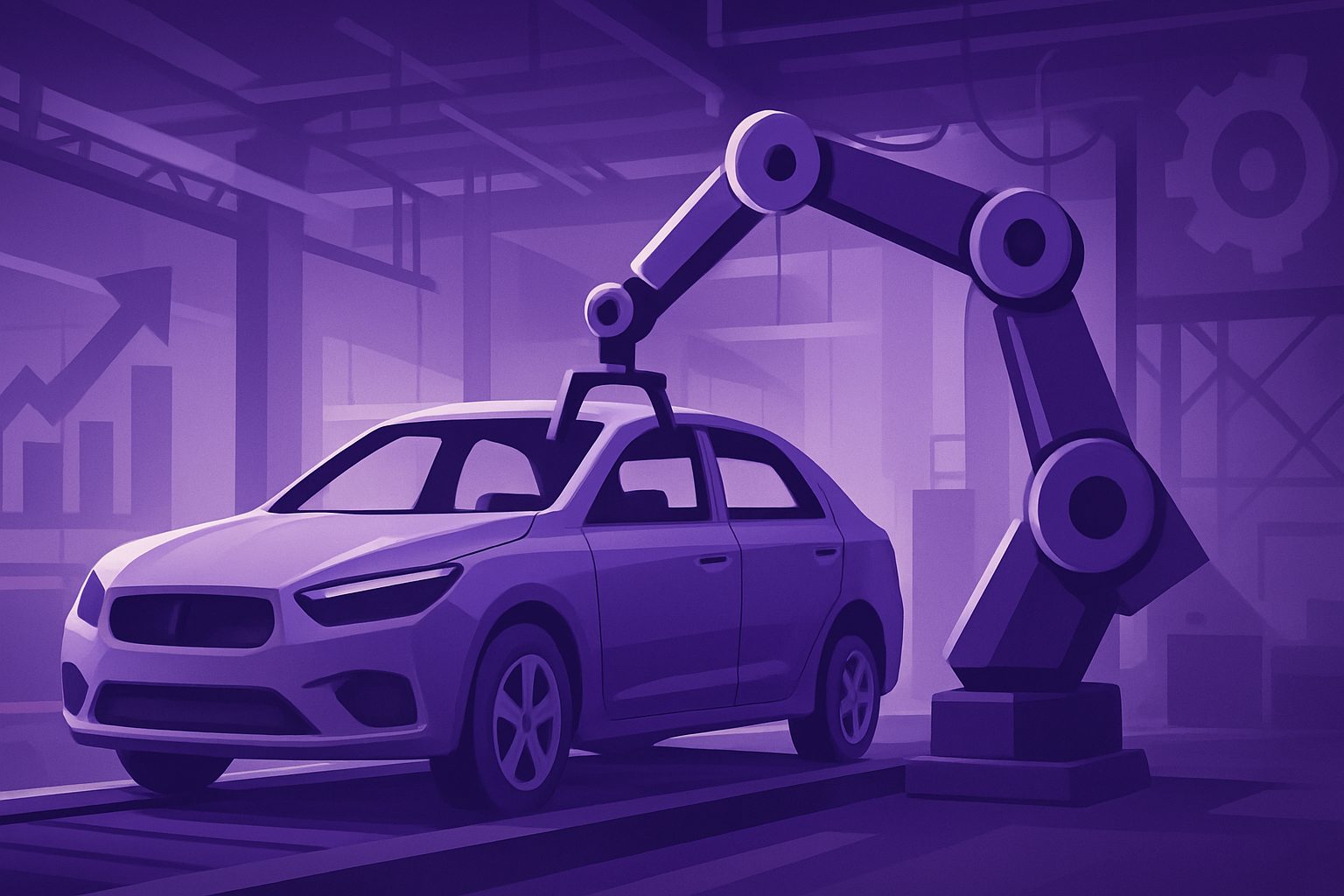
Steel offers a mix of strength, durability, cost-efficiency, and sustainability that few materials can match. These qualities make it essential for India’s fast-growing automotive sector, especially as safety norms tighten and EV production expands.
Strength and crash performance
Modern vehicles rely on advanced high-strength steel, ultra-high-strength steel, and press-hardening steel. These grades offer high tensile strength and better energy absorption during a crash. They also help manufacturers improve BNVSAP and GNCAP safety ratings.
Lightweighting
Third-generation AHSS and martensitic steel allow thinner, lighter parts without losing strength. This supports fuel efficiency in ICE vehicles and helps offset battery weight in EVs. Indian mills such as Tata Steel, JSW, and AM/NS now supply several of these grades locally.
Formability and design flexibility
High-formability steel enables complex shapes needed in modern body-in-white designs. This is important for both structural parts and EV battery enclosures, where precision and stiffness matter.
Cost efficiency and localisation
Steel remains more cost-effective than aluminium or composites. India’s expanded automotive-grade CR and coated-steel capacity reduces import dependence and strengthens supply security for OEMs and tier-1 suppliers.
Corrosion resistance and coatings
Galvanised and galvannealed coatings protect parts exposed to weather or battery-pack heat cycles. These coatings are crucial for long-term durability and NVH performance.
Recyclability
Steel is fully recyclable, supporting India’s push towards greener automotive manufacturing and the Government’s decarbonisation commitments.
Overall, ongoing innovation in India’s steel sector, supported by PLI incentives and green-steel investments, has made advanced automotive steel more accessible to domestic manufacturers.
Steel in vehicle structures
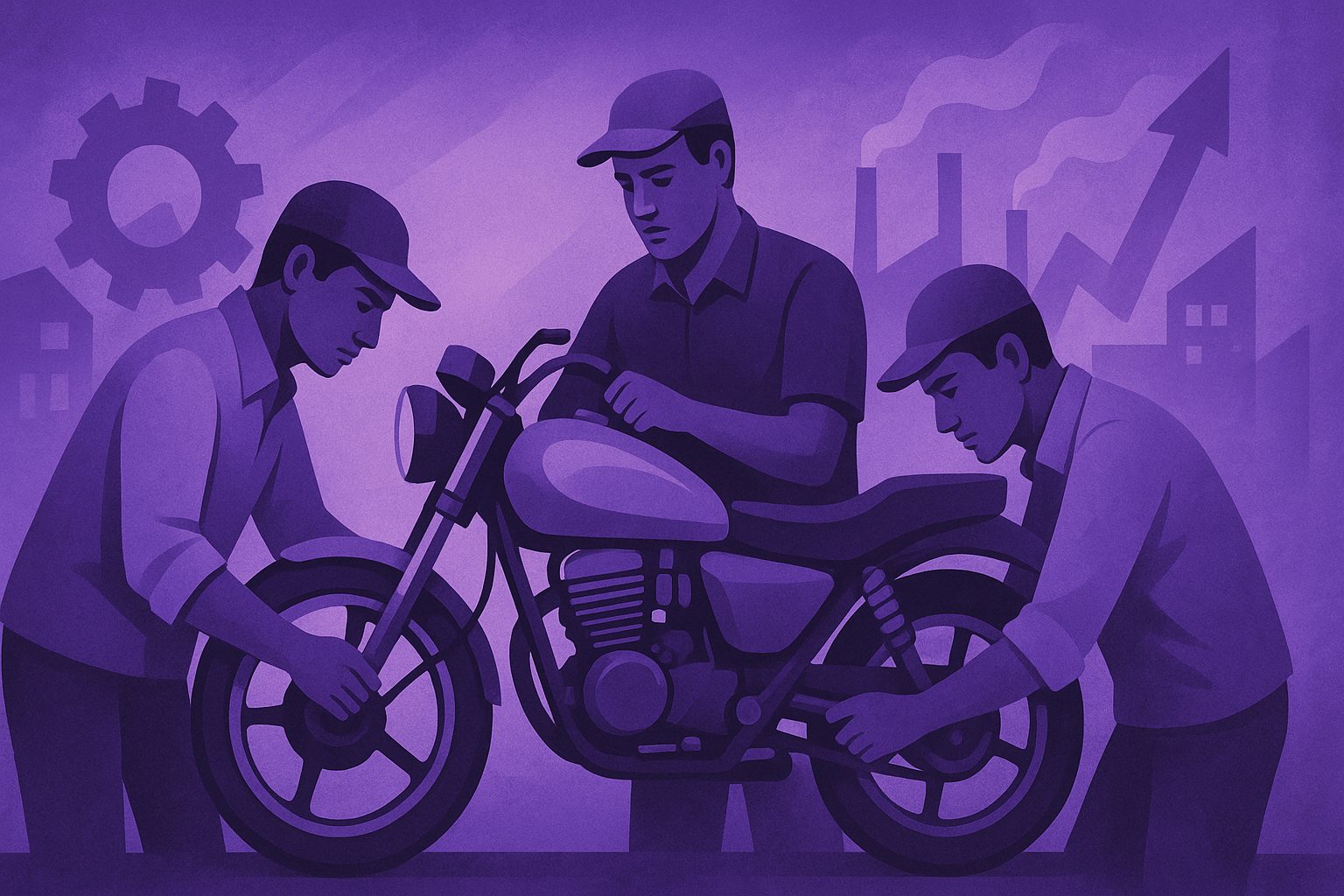
Steel remains the core material for most vehicle frames in India, from two-wheelers to passenger cars and large commercial vehicles. Requirements vary by segment, but strength, safety, and cost efficiency remain the key drivers.
Passenger cars
Modern passenger cars use a mix of advanced high-strength steel, ultra-high-strength steel, and press-hardened parts. These grades improve crash performance and support BNVSAP and GNCAP ratings. Many Indian OEMs now use tailor welded blanks and hot-stamped components in the body-in-white to save weight and increase stiffness.
Most car bodies need a minimum tensile strength of around 440 MPa. AHSS easily meets this, while also helping with lightweighting and fuel efficiency. This balance of safety and cost makes steel the preferred choice over aluminium for most mass-market cars in India.
Electric vehicles
EVs place new demands on structural steel. High-strength grades are used to protect the battery pack, support the skateboard platform, and reinforce the underbody. Thermal management and corrosion resistance are especially important. Indian mills now supply coated automotive steel suitable for EV battery enclosures and motor components.
Motorcycles
Motorcycle frames must support the engine, fuel tank, suspension, and rider weight. Steel provides the necessary strength while allowing curved and complex shapes at a competitive cost. Coated steel helps prevent corrosion. Alternatives such as carbon fibre exist but are far more expensive, making steel the dominant material for India’s two-wheeler market.
Buses and commercial vehicles
Large vehicles rely on strong, rigid frames that can handle heavy loads and long operating cycles. AHSS and high-formability steels offer the right mix of strength, durability, and safety. Their use also supports lightweighting, which helps reduce operating costs for fleet owners.
Types of steel used in vehicles
Different parts of a vehicle need different steel grades, depending on strength, formability, corrosion resistance, and safety needs. As India’s automotive sector grows, more advanced grades are now made locally by mills such as Tata Steel, JSW, and AM/NS.
| Steel type | Key features | Common automotive uses | India relevance |
| Press-hardened steel (PHS) | Very high strength; hot-stamped parts. | Crash structures, pillars, and bumper beams. | Growing use for BNVSAP and GNCAP safety; hot-stamping lines expanding in India. |
| Dual-phase (DP) steel | Good balance of strength and formability. | Body-in-white parts, reinforcements. | Widely supplied by Tata Steel, JSW, AM/NS; helps lightweight mass-market cars. |
| Complex-phase (CP) steel | High strength; improved fatigue resistance. | Chassis parts, structural components. | Increasing demand in SUV and MPV platforms. |
| TRIP steel | High energy absorption; excellent formability. | Doors, bonnets, side-impact zones. | Supports better crash ratings; limited sourcing still depends on imports. |
| Bake-hardening (BH) steel | Strength increases during paint baking. | Exterior panels, closures. | Used by Indian OEMs for dent resistance and lightweighting. |
| Stainless steel | Heat- and corrosion-resistant. | Exhaust systems, engine components. | Important under BS6.2 for thermal management. |
| Galvanised/ galvannealed steel (GI/GA) | Zinc-coated; strong corrosion protection. | Body panels, underbody parts, EV enclosures. | India expanding coated steel capacity for automotive demand. |
| Electrical steel (CRGO & NGO) | Essential for magnetic performance. | EV motors, generators, and battery systems. | Critical for India’s EV push; domestic capacity growing but still import-sensitive. |
| High-carbon steel | High hardness; wear resistant. | Fasteners, tools, and bushings. | Standard in Tier-1 and Tier-2 component manufacturing. |
| Low-carbon steel | Highly formable; easy to shape. | Brackets, small body parts, low-stress components. | Cost-effective and widely available from Indian mills. |
EV manufacturing and green steel trends
How India’s EV boom is changing steel demand in India
- EVs require high-strength and ultra-high-strength steel to balance heavy battery weight.
- Increased use of specialised steel parts: battery trays, protective housings, crash-zones.
- EV platforms need enhanced corrosion-resistant steel due to cooling systems and battery safety.
- Rapid growth of EV OEMs (Tata, Mahindra, MG, Hyundai) is increasing demand for specialised automotive-grade steels.
How decarbonisation is reshaping automotive steel sourcing
- EU CBAM is pushing Indian auto exporters to reduce embedded carbon in steel parts.
- India is scaling green steel pathways like hydrogen-based DRI and renewable-powered steelmaking.
- Leading OEMs (Tata Motors, Maruti Suzuki) are now demanding verified low-carbon steel for future models.
- Suppliers face growing pressure for ESG compliance, traceability, and carbon reporting.
Steel requirements for EV battery packs and motors
| Component | Relevant steel type | Key benefits |
| EV motors | Electrical steel (CRGO, Non-Grain Oriented NGO). | Enables efficient magnetic performance; reduces core losses; critical for motor torque and energy efficiency. |
| Battery enclosures/ trays | High-strength steel, coated steel (GI/GA), stainless steel. | Provides crash protection; supports battery weight; resists corrosion; maintains structural integrity. |
| Thermal management components | Special heat-resistant steels. | Helps manage the high heat generated during charging/discharging; improves battery safety and performance. |
| Underbody battery protection | Ultra-high-strength steel (UHSS), press-hardened steel. | Shields batteries from road impact; meets EV safety norms. |
| Corrosion protection zones | Zinc-coated steels, aluminium-silicon coated steels. | Prevents rust from moisture and road salts; essential for long battery life. |
India’s crash safety norms increasing demand for stronger steel
India’s BNVSAP crash safety norms and the growing consumer focus on GNCAP ratings have pushed automakers to use more advanced high-strength steel (AHSS) and ultra-high-strength steel (UHSS) in vehicle bodies. These stronger grades improve structural rigidity, energy absorption and cabin integrity during a crash. As a result, Indian OEMs are increasingly redesigning body-in-white structures with reinforced zones, hot-stamped parts and stronger steel sections to meet safety targets and deliver higher star ratings.
Lightweighting: Steel vs. aluminium vs. composites in India
In India, cost sensitivity keeps steel as the preferred material for most vehicles, even as aluminium and composites offer weight savings. Premium OEMs often use hybrid structures, combining high-strength steel with aluminium in key areas to reduce weight without compromising safety. For example, Tata, Hyundai, and Mahindra integrate AHSS and press-hardened steel in body frames while selectively using aluminium or composites in hoods, roofs, or EV battery enclosures, balancing cost, performance, and fuel efficiency.
Procurement challenges for automotive steel buyers in India

Price volatility
Challenge: Hot-rolled (HRC) and cold-rolled (CRC) steel prices fluctuate frequently, making cost planning difficult.
Solution: Long-term contracts, bulk agreements, and hedging strategies can help stabilise costs.
Supply variability
Challenge: Availability differs across mills, especially for AHSS, coated, and niche grades.
Solution: Diversifying suppliers and developing strategic partnerships with multiple mills ensures consistent supply.
Lead time issues
Challenge: Longer production and delivery times for specialised grades can disrupt manufacturing schedules.
Solution: Advance planning, safety stock, and collaboration with mills for priority allocation reduce delays.
Import dependence
Challenge: Some advanced steel grades still rely on imports from Japan or South Korea.
Solution: Localisation initiatives, such as sourcing from domestic AHSS/ULSAB suppliers, reduce reliance on imports and shorten supply chains.
Digital procurement solutions
Challenge: Forecasting errors and manual tracking can affect procurement efficiency.
Solution: AI-driven platforms and ERP integration improve demand prediction, optimise sourcing, and streamline supplier management.
Indian government policies influencing automotive steel (2023–2025)
PLI Scheme for specialty steel
The Production Linked Incentive (PLI) programme supports domestic production of automotive-grade and specialty steels, encouraging investment in new facilities and advanced technologies.
Vehicle scrappage policy
By promoting the replacement of old vehicles, the policy increases demand for new steel, including recycled and secondary steel, while boosting overall vehicle safety and efficiency.
Green hydrogen mission
Government initiatives to develop green hydrogen for steelmaking help reduce carbon emissions in automotive steel production, supporting low-carbon and sustainable supply chains.
Infrastructure development
Rapid growth in roads, highways, and urban transport projects drives higher demand for commercial and passenger vehicles, which in turn increases the need for high-quality automotive steel.
Forecast 2025–2030: Future of automotive steel in India
| Factor | Expected impact |
| Growth in AHSS/UHSS demand | Increasing adoption of advanced high-strength and ultra-high-strength steels in passenger cars, EVs, and commercial vehicles for crash safety and lightweighting. |
| EV penetration rates | Higher EV production will drive demand for battery-protective structures, skateboard chassis, and specialised coated or electrical steels. |
| Structural steel changes | Vehicle platforms will incorporate hybrid structures and hot-stamped components, requiring more high-strength and formable steel grades. |
| Shift to green steel | Growing use of low-carbon, hydrogen-based, and renewable-powered steel to meet sustainability targets and export compliance (e.g., EU CBAM). |
| Recycled content in supply chains | Increased integration of recycled steel in automotive manufacturing to reduce carbon footprint and support circular economy initiatives. |
Conclusion
Steel remains central to India’s automotive industry, from passenger cars to EVs and commercial vehicles. Advanced grades like AHSS and UHSS support crash safety, lightweighting, and EV battery protection. Domestic mills are expanding capacity and investing in green-steel technologies to meet demand. With government policies and rising EV adoption, India’s automotive steel sector is set for strong, sustainable growth.
Looking to procure steel?
Tata nexarc helps manufacturers, builders and MSMEs source certified steel products, compare prices, and choose the right grade as per IS codes—with complete traceability and procurement confidence.
FAQs
How much steel is used in a typical vehicle in India?
What are AHSS and UHSS?
Why is steel preferred over aluminium in India?
What are tailor welded blanks (TWBs)?
How does BNVSAP affect steel use?
Which steel grades are important for EVs?
Are Indian mills producing EV-grade steel locally?
What is green steel and why is it important?
What challenges do automotive steel buyers face?
How will automotive steel demand change by 2030?
Swati is a passionate content writer with more than 10 years of experience crafting content for the business and manufacturing sectors, and helping MSMEs (Micro, Small and Medium Enterprises) navigate complexities in steel procurement, and business services. Her clear and informative writing empowers MSMEs to make informed decisions and thrive in the competitive landscape.