Check Price Now
Table of Contents
Stainless steel is a critical material for India’s industrial and infrastructure growth. It is widely used across construction, railways, renewable energy, food processing, and manufacturing sectors. Rising public and private investments are expected to keep demand for SS in India strong through 2025–2026. Its corrosion resistance, long service life, and low maintenance make it a preferred choice for both industrial and consumer applications.
What is stainless steel?
Stainless steel, often referred to as inox, is an alloy of iron and chromium designed to resist corrosion. In India, SS is widely used across infrastructure, transport, manufacturing, and processing industries. This is because chromium forms a thin, self-healing oxide layer on the surface, which protects the metal even after minor scratches or damage. This property makes SS suitable for applications where durability, hygiene, and long service life are essential.
Composition of SS
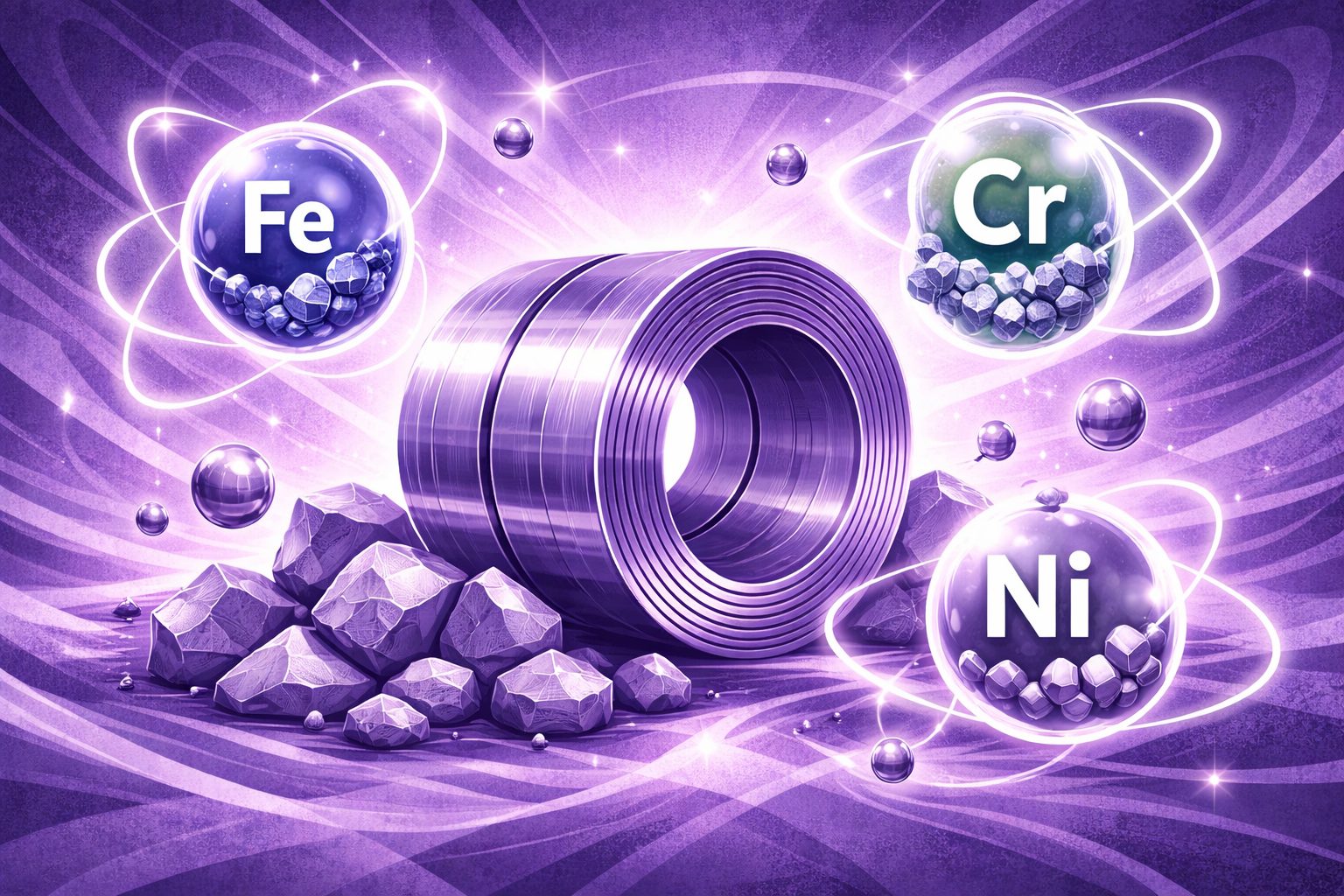
The composition of stainless steel typically includes 10.5% or more chromium, along with iron and controlled levels of carbon. The exact composition varies by grade and end use. Higher nickel content improves formability and toughness, making it suitable for fabrication and consumer goods. Molybdenum enhances resistance to chemicals and saltwater, which is critical for coastal infrastructure, marine applications, and chemical industries in India.
Key alloying elements and their roles
Stainless steel contains several alloying elements that define its strength, corrosion resistance, and performance across different applications.
| Element | Role |
| Iron | Provides the base structure and strength |
| Chromium | Forms a protective oxide layer that prevents corrosion |
| Nickel | Improves ductility, toughness, and corrosion resistance |
| Molybdenum | Enhances resistance to chemicals and saltwater |
| Manganese | Increases strength and hardness |
The cost and availability of key alloying elements directly influence stainless steel pricing in India. Global price movements of nickel and molybdenum have a significant impact on production costs and market rates. This makes careful grade selection and advance procurement planning important for manufacturers, fabricators, and EPC contractors, especially for large infrastructure and industrial projects.
Mechanical properties and features
Corrosion resistance
SS offers excellent resistance to corrosion due to its chromium content. In coastal regions of India and highly polluted industrial zones, SS grades with higher chromium and molybdenum content provide superior resistance to chloride and chemical corrosion. This makes SS suitable for long-term use in harsh operating environments.
High tensile strength
Stainless steel has high tensile strength and resists cracking and deformation under load. This high tensile strength allows it to be used in thinner sections without compromising safety. As a result, it helps reduce material consumption in construction and manufacturing projects.
Aesthetic appeal
Stainless steel has a clean and modern appearance that suits both industrial and architectural applications. It is increasingly used in modern Indian architecture for façades, railings, metro stations, and public infrastructure due to its long-term finish retention and minimal upkeep.
Recyclability
SS is fully recyclable without loss of quality. India’s National Steel Scrap Recycling Policy supports increased use of recycled stainless steel, helping reduce dependence on raw material imports and lowering carbon emissions across the steel value chain.
Types of stainless steel
Selecting the right type of SS depends on corrosion exposure, mechanical load, fabrication requirements, and cost considerations. In India, material choice is often influenced by operating environment, availability, and price volatility of alloying elements.
| Type | India-specific context | Corrosion resistance | Strength | Ductility | Formability | Typical applications in India |
| Austenitic | Largest share of stainless steel consumption; Grade 304 widely used for versatility and balanced cost-performance. | Excellent | Good | High | Excellent | Kitchen utensils, architectural cladding, automotive parts. |
| Ferritic | Gaining popularity as cost-effective alternative; low/zero nickel helps manage raw material price volatility; used in automotive and appliances. | Good | Moderate | Moderate | Moderate | Exhaust systems, building components, chemical processing equipment. |
| Martensitic | Commonly used in cutlery manufacturing clusters and industrial tooling; high hardness suitable for wear-resistant applications. | Good | High | Low | Low | Cutlery, surgical instruments, turbine blades. |
| Duplex | Increasingly adopted in oil & gas, desalination, and chemical sectors; high strength-to-weight ratio and superior corrosion resistance. | Excellent | High | Moderate | Moderate | Oil and gas pipelines, marine structures, chemical processing equipment. |
Manufacturing process
The manufacturing process of stainless steel involves several stages:
- Melting: Raw materials are melted in electric arc furnaces or ladle furnaces.
- Casting: The molten metal is poured into molds to form ingots or slabs.
- Hot rolling: Ingots or slabs are rolled into sheets, plates, or bars.
- Cold rolling: The material is further processed to achieve desired dimensions and finishes.
- Annealing: Heat treatment is applied to soften the material and improve its properties.
Uses of stainless steel

Stainless steel is a versatile metal and is used in variety of industries. Here are some of its common applications.
Kitchen utensils: SS is widely used to manufacture kitchen utensils. The material does not corrode even when it comes in contact with water. Moreover, it can withstand the high temperature required for cooking. Additional benefits include easy cleaning, hygienic material, and safe for cooking food.
Automotive: Steel is an important raw material for the automotive industry. Due to its strength, chemical resistance, and ability to withstand high temperatures, stainless steel is used in various auto components such as exhaust systems, fuel tanks, etc. Thanks to its aesthetic appeal, stainless steel is also used in car exteriors and decorative items.
Medical and surgical equipment: Stainless steel is widely used in manufacturing medical and surgical equipment. One of the advantages of SS is that it can withstand chemical sterilisation process. Additionally, the material is durable and can be easily cleaned. A few implants are also made with stainless steel as the material is to come in contact with a human body.
Construction: Steel is a key raw material in the business of construction. Speaking of SS, it is used for many applications. SS roofing sheets is one of the popular examples of the use of the material in the construction industry.
Other industries: Apart from the industries mentioned above, stainless steel is also widely used in various sectors such as aerospace, oil and gas, chemical, marine, healthcare etc.
Pros and cons of stainless steel
| Pros | Cons |
|---|---|
| Excellent corrosion resistance: Resists rust and corrosion, making it ideal for harsh environments. | Higher cost: Can be more expensive than traditional steel, especially for high-grade stainless steel. |
| Durability and long lifespan: Offers exceptional durability and can last for decades. | May require special maintenance: While generally low-maintenance, certain environments or applications may necessitate specific care. |
| Hygienic and easy to clean: Non-porous surface prevents bacteria growth, making it ideal for food processing and healthcare applications. | Potential for staining: Can stain if not cleaned properly or exposed to harsh chemicals. |
| Aesthetically pleasing: Sleek, modern appearance that enhances the look of products and structures. | May not be suitable for all applications: Not always the best choice for applications requiring extreme flexibility or low weight. |
| Recyclable: Can be recycled multiple times, reducing waste and conserving resources. | May be susceptible to pitting corrosion: In specific environments, pitting corrosion can occur, especially if not properly maintained. |
| Heat resistant: Can withstand high temperatures, making it suitable for industrial applications. | May be prone to fingerprinting: Fingerprints can be visible on polished stainless steel surfaces. |
| Strong and durable: Offers excellent mechanical properties, making it suitable for structural applications. | May be difficult to repair: Damage to stainless steel can be challenging to repair, especially if it involves deep scratches or pitting. |
Must read: List of Stainless Steel Grades in a Chart
Stainless steel pricing and procurement

Stainless steel is produced by leading Indian manufacturers such as Tata Steel, Jindal Stainless, and Steel Authority of India. Businesses can procure stainless steel through multiple channels, including authorised distributors and digital procurement platforms such as Tata nexarc. These platforms allow buyers to post requirements, compare quotes from multiple vendors, and manage delivery efficiently.
When purchasing stainless steel, buyers should consider the following factors:
- Grade: Select the grade based on corrosion exposure, strength, and end use.
- Thickness: Choose the required thickness to meet design and load conditions.
- Finish: Decide on the surface finish, such as polished or brushed, based on application and aesthetics.
- Supplier: Work with reliable suppliers that offer quality assurance and traceability.
Stainless steel pricing in India varies by grade, thickness, and market conditions. Prices are influenced by global alloy prices, energy costs, and import duties. Volatility in nickel and molybdenum prices can lead to frequent changes in market rates. For large or long-term requirements, buyers should track market trends and consider long-term contracts to manage price risk.
Prices may fluctuate frequently. It is advisable to check prevailing market rates before finalising any procurement decision.
Environmental impact and sustainability
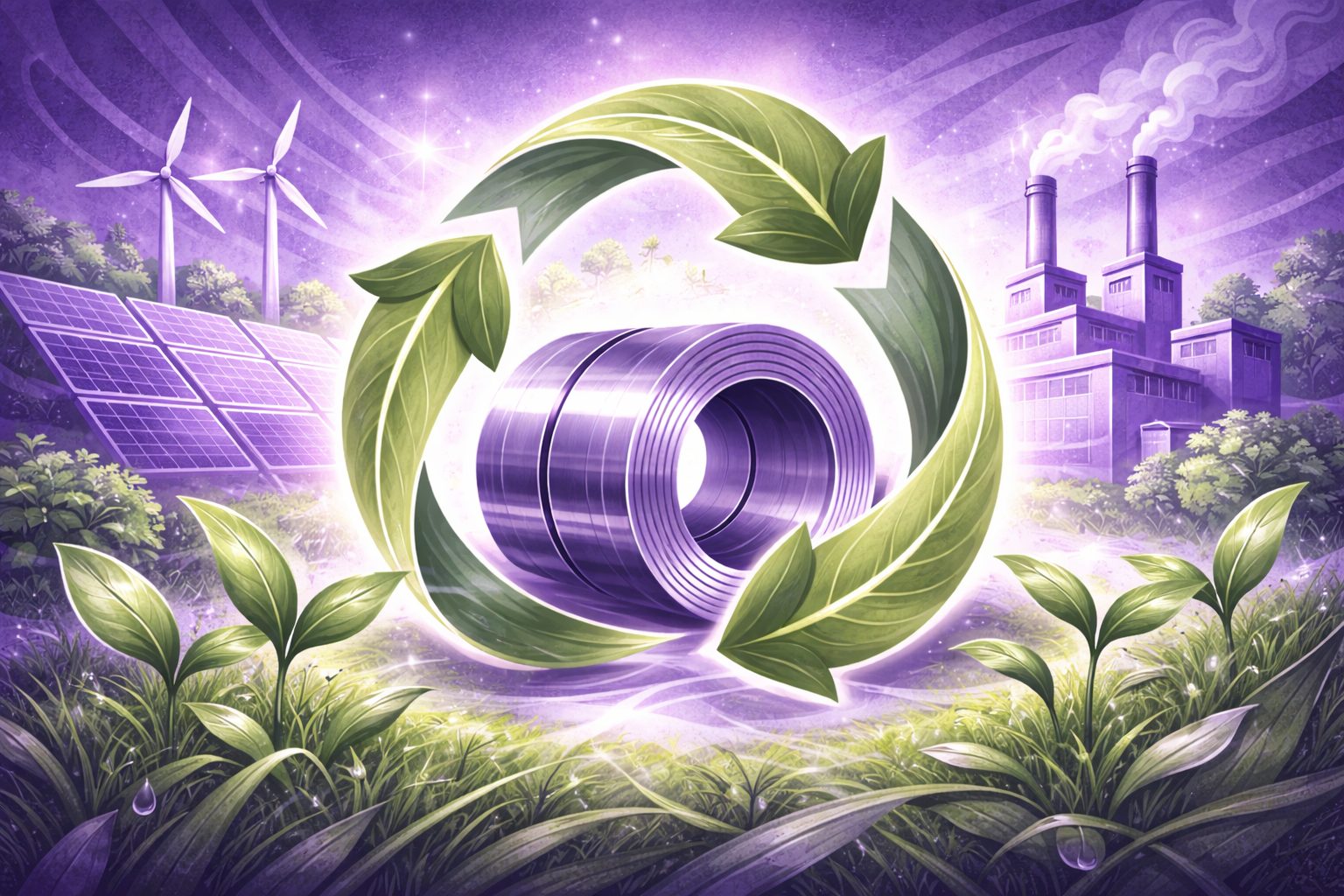
Stainless steel is a highly sustainable material due to its exceptional recyclability. Unlike many other metals, it can be recycled indefinitely without losing quality or performance. Old or damaged stainless steel products can be melted and reused, reducing the need for fresh mining and raw material extraction.
Benefits of recycling stainless steel
- Conserves natural resources: Reduces dependence on iron ore and alloy imports, helping preserve limited resources.
- Reduces energy consumption: Recycling uses significantly less energy than primary steel production.
- Lowers greenhouse gas emissions: Helps reduce carbon emissions across the steel value chain.
- Supports a circular economy: Encourages reuse and recycling, minimising industrial waste.
In addition to recyclability, stainless steel offers other environmental advantages:
- Durability: Long service life reduces the frequency of replacement and material waste.
- Corrosion resistance: Longer performance life lowers repair and replacement needs.
- Low maintenance: Requires fewer cleaning agents and less ongoing resource use.
For Indian companies focused on ESG compliance and sustainability reporting, stainless steel offers a clear advantage. Its recyclability, durability, and low lifecycle emissions support environmental disclosures, green procurement goals, and alignment with India’s long-term decarbonisation targets.
Trends and innovations in stainless steel
| Trend area | Key developments and India-specific relevance |
| Advanced manufacturing | Additive manufacturing, including 3D printing, is being explored for producing complex stainless steel components with lower material waste. This is useful for specialised industrial and engineering applications in India. |
| Nanotechnology | Research is underway to enhance stainless steel properties using nanomaterials. These developments aim to improve corrosion resistance, strength, and antimicrobial performance for industrial and healthcare use. |
| Biocompatibility | Stainless steel continues to be developed for medical implants and devices. Improvements focus on better biocompatibility, durability, and infection control in healthcare applications. |
| Sustainable production | Indian producers are working to reduce energy consumption, water usage, and greenhouse gas emissions through cleaner processes and greater use of recycled scrap. |
| New alloy development | New stainless steel alloys are being designed to deliver higher strength, improved corrosion resistance, and better formability for demanding applications. |
| Smart stainless steel | Integration of sensors and digital technologies enables condition monitoring, data collection, and automation in industrial stainless steel applications. |
| Regulatory and export compliance | By 2025–2026, Indian stainless steel exporters will need to adapt to global carbon regulations such as the EU’s Carbon Border Adjustment Mechanism (CBAM). This is expected to accelerate the adoption of low-carbon production methods and improved emissions reporting. |
Demand shifts and emerging sectors
Stainless steel demand in India is expanding beyond traditional construction and consumer applications.
Emerging sectors driving growth include:
- Electric mobility (EV components and charging infrastructure)
- Hydrogen infrastructure (storage, pipelines, and processing units)
- Desalination plants (marine-grade and corrosion-resistant materials)
- Renewable energy (solar, wind, and green hydrogen facilities)
Aligning production and inventory with these sectors allows buyers and producers to:
- Capitalise on premium applications
- Stay competitive in a changing market
- Meet evolving regulatory and ESG requirements
Conclusion
Stainless steel remains a key material for India’s industrial and infrastructure growth. Its durability, corrosion resistance, and low maintenance make it ideal for diverse applications. Emerging sectors such as electric mobility, renewable energy, and hydrogen infrastructure are driving new demand. Smart procurement, sustainable production, and regulatory compliance will shape the Indian stainless steel market in 2026 and beyond.
Looking to procure steel?
Tata nexarc helps manufacturers, builders and MSMEs source certified steel products, compare prices, and choose the right grade as per IS codes—with complete traceability and procurement confidence.
FAQs
What is stainless steel?
What are the main types of stainless steel?
Which stainless steel grade is most popular in India?
Where is stainless steel used in India?
How is stainless steel priced in India?
How can I procure stainless steel efficiently?
What are the environmental benefits of stainless steel?
How should stainless steel be maintained?
What are emerging sectors for stainless steel in India?
How is innovation shaping stainless steel use?
Swati is a passionate content writer with more than 10 years of experience crafting content for the business and manufacturing sectors, and helping MSMEs (Micro, Small and Medium Enterprises) navigate complexities in steel procurement, and business services. Her clear and informative writing empowers MSMEs to make informed decisions and thrive in the competitive landscape.