Check Price Now
Table of Contents
By 2026, India is firmly the world’s second-largest steel producer after China. Output continues to rise, supported by infrastructure spending, manufacturing growth, and new capacity. While global markets remain volatile, India stands out for its resilient demand.
Policy has played a central role in this shift. Safeguard duties and related trade measures were introduced to curb low-priced imports. By 2026, these are no longer temporary tools. They are shaping pricing behaviour, supply planning, and sourcing decisions across the steel value chain.
What India’s steel sector reset means for buyers and producers
Steel remains central to India’s economic trajectory. It underpins growth in multiple sectors, including:
- Infrastructure such as roads, railways, ports, and urban transport.
- Manufacturing segments like automotive, capital goods, and engineering.
- Housing, urbanisation, and industrial development.
What this means for steel producers
- Greater focus on margin protection and pricing discipline.
- More emphasis on capacity utilisation and phased expansion.
- Strategic positioning against imports and global oversupply.
What this means for steel buyers
- Shifts in availability between domestic and imported material.
- Changing price dynamics linked to policy and supply controls.
- A stronger need for long-term sourcing and risk management.
| Aspect | Impact by 2026 |
| Policy | Safeguard duties shaping market stability |
| Demand | Infrastructure-led and resilient |
| Market focus | Balance between protection and competitiveness |
As India moves through 2026, these forces together define a reset. Understanding this shift is critical for steel buyers and producers planning for the next phase of the market.
Recent policy developments

By 2026, government policy has become a defining force in India’s steel market. The focus has shifted from short-term fixes to a more structured, long-term approach aimed at protecting domestic producers while supporting sustainable growth.
A key element of this strategy is the use of safeguard duties and import tariffs on select steel products. These measures are designed to limit the impact of low-priced imports and stabilise the domestic market. According to Reuters, the safeguard duty follows a clear three-year glide path:
- Year 1: 12%
- Year 2: 11.5%
- Year 3: 11%
This phased structure is important. It signals policy continuity rather than sudden intervention. For producers, it supports pricing discipline and improves visibility on margins. For buyers, it reduces the risk of sharp price swings caused by import surges.
Why this matters
- Helps protect domestic prices from undercutting by cheap imports, especially from China.
- Encourages higher utilisation of Indian steel capacity.
- Improves market confidence across the supply chain.
The rationale behind the policy is rooted in past experience. Earlier safeguard duties were temporary and often extended at short notice. This created uncertainty for both producers and buyers. By contrast, the current framework offers greater predictability. Analysts cited by Reuters view this as supportive of pricing power and long-term planning.
However, the approach is not without risks:
- Trade diversion from other exporting countries.
- Potential scrutiny under global trade rules.
- Higher input costs for some downstream users.
Alongside trade measures, the government is using targeted industrial policies to move the sector up the value chain.
Key complementary initiatives
- The Production Linked Incentive (PLI) Scheme for Specialty Steel, which encourages investment in high-grade and value-added products, as highlighted by The Financial Express.
- Strategic planning by the Ministry of Steel, including the Green Steel Mission and a renewed export push, reported by SteelOrbis.
| Policy lever | Objective by 2026 |
| Safeguard duties | Market stability and price support |
| PLI scheme | Higher-end steel production |
| Green Steel Mission | Lower carbon intensity |
| Export strategy | Global competitiveness |
Overall, policy is being recalibrated to balance protection with competitiveness. For India’s steel industry, this marks a decisive shift towards a more stable and strategically aligned growth model.
Supply and demand dynamics
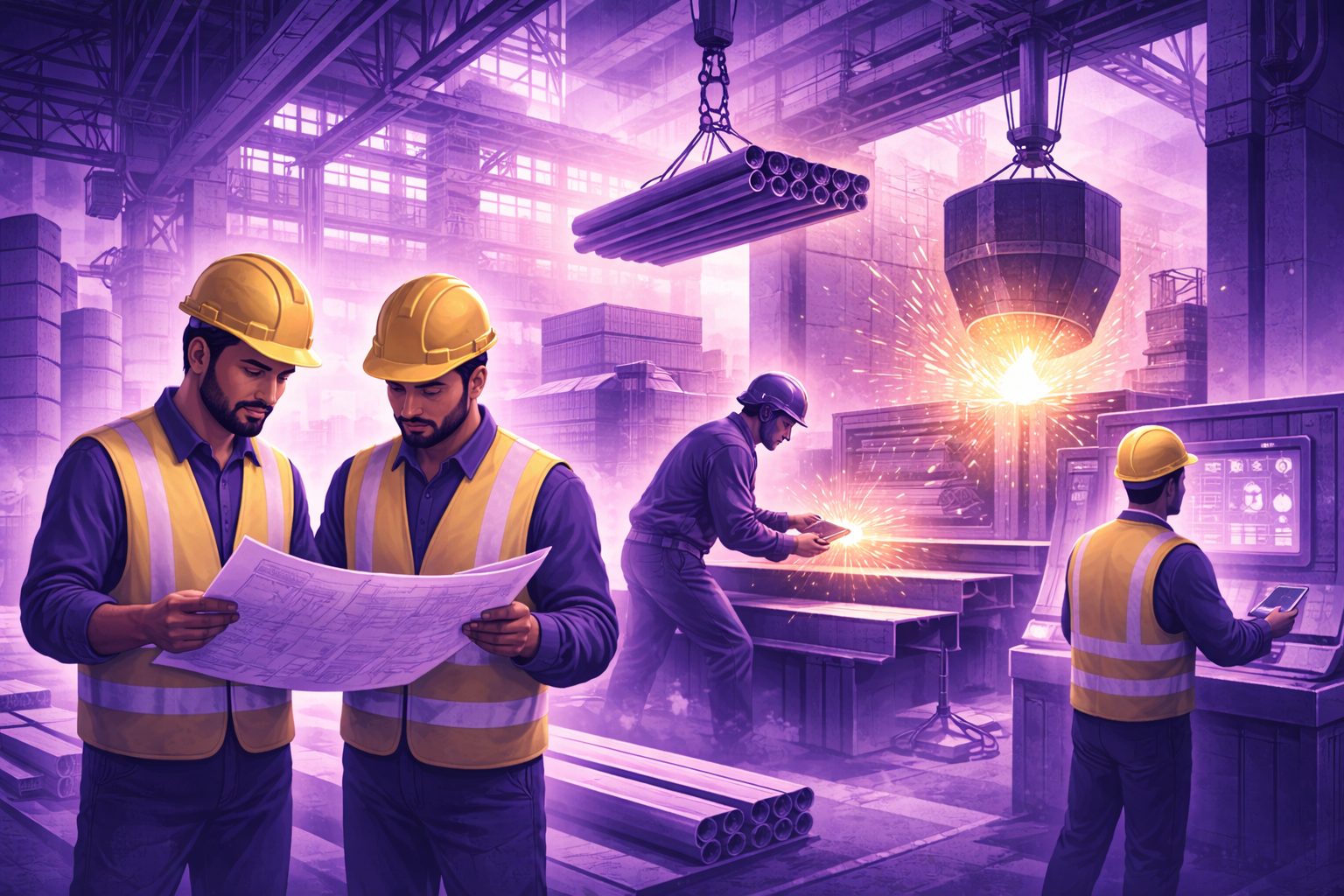
Domestic demand remains the main growth engine
By 2026, steel consumption in India is firmly demand-led. Infrastructure, construction, housing, and capital goods continue to drive volumes. Large government projects in roads, railways, ports, and urban transport provide long-term demand visibility. As reported by The Financial Express, public capex has become the anchor for steel consumption, cushioning the sector from global slowdowns.
Infrastructure drives steel demand
Government-led infrastructure programmes play a critical role in stabilising demand. Steel-intensive projects such as highways, dedicated freight corridors, metro rail, and port modernisation create steady offtake across flat and long products. This has helped domestic demand remain resilient even when export markets weaken.
India’s steel production leads global growth
India’s crude steel production has continued to rise, while global output has largely stagnated. Data from the India Brand Equity Foundation highlights India as a rare growth market in a subdued global steel cycle. This divergence reflects strong domestic consumption rather than export dependence.
Producers maintain strong output
At the producer level, output growth remains visible. Companies such as JSW Steel have reported higher production despite planned maintenance shutdowns, according to Construction World. This points to better asset utilisation, operational efficiency, and confidence in domestic demand.
Capacity utilisation and expansion stay measured
Producers are balancing utilisation and expansion carefully. Capacity upgrades at existing plants are preferred over aggressive greenfield additions. While long-term ambitions, such as reaching 300 million tonnes by 2030, remain intact, near-term expansion is phased to avoid oversupply.
Regional demand remains broad-based
Steel consumption is not concentrated in a single region. States such as Maharashtra, Uttar Pradesh, and Gujarat continue to lead demand, supported by infrastructure investment and industrial activity. Business Standard reports that this regional spread has helped stabilise national consumption trends.
Overall, domestic demand remains the fundamental pillar of India’s steel market. By 2026, consumption growth is broad-based, consistent, and less exposed to global volatility.
International trade and export trends
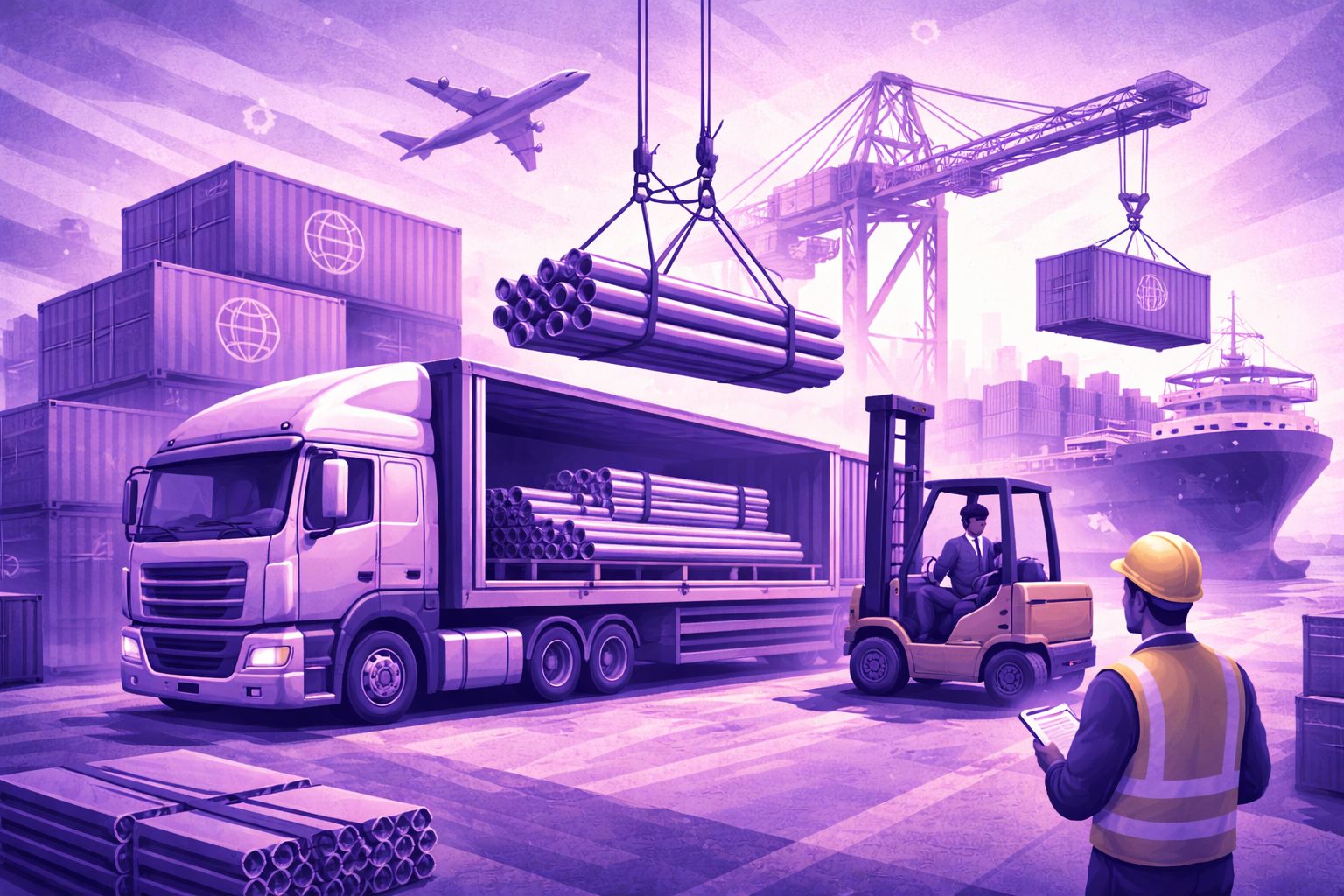
Import pressures challenge domestic prices
Cheap steel imports from countries like China and Korea continue to compress domestic prices and raise competitiveness concerns. According to Reuters, safeguard duties and tariffs have been introduced to curb these inflows and protect Indian producers.
Exports gain momentum
India has started emerging as a net exporter of finished steel at times, thanks to rising domestic production. It is reported that companies are increasingly exploring overseas markets to diversify revenue and reduce dependence on domestic cycles.
Navigating export challenges
Exporting steel is not without hurdles. Changes in EU quotas, WTO rules, and global trade measures affect Indian steel producers’ ability to compete internationally. Strategic planning is needed to optimise market access and comply with evolving regulations.
Global trade context impacts strategy
EU and U.S. trade policies create ripple effects on Indian exporters. Tariff changes abroad can influence pricing, supply decisions, and export volumes, making global market intelligence critical for producers.
Overall, India’s steel sector in 2026 is navigating complex international trade dynamics while leveraging opportunities to expand exports. The balance between protecting domestic producers and competing globally remains a key strategic focus.
Performance of India’s steel sector
| Area | Key highlights (2026) | Implications for producers & buyers |
| Stock market performance | Tata Steel, JSW, SAIL, Jindal saw stock gains after tariff announcements (Reuters). Analysts note price and volume drivers influencing investor confidence (The Economic Times). | Positive sentiment supports investment and expansion. Buyers can expect more stable supplier performance. |
| Operational performance | Milestone production achieved, e.g., NMDC Steel reporting record outputs (The Week). Companies maintain steady output despite maintenance shutdowns (Construction World). | High utilisation indicates efficient operations. Producers can plan capacity use; buyers benefit from reliable supply. |
| Capacity utilisation & expansion | Existing plants upgraded; phased expansions preferred. Long-term targets remain strong, with India aiming for 300 MT by 2030. | Ensures balanced growth without oversupply. Buyers can anticipate steady availability. |
| Profitability & efficiency | Margins affected by energy, raw material costs (iron ore, coking coal), and supply chain challenges. | Producers must manage costs carefully. Buyers may see price impacts from input volatility. |
| SMEs & ancillary sector | Downstream sectors and MSMEs face pressure from rising steel prices. Supply constraints affect small-scale buyers. | SMEs need strategic sourcing. Large buyers may leverage scale to manage cost impact. |
Challenges ahead and possible solutions 
Global competition and overcapacity
Challenge: Chinese steel exports and global price volatility put pressure on domestic producers.
Solution: Safeguard duties, phased tariffs, and focus on niche/value-added steel products.
Raw material volatility
Challenge: Iron ore and coking coal price swings increase production costs.
Solution: Long-term contracts, backward integration, and strategic stockpiling.
Trade and geopolitical tensions
Challenge: WTO disputes and retaliatory tariffs can limit export opportunities.
Solution: Diversify export markets, comply with global standards, and engage in trade diplomacy.
Structural constraints
Challenge: Logistics bottlenecks, limited port capacity, high power tariffs, and environmental compliance costs affect efficiency.
Solution: Invest in transport infrastructure, improve energy efficiency, and adopt greener technologies.
Future outlook and focus areas
| Area | Key focus (2026) | Strategic implications |
| Technological transformation | Adoption of greener steel technologies, increased recycling, and carbon reduction. | Reduces environmental impact, improves efficiency, and aligns with global ESG standards. |
| Value-added products | Focus on specialty steel, automotive steel, and higher-margin segments. | Enhances profitability, diversifies product portfolio, and meets domestic and global demand for advanced steels. |
| Investment & CapEx trends | Planned capacity expansions and modernisation toward 2030. | Ensures sustainable growth, higher utilisation, and better competitiveness in both domestic and export markets. |
| Government vision | Alignment with the National Steel Policy and Make in India initiatives. | Supports domestic industry growth, encourages innovation, and strengthens India’s global steel position. |
Conclusion
In 2026, India’s steel sector has entered a clear phase of reset. Policy measures such as safeguard duties and trade regulations are stabilising the market, while infrastructure-led demand continues to support domestic consumption. Producers are focusing on efficiency, capacity utilisation, and higher-value products, while buyers are navigating availability and pricing pressures.
The sector remains central to India’s economic growth, underpinning infrastructure, manufacturing, and urban development. Short-term policy actions and strategic investments are laying the foundation for long-term competitiveness and global leadership.
Looking ahead, India’s steel industry is expected to balance growth with sustainability, technology adoption, and value addition. For producers and buyers alike, understanding these trends is essential to plan effectively in a market that is both resilient and evolving.
Looking to procure steel?
Tata nexarc helps manufacturers, builders and MSMEs source certified steel products, compare prices, and choose the right grade as per IS codes—with complete traceability and procurement confidence.
FAQs
What is India’s current position in global steel production?
What are safeguard duties, and why are they important?
How do policy changes affect steel buyers in India?
What drives domestic steel demand?
Which regions in India consume the most steel?
Is India exporting steel, and what are the challenges?
How are steel companies performing financially?
What risks does the Indian steel sector face?
What is the future focus of the steel sector?
Why is 2026 a turning point for India’s steel industry?
A product manager with a writer's heart, Anirban leverages his 6 years of experience to empower MSMEs in the business and technology sectors. His time at Tata nexarc honed his skills in crafting informative content tailored to MSME needs. Whether wielding words for business or developing innovative products for both Tata Nexarc and MSMEs, his passion for clear communication and a deep understanding of their challenges shine through.