Check Price Now
Table of Contents
Steel is one of the most widely used materials in modern industry. Different types of steel in India support sectors such as construction, automotive, infrastructure, and engineering. However, steel varies in composition, strength, and corrosion resistance, which affects steel grades in India and the steel price per kg in India.
For buyers and manufacturers, understanding steel classification in India helps in choosing the right material.
Main types of steel
The four main types of steel used globally and across industries in India include:
Carbon steel: Made primarily from iron and carbon. Known for strength, affordability, and versatility. Widely used in construction, structural components, pipes, and machinery.
Alloy steel: Produced by adding elements such as chromium, nickel, or molybdenum. These improve strength, toughness, and heat resistance. Common in automotive, railways, and heavy engineering.
Stainless steel: Contains at least 10.5% chromium, which provides strong corrosion resistance. Used in food processing, medical equipment, kitchenware, and marine environments.
Tool steel: High-carbon steel designed for hardness and wear resistance. Typically used to manufacture cutting tools, dies, molds, and industrial tooling.
Carbon steel
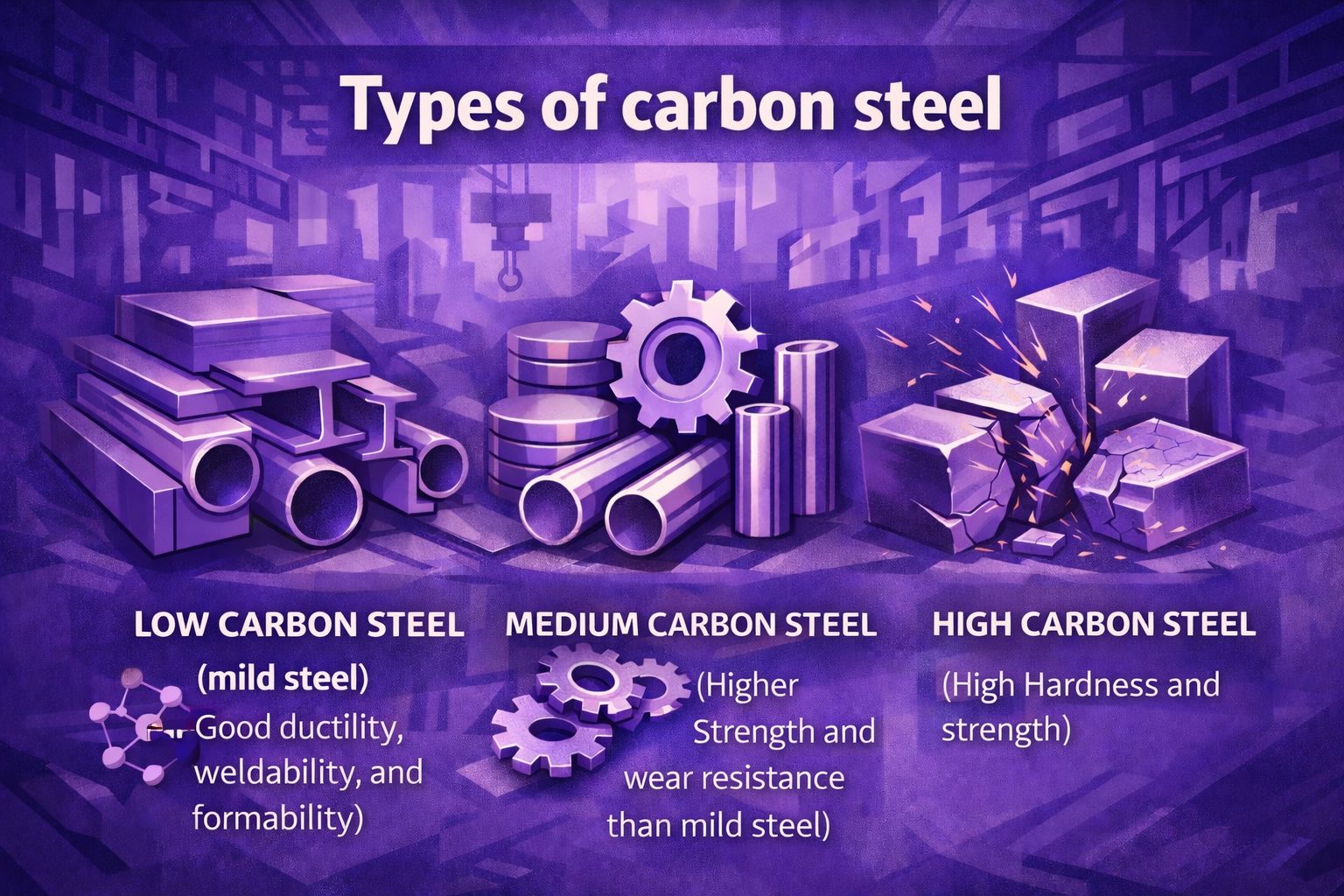
Carbon steel is the most widely used steel category in India. It is primarily made from iron and carbon, with carbon content typically ranging from 0.05% to about 1%. Higher carbon levels increase strength and hardness but reduce ductility. Because it is affordable and easy to manufacture, carbon steel is widely used in construction, manufacturing, and infrastructure projects.
Types of carbon steel
Low carbon steel (mild steel)
Contains up to 0.3% carbon. Known for good ductility, weldability, and formability. It is commonly used in steel sheets, structural sections, pipes, and TMT bars. Mild steel is also widely used in fabrication and general engineering.
Medium carbon steel
Contains 0.3%–0.6% carbon and offers higher strength and wear resistance than mild steel. It is used in shafts, railway components, gears, axles, and heavy machinery parts.
High carbon steel
Contains 0.6%–1% carbon and provides high hardness and strength. It is used in cutting tools, high-strength wires, springs, and industrial blades.
Common carbon steel grades and uses in India
| Carbon steel grade | Typical applications |
| ASTM A36 | Structural steel for buildings, bridges, and fabrication. |
| EN8 (080M40) | Shafts, studs, bolts, automotive components. |
| EN9 (070M55) | Springs, wear-resistant components, machinery parts. |
| AISI 1045 | Gears, axles, crankshafts, engineering parts. |
Key carbon steel applications in India
- Construction and infrastructure projects
- TMT bars and structural steel
- Pipes and tubes for industrial use
- Automotive components and machinery
The MS steel price in Indiatypically ranges between ₹50–₹70 per kg, depending on grade, thickness, brand, location, and market demand.
Alloy steel
Alloy steel is produced by adding specific elements to carbon steel to improve strength, toughness, corrosion resistance, and heat resistance. The alloy steel composition usually includes small amounts of elements such as chromium, nickel, molybdenum, manganese, and vanadium. These additions create high strength steel alloys that perform well in demanding industrial environments.
Key alloying elements and their functions
Chromium: Improves hardness, corrosion resistance, and wear resistance.
Nickel: Increases toughness and strength, especially at low temperatures.
Molybdenum: Enhances high-temperature strength and creep resistance.
Manganese: Improves strength, hardenability, and resistance to impact.
Vanadium: Refines grain structure and increases strength and fatigue resistance.
These elements allow manufacturers to produce specialised alloy steel grades in India for applications that require higher mechanical performance than standard carbon steel.
Common alloy steel grades and uses in India
| Alloy steel grade | Typical applications |
| AISI 4130 | Aircraft parts, automotive frames, structural tubing. |
| AISI 4140 | Gears, shafts, heavy machinery components. |
| AISI 4340 | High-strength parts, crankshafts, aerospace components. |
| AISI 8620 | Case-hardened gears, bearings, automotive transmission parts. |
Key alloy steel applications in India
- Automotive industry (gears, axles, crankshafts)
- Railways (high-strength components and couplings)
- Heavy engineering and industrial machinery
- Power plants and energy equipment
Because of their enhanced mechanical properties, alloy steels are widely used in critical load-bearing and high-performance engineering applications. As of early 2026, the alloy steel price in India typically ranges between ₹80 and ₹150 per kg, depending on the grade, processing, and product form.
Stainless steel
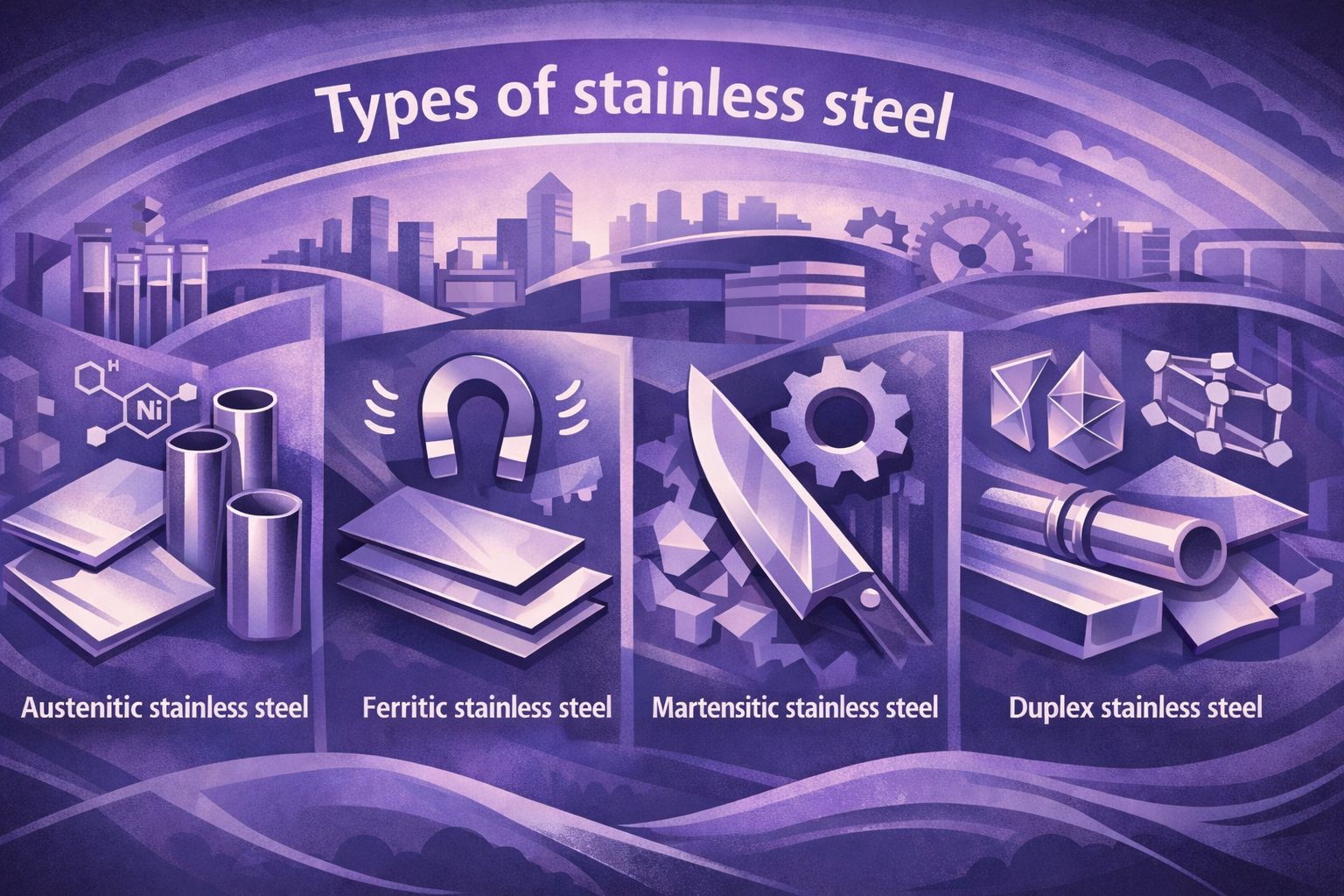
Stainless steel is an alloy of iron that contains at least 10.5% chromium. Chromium forms a thin protective oxide layer on the surface, which prevents rust and corrosion. This property makes stainless steel suitable for environments exposed to moisture, chemicals, or salt. Because of its durability, hygiene, and aesthetic finish, stainless steel is widely used across several industries in India.
Main types of stainless steel
Austenitic stainless steel
The most widely used category. It contains high chromium and nickel content, which provides excellent corrosion resistance and formability. Grades 304 and 316 are common examples.
Ferritic stainless steel
Contains chromium but little or no nickel. It offers moderate corrosion resistance and good magnetic properties. Often used in automotive parts and appliances.
Martensitic stainless steel
Higher carbon content provides hardness and strength. It is commonly used in turbine components, valves, and industrial tools.
Duplex stainless steel
A combination of austenitic and ferritic structures. It offers high strength and excellent resistance to stress corrosion cracking, making it suitable for demanding industrial environments.
Stainless steel grades and uses in India
| Stainless steel grade | Typical applications |
| SS 304 | Kitchen equipment, food processing units, storage tanks. |
| SS 316 | Marine equipment, chemical plants, pharmaceutical machinery. |
| SS 410 | Industrial valves, pumps, turbine components. |
Key stainless-steel applications in India
- Food processing and commercial kitchens
- Pharmaceutical and medical equipment
- Oil and gas processing facilities
- Marine structures and shipping
- Kitchenware and household appliances
As of early 2026, stainless steel prices vary widely depending on grade and nickel content. In the Indian market, SS 304 typically ranges between ₹190 and ₹240 per kg, while SS 316 generally ranges between ₹320 and ₹420 per kg. Prices vary based on thickness, finish, and supplier location.
Tool steel
Tool steel is a specialised category of steel designed for high hardness, wear resistance, and durability. It usually contains high carbon content (around 0.5%–1.5%) along with alloying elements such as tungsten, molybdenum, chromium, and vanadium. These elements improve heat resistance and strength, making tool steel suitable for demanding industrial environments. Because of these properties, tool steel grades in India are widely used in manufacturing and machining industries.
Common types of tool steel
Air-hardening tool steel
Hardens when cooled in air. It offers good dimensional stability and wear resistance.
Oil-hardening tool steel
Hardened by oil quenching. Known for good toughness and reduced risk of cracking.
Water-hardening tool steel
One of the oldest tool steel types. Provides high hardness but lower shock resistance.
High-speed steel (HSS)
Maintains hardness even at high temperatures. Widely used for high speed steel tools such as drills and cutting tools.
Tool steel grades and uses
| Tool steel grade | Typical applications |
| A2 | Punches, dies, and forming tools. |
| D2 | Cold work dies, cutting blades. |
| O1 | Precision cutting tools, gauges. |
Key tool steel applications
- Industrial dies and molds
- Cutting tools and drill bits
- Machine tools and precision tools
As of March 2026, tool steel prices in India typically range between ₹250 and ₹700 per kg, depending on grade, alloy composition, heat treatment, and product form.
Steel grades and their industry uses
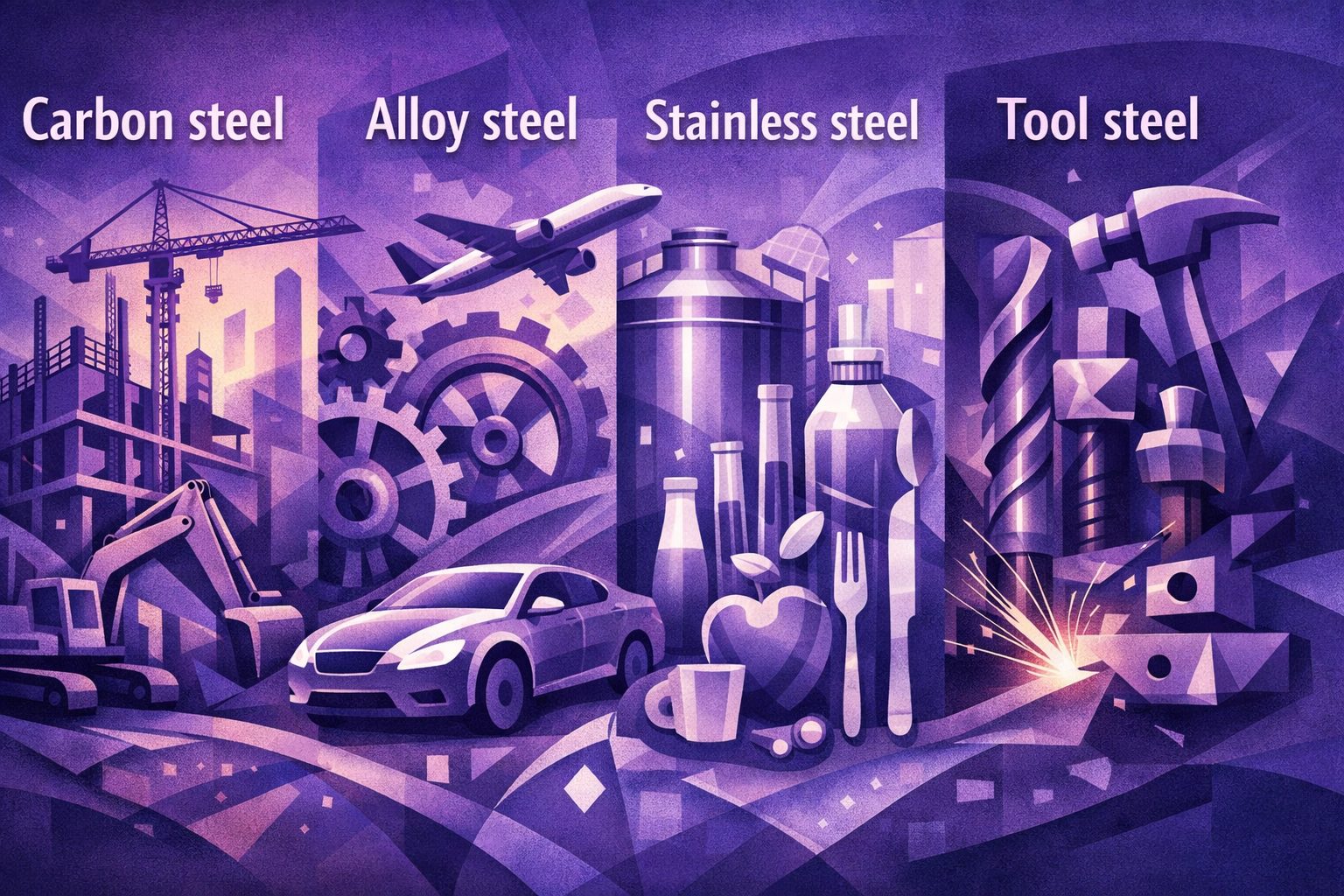
Steel grades define the chemical composition, strength, and mechanical properties of steel. Choosing the right grade ensures the material performs well in its intended application. A steel grades chart in India helps buyers compare properties such as strength, corrosion resistance, and machinability when selecting steel grades for construction or manufacturing projects.
Carbon steel grades for construction and machinery
Carbon steel grades are widely used in infrastructure, structural fabrication, and mechanical components. They provide a balance of strength, ductility, and affordability, which makes them suitable for large-scale construction projects.
Common grades include ASTM A36 for structural components, EN8 for shafts and machine parts, EN9 for springs and wear-resistant components, and AISI 1045 for gears and engineering parts. These grades are frequently used in bridges, structural frames, industrial equipment, and machinery.
Alloy steel grades for automotive and engineering
Alloy steels contain elements such as chromium, nickel, and molybdenum, which improve strength and fatigue resistance. These steels are commonly used in automotive systems and heavy engineering equipment. Popular grades include 4130 for structural tubing, 4140 (EN19) for gears and shafts, 4340 (EN24) for high-strength components, and 8620 for automotive transmission parts.
Stainless steel grades for food and pharmaceutical industries
Stainless steel grades are preferred in industries that require corrosion resistance and hygienic surfaces. For example, SS 304 is widely used in food processing equipment and kitchenware, while SS 316 is used in chemical plants, pharmaceutical equipment, and marine applications due to its higher corrosion resistance.
Tool steel grades for manufacturing tools
Tool steels are designed for hardness, wear resistance, and durability. They are commonly used to manufacture industrial tools that operate under high stress. Grades such as A2, D2, and O1 are widely used for dies, punches, molds, and precision cutting tools used in manufacturing industries.
Steel prices in India
Steel prices in India vary depending on product type, grade, and market demand. Buyers often track the steel price per kg in India or the steel rate today in India before making procurement decisions. Prices fluctuate due to changes in raw material costs, industrial demand, and logistics. For example, TMT steel prices in India typically range between ₹56,000 and ₹68,000 per tonne in early 2026, although local dealer rates may vary slightly depending on brand and location.
Key factors that affect steel prices
Raw material costs: Prices of iron ore, coking coal, and scrap significantly influence steel production costs.
Steel grade: Higher alloy or stainless steel grades usually cost more because they contain additional elements such as chromium or nickel.
Thickness and product form: Steel sheets, coils, bars, and pipes have different processing requirements that affect pricing.
Location and logistics: Freight charges, city demand, and supplier networks can change the final delivered price.
Typical steel price ranges in India (March 2026)
| Steel product/type | Typical price range |
| TMT bars | ₹56–₹68 per kg (₹56,000–₹68,000 per tonne) |
| Hot rolled coil (HRC) | ₹51–₹54 per kg (₹51,000–₹54,000 per tonne) |
| Cold rolled coil (CRC) | ₹55–₹60 per kg (₹55,000–₹60,000 per tonne) |
| Mild steel (MS) | ₹52–₹70 per kg |
| Stainless steel 304 | ₹190–₹240 per kg |
Actual prices may vary based on grade, brand, order volume, and delivery location, so buyers typically request quotations from suppliers for the most accurate rates.
Popular steel forms available in India
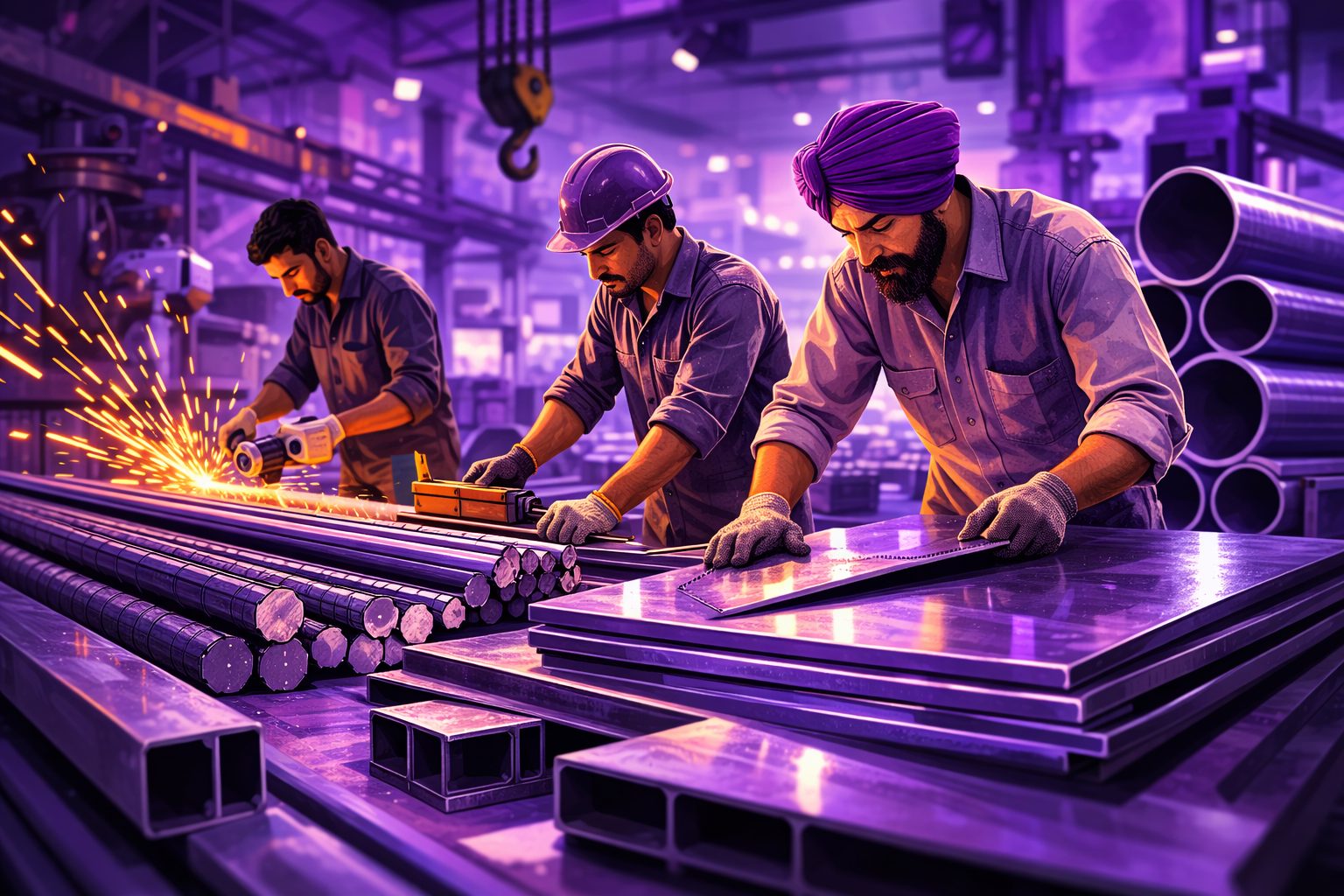
Steel is sold in different shapes and product formats depending on its end use. Understanding the common steel products in India helps buyers choose the right material for construction, manufacturing, or infrastructure projects. Procurement teams usually evaluate steel forms such as bars, sheets, pipes, and structural sections based on design requirements and fabrication needs.
TMT bars: Used for reinforced concrete structures in buildings, bridges, and infrastructure projects.
Steel sheets and coils: Flat steel products used in automotive manufacturing, appliances, fabrication, and roofing applications.
Pipes and tubes: Used in water supply systems, oil and gas pipelines, scaffolding, and structural applications.
Billets and ingots: Semi-finished steel products used as raw material to manufacture bars, rods, and structural steel.
Structural steel: Includes beams, channels, angles, and sections used for industrial buildings, bridges, and infrastructure frameworks.
Wire rods: Used for wires, fasteners, and welding electrodes.
Steel plates: Used in shipbuilding, heavy fabrication, and pressure vessels.
Rails: Manufactured for railway tracks and metro infrastructure.
Bright bars: Precision-finished bars used in engineering and machining.
Forgings: Heavy-duty components used in automotive, power, and industrial machinery.
How to select the right steel grade
Selecting the right steel grade is essential in any procurement process. Buyers should evaluate technical requirements, operating conditions, and quality standards before purchasing. A structured steel procurement guide helps determine how to choose the right steel grade for construction and manufacturing applications.
Strength requirements: Ensure the steel grade meets the load-bearing and mechanical strength needed for the project.
Corrosion resistance: Choose grades with higher corrosion resistance for environments exposed to moisture, chemicals, or marine conditions.
Weldability: Select steels that support easy welding if fabrication, joining, or on-site assembly is required.
Project environment: Consider factors such as temperature, pressure, and exposure to harsh environments when selecting steel grades.
Certification and standards: Verify that the steel complies with recognised standards such as BIS, ISO, or ASTM to ensure quality and reliability.
Conclusion
Understanding steel types and grades in India helps buyers make informed procurement decisions for construction, manufacturing, and infrastructure projects. Each steel category offers specific properties suited to different industrial applications, making grade selection important for performance and durability.
When choosing the right steel, buyers should evaluate technical requirements, price variations, and supplier reliability. Comparing grades, verifying certifications, and sourcing from credible suppliers helps ensure consistent quality and long-term project success.
Looking to procure steel?
Tata nexarc helps manufacturers, builders and MSMEs source certified steel products, compare prices, and choose the right grade as per IS codes—with complete traceability and procurement confidence.
FAQs
What are the main types of steel used in India?
What is the difference between carbon steel and alloy steel?
What are the common stainless steel grades used in India?
What is mild steel and where is it used?
What is the steel price per kg in India in 2026?
What industries use alloy steel in India?
Why is stainless steel corrosion resistant?
What are the common forms in which steel is sold in India?
What factors affect steel prices in India?
How do buyers choose the right steel grade?
Sohini is a seasoned content writer with 12 years’ experience in developing marketing and business content across multiple formats. At Tata nexarc, she leverages her skills in crafting curated content on the Indian MSME sector, steel procurement, and logistics. In her personal time, she enjoys reading fiction and being up-to-date on trends in digital marketing and the Indian business ecosystem.