Give us a missed call on

+91 626 955 5606
[smartslider3 slider="2"]

Try the new way of buying steel

Discover effortless & hassle-free steel procurement

Simplify account payable financing

Save more and enhance supply chain financing

Choose reliable & affordable logistics services

Switch to Tata nexarc today

Grow your business with Government Tenders

Our expert guidance can help you win

Blog

Articles, guides, tips and updates to accelerate business growth in 2023 and beyond

  • All
  • Business Loans
  • Logistics
  • MSME
  • Procurement
  • Tenders

Can India’s small steel producers survive the global push for low-carbon manufacturing? With carbon border taxes, green steel standards, and emission reporting becoming mainstream, MSMEs must act early. This article breaks down decarbonisation pathways, financing options, and compliance steps that can help small firms protect contracts, access credit, and grow responsibly in the era of climate-conscious procurement.

  • All
  • Logistics

Shipment in logistics or shipping logistics refers to the inbound and outbound logistics involved in the transportation of finished goods. Most successful businesses avail the services of third-party logistics for shipping logistics management to benefit from facilities like modern warehousing, competitive rates, etc.

Latest articles

[bdp_post_list show_tags="false" content_words_limit="20" show_read_more="false" limit="7"]
  • All
  • Business Loans
  • Logistics
  • MSME
  • Procurement
  • Tenders

GSTR-4 is an annual GST return for taxpayers registered under the Composition Scheme. It helps eligible businesses report their turnover and tax liability while ensuring compliance with GST regulations. This article covers the GSTR-4 filing process, due dates, eligibility, tax rates, required documents, penalties, refunds, RCM provisions, and key differences between GSTR-4 and other GST returns.

Last updated on: Jun 16, 2026

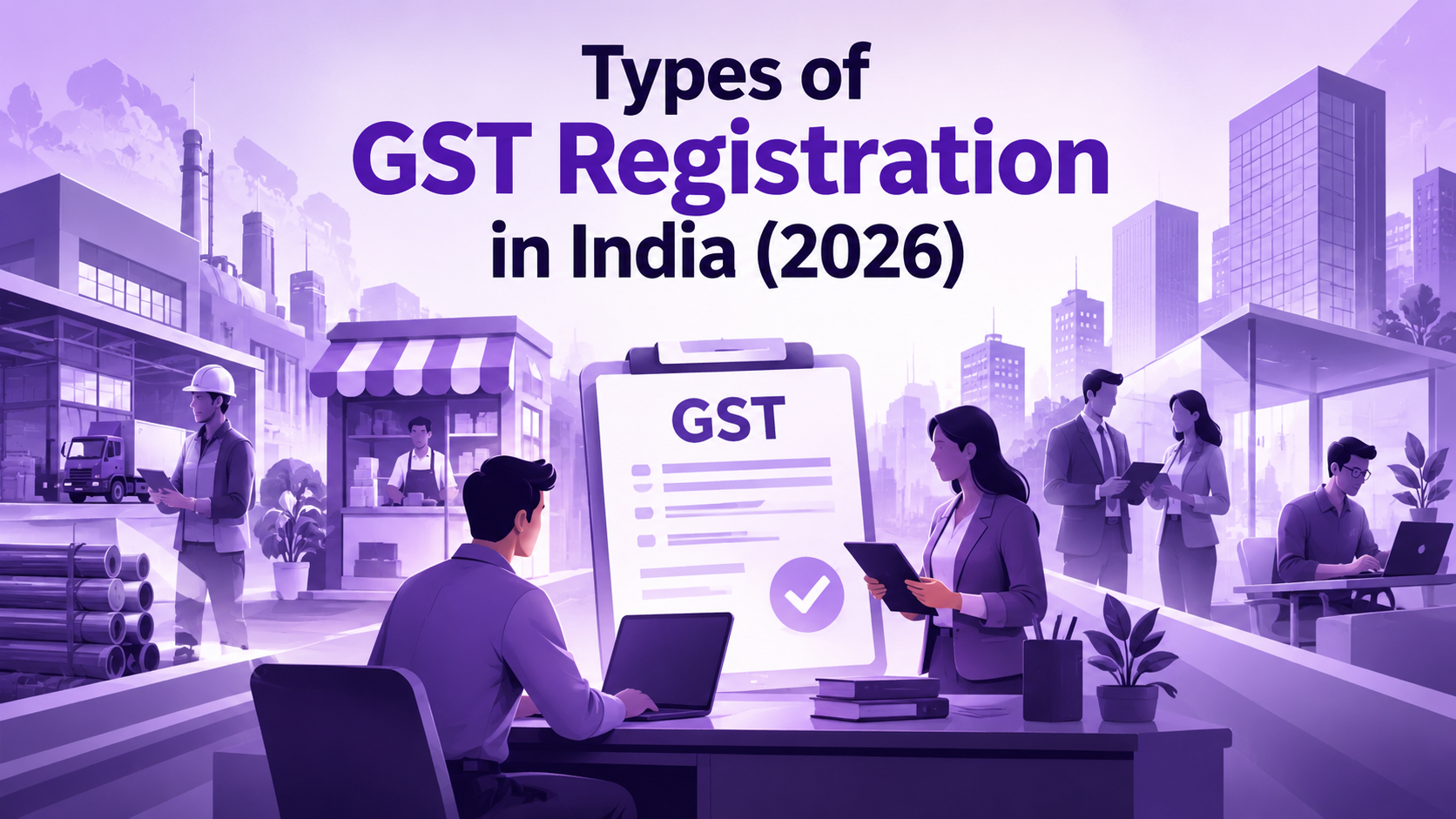
GST registration in India varies by business type, turnover, supply location, and applicable GST provisions. This guide explains the types of GST registration in India in 2026, including regular, composition, casual, non-resident, ISD, SEZ, TDS, and TCS registrations. It also covers voluntary registration and key eligibility considerations for MSMEs. Use this guide to understand which GST registration category may apply to your business.

Last updated on: Sep 22, 2026
Load More

End of Content.

Trending Articles