
 Check Price Now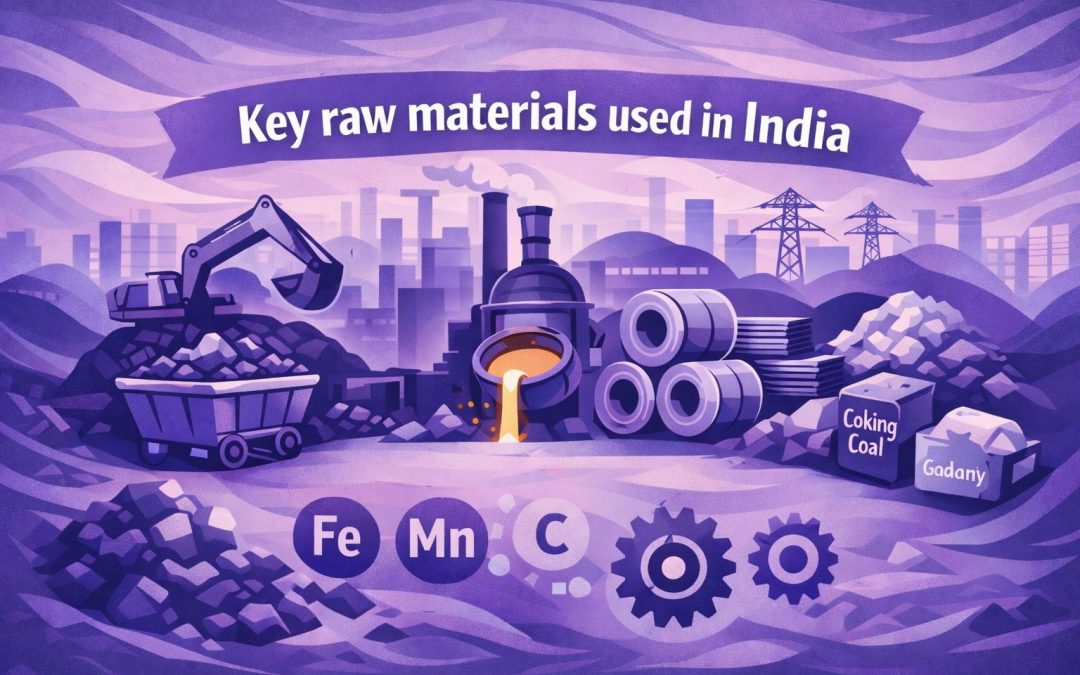
Table of Contents
- What Are Raw Materials?
- Types of Raw Materials: Direct vs. Indirect
- Direct Raw Material Examples in India
- Indirect Raw Material Examples in Indian Manufacturing
- Key Raw Materials Driving India’s Industrial Growth
- Raw Materials for the Indian Steel Industry
- Importance of Raw Materials for Businesses
- Raw Material Price Trends in India
- ESG, Carbon & Sustainability Impact on Raw Materials
- Supply Chain & Import Risks in India
- Conclusion
- FAQs
Raw materials in India sit at the centre of the country’s industrial growth. From steel and cement to energy and electronics, every sector depends on a steady supply of industrial raw materials in India. Massive infrastructure spending, rising steel demand, and the push towards cleaner energy have increased the pressure on supply chains.
At the same time, raw material price trends remain volatile, shaped by global commodity cycles, power costs, freight rates, and currency movements. Businesses can no longer treat raw material planning as routine.
What are raw materials?
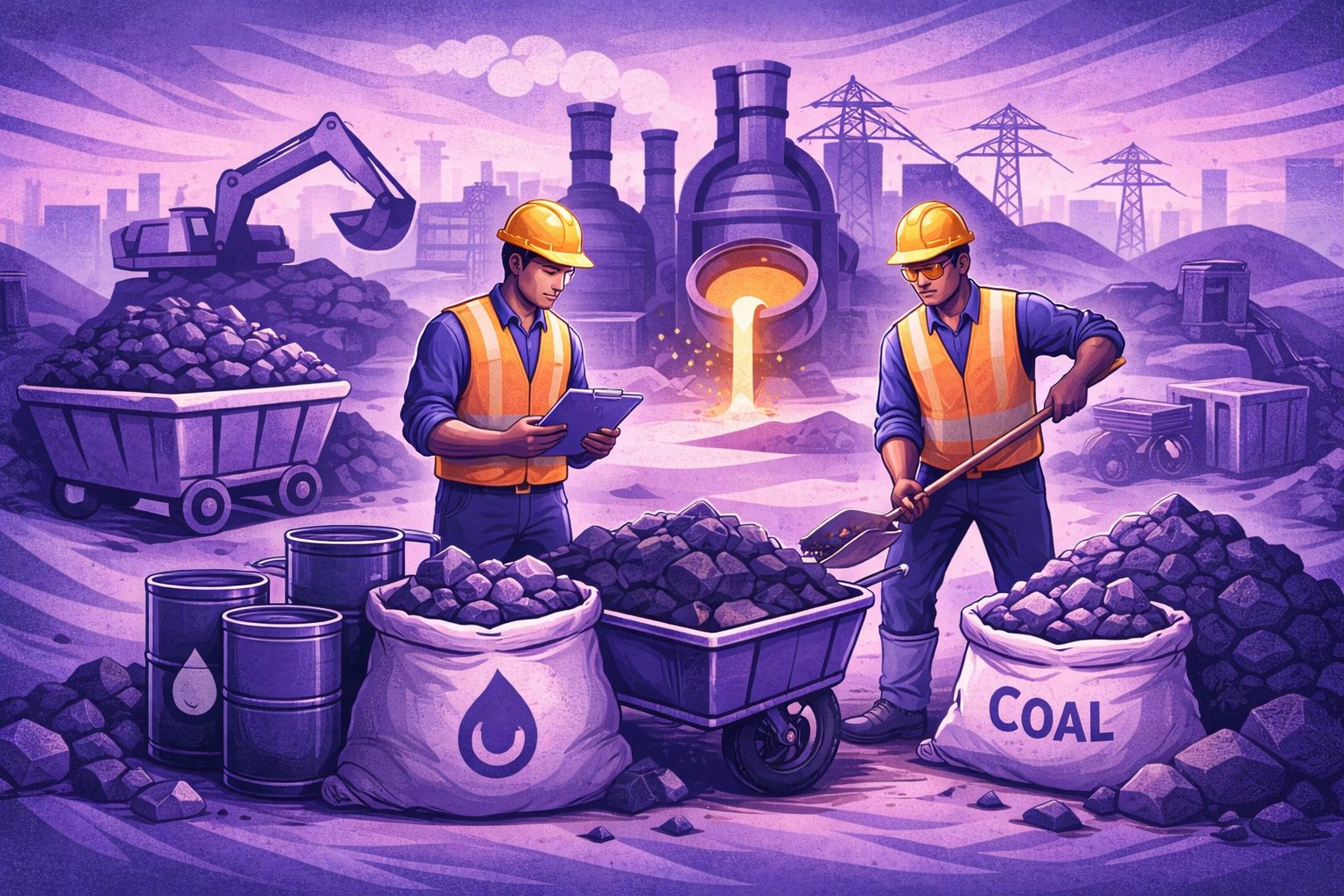
Raw materials are the basic inputs used to produce goods. The raw material meaning in business refers to any material that is processed or converted into a finished product. Without them, manufacturing cannot function.
Raw materials are broadly divided into:
Unprocessed raw materials – Taken directly from nature, such as iron ore, coal, crude oil, and cotton.
Processed raw materials – Already refined but used to make other products, such as steel, cement, aluminium, and fuel.
The types of raw materials in manufacturing vary by sector. In India, steel, infrastructure, power, and automotive industries depend heavily on steady input supplies.
From an accounting angle, raw materials form a key part of the Cost of Goods Sold (COGS). Price changes directly affect margins and cash flow. In 2026, managing raw material costs is a strategic priority for most Indian businesses.
Types of raw materials: Direct vs. indirect
Understanding direct vs indirect raw materials is important for cost control and pricing decisions in Indian manufacturing. The difference lies in how closely the material is linked to the final product.
| Basis of difference | Direct raw materials | Indirect raw materials |
| Definition | Materials that become a core part of the finished product. | Materials used in the production process but not significantly traceable to the final product. |
| Link to product | Physically present in the end product. | Support production but are not part of the final output. |
| Cost treatment | Recorded as part of production cost and directly included in COGS. | Treated as manufacturing overhead or indirect material cost in manufacturing. |
| Examples in India | Iron ore for steel, cotton for textiles, crude oil for refining, timber for furniture. | Lubricants, packaging materials, cleaning chemicals, industrial gases. |
| Steel plant example | Iron ore, coking coal, scrap, and ferroalloys used to produce steel. | Electrodes, refractories, furnace fuel, and maintenance consumables. |
In simple terms, direct raw materials form the core of the final product, while indirect materials support the production process. For steel manufacturers, both are critical: direct inputs affect quality and output, and indirect materials shape efficiency and overall costs.
Direct raw material examples in India
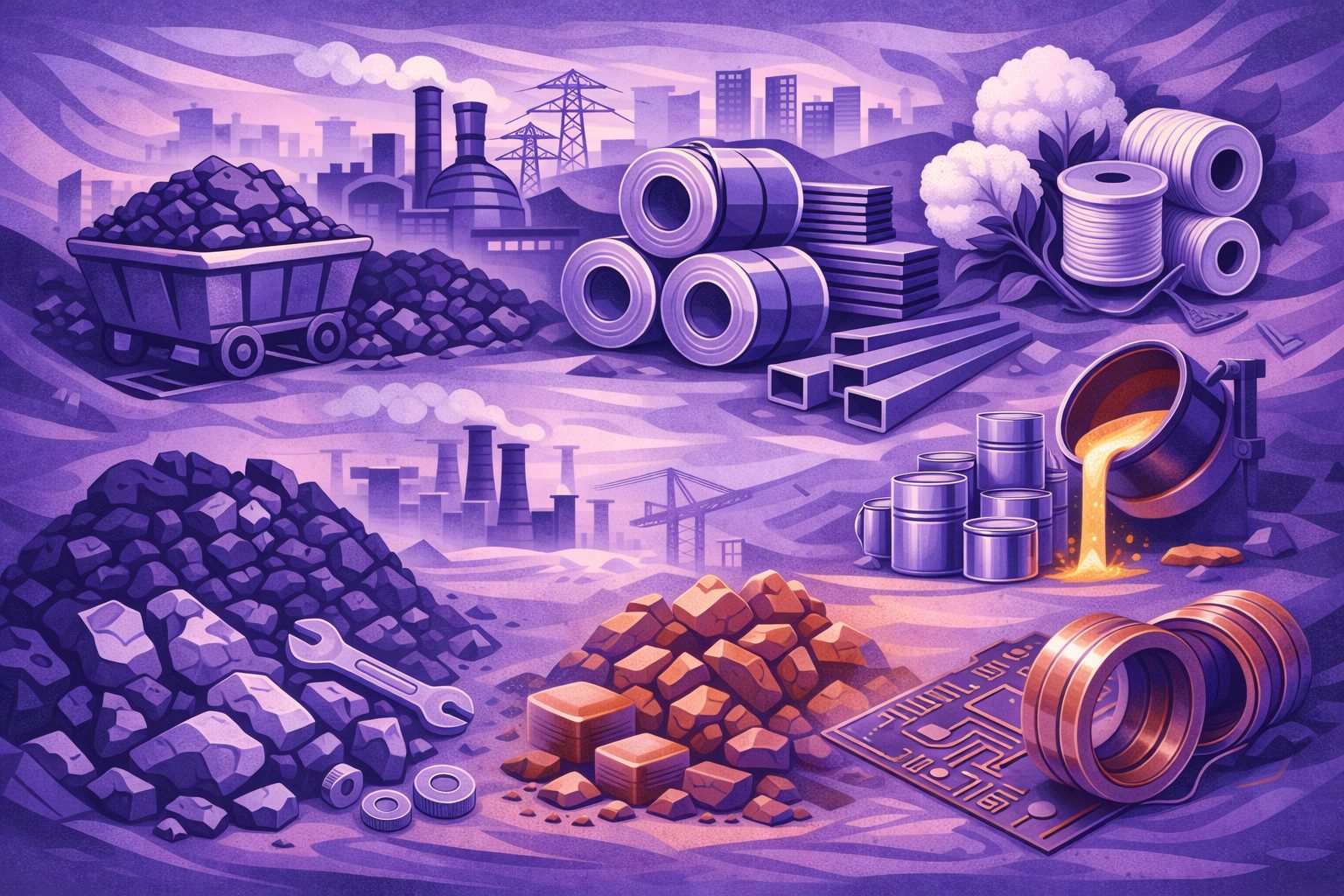
Direct raw materials are inputs that become part of the finished product. These materials form the foundation of production across sectors. Below is an industrial raw materials list India relies on heavily.
Key examples of direct raw materials
Iron ore – The primary input for steelmaking. Major mining states include Odisha and Karnataka. It feeds integrated steel plants and pellet units across eastern and southern India.
Coal – Divided into: Coking coal, used in blast furnace steel production and largely imported.
Thermal coal, used for power generation in industrial clusters such as Chhattisgarh and Jharkhand.
Steel – Though a finished product for steelmakers, it serves as a direct raw material for construction, automotive, engineering, and infrastructure sectors.
Cotton – Widely grown in Gujarat and Maharashtra, it supports India’s large textile and garment industry.
Bauxite – The main ore for aluminium production. Odisha is a leading producer, supplying smelters in eastern India.
Copper – Used in electrical equipment, renewable energy projects, and EV infrastructure. Industrial hubs in Gujarat and Maharashtra process refined copper.
Relevance to industry
| Material | Major use | Key regions |
| Iron ore | Steel manufacturing | Odisha, Karnataka. |
| Coking coal | Blast furnace steel | Imported; coastal plants. |
| Cotton | Textiles | Gujarat, Maharashtra. |
| Bauxite | Aluminium | Odisha. |
These examples of direct raw materials show how closely India’s manufacturing, infrastructure, and energy sectors depend on stable domestic and imported supplies.
Indirect raw material examples in Indian manufacturing
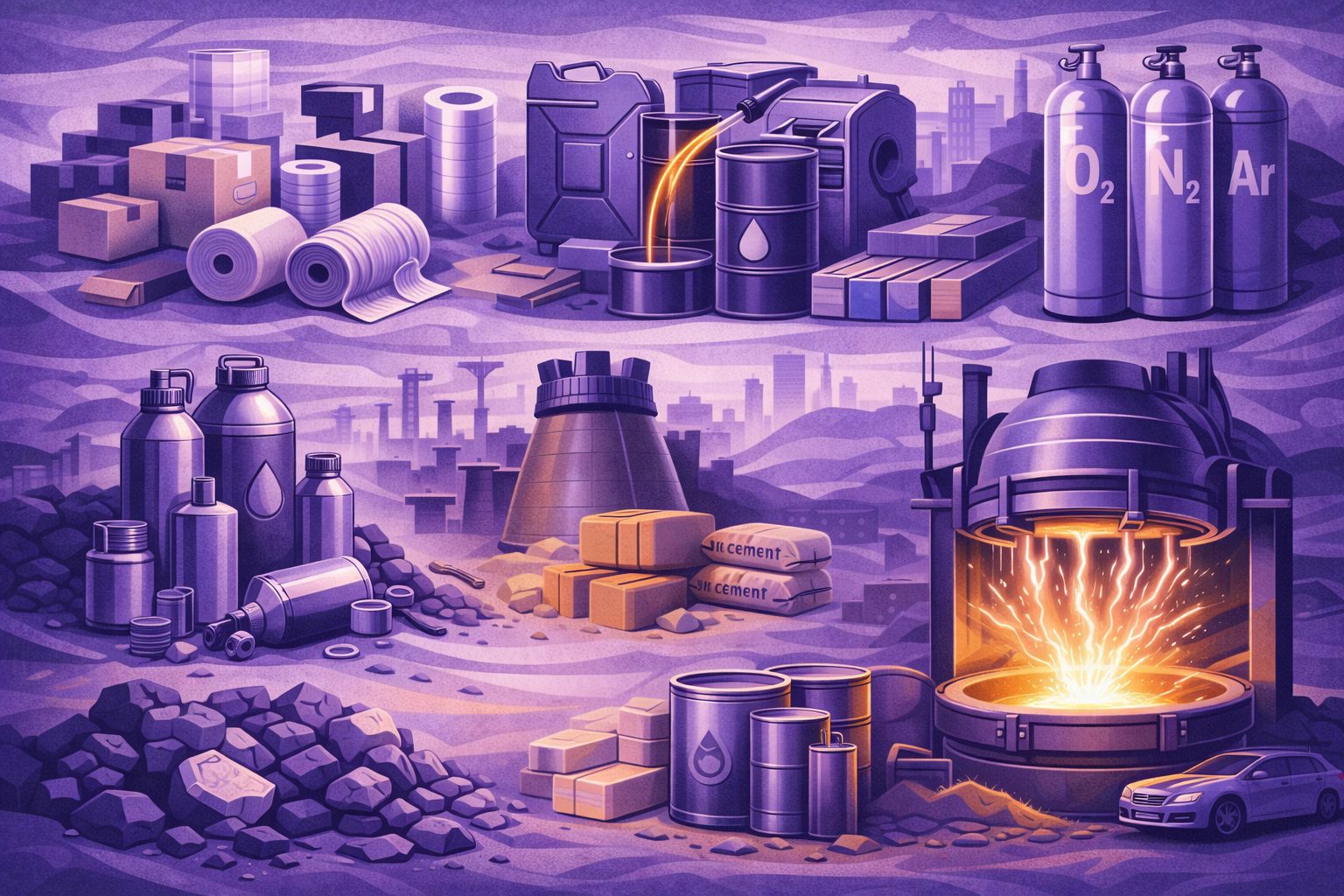
Indirect materials in manufacturing support production but do not form part of the finished product. They are often classified as manufacturing overhead materials and can significantly affect operating costs.
Common indirect materials used in Indian industry
Packaging materials – Used for storage and transport of finished goods. Common in FMCG, steel distribution, and engineering sectors.
Fuel – Diesel, furnace oil, and gas used to power machinery and logistics. Fuel costs remain sensitive to global energy prices in 2026.
Lubricants – Essential for maintaining machinery efficiency and reducing downtime.
Industrial gases – Oxygen, argon, and nitrogen widely used in metal cutting, welding, and steelmaking.
Refractories – Heat-resistant materials that line furnaces in cement and steel plants.
Electrodes – Critical consumables in electric arc furnace operations.
Steel industry illustration
| Indirect material | Purpose | Cost impact |
| Electrodes | Melt scrap in EAF | High value consumable |
| Refractories | Line furnaces | Maintenance-heavy cost |
| Industrial gases | Cutting and refining | Recurring operational expense |
Though indirect, these consumables affect efficiency and energy use, prompting Indian manufacturers to tighten procurement and control costs more closely.
Key raw materials driving India’s industrial growth
Coal
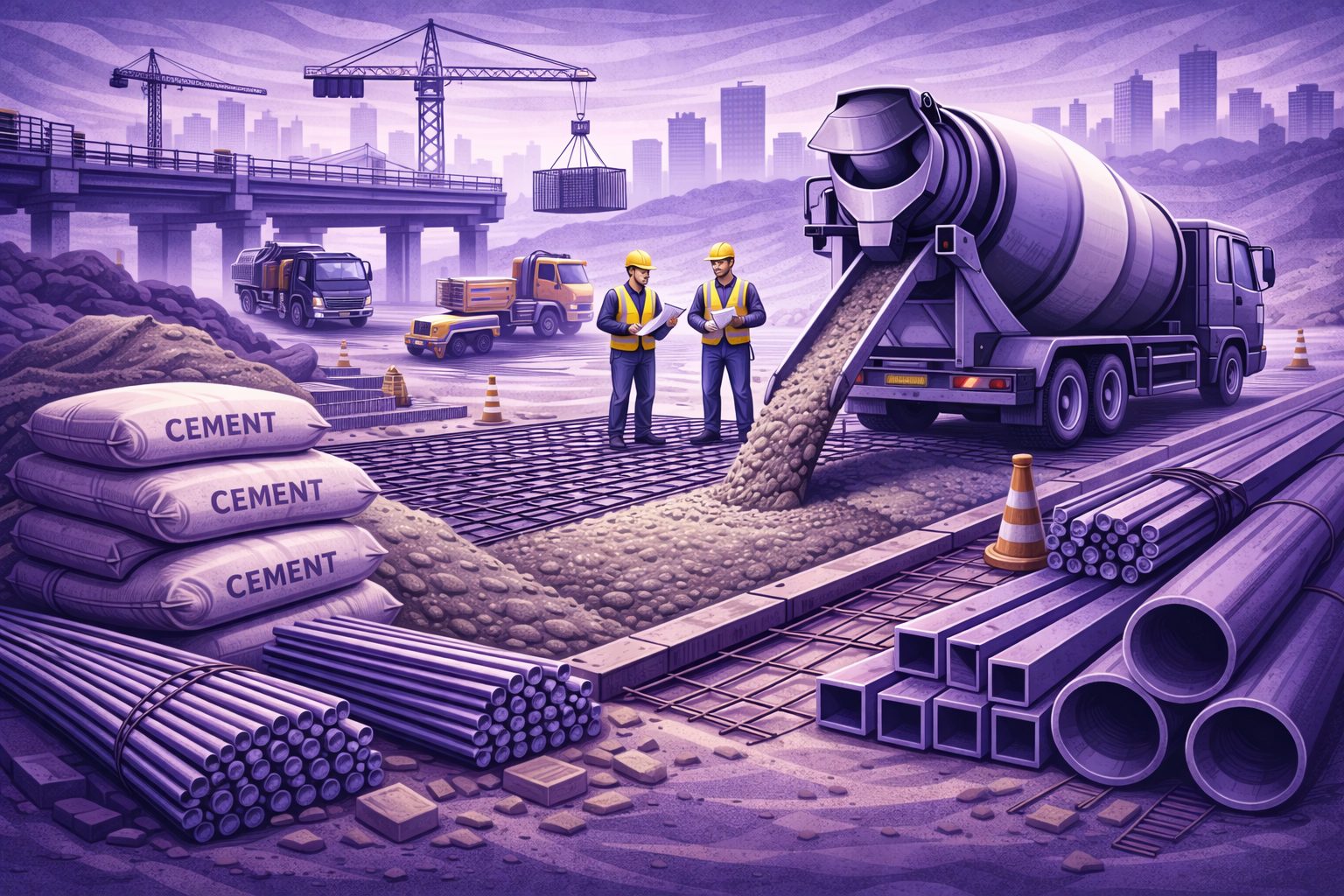
Coal production in India remains central to power generation and heavy industry. Thermal coal supports electricity demand, while coking coal is critical for blast furnace steelmaking. Despite strong coal production in India, dependence on imported coking coal continues. Rising power consumption and industrial expansion keep demand firm.
Iron ore
Iron ore production in India in 2026 supports one of the world’s largest steel industries. Odisha and Karnataka remain key mining hubs. Stable ore supply is essential for maintaining steel output and controlling input costs.
Steel
Steel production in India continues to expand, driven by infrastructure projects, railways modernisation, and urban construction. Demand from real estate and capital goods remains strong. Growth in electric arc furnace capacity is also increasing scrap usage.
Petroleum
Petroleum fuels transport, logistics, and petrochemicals. It directly affects freight rates and manufacturing costs. Industrial clusters rely on stable fuel supply to manage operating expenses.
Natural gas
Natural gas is gaining relevance as a cleaner industrial fuel. It supports fertiliser production, city gas distribution, and selected steel processes. Its role is growing alongside India’s energy transition.
Cement
Cement demand remains closely tied to infrastructure and housing. Large-scale road, metro, and railway projects are sustaining consumption across states.
Raw materials for the Indian steel industry
Iron ore
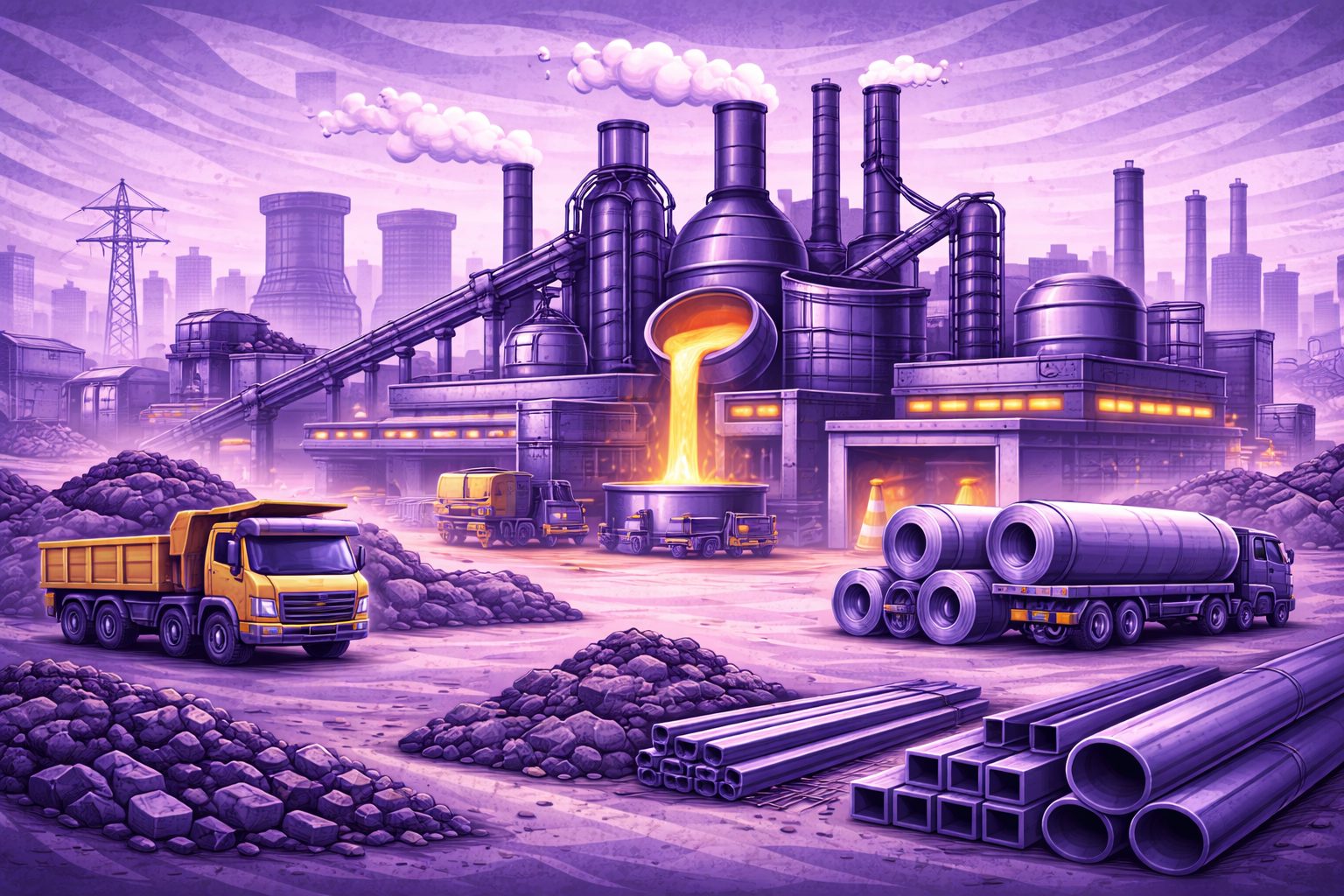
Iron ore is the primary input among raw materials for steel manufacturing. It is mainly used in the Blast Furnace (BF) route, where ore is converted into hot metal. Domestic supply from Odisha and Karnataka supports integrated steel plants.
Coking coal
Coking coal is essential for the BF route, as it produces coke for ironmaking. India remains heavily dependent on imports, mainly from Australia and other global suppliers. This import exposure directly affects steel production inputs in India.
Scrap
Scrap is a key input in the Electric Arc Furnace (EAF) route. With capacity additions in secondary steelmaking, electric arc furnace raw materials such as scrap are gaining importance. The domestic scrap ecosystem is expanding, though organised collection remains a work in progress.
DRI (Direct Reduced Iron)
DRI is widely used in India’s secondary steel sector. It serves as a substitute for scrap or hot metal, especially in regions with access to iron ore and natural gas or coal-based processes.
Ferroalloys
Ferroalloys such as manganese and silicon improve strength and durability. They are added during refining to achieve required steel grades.
Electrodes
Graphite electrodes are critical consumables in EAF steelmaking. They enable the melting of scrap and DRI.
Importance of raw materials for businesses

Impact on profitability
Raw materials often account for a large share of total production cost. Even small price movements can reduce margins, especially in steel, cement, and engineering sectors. Effective raw material management directly supports profitability.
Working capital pressure
Higher input prices increase inventory value and working capital requirements. For MSMEs, this can strain cash flow. Large manufacturers also face tighter credit cycles when commodity prices rise.
Price volatility
Commodity markets remain volatile in 2026. Global demand shifts, energy costs, and currency movements influence domestic prices. Businesses must adopt commodity risk management practices to reduce exposure.
Inventory management
Holding excess stock ties up capital, while low inventory risks production delays. Many companies are using tighter inventory planning and digital tracking to balance cost and supply security.
Long-term contracts and procurement strategy
A strong procurement strategy in India now goes beyond spot buying. Firms increasingly rely on long-term contracts, diversified suppliers, and price-linked agreements to stabilise costs.
Raw material price trends in India
Raw material price trends in 2026 India reflect a mix of domestic cost pressures and global commodity cycles. Prices remain sensitive to energy, logistics, and currency movements.
| Factor | Impact on raw materials | 2026 context |
| Power tariffs | Higher electricity costs increase steelmaking and aluminium production expenses. | Rising industrial power tariffs are affecting electric arc furnace operations and secondary steel units. |
| Freight & logistics | Transport costs influence delivered prices of iron ore, coal, and cement. | Rail capacity constraints and diesel price fluctuations continue to affect inland freight. |
| Global commodity cycle | International demand and supply shifts impact domestic prices. | Slower growth in some global markets contrasts with steady Indian infrastructure demand. |
| Currency movements | A weaker rupee raises import costs, especially for coking coal and crude oil. | Exchange rate volatility directly affects steel price India and fuel-linked inputs. |
| Domestic demand trends | Strong infrastructure demand supports prices; slower real estate activity can soften them. | Government spending on roads, railways, and energy projects is sustaining baseline demand. |
ESG, carbon & sustainability impact on raw materials
Sustainability is changing how raw materials are sourced and used in 2026. Green steel India is moving from concept to execution, with producers investing in lower-emission processes to remain export-competitive. Carbon compliance in the steel industry now requires structured reporting and closer tracking of plant-level emissions.
Decarbonisation in India manufacturing is also influencing input choices. Scrap usage is rising, especially in electric arc furnace units, as companies look to cut carbon intensity. The organised scrap ecosystem is gradually expanding. Pilot projects using green hydrogen are underway, though large-scale adoption remains some years away.
Export regulations such as the EU’s CBAM are increasing pressure on transparency. Sustainability is now shaping procurement strategy and long-term raw material planning.
Supply chain & import risks in India
Port dependency
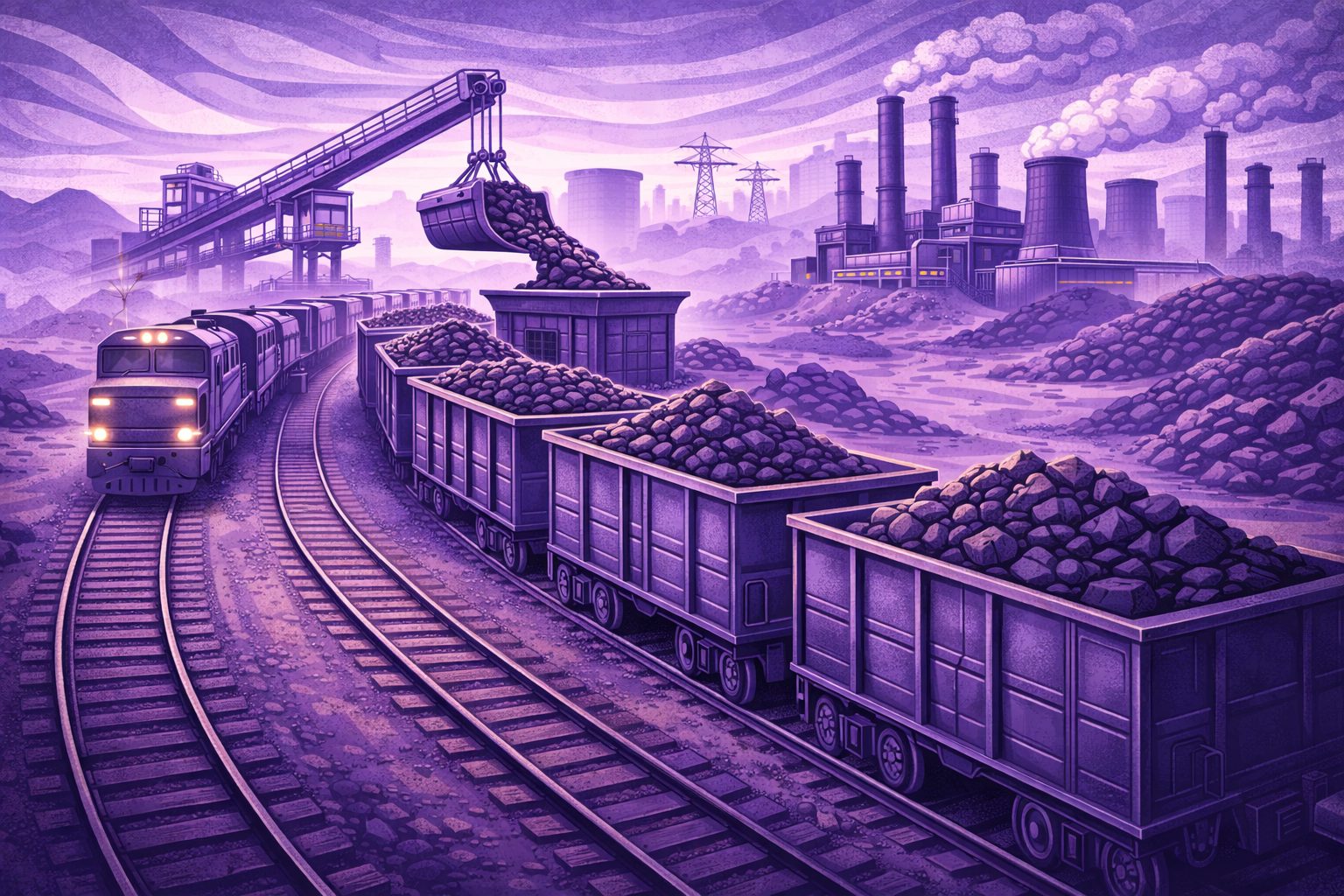
India’s raw material supply chain relies heavily on ports for coking coal, crude oil, and bulk imports. Congestion or weather disruptions can delay shipments and raise costs.
Possible solutions: Diversifying import ports, building higher buffer inventories, and investing in coastal shipping can reduce dependency risks.
Rail logistics
Coal, iron ore, and cement depend on rail connectivity. Capacity limits and freight revisions affect delivery timelines.
Possible solutions: Dedicated freight corridors, multimodal logistics, and long-term freight agreements can improve reliability and cost stability.
Import exposure & geopolitical risks
Coking coal imports India depends on remain vulnerable to global tensions and currency swings, creating manufacturing supply risks and price shocks.
Possible solutions: Supplier diversification, partial domestic sourcing, and structured hedging strategies can limit exposure.
Conclusion
Raw materials remain central to India’s industrial economy in 2026. From steel and cement to energy and manufacturing, growth depends on steady and cost-effective input supply. Price volatility is now a structural reality, shaped by global cycles, logistics, and energy costs. Businesses must treat procurement as a strategic function, not a routine task. Strong raw material planning will be critical to sustaining steel production and supporting India’s long-term infrastructure expansion.
Looking to procure steel?
Tata nexarc helps manufacturers, builders and MSMEs source certified steel products, compare prices, and choose the right grade as per IS codes—with complete traceability and procurement confidence.
FAQs
What are raw materials?
What are examples of raw materials in India?
What is the difference between direct and indirect raw materials?
What are the main raw materials for steel manufacturing?
Why are raw material prices volatile in 2026?
How do raw materials affect business profitability?
Why is India dependent on coking coal imports?
How is sustainability affecting raw material use?
What risks exist in India’s raw material supply chain?
What is the outlook for raw material demand in India?
A product manager with a writer's heart, Anirban leverages his 6 years of experience to empower MSMEs in the business and technology sectors. His time at Tata nexarc honed his skills in crafting informative content tailored to MSME needs. Whether wielding words for business or developing innovative products for both Tata Nexarc and MSMEs, his passion for clear communication and a deep understanding of their challenges shine through.


The distinction between direct and indirect raw materials is helpful for cost estimation and budgeting. It clarifies that while steel and iron ore are crucial components, factors like packaging and equipment also contribute to the overall project cost.
Is there any information about sourcing sustainable raw materials in Chennai? That’s becoming more important to my customers and something I’d like to do better.
Finding eco-friendly materials in Chennai is possible. Industry associations like the CII may have initiatives or resources to aid in your search. Local NGOs focused on sustainability often have connections to eco-conscious suppliers. hope this helps!