Check Price Now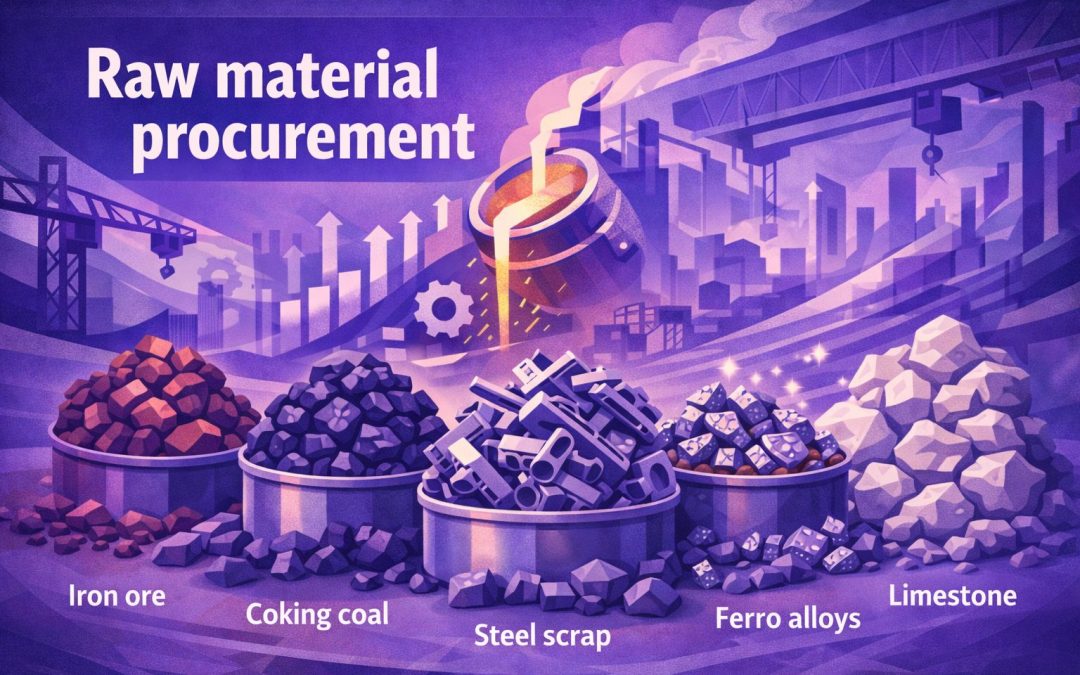
Table of Contents
- What is Raw Material Procurement?
- What Are the 7 Steps of a Procurement Process?
- Smart Strategies for Raw Material Procurement
- Key Principles of Procurement
- Procurement Management in Steel & Manufacturing
- Traditional Procurement vs. eProcurement
- Strengthening Quality Control in Steel Procurement
- Practical Considerations Before Procuring Steel Raw Materials
- Conclusion
- FAQs
Procurement of raw materials is critical to manufacturing in India. For steel buyers in India, raw material sourcing goes beyond negotiating price. Iron ore volatility, imported coking coal dependence, rising freight costs, GST compliance, and working capital pressure directly affect steel procurement and supply chain management.
This guide is built for OEMs, EPC contractors, MSMEs, traders, and integrated steel producers, covering process, strategies, risk factors, compliance, digital procurement, and quality control in India’s steel sector.
What is raw material procurement?

Procurement of raw materials refers to the structured process of identifying, sourcing, evaluating, and acquiring inputs required for production. In the steel sector, this includes iron ore, coking coal, steel scrap, ferro alloys, limestone, and other key inputs.
The raw material procurement process in India goes beyond placing orders. It involves planning volumes, assessing supplier capability, negotiating contracts, managing risk, and ensuring timely delivery.
Procurement vs. purchasing
In an India-focused B2B context:
- Purchasing is transactional. It focuses on raising purchase orders and making payments.
- Procurement is strategic. It covers supplier evaluation, contract management, compliance checks, and long-term sourcing strategy in India.
For steel buyers and manufacturers, procurement decisions consider:
- Total cost of ownership (TCO)
- Landed cost (including freight, duties, and taxes)
- Credit terms and working capital impact
- Supplier reliability and quality certifications
A strong sourcing strategy in India ensures cost control, supply continuity, and competitive pricing in a volatile steel market.
What are the 7 steps of a procurement process?
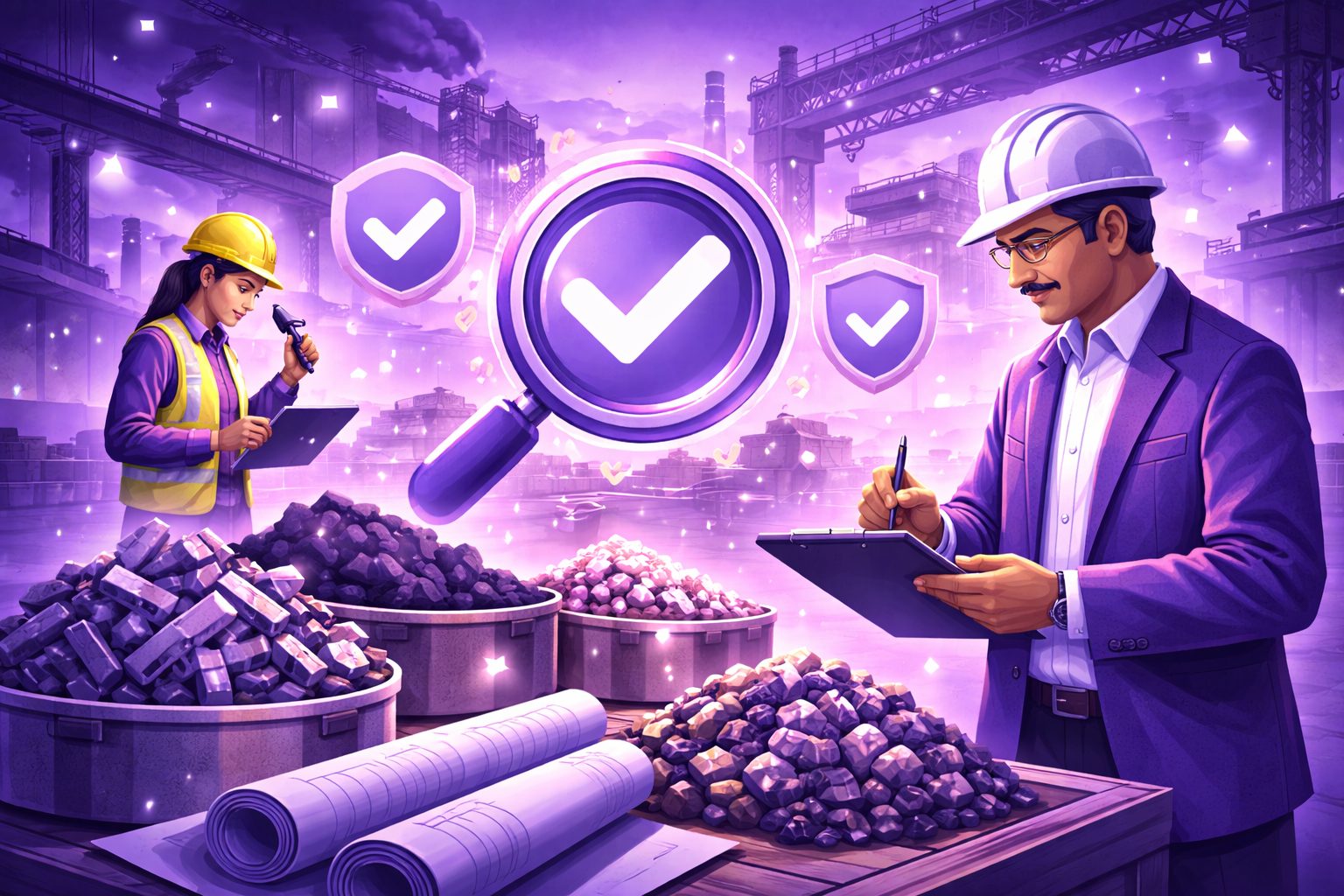
Understanding the procurement cycle steps helps steel buyers reduce risk and control costs. Below is a practical example based on steel scrap or billet procurement in India.
Step 1: Need identification & forecasting
Procurement begins with demand forecasting linked to production planning. Monthly output targets determine scrap or billet quantity, grade, and delivery schedule.
Step 2: Supplier identification
Shortlist suppliers through market research, industry references, and digital platforms. Supplier selection in India must consider capacity, location, and logistics access.
Step 3: Vendor due diligence
Verify GST registration, BIS compliance (if applicable), financial stability, and past performance. This reduces legal and supply chain risks.
Step 4: RFQ & price benchmarking
Float an RFQ process to multiple vendors. Benchmark prices against commodity indices, import parity, and prevailing domestic market rates before negotiation.
Step 5: Contract negotiation
Finalise pricing formula, credit terms, delivery timelines, and key clauses. Include LD (liquidated damages), quality tolerance limits, and dispute resolution terms.
Step 6: Purchase order & delivery
Ensure clear purchase order management. On delivery, generate a GRN (Goods Receipt Note) and record quantities in ERP systems.
Step 7: Quality check & payment
Conduct quality inspection of steel as per agreed specifications. Complete QC approval, invoice reconciliation, and release payment as per contract terms.
Smart strategies for raw material procurement
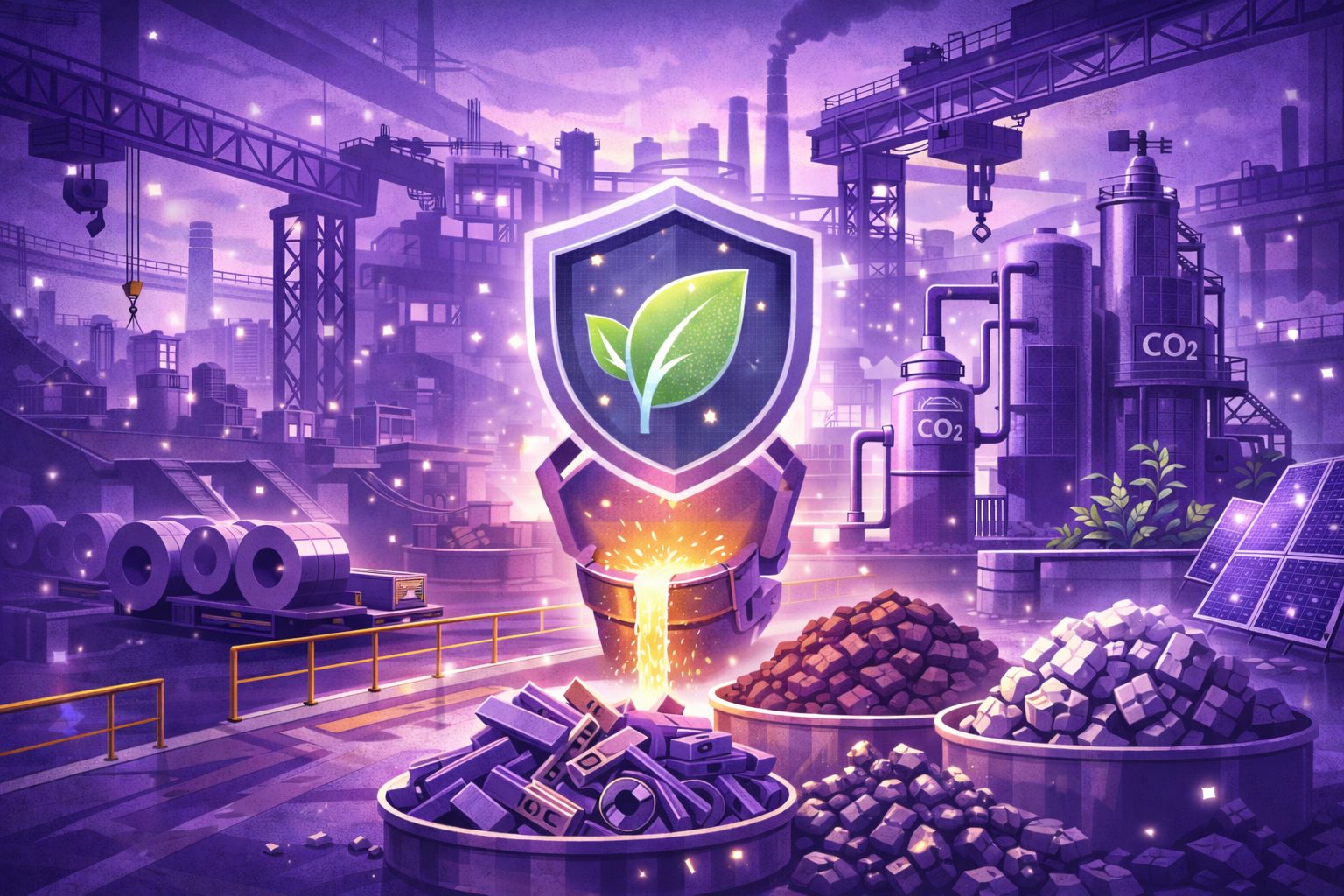
Today, strategic sourcing steel is no longer optional. Volatility in iron ore, coking coal imports, and freight rates makes planning critical.
Supplier diversification
Avoid dependence on a single vendor. Supplier diversification reduces disruption risk from mining bans, port congestion, or policy shifts. Maintain a mix of domestic and import-linked suppliers.
Long-term offtake agreements
Lock in volume through long-term offtake agreements. These contracts help stabilise supply and improve price predictability, especially for iron ore, scrap, and ferro alloys.
Backward integration
Large steel producers are investing in captive mines and renewable power. Backward integration lowers input cost exposure and improves supply security over the long term.
Inventory planning & risk hedging
Strong inventory planning ensures buffer stock during price spikes or logistics delays. Some firms also use hedging commodity risk strategies linked to global indices to manage cost swings.
Digital & import-domestic optimisation
Digital procurement platforms improve transparency, vendor comparison, and spend tracking. Regular import vs. domestic sourcing comparison helps buyers evaluate landed cost, duties, currency impact, and delivery timelines before finalising contracts.
Key principles of procurement
Strong procurement is built on clear principles. For steel buyers in India, these principles ensure cost control, compliance, and long-term supplier trust.
Value for money: Focus on total cost, not just base price. Compare landed cost, logistics, duties, and credit terms before finalising orders.
Transparency: Adopt transparent sourcing practices. Maintain clear documentation, audit trails, and defined approval workflows.
Fair competition: Encourage competitive bidding in steel procurement. A structured bidding process improves pricing and reduces bias.
Accountability: Define internal roles clearly. Track purchase decisions, contract terms, and supplier performance.
Integrity: Follow ethical procurement in India. Avoid conflicts of interest and ensure vendor neutrality.
Compliance: Align sourcing with ESG norms, sustainability reporting standards, and evolving environmental regulations.
Regulatory awareness: Monitor anti-dumping duties, import restrictions, and BIS requirements to avoid legal and financial risk.
Procurement management in steel & manufacturing
Procurement in the steel supply chain India operates at both strategic and operational levels. Large integrated plants manage captive mines and long-term coal linkages. Secondary steel producers rely more on scrap markets, traders, and import channels. The focus in 2026 is raw material risk management and cost optimisation steel.
Strategic level management
Companies typically manage procurement through:
- Annual rate contracts for iron ore, coal, scrap, and ferro alloys
- Multi-supplier frameworks to reduce disruption risk
- Centralised procurement teams for better price control
- ERP-linked tracking of inventory and consumption
Operational controls
Day-to-day procurement includes:
- Monitoring commodity price trends
- Tracking railway freight revisions
- Managing port clearances and vessel schedules
- Ensuring GST and BIS compliance
Steel procurement today must respond quickly to market shifts.
Key risks in steel raw material procurement
| Risk factor | Impact on procurement | Mitigation approach |
| Policy shifts (mining bans, export duties) | Sudden supply shortages | Diversified sourcing, buffer stock |
| Logistics bottlenecks | Delivery delays | Alternate rail-road planning |
| Port congestion | Higher demurrage costs | Advance shipment scheduling |
| Railway freight revisions | Increased landed cost | Contract renegotiation |
| Currency volatility | Import cost fluctuation | Price hedging, forex planning. |
Strong procurement management reduces margin shocks and ensures supply continuity across the steel manufacturing value chain.
Traditional procurement vs. eProcurement
Digital adoption is reshaping steel procurement. Many companies are moving toward eProcurement platforms India to improve transparency, speed, and cost control. Below is a clear comparison.
| Parameter | Traditional procurement | eProcurement |
| Process | Manual RFQs, calls, paperwork. | Digital sourcing through online systems |
| Documentation | Physical files, emails. | Automated records with full audit trail |
| Vendor discovery | Limited to known suppliers | Wider access via B2B steel marketplace |
| Price comparison | Manual benchmarking | Real-time comparison and spend analytics |
| Approvals | Offline, time-consuming. | Workflow-based ERP integration |
| Vendor evaluation | Periodic review | Continuous vendor rating system |
| Visibility | Limited tracking | Central dashboard with data insights |
eProcurement improves compliance, reduces errors, and strengthens negotiation power. For steel buyers in India, digital sourcing enables faster decisions and better control over cost, risk, and supplier performance.
Strengthening quality control in steel procurement
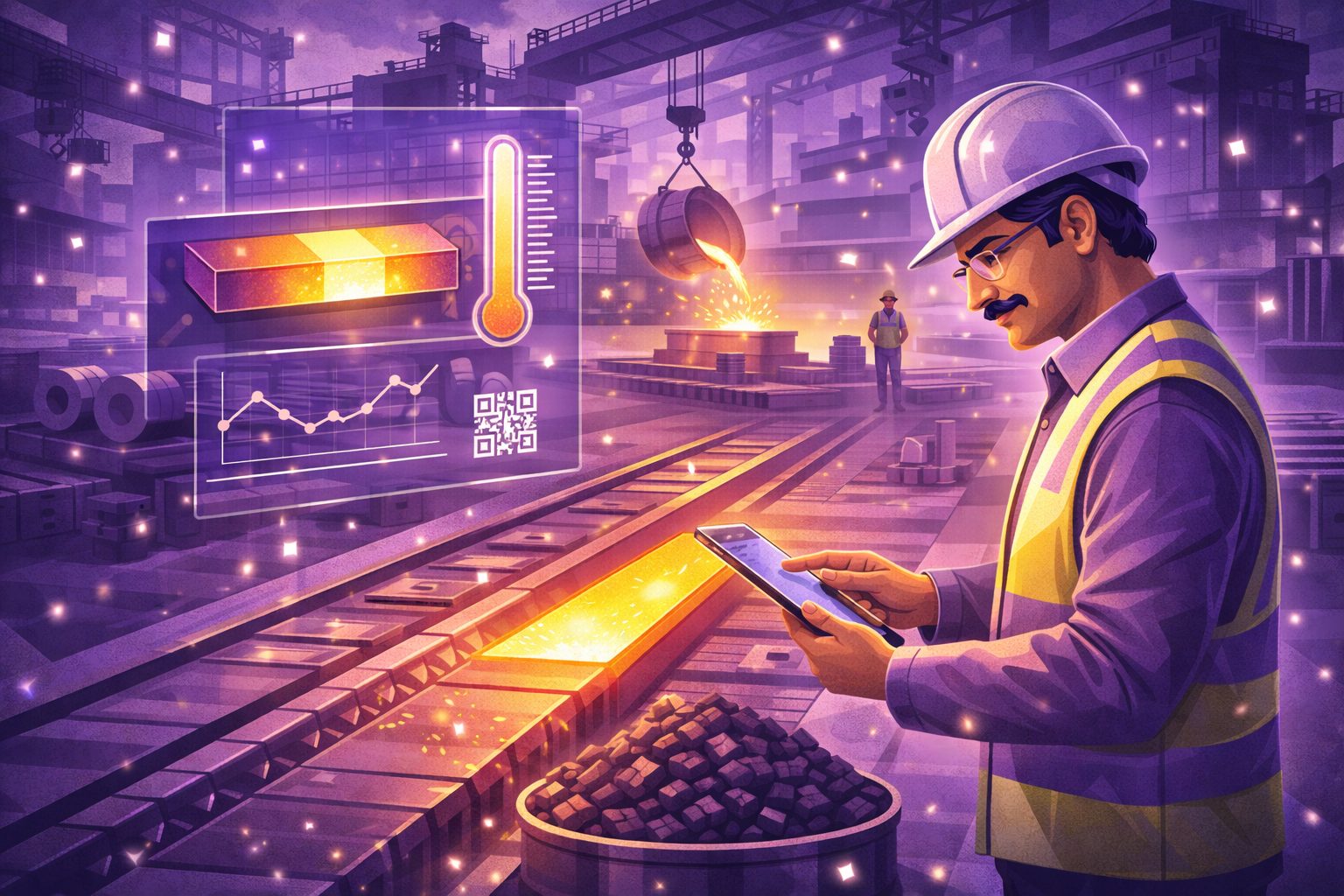
Quality control in steel procurement should not begin at the factory gate. It must start at the supplier’s end. In 2026, leading manufacturers focus on prevention, traceability, and measurable performance not just post-delivery checks.
Pre-dispatch controls
For critical inputs such as iron ore, coking coal, ferro alloys, and scrap, companies insist on pre-dispatch inspection. Samples are tested before shipment to reduce rejection, freight loss, and working capital blockage.
Heat-level traceability & data integration
Each batch must be traceable through heat numbers and linked to ERP systems. This allows manufacturers to track defects back to specific suppliers or lots. It strengthens compliance with BIS standards and customer audit requirements.
Supplier performance scorecards
Beyond documentation and MTC checks, firms track rejection rates, on-time delivery, chemical deviation trends, and claim frequency. A structured supplier audit process feeds into vendor rating systems.
Continuous improvement & ISO alignment
Procurement quality controls are aligned with ISO frameworks and ESG reporting norms. Corrective action plans are reviewed quarterly to ensure long-term consistency and reduced production risk.
Practical considerations before procuring steel raw materials
Before confirming raw material orders, procurement teams should review a few practical commercial factors. These checks help ensure stability, cost control, and smoother production planning.
Price trends and timing
Steel price volatility India is influenced by iron ore supply, imported coking coal rates, and global demand cycles. Instead of reacting to short-term movements, assess broader price trends and align purchases with production schedules.
Working capital alignment
Procurement decisions should support healthy working capital management. Large-volume buying may reduce per-ton cost but increase inventory holding. Review credit terms procurement structures to balance liquidity and supply continuity.
Logistics planning
Freight and handling charges form a significant part of logistics cost steel. Evaluate rail availability, port timelines, and plant storage capacity before finalising dispatch quantities.
Regulatory awareness
Confirm GST documentation, BIS compliance (where applicable), and import duties in advance to avoid administrative delays.
Sustainability expectations
Many infrastructure and export projects now prefer responsibly sourced steel inputs. Reviewing supplier sustainability practices supports long-term competitiveness without disrupting procurement efficiency.
Conclusion
A structured approach to procurement of raw materials helps steel manufacturers control costs, improve supplier performance, and reduce avoidable disruptions. Clear processes, disciplined vendor evaluation, quality controls, and commercial planning together prevent cost overruns and compliance gaps. In a market influenced by price cycles, logistics shifts, and policy updates, consistency in procurement strengthens supply chain stability.
Looking ahead, digital and data-driven procurement will play a larger role in India’s steel sector, enabling better forecasting, smarter sourcing decisions, and stronger risk management.
Looking to procure steel?
Tata nexarc helps manufacturers, builders and MSMEs source certified steel products, compare prices, and choose the right grade as per IS codes—with complete traceability and procurement confidence.
FAQs
What is raw material procurement in the steel industry?
Why is procurement important for steel manufacturers in India?
What is the difference between procurement and purchasing?
What are the key raw materials used in steel production?
How does steel price volatility India affect procurement?
What is the role of GST and BIS in steel procurement?
How can supplier diversification reduce risk?
What are long-term offtake agreements?
How does eProcurement improve steel sourcing?
What factors should be reviewed before placing a large raw material order?
Pradeep a SEO professional and passionate content writer who loves writing on various topics with 5 years of experience. At Tata nexarc, it has been 4 years since he is helping MSMEs to know the business challenges deeper and strategies to solve those. While not writing, he loves reading about digital marketing to hone his skills for business growth.