Check Price Now
Table of Contents
- Which steel is good for almirah manufacturing?
- How to choose steel for almirah manufacturing
- Quality measures for steel almirahs
- Metal selection as per almirah design
- Steel grades used in almirah manufacturing
- Maintenance and care of metal almirahs
- Cost analysis and budgeting for steel almirahs
- Common buyer mistakes when choosing metal almirahs
- Conclusion
- FAQs
How often does your almirah start rusting, bending, or losing strength within a few years? Choosing the best metal for almirah manufacturing plays a major role in preventing these common problems. Poor metal quality is one of the main reasons behind short furniture life in Indian homes. The metal you choose directly affects durability, safety, and long-term value. With high humidity, coastal air, and rising temperatures across India, not every material performs well. This is why steel continues to dominate the almirah manufacturing market. Improved steel grades, advanced coatings, and stronger fabrication now offer longer lifespan than aluminium and other metals.
Which steel is good for almirah manufacturing?
| Metal type | Key features | Advantages | Limitations | Best use in Indian conditions |
| Mild Steel (MS) | High tensile strength. Easy to cut, bend, and weld. Low raw material cost. | Budget friendly. Strong structure. Wide design flexibility. | Rust forms quickly in humid areas without coating. Needs regular maintenance. | Suitable for dry interiors such as bedrooms and offices in low-humidity regions. |
| Stainless Steel (SS) | Contains chromium that resists corrosion. Smooth surface finish. High durability. | Rust free. Long lifespan. Low maintenance. Premium appearance. | Higher initial cost than MS. | Ideal for kitchens, bathrooms, and coastal cities like Mumbai, Chennai, and Kochi. |
| Aluminium alloys | Lightweight metal. Natural corrosion resistance. Easy shaping. | Easy to move. Modern designs possible. No rust issues. | Lower load capacity. Can dent easily. | Good for lightweight storage and wall-mounted units in dry or moderate climates. |
| Galvanised steel | Mild steel coated with zinc layer. Strong corrosion protection. | Heavy-duty strength. Long service life. Works in harsh environments. | Slightly higher cost than MS. | Best for high-humidity zones, semi-outdoor areas, and long-term use furniture. |
Quick comparison table
| Metal | Strength | Corrosion resistance | Cost level | Overall suitability |
| Mild steel | High | Low | Low | Budget indoor use |
| Stainless steel | High | Very High | High | Premium rust-free almirahs |
| Aluminium | Moderate | High | Moderate | Lightweight designs |
| Galvanised steel | High | High | Moderate | Heavy-duty long-life use |
How to choose steel for almirah manufacturing
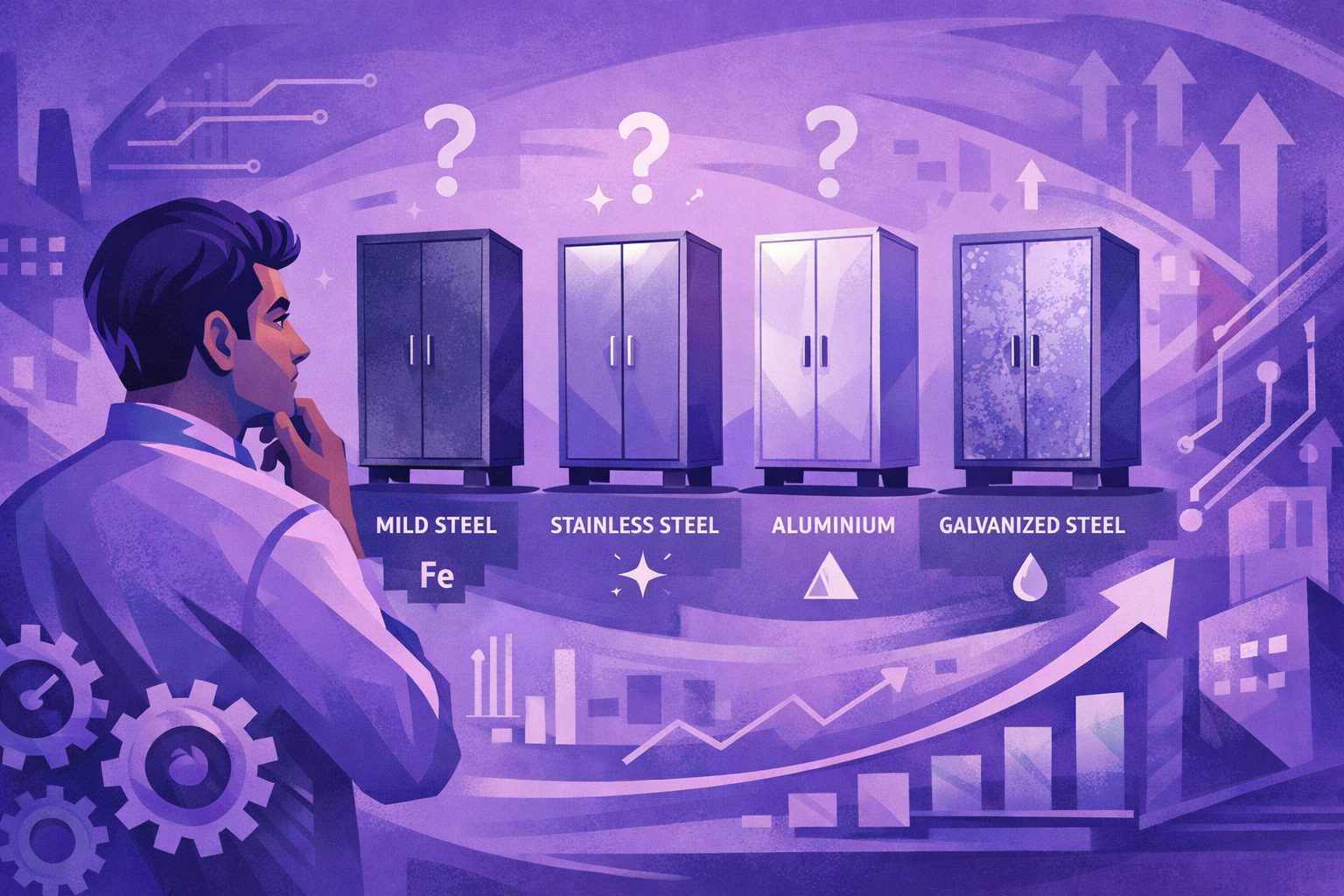
Environmental exposure
Always consider moisture, heat, and pollution levels. In high-humidity and coastal areas such as Mumbai, Chennai, and Kochi, rust forms quickly on untreated metal. Stainless steel and galvanised steel perform best in these environments. In dry cities and low-moisture interiors, powder-coated mild steel can last for many years.
Load type and storage needs
Light clothing requires less structural strength. Heavy files, tools, and valuables need thicker steel sheets. Steel offers better load-bearing capacity than aluminium. Choosing the correct steel thickness for cupboard frames and shelves prevents bending over time.
Usage frequency
Home almirahs experience moderate use. Commercial spaces such as offices, schools, and warehouses need stronger metals. Galvanised steel and stainless steel are ideal for high-traffic areas.
Design expectations
Modern homes prefer sleek finishes and slim profiles. Stainless steel provides a clean premium look. Mild steel allows more colour and design flexibility through powder coating.
Budget vs. lifecycle cost
Mild steel costs less initially but may need maintenance. Stainless steel costs more but lasts decades. Always compare long-term value, not just purchase price.
Simple decision guide
Dry area + budget focus → Mild steel with powder coating.
Humid or coastal area + long-term use → Stainless steel or galvanised steel.
Quality measures for steel almirahs
The quality of a steel almirah depends on thickness, surface protection, fabrication strength, and hardware performance. Many durability issues come from using thin sheets, poor coatings, and weak welding. Understanding basic quality indicators helps buyers avoid early damage and rust problems.
Steel gauge standards used in India
| Gauge range | Thickness level | Common use in almirahs |
| 14-16 gauge | Thick and heavy-duty | Frames, load-bearing shelves. |
| 17-18 gauge | Medium strength | Doors and main panels. |
| 19-20 gauge | Light duty | Back panels and partitions. |
Thicker steel provides better strength and dent resistance. This acts as a practical steel almirah thickness guide for long-term use.

Coating durability differences
- Powder coating offers strong rust protection and scratch resistance
- Galvanised coating protects steel using a zinc layer for moisture-heavy areas
- Basic paint finishes wear faster and need frequent touch-ups
Today, powder coated steel cupboards are widely preferred due to improved durability and colour retention. Pre-treated galvanised sheets are also becoming standard in quality manufacturing.
Fabrication and safety checks
- Welds should be smooth and evenly joined.
- No gaps, cracks, or sharp metal joints.
- Edges must be folded or capped to avoid injury.
Hardware and component quality
- Heavy-duty hinges for frequent opening.
- Rust-resistant locks and handles.
- Firm shelf brackets that do not bend.
High-quality hardware directly improves lifespan and daily usability.
Metal selection as per almirah design
Good almirah design is not only about appearance. It depends on how steel thickness is distributed, the type of finish used, and the fabrication method. Modern steel manufacturing in India now allows stronger structures with slimmer profiles and better surface protection.
Structural zones and ideal steel thickness
| Almirah part | Recommended gauge range | Purpose |
| Frame and base | 14-16 gauge | Handles heavy loads and overall strength. |
| Shelves | 16-18 gauge | Supports clothes, files, and storage boxes. |
| Doors | 17-18 gauge | Balance of strength and smooth movement. |
| Back panels | 19-20 gauge | Lightweight enclosure. |
Using thicker steel in load-bearing areas prevents sagging and deformation over time.
Finish choices by room type
- Bedrooms: Powder-coated steel for colour variety and scratch resistance.
- Kitchens and bathrooms: Stainless steel or galvanised finishes for rust protection.
- Living spaces: Matte and textured coatings for modern interiors.
Scratch-resistant coatings are now common in quality metal cupboard finishes in 2026.
Design styles and fabrication methods
Modular designs allow easy transport and custom layouts.
Welded designs offer higher strength and long-term stability.
Urban homes prefer slim, minimalist steel almirahs with clean lines. Traditional Indian layouts still favour wider storage sections and stronger frames.
Smart storage features gaining popularity
- Adjustable steel shelves
- Soft-close hinges
- Built-in organisers and lockers
- Hidden compartments for valuables
Steel grades used in almirah manufacturing in India
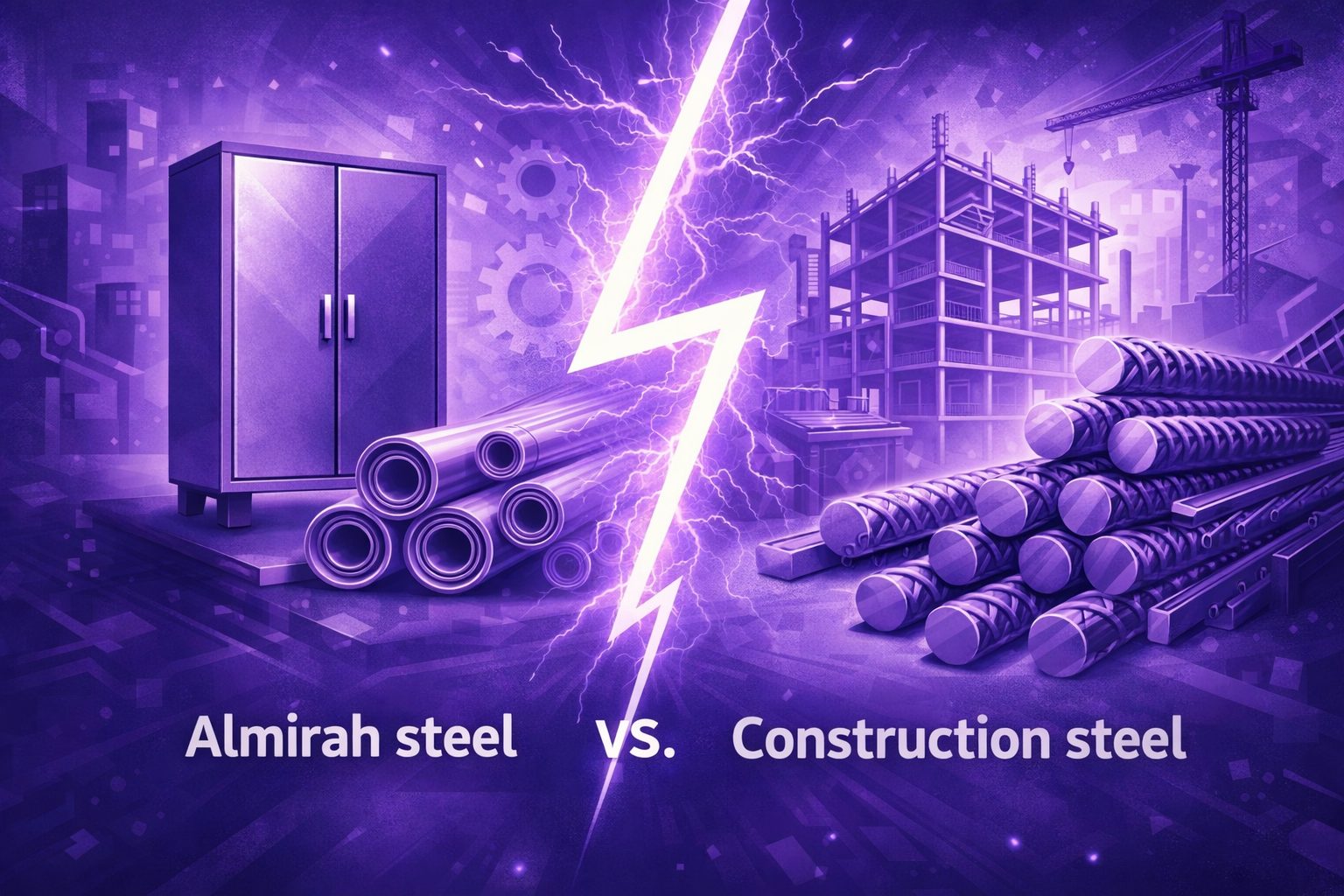
Many buyers focus only on metal type, such as mild steel or stainless steel. However, the actual steel grade used in manufacturing directly affects strength, rust resistance, and lifespan. In India, furniture manufacturers use specific commercial grades that differ from construction steel to allow better finishing, bending, and durability.
Common mild steel grades for furniture use
- Low carbon commercial steel sheets for easy fabrication
- Good weldability and smooth surface finish
- Suitable for powder coating and galvanising
- Designed for indoor furniture rather than heavy structural loads
Stainless steel grades: 304 vs. 202 for almirahs
| Feature | Stainless steel 304 | Stainless steel 202 |
| Corrosion resistance | Very high | Moderate |
| Nickel content | Higher | Lower |
| Cost | Higher | More affordable |
| Best use | Coastal and humid regions | Dry indoor environments |
Stainless steel 304 offers superior rust protection, while stainless steel 202 provides cost savings for low-moisture areas.
Why furniture steel differs from construction steel
- Thinner gauges with higher surface quality
- Better bending without cracking
- Designed for smooth finishes and coatings
- Lighter weight for indoor use
Construction steel focuses on structural strength, while furniture steel prioritises finish, formability, and long-term appearance.
Maintenance and care of metal almirahs

Climate-specific rust prevention
Humidity is the main cause of rust in steel cupboards across India. In coastal and high-moisture areas, always keep the almirah dry and well ventilated. Use anti-rust sprays or protective wax coatings on mild steel surfaces. Stainless steel and galvanised steel need less protection but should still be wiped regularly to remove moisture and salt particles.
Monthly vs. annual maintenance routines
Wipe surfaces every month using a dry or slightly damp cloth. Check hinges, locks, and shelf brackets for looseness. Once a year, inspect for paint damage, early rust spots, or coating wear. Touch up exposed metal immediately to prevent corrosion from spreading.
Stainless steel vs. mild steel care differences
Clean stainless steel almirahs using mild soap and soft cloths to keep the surface shiny. Avoid harsh chemicals. Mild steel cupboards require extra care, including rust-proof paint touch-ups and moisture control.
Quick DIY fixes
Small rust spots can be removed using baking soda paste or fine sandpaper. Scratches can be covered with matching paint. Tighten loose screws regularly.
When professional repair is needed
If rust spreads deeply, shelves bend, or welds weaken, professional repair or replacement is safer and longer lasting.
Cost analysis and budgeting for steel almirahs
Steel almirah pricing in India depends on metal type, thickness, fabrication quality, and customisation level. While upfront cost varies, long-term value often favours stronger and better-coated steel options.
Steel almirah price comparison
| Metal type | Initial cost range | Maintenance cost | Expected lifespan | Overall value |
| Mild steel (MS) | Low | Moderate to high | 8–12 years | Budget short to mid-term |
| Stainless steel (SS) | High | Very low | 20+ years | Premium long-term investment |
| Galvanised steel | Moderate | Low | 15–20 years | Best durability-to-cost balance |
| Aluminium | Moderate | Low | 10–15 years | Lightweight but lower strength |
Cost factors that influence final price
| Factor | Cost impact | Why it matters |
| Steel thickness | Higher thickness increases price | Improves strength and lifespan |
| Fabrication complexity | Custom cuts and designs raise labour cost | Adds functionality and style |
| Finish type | Powder coating and galvanizing cost more | Boost rust protection |
| Hardware quality | Premium locks and hinges add cost | Improves daily durability |
Budgeting insights for buyers
- Steel prices in India fluctuate due to raw material and energy costs
- Buyers now focus more on durability than just low purchase price
- Higher upfront spend often reduces repair and replacement costs
- Galvanised and stainless steel provide the best long-term return on investment
Common buyer mistakes when choosing metal almirahs
Mistake: Choosing very thin steel sheets to reduce cost
Solution: Always check the steel gauge. Use thicker steel for frames and shelves. Thin metal bends quickly and reduces lifespan.
Mistake: Ignoring coating quality
Solution: Prefer powder coated or galvanised steel. These finishes protect against rust and scratches far better than normal paint.
Mistake: Not matching metal to climate conditions
Solution: Use stainless steel or galvanised steel in humid and coastal areas. Mild steel works only in dry indoor spaces with proper coating.
Mistake: Focusing only on upfront price
Solution: Compare lifetime cost instead of purchase cost. Stronger steel with better coating lasts longer and needs fewer repairs.
Conclusion
Steel remains the best metal for almirah manufacturing because of its strength, durability, and long service life. Mild steel works well in dry indoor spaces when properly coated. Stainless steel is ideal for humid and coastal environments where rust is a concern. Galvanised steel offers a strong balance between cost and corrosion resistance for long-term use. While steel almirahs may cost more initially than some alternatives, they last longer and require fewer repairs. Choosing the right steel based on climate and usage reduces maintenance and lowers lifetime cost.
Disclaimer: The information provided in this blog is intended for general guidance and educational purposes. While we strive to offer accurate and up-to-date content, it is always recommended to consult a professional or conduct thorough research before making decisions based on the information shared.
Looking to procure steel?
Tata nexarc helps manufacturers, builders and MSMEs source certified steel products, compare prices, and choose the right grade as per IS codes—with complete traceability and procurement confidence.
FAQs
What is the best metal for almirah manufacturing in India?
Which steel is best for rust-free almirahs?
Is mild steel good for almirahs?
Why does steel last longer than aluminium for almirahs?
Which metal is suitable for coastal cities like Mumbai or Chennai?
What steel thickness is ideal for almirah shelves and frames?
Are powder coated steel almirahs better than painted ones?
How often should a steel almirah be maintained?
Is stainless steel almirah worth the higher cost?
A product manager with a writer's heart, Anirban leverages his 6 years of experience to empower MSMEs in the business and technology sectors. His time at Tata nexarc honed his skills in crafting informative content tailored to MSME needs. Whether wielding words for business or developing innovative products for both Tata Nexarc and MSMEs, his passion for clear communication and a deep understanding of their challenges shine through.