Give us a missed call on

+91 626 955 5606
[smartslider3 slider="2"]

Try the new way of buying steel

Discover effortless & hassle-free steel procurement

Simplify account payable financing

Save more and enhance supply chain financing

Choose reliable & affordable logistics services

Switch to Tata nexarc today

Grow your business with Government Tenders

Our expert guidance can help you win

Blog

Articles, guides, tips and updates to accelerate business growth in 2023 and beyond

  • All
  • Business Loans
  • Logistics
  • MSME
  • Procurement
  • Tenders

The MSME Amendment Act 2026 brings important changes to India’s MSME framework, with a focus on classification, registration, and payments. It strengthens mechanisms such as Udyam registration and TReDS to support formalisation and cash-flow management. The amendment also introduces more structured MSME dispute resolution and compliance rules. Here’s what the changes mean for businesses and what MSMEs should watch next.

  • All
  • Logistics

With a coastline stretching over 7,500 kilometers and a burgeoning trade ecosystem, India is home to some of the most dynamic logistics and shipping companies that drive its economic growth. Let's explore the top 10 shipping companies in India, drive economic growth through innovation, sustainability, and cutting-edge logistics solutions.

Latest articles

[bdp_post_list show_tags="false" content_words_limit="20" show_read_more="false" limit="7"]
  • All
  • Business Loans
  • Logistics
  • MSME
  • Procurement
  • Tenders

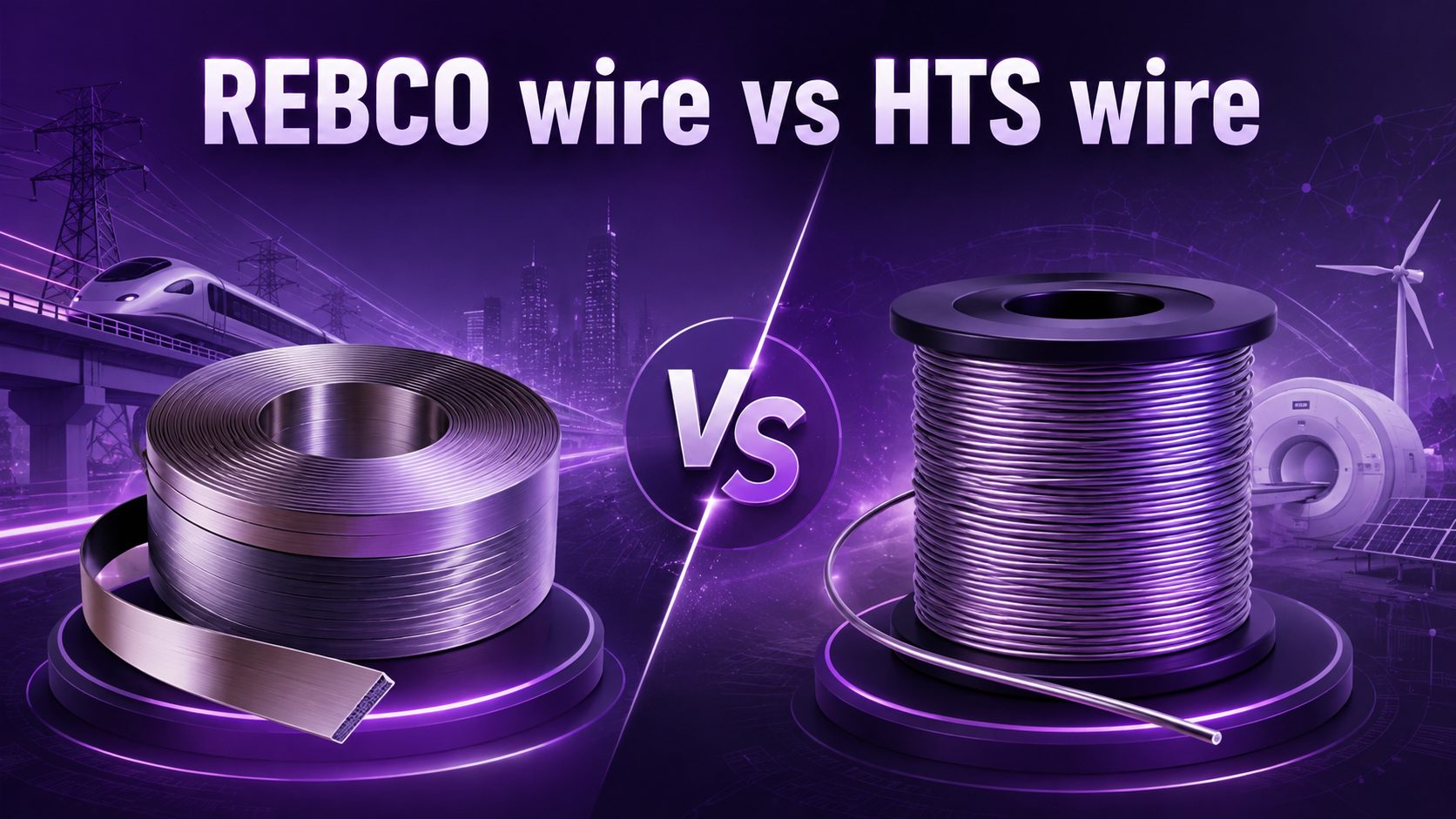
HTS wire is a broad category of high-temperature superconducting conductors, while REBCO is one specific type. This REBCO wire vs HTS wire guide explains how they differ in design, performance, and applications. It also covers key specifications, prices, standards, and supplier options. Use these factors to choose the right conductor for your application.

Last updated on: Sep 7, 2026

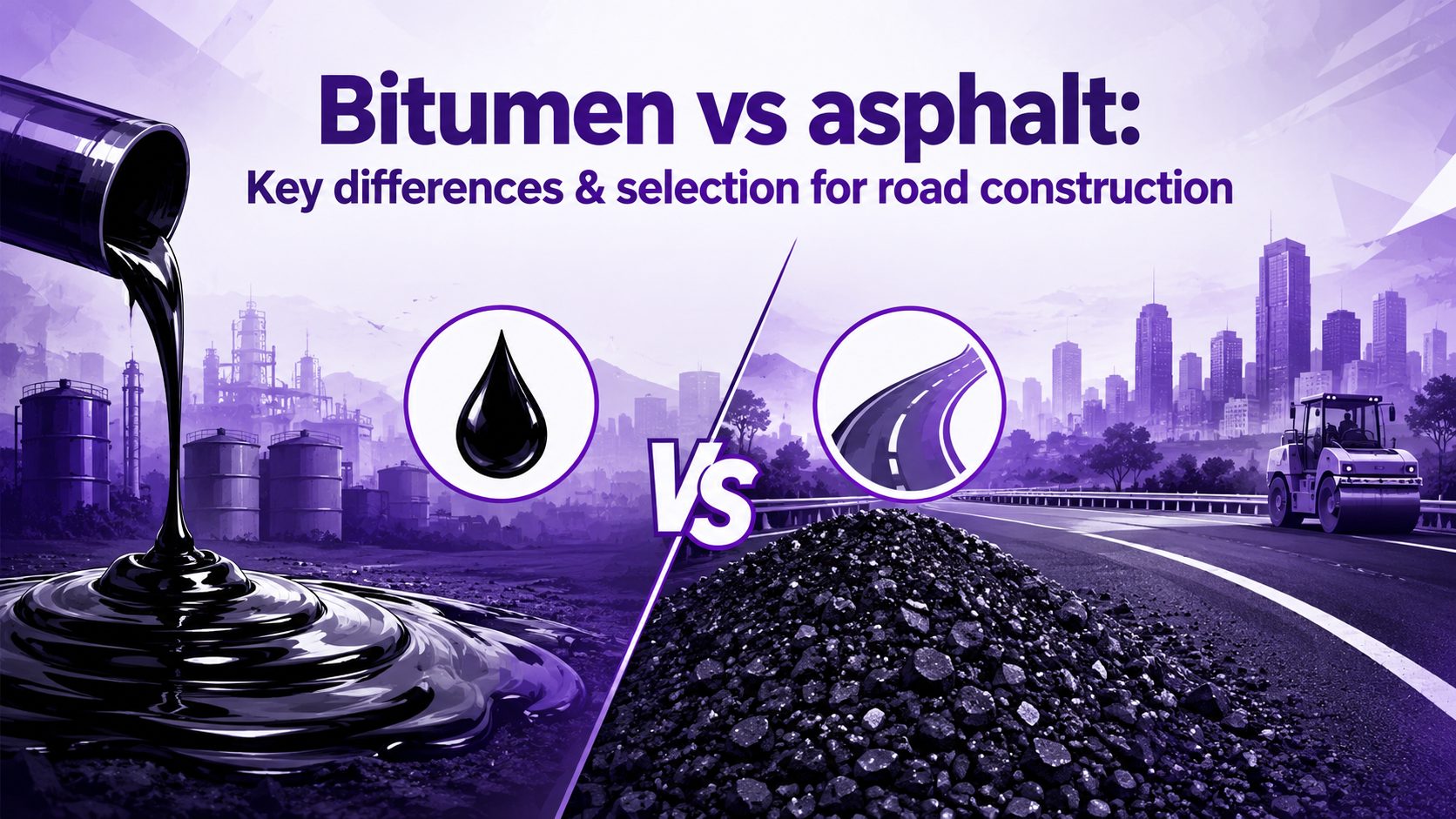
Bitumen and asphalt are closely linked but serve different roles in road construction. Bitumen acts as the binding material, while asphalt combines bitumen with aggregates to create a paving mixture. Understanding this difference helps contractors, engineers, and procurement teams specify, source, and assess the right material for each project. By matching the material to project requirements, traffic, climate, and quality standards, teams can make more informed decisions throughout the construction process. Read to know more.

Last updated on: Aug 18, 2026

IS 73:2013 sets the specification framework for paving bitumen used in road construction. It covers viscosity grades, quality requirements, and checks that support material evaluation. Contractors and procurement teams should also consider project and tender-specific requirements before finalising a purchase. This guide explains the key specifications, tests, and practical checks for sourcing paving bitumen.

Last updated on: Aug 17, 2026

Bitumen vs tar differs in source, composition, and use - making the two materials unsuitable for interchangeable use. This guide compares their key properties, road applications, and material selection factors. Learn why bitumen dominates modern road construction and where tar still has specialised uses. Find the right binder based on project specifications, performance needs, and application requirements.

Last updated on: Aug 13, 2026
Load More

End of Content.

Trending Articles