Table of Contents
- Why Middle-Class Relief in Budget 2026 Matters for MSMEs
- The Big Shift: From Compliance Burden to Business Facilitation
- Middle-Class Relief = Higher Demand for MSMEs
- Liquidity & Credit Flow
- Simpler Compliance, Lower Costs
- MSMEs at the Core of India’s Growth Strategy
- Trade & Customs Reforms
- Why Indirect Benefits Matter More Than Direct Incentives
- Digital Push & Formalisation
- Sector-wise Impact of Budget 2026 on MSMEs
- What MSME Owners Should Do Next & Mistakes to Avoid
- Conclusion
- FAQs
Budget 2026 may look like a win for the middle class. But the real story lies deeper. The Budget 2026 MSME impact is bigger than it seems. It signals a shift towards growth, demand, and easier business conditions. For MSMEs, this is not just policy – it’s an opportunity. From rising consumer spending to simpler compliance, the hidden impact of Budget 2026 could reshape how small businesses grow, compete, and scale in India.

Why middle-class relief in Budget 2026 matters for MSMEs
When headlines say Budget 2026 supports the middle class, many MSME owners may not pay attention. But this is where the real opportunity lies. Budget 2026 explained simply – more money in consumers’ hands means more demand for small businesses.
India’s middle class drives a large share of consumption. From daily goods to services, MSMEs depend heavily on this demand cycle. When costs reduce and disposable income rises, spending increases across sectors.
A stronger middle class directly leads to stronger MSME demand growth.
- Higher middle class spending in India boosts sales
- Faster purchase decisions improve cash flow
- Increased consumption supports business expansion
This shift makes Budget 2026 more than a relief measure. It becomes a growth trigger for MSMEs across industries.
The big shift: From compliance burden to business facilitation
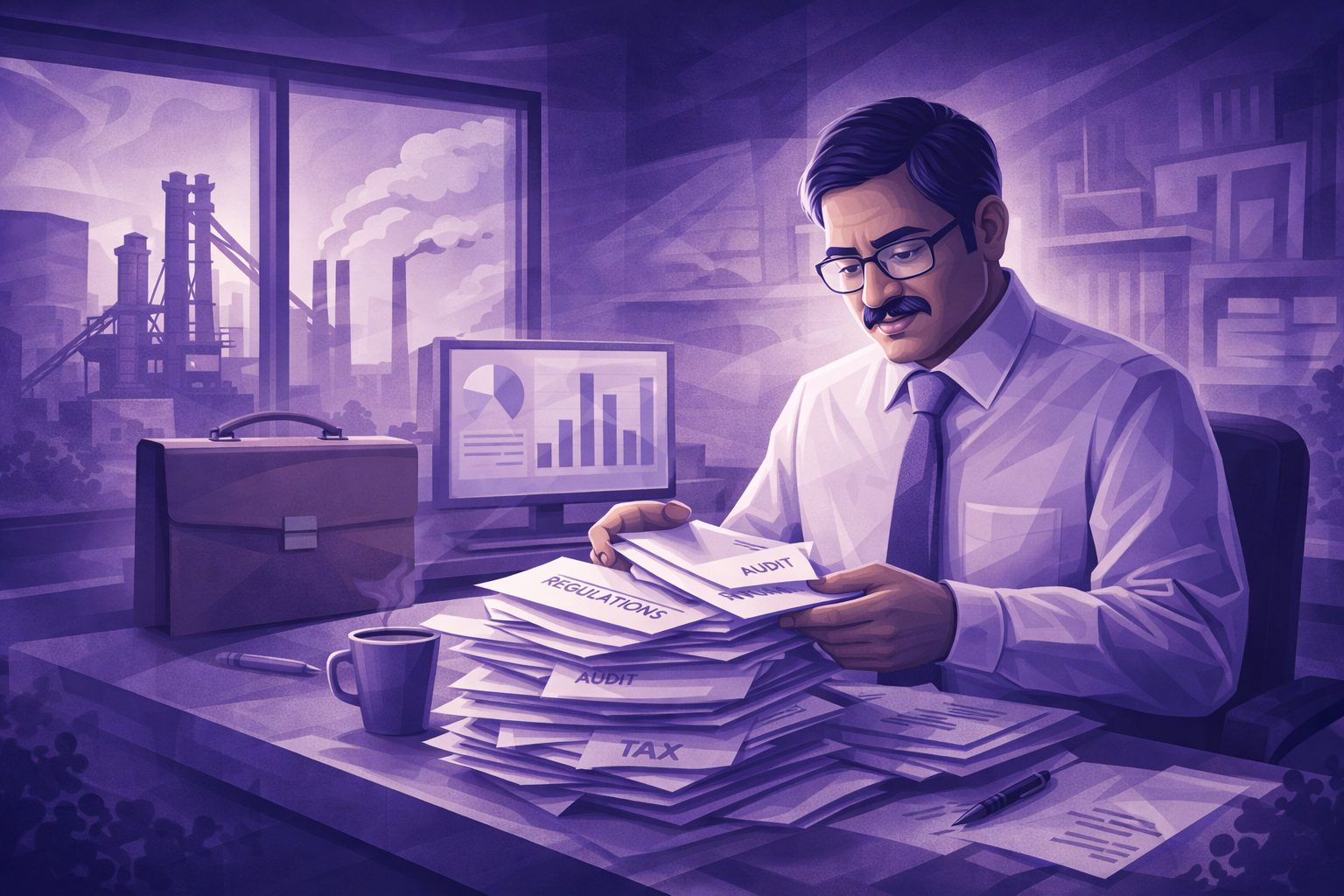
Budget 2026 signals a clear shift in how businesses are treated. Earlier, many MSMEs faced heavy scrutiny, frequent notices, and complex rules. Now, focus is changing. The government is moving towards a more supportive and trust-based system.
This change improves the ease of doing business in India, especially for small enterprises that often struggle with compliance.
Key changes include:
- Move from strict enforcement to facilitation-first approach
- Greater focus on trust-based tax systems
- Reduced pressure around tax compliance for MSMEs
- Faster processes and fewer delays in approvals
These steps aim to reduce fear and friction. For MSMEs, this creates a more stable and predictable environment.
What this means for MSMEs
- Less time spent on paperwork and compliance
- Lower risk of penalties due to minor errors
- More focus on business growth and operations
- Improved confidence in dealing with tax systems
In simple terms, Budget 2026 is not just about rules. It is about making business easier, faster, and more growth-friendly for MSMEs.
Middle-class relief = Higher demand for MSMEs
Budget 2026 focuses on reducing the financial burden on the middle class. This directly impacts spending behaviour. When households save more, they tend to spend more. This is where MSMEs benefit the most.
Cause → effect is simple:
Lower expenses → higher disposable income → increased spending → stronger MSME sales growth.
This shift is expected to drive consumer demand in India 2026, especially across everyday goods and services.
Key demand-side impacts include:
- Higher spending on consumer products and essentials
- Increased demand for local and affordable goods
- Faster buying decisions and shorter sales cycles
Sector-wise impact
Retail MSMEs
Benefit from higher footfall and increased discretionary spending.
Manufacturing MSMEs
See a rise in bulk orders as demand improves across supply chains.
Service MSMEs
Gain from higher spending on lifestyle, repairs, and local services.
As demand rises, businesses experience better cash flow and inventory movement. For MSMEs, this is a strong growth signal.
In simple terms, Budget 2026 does not just support consumers. It creates a ripple effect that drives demand, boosts sales, and strengthens MSME growth.
Liquidity & credit flow: The real MSME boost
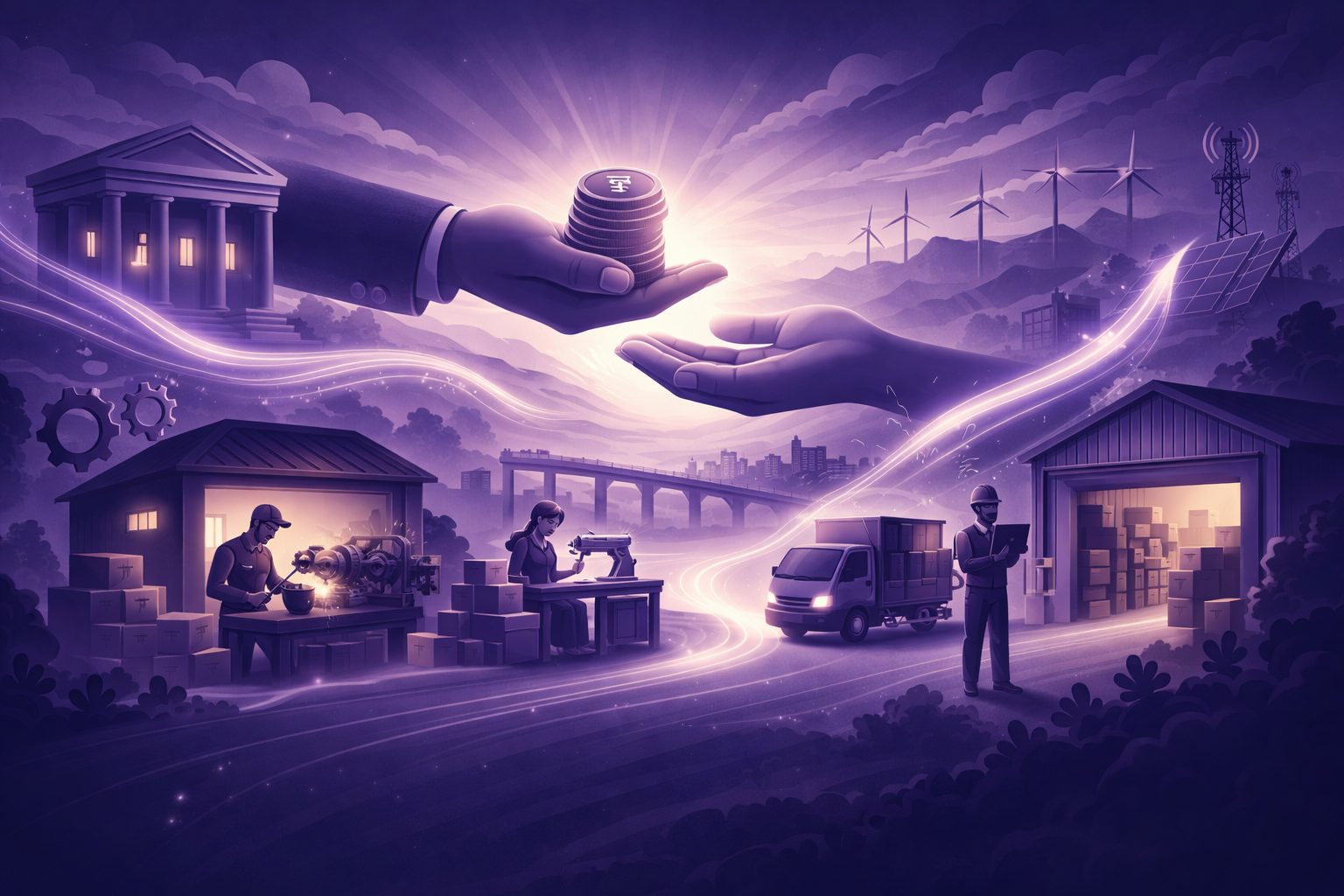
Stronger access to MSME financing
Budget 2026 continues to improve access to funds for small businesses. With measures like a ₹10,000 crore support fund and easier lending norms, MSME loan schemes 2026 aim to reduce dependency on collateral and speed up approvals.
Improved working capital cycles
Faster GST refunds and smoother credit access help businesses manage daily expenses better. This is critical for working capital in MSMEs in India, where delays often impact operations and growth.
Reduced dependence on informal credit
With formal credit becoming easier to access, MSMEs can avoid high-interest informal loans. This improves financial stability and long-term sustainability.
Why this matters
Many MSMEs struggle not due to lack of demand, but due to cash flow gaps. Better liquidity means businesses can take larger orders, pay suppliers on time, and invest in growth. Budget 2026 strengthens this foundation, making it easier for MSMEs to scale with confidence.
Simpler compliance, lower costs
Budget 2026 puts strong focus on reducing compliance pressure for small businesses. For MSMEs, compliance is not just paperwork – it adds real cost and delays. With GST simplification for MSMEs and faster processes, businesses can now operate more efficiently.
This shift directly supports compliance cost reduction, helping MSMEs save both time and money.
Key improvements
- Simplified GST filing and return processes
- Faster refund timelines improving cash flow
- Increased push towards digital invoicing
- Reduced errors through streamlined systems
Earlier vs now
| Aspect | Earlier | Now |
| GST filings | Complex and time-consuming | Simpler and faster |
| Refunds | Delayed and uncertain | Quicker processing |
| Compliance cost | Higher due to manual effort | Lower with digital systems |
| Error handling | High risk of penalties | Reduced friction |
These changes make compliance less stressful. MSMEs can now focus more on operations and growth instead of paperwork. Over time, this leads to better efficiency, improved margins, and stronger business performance.
MSMEs at the core of India’s growth strategy
A key driver of the economy
MSMEs play a major role in India’s economic growth. They contribute nearly 31% to GDP, making them a strong pillar of the economy. Their wide presence across sectors supports both urban and rural development.
Strong contribution to exports
MSMEs account for around 48% of India’s total exports. From manufacturing goods to services, small businesses help India compete in global markets and expand its trade footprint.
Employment at scale
The sector is one of the largest job creators in the country. Millions of people depend on MSMEs for income, making them critical for inclusive growth and economic stability.
Focus areas in Budget 2026
- The government is strengthening MSMEs through:
- Better market access
- Support for innovation and technology
- Improved ease of doing business
Trade & customs reforms: Faster, cheaper business
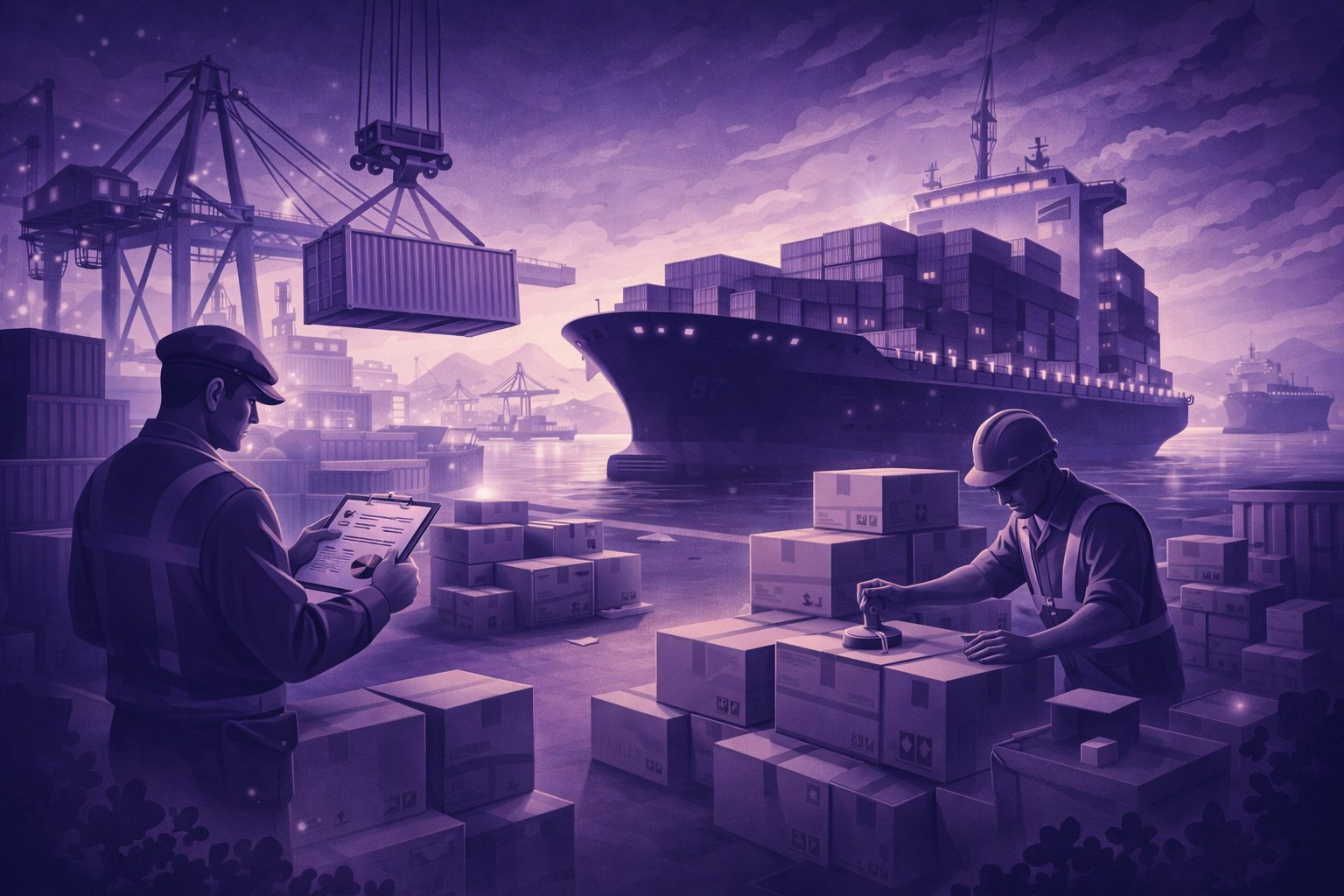
Budget 2026 brings key changes to simplify trade processes. The focus is on reducing delays and lowering costs for businesses. These customs reforms in India 2026 aim to make importing and exporting smoother, especially for MSMEs.
Simpler procedures mean goods can move faster across borders. This improves efficiency and reduces holding costs.
Key benefits for MSMEs
- Faster clearance of goods at ports
- Reduced paperwork and fewer delays
- Lower logistics and storage costs
- Easier access to global markets
These changes directly support export benefits for MSMEs in India. Small businesses can now compete better in international markets without facing heavy procedural hurdles.
For MSMEs involved in manufacturing and trade, this leads to quicker turnaround times and improved margins.
Why indirect benefits matter more than direct incentives
Budget 2026 takes a different approach. Instead of focusing only on direct tax cuts, it prioritises long-term MSME growth through broader system improvements. These structural reforms in India aim to create a more stable and efficient business environment.
Short-term vs long-term impact
| Approach | Short-term incentives | Long-term structural reforms |
| Focus | Immediate relief | Sustainable growth |
| Examples | Tax cuts, subsidies. | Compliance ease, demand growth. |
| Impact duration | Temporary | Long-lasting |
| MSME benefit | Limited and short-lived | Scalable and consistent growth |
This shift matters because MSMEs need stability, not just one-time relief. Better systems, higher demand, and smoother operations create stronger foundations for growth.
Digital push & formalisation: A silent growth driver
Growing shift towards digital MSMEs
Budget 2026 supports the move towards digital MSMEs in India. More businesses are adopting online systems for billing, payments, and compliance. This shift improves efficiency and reduces manual errors.
Benefits of E-Invoicing and digital tools
The push for digital systems brings clear e-invoicing benefits for MSMEs. It helps track transactions better and simplifies tax filing.
- Faster and more accurate invoicing
- Better financial record-keeping
- Easier GST compliance
Improved access to credit and opportunities
Formal and digital businesses are more visible to lenders and platforms. This makes it easier to access loans, partnerships, and government schemes.
Sector-wise impact of Budget 2026 on MSMEs
Budget 2026 is expected to create a broad-based impact across industries. Different sectors will benefit in different ways, depending on demand, cost structures, and access to credit. This helps improve overall MSME growth in India.
| Sector | Key impact | What it means for MSMEs |
| Manufacturing MSMEs | Lower logistics costs and easier imports | – Better access to raw materials – Faster production cycles – Improved margins |
| Retail MSMEs | Rise in consumer spending | – Stronger retail MSME growth – Higher footfall and sales – Faster inventory turnover |
| Service MSMEs | Increased demand for services | – Growth in local and urban services – Higher repeat customers – Better cash flow |
| Export-oriented MSMEs | Simplified trade and customs | – Easier global market access – Reduced delays and costs – Improved competitiveness |
What MSME owners should do next & mistakes to avoid
Next steps
Strengthen financial records: To understand how to benefit from Budget 2026, start with clean and updated financials. Proper GST records and digital transactions improve credibility and loan eligibility.
Explore new credit options: Take advantage of improved MSME financing. Compare loan schemes and choose options that support working capital and expansion.
Align with rising demand: Track changes in consumer behaviour. Focus on products and services that benefit from increased middle-class spending.
Invest in digital tools: Adopt invoicing, accounting, and compliance software. This improves efficiency and helps reduce errors.
Expand market reach: Look beyond local markets. Explore online platforms and export opportunities to scale your business.
Common mistakes to avoid
Ignoring indirect benefits: Many businesses overlook demand growth and focus only on direct incentives.
Delaying digital adoption: Avoid postponing digital tools. This can limit growth and access to funding.
Not using available credit: Failing to explore MSME loan schemes can slow down expansion.
Poor compliance practices: Incomplete or incorrect filings can lead to penalties and missed opportunities.
Lack of strategic planning: Not adapting to Budget 2026 changes can reduce your competitive edge.
Conclusion
The Budget 2026 MSME impact goes beyond immediate policy changes. It sets the stage for stronger demand, smoother operations, and better access to opportunities. For businesses that adapt quickly, this shift can support long-term success. As the environment becomes more growth-focused, MSMEs have a clear chance to scale and compete more effectively. In the bigger picture, Budget 2026 plays a key role in driving small business growth in India through stability, efficiency, and rising market potential.
Empowering MSMEs to grow smarter
Tata nexarc delivers powerful solutions for MSMEs—discover tenders, logistics solutions, and streamline procurement. Everything your business needs, all in one place.
FAQs
How does Budget 2026 impact MSMEs?
What are the key MSME benefits in Budget 2026?
How does middle-class relief affect MSMEs?
Are there new MSME loan schemes in Budget 2026?
What is the impact of GST simplification on MSMEs?
How do customs reforms benefit MSMEs?
Why are indirect benefits important for MSMEs?
How does digitalisation help MSMEs after Budget 2026?
Which sectors benefit most from Budget 2026?
What should MSMEs do to benefit from Budget 2026?
A product manager with a writer's heart, Anirban leverages his 6 years of experience to empower MSMEs in the business and technology sectors. His time at Tata nexarc honed his skills in crafting informative content tailored to MSME needs. Whether wielding words for business or developing innovative products for both Tata Nexarc and MSMEs, his passion for clear communication and a deep understanding of their challenges shine through.