Check Price Now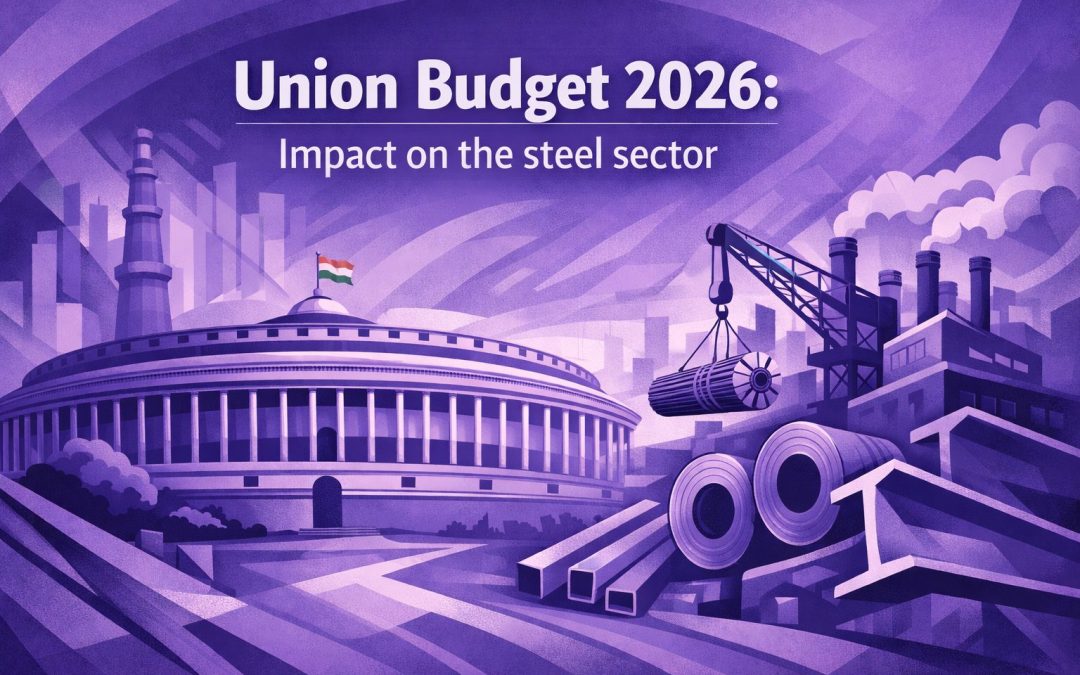
Table of Contents
- Increased public spending on infrastructure
- Sustainability and green steel transition
- Domestic manufacturing incentives and PLI expansion
- Import duties and trade protection measures
- Taxation and GST rationalisation
- R&D and technology upgradation
- MSME support and supply chain strengthening
- Export promotion and global competitiveness
- Raw material security and mining reforms
- Energy transition and power cost rationalisation
- Conclusion
- FAQs
The Union Budget 2026 comes at a pivotal moment for India’s steel sector. India is the world’s second-largest steel producer, with a crude steel capacity of over 160 million tonnes per year. The industry plays a vital role in infrastructure development, manufacturing, construction, transport, and defence. It contributes meaningfully to GDP and supports millions of jobs across mining, processing, and downstream industries.
Against a backdrop of rising domestic demand and tightening global carbon regulations, this article examines how Union Budget 2026 impacts steel demand, steel prices, sustainability goals, competitiveness, and long-term growth strategy.
Increased public spending on infrastructure
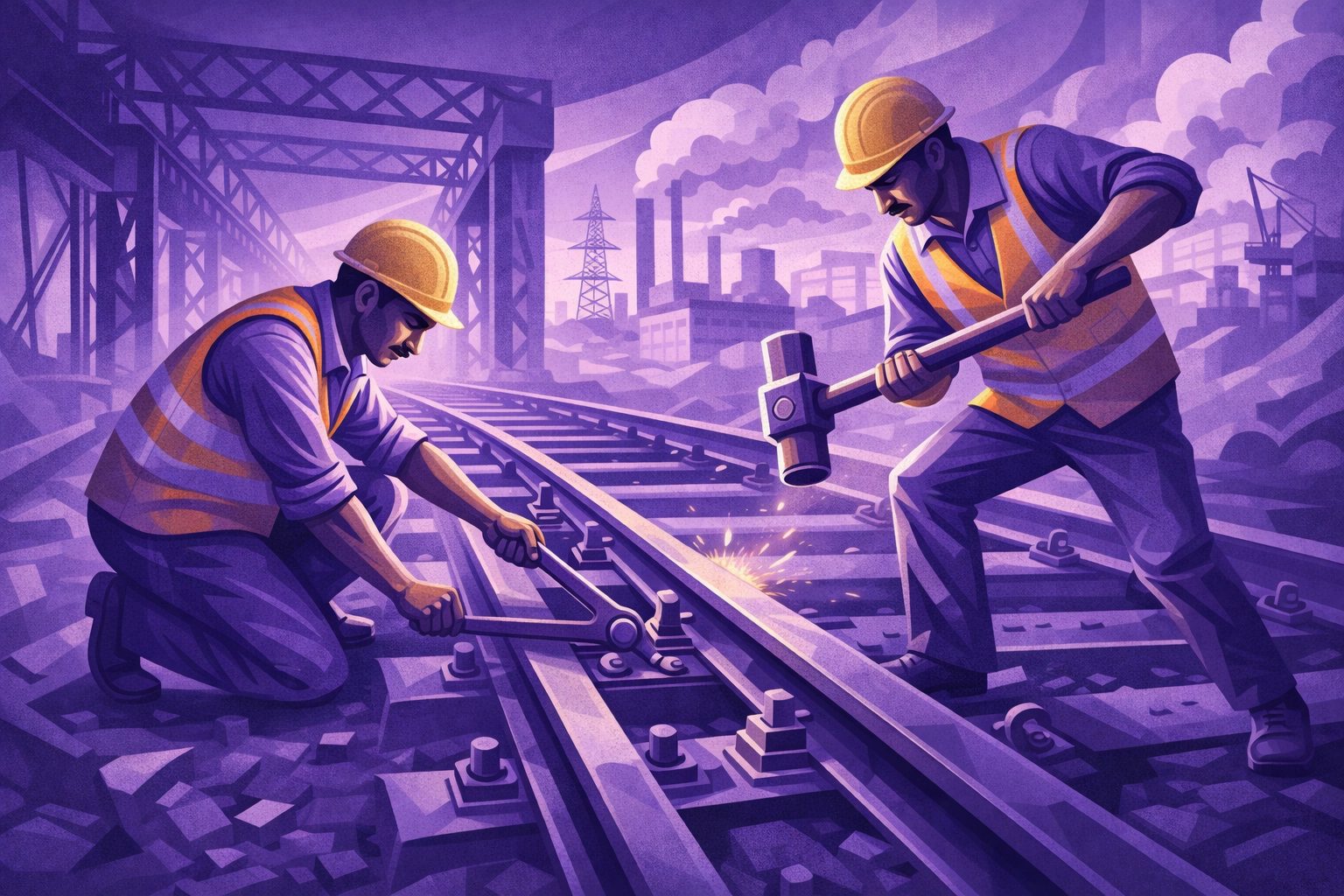
The Union Budget 2026 places strong emphasis on public capital expenditure. Higher allocation for infrastructure remains a core growth driver. Continued investment under the National Infrastructure Pipeline (NIP) supports roads, railways, ports, affordable housing, metro systems, and urban infrastructure.
This infrastructure push directly benefits the Indian steel sector. Construction and transport projects are steel-intensive. Long steel products, structural steel, TMT bars, rails, and plates see immediate demand growth.
Budget measures and sector impact
| Budget measure | Impact on steel sector |
| Higher capital expenditure | Increased steel demand across public projects. |
| NIP project pipeline | Order visibility for 3-5 years. |
| Rail and metro expansion | Demand for specialty and high-strength steel. |
| Housing and urban schemes | Boost for long and structural steel. |
Key effects include:
- Higher capacity utilisation for domestic steel producers.
- More stable revenue forecasts.
- Increased demand for value-added and specialty steel in rail, defence, and renewable energy projects.
- Reduced reliance on volatile export markets.
Actionable steps for industry stakeholders
| Stakeholder | Recommended actions |
| Large steel manufacturers | Increase production of infrastructure-grade and high-strength steel. Secure long-term supply contracts with EPC contractors. Invest in logistics hubs near major infrastructure corridors. |
| MSMEs/secondary steel producers | Focus on regional infrastructure projects. Upgrade quality standards to meet government procurement norms. Build partnerships with larger integrated steel plants. |
| Steel buyers (EPCs, developers, contractors) | Lock in long-term pricing agreements to reduce volatility risk. Prioritise certified domestic suppliers. Align procurement planning with confirmed public project timelines. |
| Supply chain & distributors | Strengthen warehousing near infrastructure clusters. Improve digital inventory tracking. Reduce lead times to support large-scale projects. |
Sustainability and green steel transition
Union Budget 2026 makes green steel a strategic priority. This matters because the global steel industry is changing fast. Carbon regulations are tightening. Investors are focusing on ESG performance. Export markets are introducing carbon border taxes. Indian steel producers must adapt to remain competitive.
The Budget signals support for:
- Incentives for green steel production
- Hydrogen-based steelmaking
- Carbon capture and storage
- Energy-efficient technologies
- Scrap recycling and circular economy models
The direction is clear. Future growth in the steel sector will depend on cleaner production.
Why this is important for Indian steel
- Decarbonisation is becoming a market requirement, not just a policy goal.
- Export access, especially to the EU, depends on lower carbon intensity.
- Green steel can attract global investors and sustainability-linked finance.
- Energy-efficient plants reduce long-term operating costs.
There will be higher short-term capital expenditure. However, the long-term benefits include stronger margins, better global positioning, and reduced regulatory risk.
Actionable steps for industry stakeholders
| Stakeholder | Recommended actions |
| Large steel manufacturers | Invest in electric arc furnaces and scrap-based routes. Start hydrogen pilot projects. Implement carbon accounting and ESG reporting systems. |
| MSMEs/secondary steel producers | Increase scrap utilisation. Upgrade to energy-efficient equipment. Apply for green subsidies and concessional loans. |
| Steel buyers (OEMs, developers, exporters) | Source certified green steel. Include sustainability requirements in contracts. Prepare for CBAM and other carbon compliance rules. |
| Supply chain & financial institutions | Develop green financing products. Support traceability and emissions reporting across the value chain. |
Domestic manufacturing incentives and PLI expansion
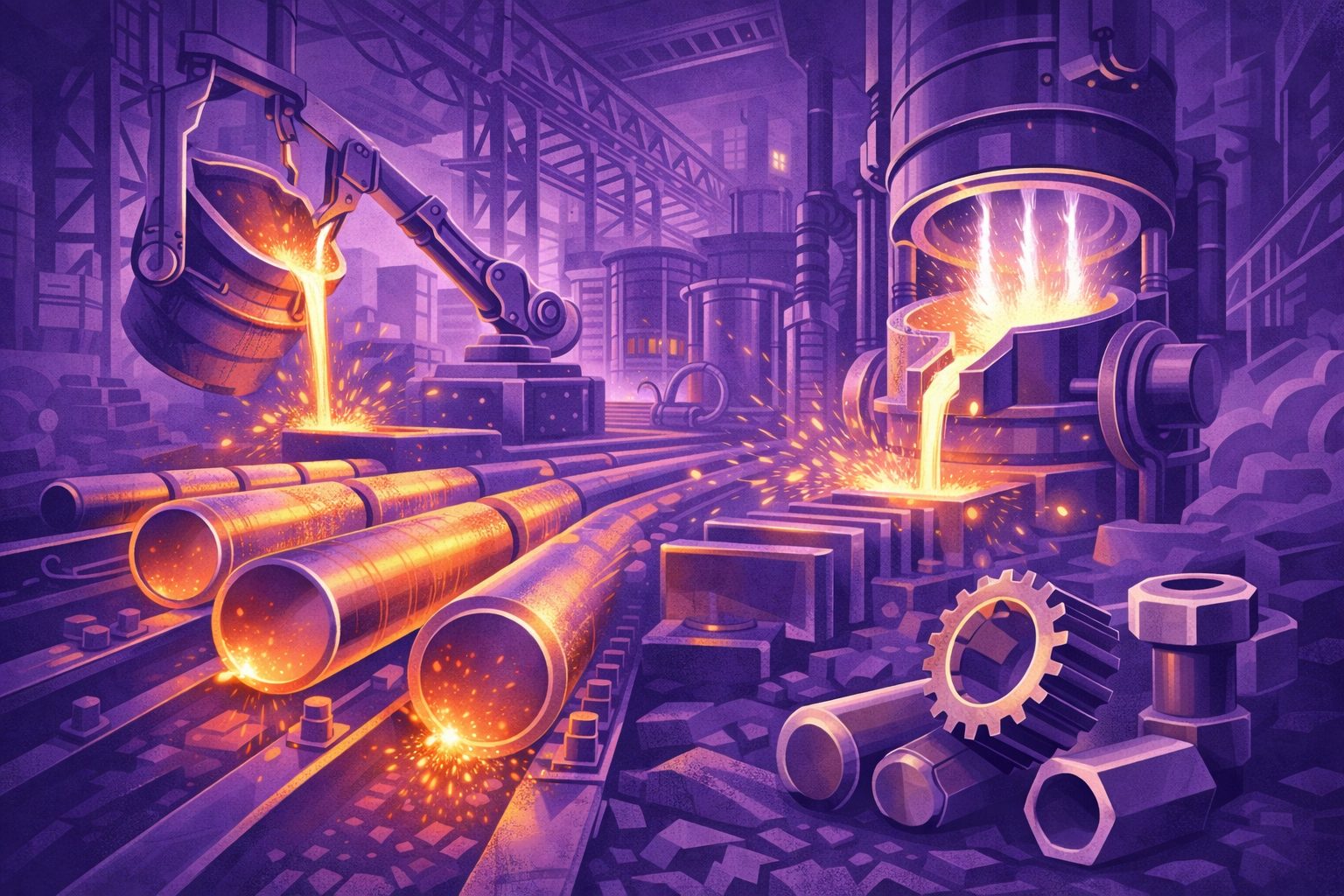
Union Budget 2026 reinforces the government’s focus on Atmanirbhar Bharat and domestic manufacturing. This is important because India still imports certain high-grade and specialty steel products. These include auto-grade steel, electrical steel, and defence-grade alloys. Reducing this dependence strengthens supply security and improves the trade balance.
The Budget signals possible expansion or strengthening of the Production-Linked Incentive (PLI) scheme for specialty steel. The objective is clear. Move Indian steel companies up the value chain and increase value-added production.
What this means for the steel sector
- Greater incentive to produce high-margin specialty steel.
- Reduced reliance on imported high-grade products.
- Improved competitiveness in global markets.
- Stronger positioning in automotive, renewable energy, defence, and infrastructure segments.
The focus shifts from volume growth to value growth. Companies that invest in advanced steel grades will benefit most.
Actionable steps for industry stakeholders
| Stakeholder | Recommended actions |
| Large steel manufacturers | Invest in specialty steel segments such as auto-grade, defence, and electrical steel. Upgrade technology and automation. Evaluate participation in PLI-linked expansion plans. |
| MSMEs/secondary Steel producers | Identify niche value-added products. Partner with larger mills for technology access. Improve quality certification to enter higher-grade markets. |
| Steel buyers (automotive OEMs, defence suppliers, manufacturers) | Increase sourcing from domestic specialty steel producers. Enter long-term development partnerships. Support localisation efforts. |
| Supply chain & technology providers | Provide advanced processing equipment and digital manufacturing solutions. Support skill development for high-grade production. |
Import duties and trade protection measures
Union Budget 2026 may introduce changes in customs duties on key raw materials such as coking coal and scrap. It may also adjust safeguard duties or anti-dumping measures on finished steel imports. These decisions are critical for the Indian steel sector. Raw material costs account for a large share of total production expenses. Even small duty changes can affect margins.
At the same time, trade protection measures help shield domestic producers from low-priced imports and dumping. This is especially important during periods of global oversupply.
What this means for the steel industry
- Changes in input duties directly affect cost structures.
- Lower duties on raw materials can ease margin pressure.
- Higher duties on finished imports can protect domestic prices.
- Frequent adjustments may increase pricing volatility.
Actionable steps for industry stakeholders
| Stakeholder | Recommended actions |
| Large steel manufacturers | Diversify sourcing of coking coal and scrap. Use hedging strategies to manage price risk. Closely monitor global trade flows and policy changes. |
| MSMEs/secondary steel producers | Secure stable raw material contracts. Strengthen cost control measures. Align pricing strategies with duty changes. |
| Steel buyers (manufacturers, EPCs, OEMs) | Track import duty trends. Lock in contracts during stable pricing periods. Build buffer inventory where necessary. |
| Industry bodies and trade associations | Engage with policymakers. Advocate for balanced trade measures that protect domestic industry without raising input costs excessively. |
Taxation and GST rationalisation
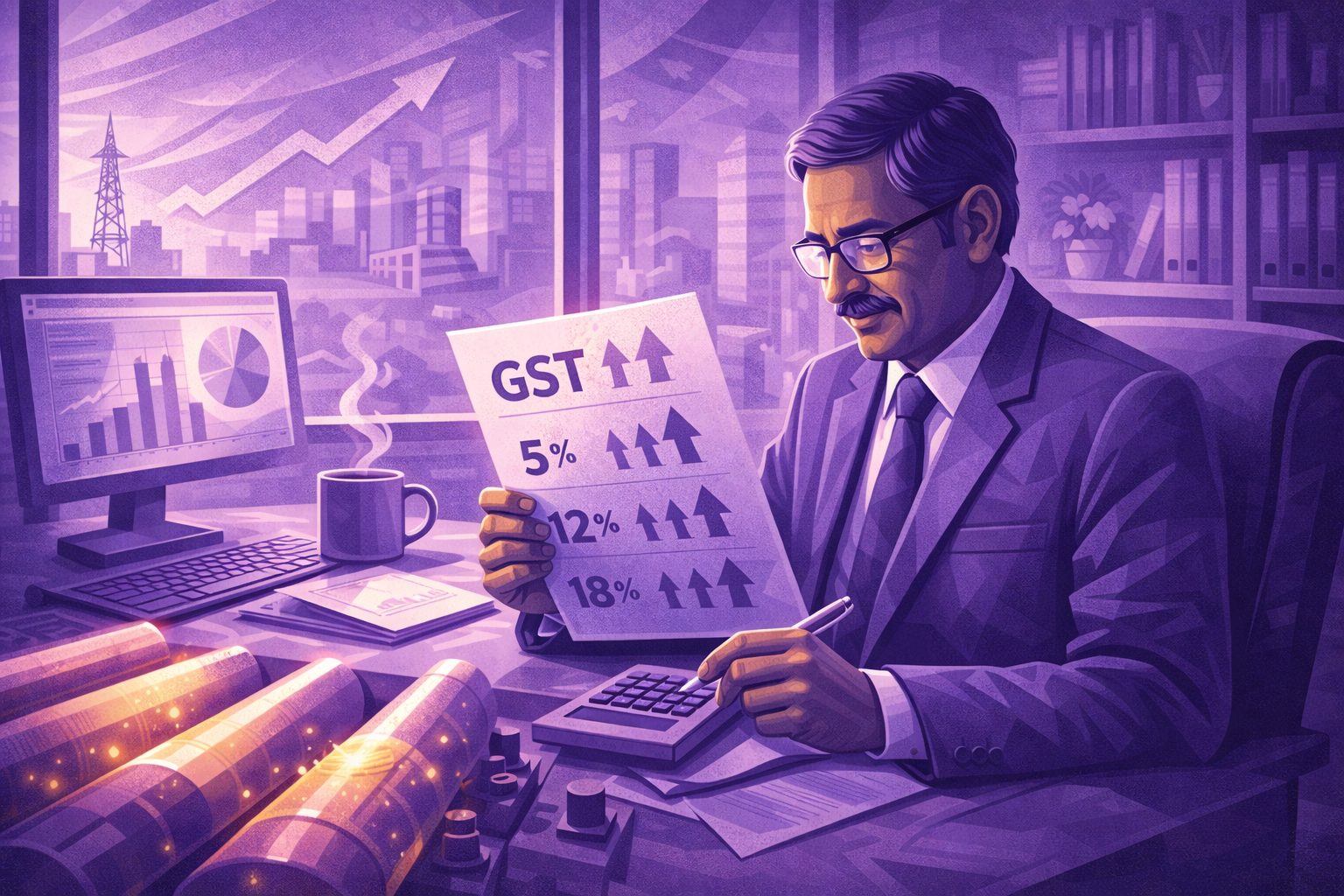
Union Budget 2026 may introduce changes in GST rates and broader tax policies affecting the steel sector. Possible measures include GST rationalisation, improved clarity on input tax credit, and corporate tax or accelerated depreciation benefits for capital investment.
Tax policy directly influences cash flow and cost structure in the steel industry. Steel manufacturing is capital-intensive and operates on tight margins. Delays in input tax credit refunds can lock up working capital. Clearer rules and rationalised GST rates can ease this pressure.
What this means for the steel sector
- Faster input tax credit recovery improves liquidity.
- Lower GST on key inputs can reduce production costs.
- Corporate tax or depreciation benefits support plant modernisation.
- Simplified compliance reduces administrative burden, especially for MSMEs.
Improved tax efficiency can strengthen margins without increasing selling prices. It also supports reinvestment in technology and capacity expansion.
Actionable steps for industry stakeholders
| Stakeholder | Recommended actions |
| Large steel manufacturers | Reassess pricing models based on revised GST structure. Optimise tax planning strategies. Use depreciation benefits for technology upgrades. |
| MSMEs/secondary steel producers | Ensure full utilisation of input tax credits. Improve accounting systems. Seek professional tax advisory where required. |
| Steel buyers (manufacturers, construction firms, OEMs) | Review procurement costs under revised GST rates. Align contracts with updated tax treatment. Monitor working capital impact. |
| Finance and compliance teams | Strengthen GST compliance systems. Improve documentation and digital filing processes. Reduce risk of penalties or credit delays. |
R&D and technology upgradation
Union Budget 2026 is expected to strengthen support for innovation and advanced manufacturing. This may include budgetary allocation for industrial research and tax incentives for R&D investment. Global competition is moving towards high-strength, lightweight, and advanced alloy steel. Automotive, defence, renewable energy, and infrastructure projects now demand specialised grades. Competing only on volume is no longer enough.
Technology upgrades also improve operational efficiency. Modern plants consume less energy per tonne. They reduce waste, improve yield, and lower emissions. Over time, this strengthens margins and global competitiveness.
What this means for the steel industry
- Faster development of advanced steel grades.
- Higher productivity across manufacturing units.
- Reduced energy consumption and production cost per tonne.
- Stronger positioning in high-value export markets.
Actionable steps for industry stakeholders
| Stakeholder | Recommended actions |
| Large steel manufacturers | Increase R&D spending as a percentage of revenue. Invest in automation and advanced process control systems. Adopt AI for blast furnace optimisation and predictive maintenance. |
| MSMEs/secondary steel producers | Upgrade machinery in phases. Focus on process efficiency improvements. Access government-backed innovation grants. |
| Steel buyers (automotive OEMs, defence, engineering firms) | Collaborate with domestic producers on product development. Support joint testing and certification of new steel grades. |
| Research institutes and technology providers | Partner with industry and IITs. Develop cost-effective advanced alloys. Support digital transformation across plants. |
MSME support and supply chain strengthening
Union Budget 2026 is expected to continue support for MSMEs through credit guarantee schemes, lower borrowing costs, and targeted reforms. This is important for the steel sector because secondary steel producers and rolling mills form a large part of India’s supply base. Many operate at regional level and supply construction, housing, and small infrastructure projects. Access to affordable finance helps them expand capacity and upgrade technology.
Stronger MSMEs improve supply chain depth. They reduce dependence on a few large producers. They also improve regional availability of steel products.
What this means for the steel industry
- Better liquidity for secondary steel producers.
- Increased regional production and competition.
- Improved supply chain resilience during demand spikes.
- Faster response to local infrastructure and construction needs.
Actionable steps for industry stakeholders
| Stakeholder | Recommended actions |
| MSMEs/secondary steel producers | Leverage new credit guarantee schemes. Refinance high-cost loans. Invest in energy-efficient equipment and quality upgrades. |
| Large steel manufacturers | Build stronger vendor ecosystems. Offer technical support to downstream units. Create regional distribution partnerships. |
| Steel buyers (builders, contractors, fabricators) | Diversify sourcing across MSMEs and integrated producers. Evaluate supplier credit strength. Secure consistent quality supply. |
| Logistics and distribution partners | Strengthen warehousing networks. Improve inventory planning. Use digital systems for faster order fulfilment. |
Export promotion and global competitiveness
Union Budget 2026 is expected to strengthen export promotion measures for the steel sector. This may include export incentives, faster logistics clearance, and support through new trade agreements. There may also be policy support to help Indian producers prepare for global carbon barriers such as the EU’s Carbon Border Adjustment Mechanism (CBAM).
This focus is important because global steel demand is shifting. Relying only on domestic infrastructure demand can increase risk. Expanding exports helps diversify revenue and improve foreign exchange earnings.
Improved logistics, port infrastructure, and trade facilitation can reduce turnaround time and freight costs. At the same time, carbon compliance support improves acceptance in developed markets.
What this means for the steel industry
- Greater access to emerging markets.
- Increased foreign exchange inflows.
- Reduced dependence on domestic demand cycles.
- Stronger global brand positioning for Indian steel.
Actionable steps for industry stakeholders
| Stakeholder | Recommended actions |
| Large steel manufacturers | Target high-growth regions such as Africa and Southeast Asia. Strengthen global distribution networks. Upgrade product certifications to meet international standards. Hedge currency risks to protect margins. |
| MSMEs/secondary steel producers | Explore indirect exports through larger exporters. Improve quality consistency. Obtain required export certifications. |
| Steel buyers (global OEMs, traders, distributors) | Develop long-term sourcing partnerships with Indian mills. Evaluate carbon compliance credentials. Diversify supplier base. |
| Logistics and trade facilitators | Improve port handling efficiency. Reduce shipment delays. Support exporters with digital documentation and faster clearance systems. |
Raw material security and mining reforms
Union Budget 2026 may strengthen policy support for iron ore mining reforms and commercial coal mining expansion. It may also accelerate development of dedicated freight corridors and mining logistics infrastructure. Raw materials such as iron ore and coking coal account for a major share of production costs. Supply disruption or price volatility directly affects margins.
Mining reforms can improve transparency, faster approvals, and higher production capacity. Expansion of commercial coal mining reduces reliance on imports. Better rail and port connectivity lowers transportation costs and delivery delays.
What this means for the steel industry
- Improved availability of domestic iron ore and coal.
- Reduced exposure to global raw material price shocks.
- More predictable input pricing.
- Lower logistics costs over time.
Actionable steps for industry stakeholders
| Stakeholder | Recommended actions |
| Large steel manufacturers | Secure long-term mining leases where possible. Explore backward integration into iron ore and coal assets. Invest in beneficiation and pelletisation plants to improve raw material quality. |
| MSMEs/secondary steel producers | Enter stable supply agreements with miners. Improve raw material inventory planning. Explore cluster-based sourcing models. |
| Steel buyers (manufacturers, infrastructure firms) | Monitor raw material trends to anticipate steel price movements. Plan procurement in line with supply cycles. |
| Logistics and mining operators | Invest in rail connectivity and bulk handling systems. Improve turnaround time from mine to mill. Use digital tracking for supply visibility. |
Energy transition and power cost rationalisation
Union Budget 2026 is likely to continue support for renewable energy and power sector reforms, including open access and incentives for captive solar and wind projects. This is important for the steel sector, where power is a major production cost, especially for electric arc furnace units. Even small tariff reductions can improve margins.
Greater use of renewable energy also lowers carbon intensity. This supports green steel targets and improves export readiness in carbon-regulated markets, while giving producers better pricing flexibility.
What this means for the steel industry
- Reduced long-term power costs.
- Improved cost stability.
- Lower emissions per tonne of steel.
- Better alignment with ESG and sustainability targets.
Actionable steps for industry stakeholders
| Stakeholder | Recommended actions |
| Large steel manufacturers | Invest in captive solar or wind plants. Enter long-term power purchase agreements (PPAs). Benchmark plant-level energy efficiency. |
| MSMEs/secondary steel producers | Explore group captive renewable models. Audit energy consumption regularly. Upgrade to energy-efficient motors and equipment. |
| Steel buyers (OEMs, developers) | Prefer suppliers with lower carbon intensity. Factor energy-linked cost stability into procurement planning. |
| Power and renewable developers | Design customised renewable solutions for steel clusters. Offer flexible PPA structures. |
Conclusion
Union Budget 2026 boosts steel demand through higher infrastructure spending while strengthening supply-side competitiveness via PLI incentives, green steel support, and calibrated trade measures. The sector stands at a strategic inflection point. Companies that prioritise sustainability, innovation, and value-added production will lead the next phase of growth.
Disclaimer:
The data presented in this blog is based on publicly available information from credible online sources and government releases. While every effort has been made to ensure accuracy, we do not guarantee the completeness or correctness of the figures/data provided. Readers are advised to cross-verify details through official portals or other authorised channels before making any business or financial decisions. This blog is intended for informational purposes only.
Looking to procure steel?
Tata nexarc helps manufacturers, builders and MSMEs source certified steel products, compare prices, and choose the right grade as per IS codes—with complete traceability and procurement confidence.
FAQs
How does Union Budget 2026 impact steel demand?
Why is infrastructure spending important for the steel sector?
What is the impact of green steel incentives?
How does the PLI scheme benefit steel companies?
What role do import duties play in the steel industry?
How can GST rationalisation help steel manufacturers?
Why is R&D important for the Indian steel sector?
How does MSME support strengthen the steel supply chain?
What is the significance of export promotion measures?
Why is energy transition critical for steel producers?
A product manager with a writer's heart, Anirban leverages his 6 years of experience to empower MSMEs in the business and technology sectors. His time at Tata nexarc honed his skills in crafting informative content tailored to MSME needs. Whether wielding words for business or developing innovative products for both Tata Nexarc and MSMEs, his passion for clear communication and a deep understanding of their challenges shine through.