Check Price Now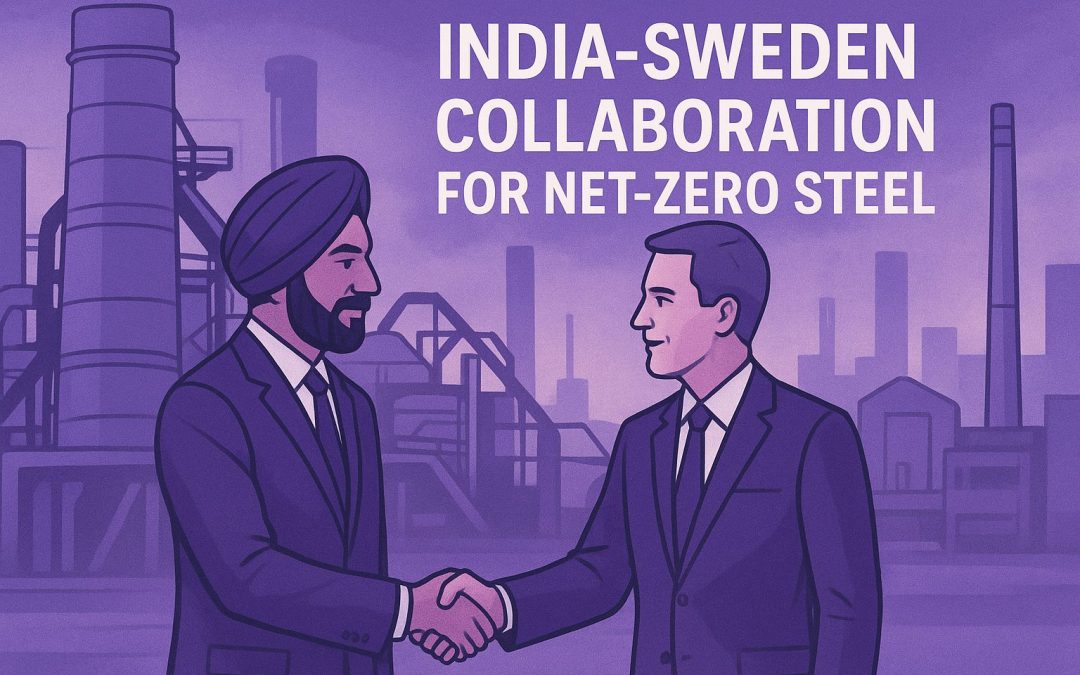
Table of Contents
Steel and cement are major sources of industrial emissions, with both relying on high-heat, carbon-heavy processes. India’s demand for these materials is growing fast as infrastructure expands. This creates pressure to cut emissions while keeping costs stable.
India and Sweden have launched new joint projects to support cleaner production. The work sits under the Industry Transition Partnership. It brings together Indian steelmakers, Swedish technology experts, and research bodies. Tata Steel is among the early participants.
For steel buyers, this shift is important. Low-carbon steel will shape prices, supply choices, and long-term planning. This article outlines the partnership and what it may mean for India’s steel sector.
Background: What makes steel and cement carbon-intensive?
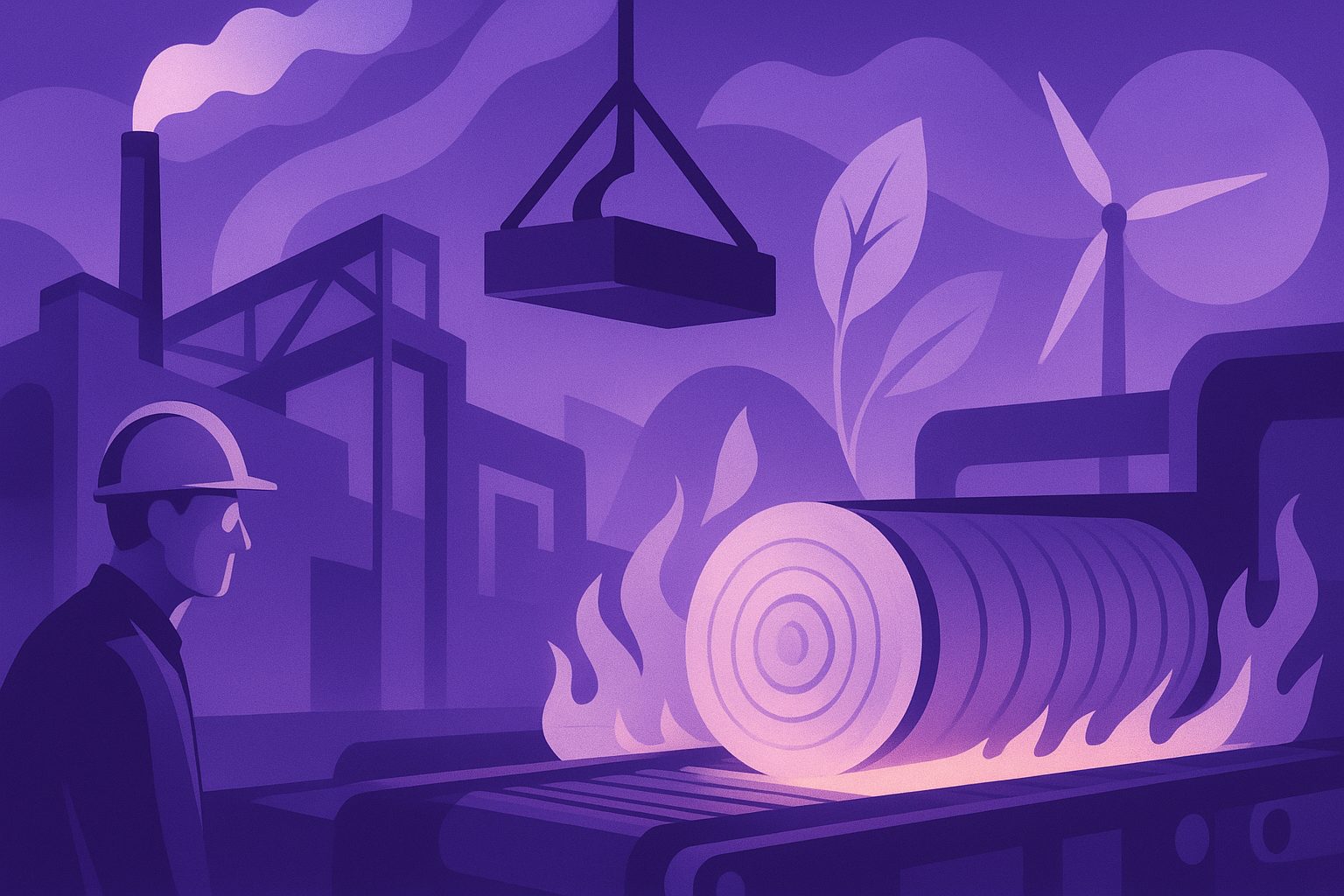
Steel and cement are among the most emission-intensive industries. Both rely on high-temperature processes. These processes need large amounts of energy, often from coal. This makes them major contributors to industrial CO₂ emissions.
Steel production emits CO₂ at several stages
- Burning coke in blast furnaces.
- Reducing iron ore with carbon.
- Heating raw materials to extreme temperatures. Even efficiency gains cannot fully remove these process emissions.
Cement manufacturing has its own hard-to-avoid emissions
- Limestone releases CO₂ when heated.
- Kilns need very high heat, usually from fossil fuels. This means that even if cleaner fuels are used, chemical emissions remain.
India’s scale makes decarbonisation urgent
- India is one of the world’s largest steel producers.
- Cement demand is among the highest globally.
- Rapid growth in construction, infrastructure, and manufacturing increases output each year. This locks India into high emissions unless clean technologies are adopted.
The demand outlook adds pressure
Steel and cement needs will grow as India expands transport networks, renewable energy capacity, housing, and industrial zones. Steel buyers must prepare for shifts in supply, costs, and quality as cleaner production becomes essential.
Global markets are also changing
Trading partners are tightening emission rules. Carbon border policies may affect Indian exports. Clean steel will support competitiveness in the long term.
Decarbonising these sectors is vital for climate goals
Heavy industry cannot achieve net-zero without major technological change. This is why new India-Sweden projects matter. They offer pathways to lower-carbon production that support both industry growth and climate commitments.
The India-Sweden Industry Transition Partnership (ITP)
The India-Sweden Industry Transition Partnership, or ITP, was set up to help heavy industry cut emissions. Its purpose is simple. It aims to develop cleaner technologies for sectors that are difficult to decarbonise, especially steel and cement. Both countries see the partnership to support industrial growth while reducing carbon output.
The ITP brings together three main groups. Governments provide direction and policy support. Large industrial companies test new processes and share operational data. Research organisations supply technical knowledge and evaluate results. This mix allows projects to move from concept to practical testing.
Funding comes from both India and Sweden. The money supports early-stage development, pilot projects, and process improvements. Current projects include hydrogen-based ironmaking, low-carbon kiln systems, better waste heat recovery, and the reuse of steel slag in cement. Each project focuses on methods that can scale within India’s large industrial base.
The partnership’s long-term vision is clear. It wants to build a pathway towards cleaner steel and cement production that fits India’s future demand. It also aims to make low-carbon materials more accessible and cost-effective.
For steel buyers, the ITP matters. Cleaner production will affect supply options, certification standards, and long-term pricing. The shift may be gradual, but it is underway. Understanding these changes can help buyers plan for future procurement and prepare for new market expectations.
Overview of the seven new India-Sweden decarbonisation projects
| Focus area | What the project aims to achieve | Why it matters for India’s steel sector |
| Hydrogen in steelmaking | Test hydrogen as a replacement for coal in key steps of the steelmaking process. | Cuts direct emissions, reduces dependence on imported coking coal, and supports long-term green steel goals. |
| Low-carbon kiln processes | Develop cleaner kiln and furnace technologies for steel and cement plants. | Lowers energy use and shrinks the carbon footprint of core industrial equipment. |
| AI-driven process optimisation | Use AI and data tools to track energy waste, predict failures, and improve furnace control. | Helps mills cut fuel use and improve quality and throughput with minimal capex. |
| Automation for efficiency | Deploy automation for safer and more stable plant operations. | Reduces downtime, improves consistency, and supports cost competitiveness. |
| Circular economy & slag utilisation | Create new use-cases for blast furnace slag, steel scrap, and industrial waste. | Boosts resource efficiency, lowers input costs, and supports India’s scrap-based growth plans. |
| Cross-border research platforms | Build shared testbeds and R&D networks between Indian and Swedish institutes. | Speeds up adoption of proven global decarbonisation solutions. |
| Green supply chain & logistics pilots | Explore cleaner transport, digital tracking, and low-emission procurement systems. | Helps steel buyers and EPC firms meet Scope 3 commitments. |
Deep dive into key project areas
Green steel technologies
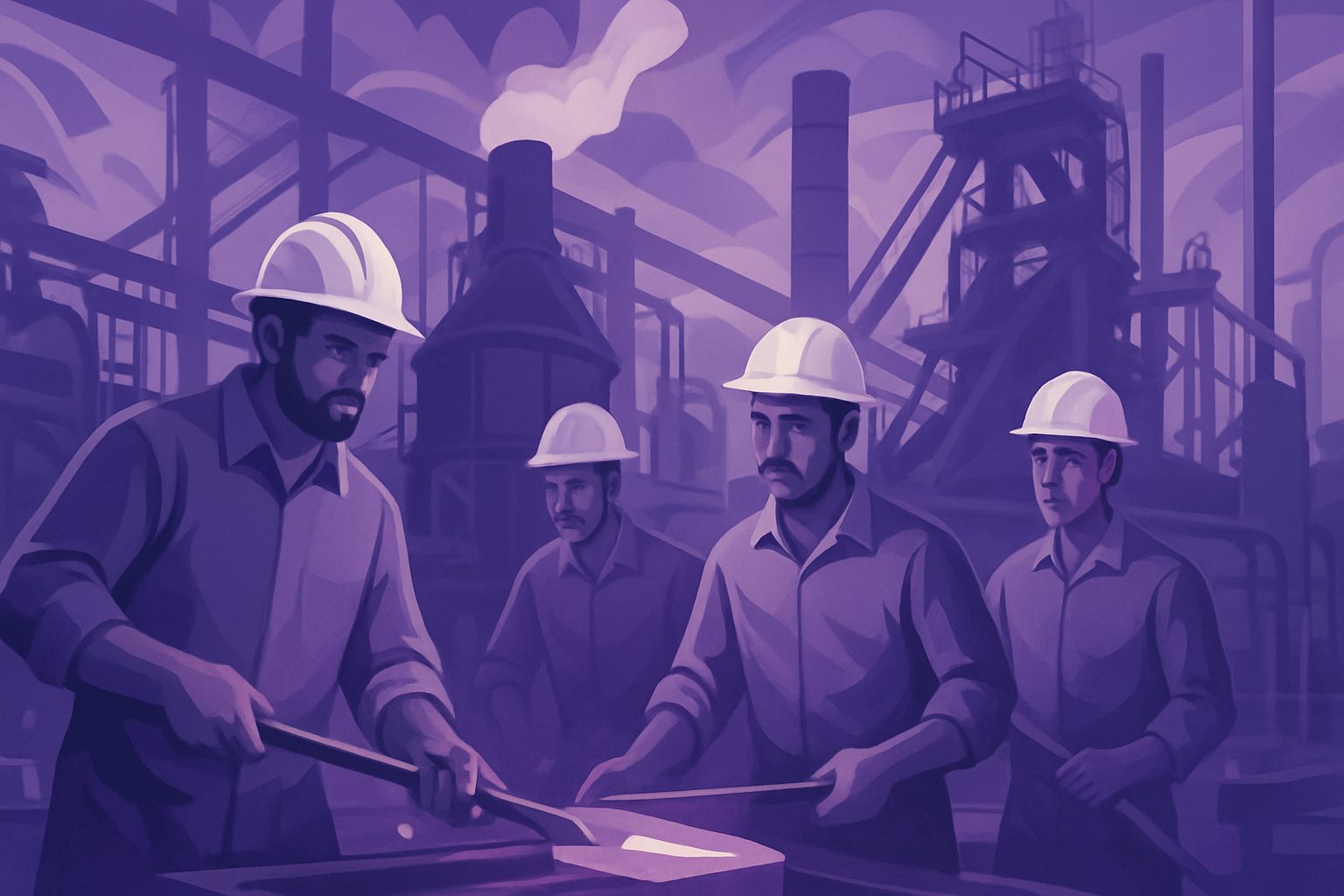
India and Sweden are testing new pathways to cut emissions from primary steelmaking. The focus is on replacing coal with hydrogen, improving furnace efficiency, and reducing waste heat losses. Hydrogen-based DRI, hybrid furnaces, and electro-reduction pilots sit at the centre of this work.
For India, these technologies matter because they reduce dependence on imported coking coal and help mills meet future green-steel demand from auto, construction, and export customers. Buyers gain access to lower-carbon steel grades, which supports ESG compliance and long-term procurement planning.
Low-carbon cement production
Cement remains one of the most carbon-intensive materials. The India-Sweden projects aim to redesign kiln systems, switch to cleaner fuels, and optimise the clinker ratio. These steps reduce the process emissions that come from limestone breakdown.
New kiln coatings, high-efficiency burners, and waste-heat recovery systems form part of the pilot work. For steel and infrastructure buyers, this improves sustainability across the full project footprint. Large EPC contractors benefit from predictable supply and lower scope 3 intensity.
Slag as a supplementary cementitious material (SCM)
Blast furnace slag offers a proven route to cut clinker use. The partnership explores new grinding methods, activation techniques, and quality-control tools to increase slag utilisation.
For steelmakers, this creates extra value from an existing by-product. For cement producers, it lowers emissions without major capex. For buyers, it provides access to greener cement blends and supports green-building ratings. Higher slag use also strengthens the circular economy link between the steel and cement sectors.
CCUS, AI, and digital optimisation
Some emissions cannot be avoided today. Carbon capture, utilisation, and storage (CCUS) pilots explore ways to trap and reuse CO₂ from furnaces and kilns. This includes mineralisation, synthetic fuels, and compressed storage routes.
Alongside this, AI and digital systems help plants cut energy waste and stabilise operations. Sensors, predictive models, and real-time dashboards improve furnace control, reduce fuel use, and limit unplanned shutdowns. For Indian steel buyers, this means more stable supply, better quality consistency, and a clear shift towards cleaner production.
Significance for India’s industrial & climate goals
| Theme | Why it matters for India | Link to steel & cement decarbonisation projects |
| Net-zero 2070 target | India must cut industrial emissions to stay on track. Heavy industry is a major source of CO₂. Cleaner production reduces long-term climate risk. | The projects support hydrogen use, low-carbon kilns, slag utilisation, and CCUS. These actions lower scope 1 and 2 emissions for both sectors and contribute directly to national climate goals. |
| Green infrastructure demand | India is building roads, bridges, metros, and renewable-energy assets at record pace. Buyers want low-carbon materials to meet ESG norms and win global funding. | Green steel and low-carbon cement pilots help deliver cleaner materials for the infrastructure pipeline. This supports government mandates, investor expectations, and sustainable procurement. |
| Industrial competitiveness | Global markets are moving towards carbon-border taxes and green-product standards. Indian producers must upgrade to stay competitive. | Technology pilots improve energy efficiency, reduce fuel costs, and prepare mills for green-steel certification. This helps India avoid future trade penalties and remain export ready. |
| Innovation & technology transfer | India needs access to advanced processes to modernise its industrial base. Collaboration accelerates learning and reduces risk. | Sweden brings expertise in hydrogen, AI, CCUS, and circular systems. Joint projects speed up testing, help scale what works, and lower the cost of adoption for Indian plants. |
| Supply chain stability | Lower emissions often mean better energy security and fewer production disruptions. | Digital optimisation and alternative fuels help plants run smoothly and protect steel and cement buyers from supply shocks. |
Challenges to decarbonisation
Technical scale-up limits: Pilot projects for hydrogen DRI, advanced kilns, and CCUS are not yet ready for full commercial use. Scaling them needs major engineering upgrades and new skills.
High technology and capital costs: Green technologies remain expensive and demand heavy upfront investment. Many Indian plants operate on thin margins, which slows early adoption.
Policy and regulatory gaps: India lacks clear standards for green steel and cement. Limited incentives or price signals reduce confidence in long-term investment.
Infrastructure and energy constraints: Green hydrogen needs large, reliable renewable power, which is not yet available everywhere. CCUS also needs pipelines and storage sites that are still in development.
Market readiness and price sensitivity: Buyers want greener materials but hesitate to pay a premium. Producers face uncertainty about guaranteed demand for low-carbon products.
Global impact and what the India-Sweden collaboration signals
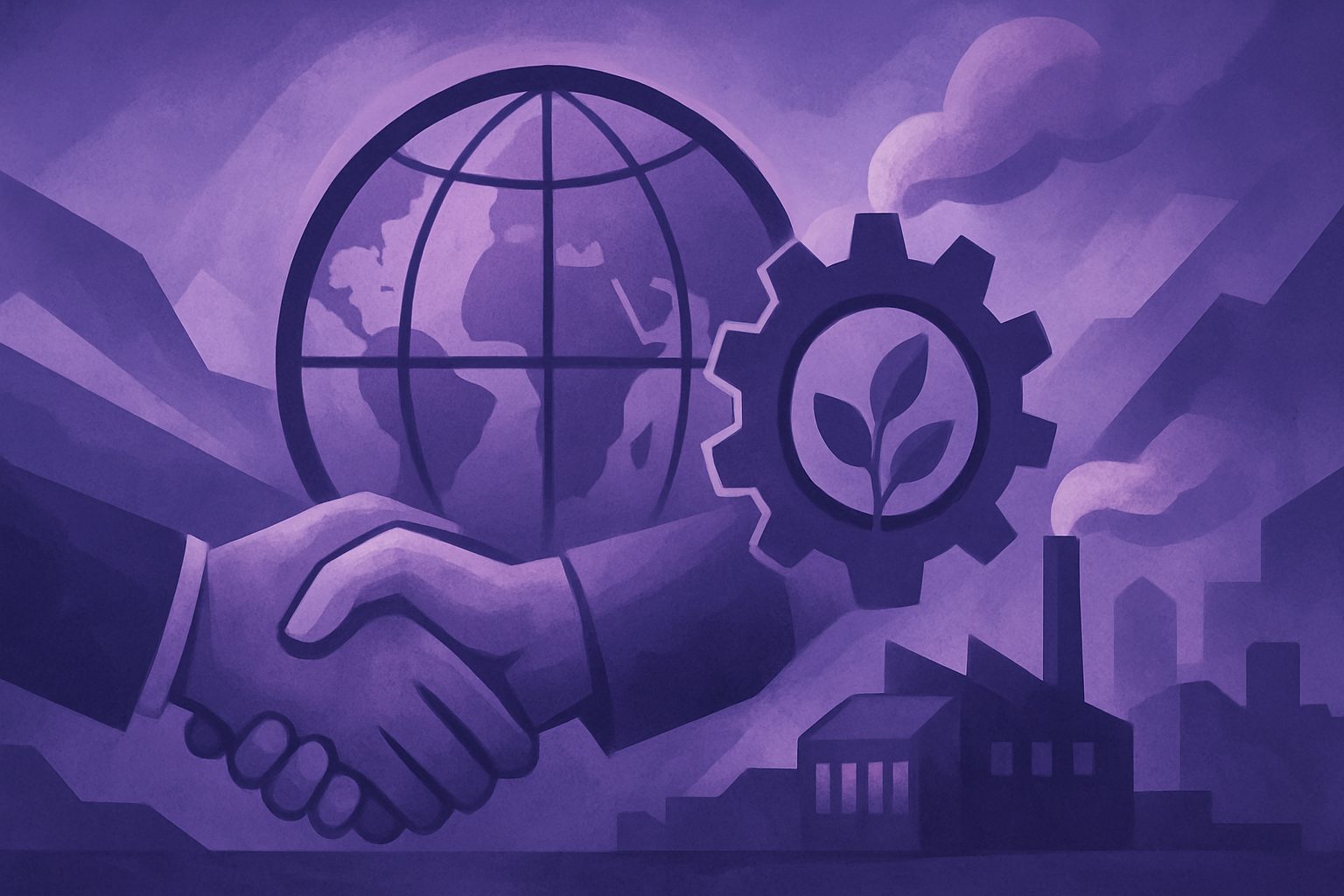
The partnership between India and Sweden sends a strong message about climate diplomacy. It shows that major emitters and technology leaders can work together to solve hard industrial problems, rather than act in isolation. This model supports trust, shared standards, and faster progress across borders.
It also highlights a new way of sharing technology. Instead of importing finished solutions, India is co-developing pilots, skills, and operating models. This reduces costs, speeds up adaptation, and helps build long-term capability within Indian industry.
The collaboration points to the future of global green manufacturing. Countries that work together on hydrogen, CCUS, digital tools, and circular systems will shape supply chains, attract investment, and set the rules for low-carbon materials worldwide.
Outlook: What to expect in the next 3-5 years
Pilot phases
Most India-Sweden projects are currently at pilot or pre-commercial stage. Steel and cement plants are testing hydrogen DRI, low-carbon kilns, and slag-based cement. Early results will guide full-scale rollout.
Commercial feasibility
Scaling these technologies will depend on costs, energy availability, and plant readiness. Hydrogen and CCUS will remain expensive initially, but efficiency gains and innovation are expected to reduce costs over time.
Industry adoption
Leading steelmakers and cement producers are likely to adopt successful pilots first. Wider adoption will follow as technologies prove reliable and buyers demand lower-carbon materials.
Policy signals to watch
Government incentives, carbon-pricing mechanisms, and green certification standards will influence investment decisions. Clear policies can accelerate deployment and market acceptance.
Potential for expansion
Successful pilots could expand to more plants and industrial clusters. Cross-border collaboration may also grow, creating a blueprint for other countries seeking low-carbon industrial solutions.
Conclusion
The India-Sweden collaboration is a major step in decarbonising steel and cement. It shows how innovation and technology can cut emissions while supporting industrial growth. Global partnerships provide expertise, funding, and research to speed change. Over the next few years, successful pilots could transform heavy industry, set new standards for low-carbon materials, and create opportunities for buyers, producers, and policymakers alike.
Looking to procure steel?
Tata nexarc helps manufacturers, builders and MSMEs source certified steel products, compare prices, and choose the right grade as per IS codes—with complete traceability and procurement confidence.
FAQs
What is the India-Sweden Industry Transition Partnership (ITP)?
Why are steel and cement called hard-to-abate sectors?
Which Indian companies are involved?
What technologies are being tested?
How does this affect steel buyers in India?
What is the timeline for pilot projects?
How does the partnership support India’s net-zero goal?
What role does Sweden play?
Will green steel cost more?
Can these projects be expanded globally?
A product manager with a writer's heart, Anirban leverages his 6 years of experience to empower MSMEs in the business and technology sectors. His time at Tata nexarc honed his skills in crafting informative content tailored to MSME needs. Whether wielding words for business or developing innovative products for both Tata Nexarc and MSMEs, his passion for clear communication and a deep understanding of their challenges shine through.