
 Check Price Now
Table of Contents
- Iron vs. Cast Iron vs. Steel
- What is Iron?
- What is Cast Iron?
- Iron vs. Cast Iron: Key Material Properties Explained
- Advantages and Disadvantages of Cast Iron
- Cast Iron vs. Steel: Benefits and Limitations
- Iron vs. Cast Iron Price in India (2026)
- Applications of Iron vs. Cast Iron in Indian Industry
- Which is Better: Iron or Cast Iron?
- Conclusion
- FAQs
Understanding the difference between iron vs. cast iron is important when choosing materials for construction, manufacturing, infrastructure, and cookware production in India. Although both originate from the same base metal, their composition, strength, and industrial uses vary widely.
Iron is a naturally occurring metal that is soft and ductile in its pure form. Cast iron is an iron–carbon alloy with higher carbon content, which makes it harder but more brittle. Steel, another iron-based alloy, is widely used when higher strength and durability are required.
Iron vs. cast iron vs. steel
When selecting materials for engineering, construction, or manufacturing, understanding an iron vs cast iron comparison is essential. Although both materials originate from iron ore, their composition, production process, strength, and industrial applications differ. The iron vs cast iron properties table below highlights the key differences and briefly compares them with steel, another widely used iron-based alloy.
Iron vs. cast iron vs. steel – Main differences
| Property | Iron | Cast iron | Steel |
| Composition/carbon content | Pure metal with very low carbon content (usually <0.1%). | Iron alloy with 2–4% carbon and small amounts of silicon. | Iron alloy with 0.05–2% carbon plus alloying elements such as chromium, nickel, or manganese. |
| Manufacturing process | Produced by smelting iron ore in a blast furnace to create pig iron, which can be refined into wrought iron. | Produced by melting pig iron and scrap metal and pouring the molten metal into molds. | Manufactured by refining pig iron or scrap steel in BOF or EAF furnaces. |
| Strength & mechanical properties | Soft, ductile, and easily shaped but relatively weak. | Hard and wear-resistant but brittle with low tensile strength. | Strong, tough, and highly durable with good tensile strength. |
| Machinability/workability | Easy to forge, hammer, and shape. | Good machinability in many grades but difficult to deform. | Moderate machinability depending on alloy grade. |
| Heat properties | Moderate heat conductivity. | High heat retention and thermal stability. | Good heat conductivity but lower heat retention than cast iron. |
| Common industrial uses in India | Raw material for steelmaking, decorative ironwork. | Pipes, engine blocks, cookware, machine bases, manhole covers. | Construction bars, automotive parts, tools, structural sections. |
| Corrosion resistance | Rusts easily without coating. | Also prone to rust; often coated or seasoned. | Many grades offer improved corrosion resistance. |
What is iron?
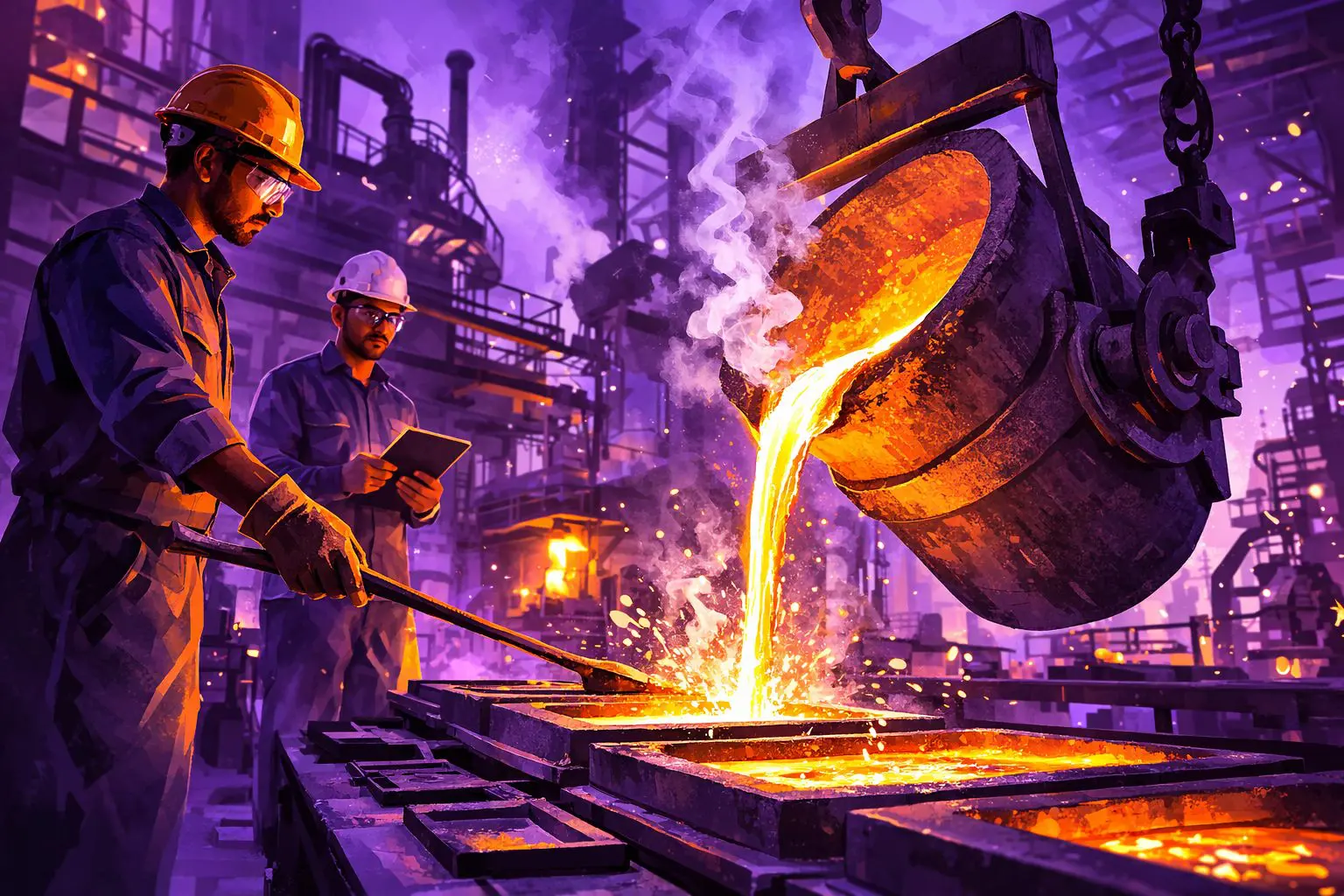
Iron is a naturally occurring metallic element and one of the most widely used metals in industry. If you are wondering what is iron metal, it is a chemical element (Fe) extracted mainly from iron ore through a smelting process. In its pure form, iron is soft, ductile, and highly workable, which makes it useful as a base material for producing stronger alloys.
However, pure iron is rarely used directly in large-scale industrial applications. Instead, it is processed into different forms that act as the primary raw material for steel and cast iron production.
Main types of iron metal
| Type | Description | Industrial relevance |
| Pig iron | Crude iron obtained from a blast furnace with 3–4% carbon and other impurities. | Main raw material used to produce steel and cast iron. |
| Wrought iron | Refined iron with very low carbon content (<0.08%). | Known for ductility and corrosion resistance. |
Key characteristics of iron
- Soft and malleable, making it easy to shape and forge
- Good ductility and workability compared to cast iron
- Acts as the base metal for most steel and iron alloys
Common industrial uses in India
Iron is mainly used as an input material for steel manufacturing, construction components, machinery parts, railway infrastructure, and traditional metal fabrication such as gates and grills.
What is cast iron?
Cast iron is a widely used iron–carbon alloy known for its strength, wear resistance, and excellent casting properties. If you are wondering what is cast iron, it is an alloy made by melting iron and adding carbon and silicon. This composition gives cast iron properties that differ significantly from pure iron.
The typical cast iron composition includes 2–4% carbon and 1–3% silicon, along with small amounts of manganese, sulfur, and phosphorus. The higher carbon content makes cast iron hard and resistant to wear, but also more brittle than steel.
Cast iron manufacturing process
| Stage | Description | Industrial significance |
| Raw material preparation | Pig iron, scrap iron, and alloys are collected. | Ensures the right chemical composition. |
| Melting | Materials are melted in a cupola furnace or electric furnace. | Produces molten iron suitable for casting. |
| Casting | Molten metal is poured into sand or metal molds. | Allows complex shapes to be formed. |
| Cooling and finishing | Castings solidify and are machined or treated. | Improves strength and surface finish. |
Main types of cast iron
Grey cast iron – widely used due to good machinability and vibration damping.
White cast iron – very hard and wear resistant.
Ductile (nodular) cast iron – stronger and more flexible.
Malleable cast iron – heat-treated for improved ductility.
Common industrial uses in India
Cast iron is widely used in pipes and fittings, automotive engine blocks, machine tool bases, pumps, valves, manhole covers, and cookware manufacturing. Its ability to form complex shapes makes it valuable in both heavy industry and consumer products.
Iron vs. cast iron: Key material properties explained
Although both materials originate from the same base metal, the iron vs cast iron properties differ significantly. These differences affect how each material performs in industrial, engineering, and manufacturing applications.
Strength
Cast iron generally offers higher compressive strength than pure iron. This makes it suitable for heavy-duty components such as machine bases, engine blocks, and manhole covers. Pure iron, however, has lower strength and is rarely used directly in structural or load-bearing applications.
Brittleness
One key difference is brittleness. Cast iron is harder but also more brittle due to its higher carbon content. Under sudden impact or tensile stress, it can crack or fracture. Iron, in contrast, is more ductile and flexible, which allows it to absorb stress without breaking easily.
Melting point
The melting point of iron is about 1538°C, which is higher than most cast iron grades. Cast iron typically melts between 1150°C and 1200°C, making it easier to melt and cast into molds during manufacturing.
Workability
Iron has excellent workability. It can be forged, rolled, hammered, and shaped without cracking. Cast iron, however, cannot be easily forged because of its brittleness. Instead, manufacturers shape it using casting processes.
Heat retention
Another difference in cast iron hardness vs iron ductility appears in thermal behaviour. Cast iron retains heat for longer periods and distributes it evenly. Iron heats up and cools down faster, which makes it less suitable for applications requiring long heat retention.
Advantages and disadvantages of cast iron
Cast iron is widely used in manufacturing and heavy industry because of its durability and casting efficiency. However, like most engineering materials, it has both strengths and limitations. Understanding the cast iron advantages and disadvantages helps buyers, manufacturers, and engineers select the right material for specific applications.
| Advantages | Disadvantages |
| Excellent castability – Molten cast iron flows easily into molds, allowing complex shapes to be produced with minimal machining. | Brittle under impact – Cast iron can crack or fracture if exposed to sudden shocks or tensile stress. |
| High wear resistance – Suitable for components exposed to friction such as engine blocks and machinery parts. | Low tensile strength compared with steel, which limits its use in structural or load-bearing components. |
| Good machinability – Grades like grey cast iron can be machined easily during finishing operations. | Heavy weight – Cast iron components are denser and heavier than many steel alternatives. |
| Excellent heat retention – Ideal for cookware, industrial heating equipment, and thermal applications. | Prone to corrosion when exposed to moisture unless coated or treated. |
| Good vibration damping – Cast iron absorbs vibrations effectively, which is why it is widely used in machine bases and industrial equipment frames. | Limited ductility – Unlike iron or steel, cast iron cannot be easily forged or bent. |
Because of these characteristics, cast iron remains a cost-effective material for automotive parts, pipes, machinery bases, and cookware manufacturing.
Cast iron vs. steel: Benefits and limitations
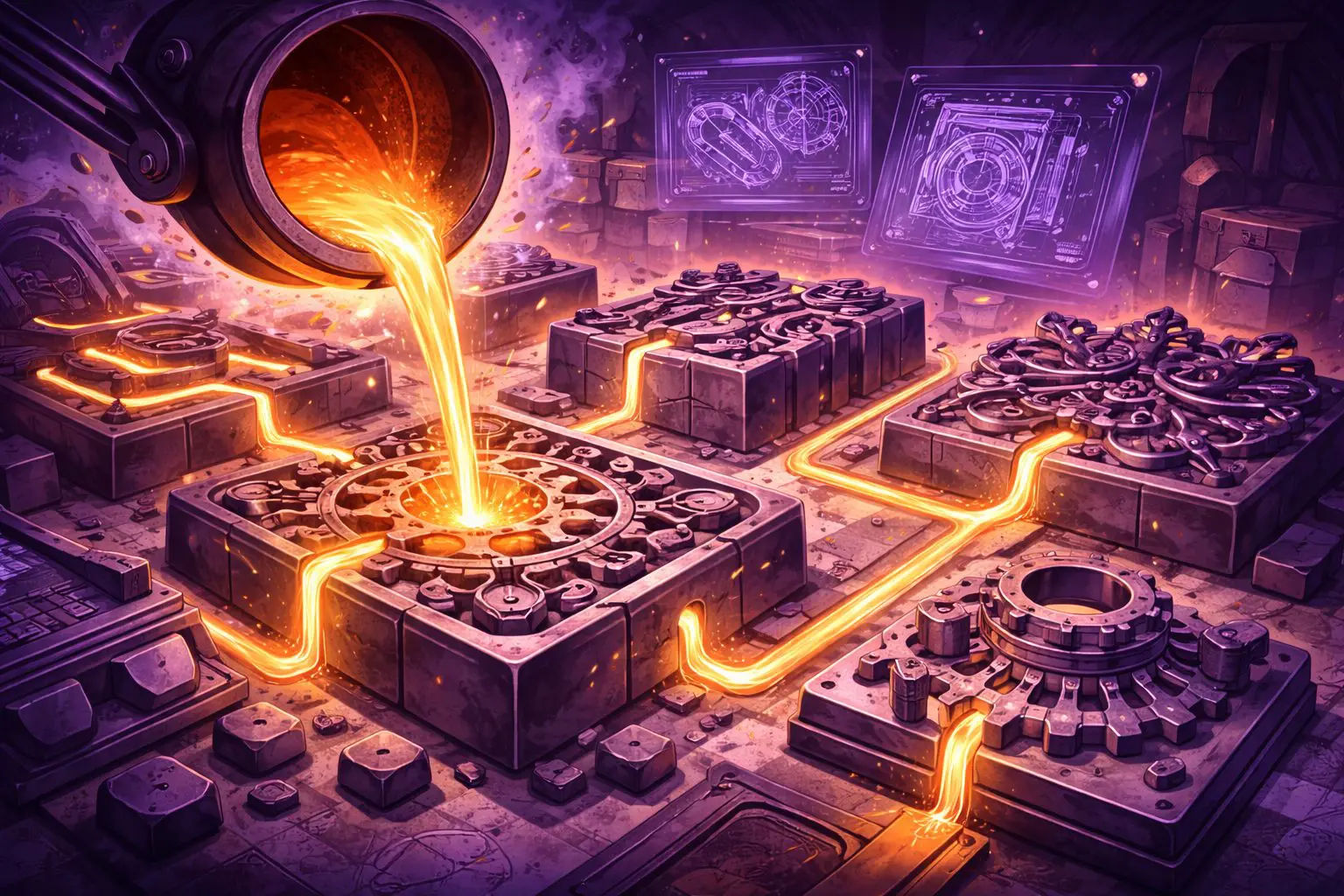
When comparing materials for manufacturing and infrastructure, engineers often evaluate cast iron vs steel benefits alongside their limitations. Both materials originate from iron, but their performance differs depending on the application.
Lower production cost
Cast iron is often less expensive to produce than many steel grades. The manufacturing process involves melting pig iron and scrap metal and pouring it into molds, which reduces forming and machining costs for large components.
Excellent castability for complex shapes
One major advantage of cast iron is its excellent castability. Molten metal flows easily into molds, allowing manufacturers to create complex shapes and thick sections with minimal post-processing. This makes it ideal for components such as engine blocks, pump housings, and machine frames.
Good vibration absorption
Cast iron has strong vibration damping properties, which is why it is widely used in machine tool bases, industrial equipment frames, and heavy machinery parts.
Limitations compared to steel
Despite these benefits, cast iron has lower tensile strength and higher brittleness than steel. Steel is therefore preferred for structural applications, reinforcement bars, and load-bearing components where flexibility and impact resistance are required.
In practice, manufacturers choose between the two materials based on strength requirements, cost, and the complexity of the component design.
Iron vs. cast iron price in India (2026)
Price is an important factor when selecting metals for manufacturing, construction, and industrial production. The cast iron price in India depends on raw material costs, energy consumption in foundries, and demand from sectors such as automotive, infrastructure, and machinery manufacturing.
| Material | Approx. price range | Description | Typical industrial use |
| Pig iron | ₹38–₹45 per kg (₹38,000–₹45,000 per tonne) | Basic iron produced in blast furnaces with 3–4% carbon and impurities. | Raw material for steelmaking and cast iron production. |
| Cast iron scrap | ₹32–₹42 per kg | Recycled cast iron melted in foundries for new castings. | Foundry casting and secondary metal production. |
| Grey cast iron castings | ₹70–₹120 per kg depending on weight and finishing | Cast iron poured into molds and machined into finished parts. | Engine blocks, pumps, pipes, machine bases. |
| Ductile iron castings | ₹105–₹150 per kg | Higher-strength cast iron with improved ductility. | Automotive components, pressure pipes, heavy equipment. |
Note: Prices are indicative averages as of March 2026 and may vary by region, grade, order volume, and market fluctuations.
Key factors affecting cast iron cost
- Carbon content and alloy composition
- Scrap metal prices used by foundries
- Energy and furnace operating costs
- Demand from infrastructure, automotive, and machinery sectors in India
Because of its lower manufacturing cost and excellent castability, cast iron remains a cost-effective material for many heavy industrial components.
Applications of iron vs. cast iron in Indian Industry
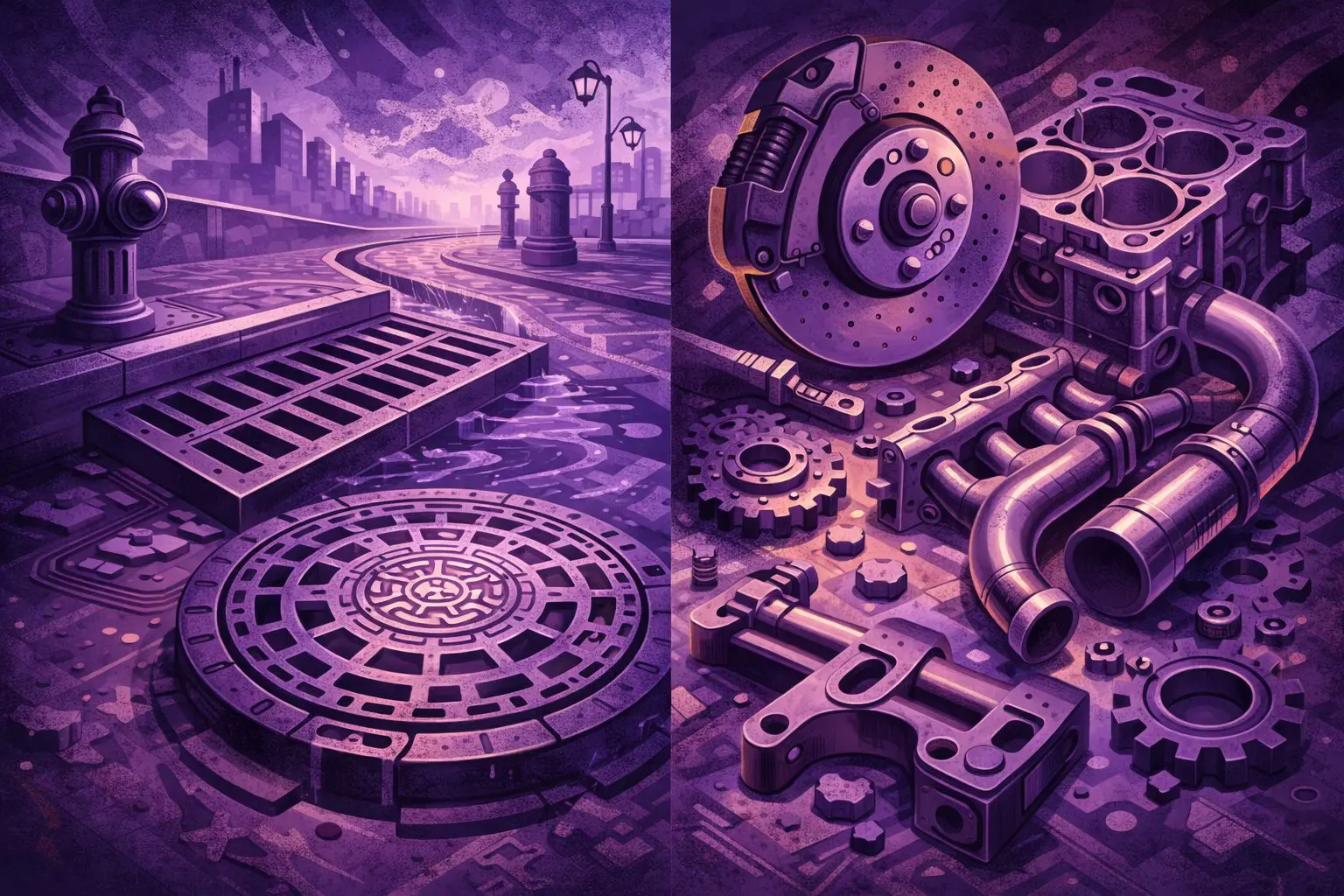
Both iron and cast iron play an important role across multiple sectors of the Indian economy. Their different mechanical properties make them suitable for specific applications. Understanding the uses of cast iron in India and iron industrial uses helps manufacturers and buyers choose the right material.
Infrastructure and construction
Iron is rarely used in its pure form in large infrastructure projects. Instead, it acts as a base material for producing steel, which is widely used in reinforcement bars, structural sections, and construction frameworks. Cast iron, however, is still used in infrastructure for manhole covers, drainage systems, and municipal castings because of its strength and durability.
Automotive components
The automotive sector is one of the largest consumers of cast iron. Many vehicle parts such as engine blocks, brake components, cylinder heads, and housings are manufactured using cast iron due to its wear resistance and vibration damping properties.
Pipes and fittings
Cast iron has long been used to manufacture water supply pipes, sewer pipelines, and drainage fittings. Ductile iron pipes are widely used in Indian urban infrastructure because they provide improved strength and corrosion resistance compared to traditional cast iron.
Cookware market
Cast iron is also popular in the Indian cookware market. Products such as tawas, kadais, grills, and pans are valued for their ability to retain heat and distribute it evenly during cooking.
Which is better: Iron or cast iron?
When comparing iron vs cast iron which is better, the answer depends largely on the intended application. Both materials offer unique properties, so manufacturers and buyers choose them based on performance requirements.
Construction applications
In modern construction, pure iron is rarely used directly because of its lower strength. Instead, iron is processed into steel, which offers better tensile strength and durability for reinforcement bars, structural frames, and infrastructure projects. Cast iron is generally not preferred for structural construction due to its brittleness.
Cookware manufacturing
Cast iron is widely preferred in cookware manufacturing. Its high heat retention and even heat distribution make it suitable for products such as tawas, pans, grills, and kadais. Iron cookware exists, but cast iron is more durable for long-term use.
Machinery and industrial components
For machinery parts, cast iron is often the better choice. Its wear resistance and vibration damping make it ideal for engine blocks, pump housings, machine bases, and industrial equipment frames.
Metal fabrication and decorative work
Iron, particularly wrought iron, is easier to shape and forge. This makes it suitable for grills, gates, railings, and decorative metalwork, where flexibility and workability are important.
Conclusion
When comparing iron vs. cast iron, both materials serve distinct roles across industrial and manufacturing applications. Iron offers excellent workability and acts as the base material for many steel products used in construction and fabrication. Cast iron, in contrast, provides high castability, strong wear resistance, and cost efficiency for manufactured components.
Selecting the right material ultimately depends on strength requirements, casting needs, production costs, and the intended application across sectors such as infrastructure, machinery, and manufacturing.
Looking to procure steel?
Tata nexarc helps manufacturers, builders and MSMEs source certified steel products, compare prices, and choose the right grade as per IS codes—with complete traceability and procurement confidence.
FAQs
What is the main difference between iron and cast iron?
Which is stronger: iron or cast iron?
Why is cast iron more brittle than iron?
What are the common uses of cast iron in India?
Is cast iron more expensive than iron?
What are the main advantages of cast iron?
What are the disadvantages of cast iron?
Why is cast iron used for cookware?
What types of cast iron are commonly used?
Is iron used directly in construction?
Sohini is a seasoned content writer with 12 years’ experience in developing marketing and business content across multiple formats. At Tata nexarc, she leverages her skills in crafting curated content on the Indian MSME sector, steel procurement, and logistics. In her personal time, she enjoys reading fiction and being up-to-date on trends in digital marketing and the Indian business ecosystem.



I agree that it’s unbeatable for heat retention. But still, the rusting issue is a real pain. I wish the article had gone deeper into the different types of cast iron (enameled, pre-seasoned) and their maintenance requirements.
Continous changes in iron and steel prices is a significant challenge. We’ve started using price risk management tools like hedging to mitigate this, but it’s still a gamble. We also try to source materials from multiple suppliers to have more negotiation power.
Great insights, your article was incredibly informative and well-researched. Keep up the excellent work!
Thank you for sharing this insightful blog. Brainstorm Infotech is headquartered in Bengaluru, the start-up capital of India. It has carved a niche for itself in the field of structural steel detailing and allied services, having completed over 1250 projects so far. We started small with a team of five professionals in 2010 but have earned the trust and respect of our clients that has led to long-standing associations.
Cast iron rate
Hi Arun,
I would request you to please raise a request by visiting this link – https://blog.tatanexarc.com/da/cast-iron-meaning/
Our Steel procurement team will get in touch with best rates.