Give us a missed call on

+91 626 955 5606
[smartslider3 slider="2"]

Try the new way of buying steel

Discover effortless & hassle-free steel procurement

Simplify account payable financing

Save more and enhance supply chain financing

Choose reliable & affordable logistics services

Switch to Tata nexarc today

Grow your business with Government Tenders

Our expert guidance can help you win

Blog

Articles, guides, tips and updates to accelerate business growth in 2023 and beyond

  • All
  • Business Loans
  • Logistics
  • MSME
  • Procurement
  • Tenders

Steel density plays a critical role in MSME procurement, affecting costing, freight, inventory, and supplier accuracy. This guide helps sourcing teams integrate density into RFQs, vendor checks, and PO terms — reducing mismatch, waste, and disputes across the buying cycle.

  • All
  • Logistics

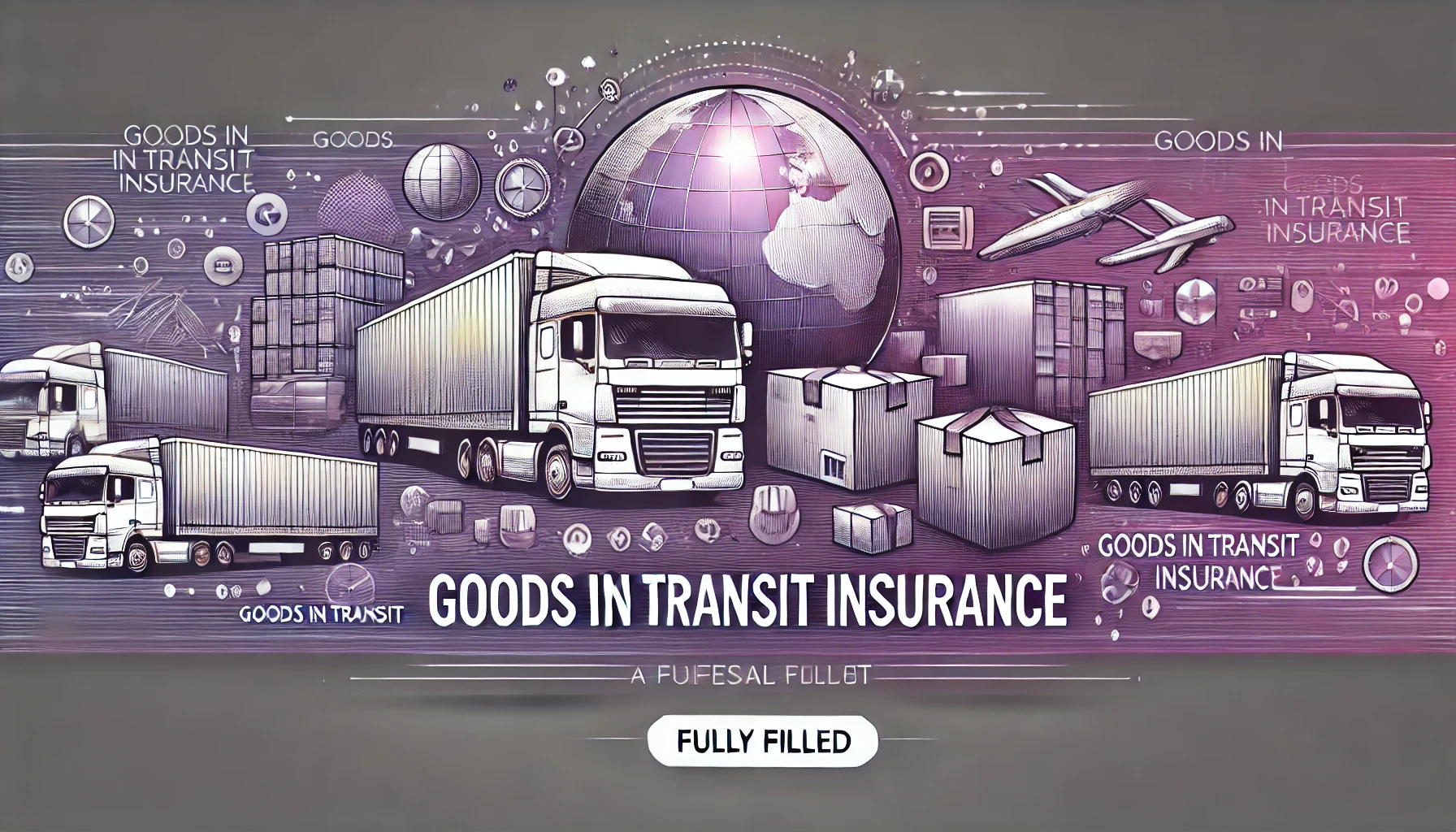
When goods and commodities are transported from one location to another, there are risks of damage. This naturally leads to financial losses and poor reputation for logistics companies. This is why transit insurance is important to keep goods protected during road transportation. Here, we take a look at transit insurance...

Latest articles

[bdp_post_list show_tags="false" content_words_limit="20" show_read_more="false" limit="7"]
  • All
  • Business Loans
  • Logistics
  • MSME
  • Procurement
  • Tenders

A Letter of Authorization (LOA) for GST enables a designated Authorized Signatory to handle GST compliance tasks on behalf of a business, such as filing returns, responding to tax notices, and managing audits. This document simplifies GST processes by appointing a responsible representative, ensuring accuracy, legal compliance, and timely submissions. Learn how to draft a valid LOA, understand its benefits, and maintain it for effective GST management.

Last updated on: Nov 15, 2024

Anti-profiteering under GST (Goods and Services Tax) refers to measures taken by the government to prevent businesses from making undue profits by not passing on the benefits of reduced tax rates or increased input tax credits to consumers. This concept is enforced by authorities to ensure that any reduction in GST rates or additional benefits gained through input tax credits are reflected in the prices of goods and services, ultimately benefiting the end consumer.

Last updated on: Nov 8, 2024
Load More

End of Content.

Trending Articles