Give us a missed call on

+91 626 955 5606
[smartslider3 slider="2"]

Try the new way of buying steel

Discover effortless & hassle-free steel procurement

Simplify account payable financing

Save more and enhance supply chain financing

Choose reliable & affordable logistics services

Switch to Tata nexarc today

Grow your business with Government Tenders

Our expert guidance can help you win

Blog

Articles, guides, tips and updates to accelerate business growth in 2023 and beyond

  • All
  • Business Loans
  • Logistics
  • MSME
  • Procurement
  • Tenders

An RFQ, or Request for Quotation, is a key step in public procurement where MSMEs submit price offers against defined government requirements. For vendors, knowing the RFQ full form and meaning is not enough—success depends on platform navigation, correct documentation, DSC validation, and timely submission. This guide breaks down GEM, CPPP, and state tender RFQs, explains common rejection reasons, and offers clear checklists to help MSMEs bid with confidence and avoid costly errors.

  • All
  • Logistics

Inland Container Depots (ICD) are temporary storage facilities for import and export related goods. There are over 100 ICDs in India owned by both private and government entities. These depots function as transport hubs in the logistics chain and help companies handle their cargo.

Latest articles

[bdp_post_list show_tags="false" content_words_limit="20" show_read_more="false" limit="7"]
  • All
  • Business Loans
  • Logistics
  • MSME
  • Procurement
  • Tenders

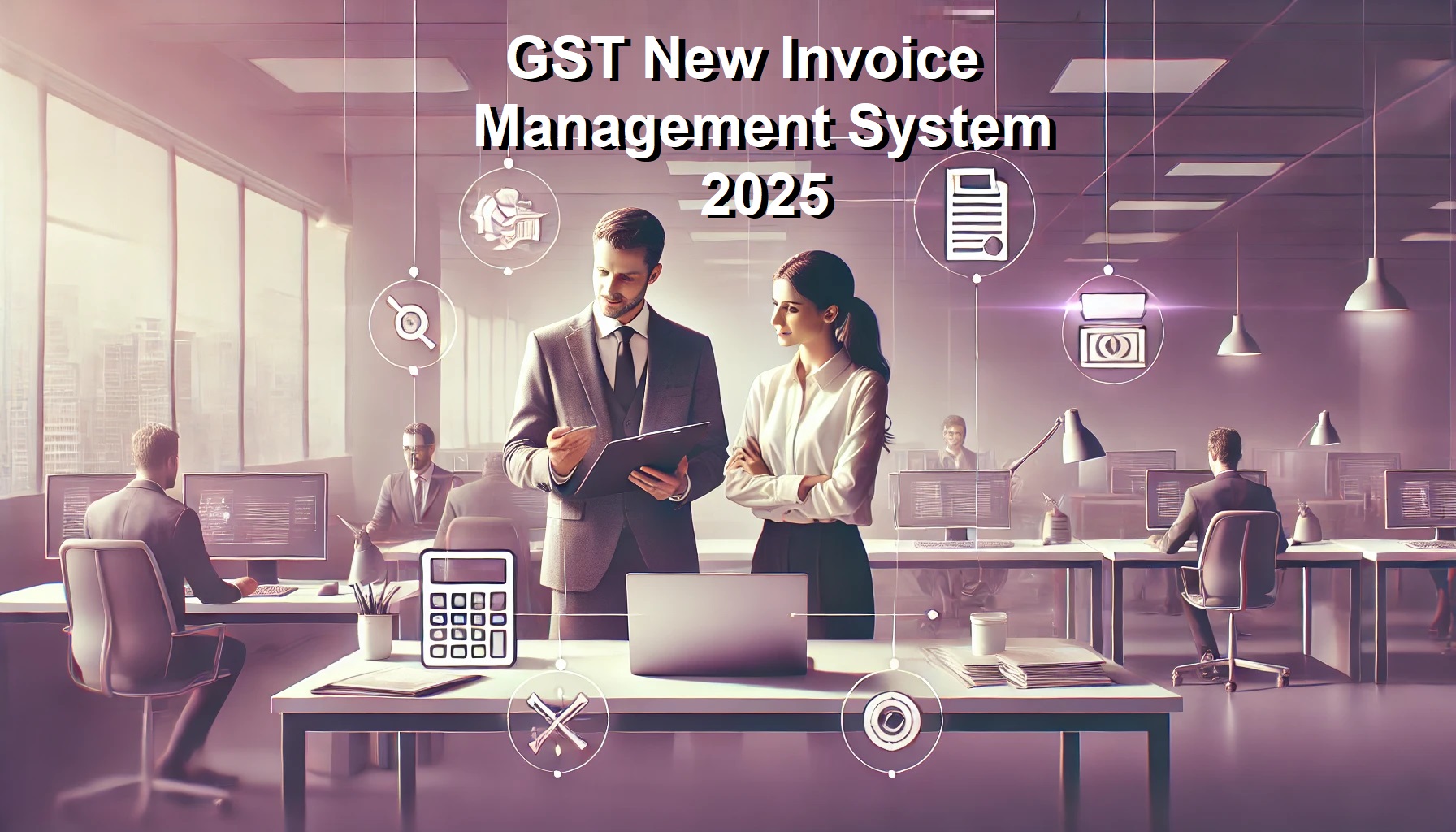
Understanding the difference between VAT and GST is crucial for navigating India's tax landscape effectively. VAT, a state-specific tax system, often led to complexities like cascading taxes and inconsistent rates across states. In contrast, GST offers a unified, transparent framework, eliminating cascading taxes and ensuring seamless input tax credit across the supply chain. This shift simplifies compliance, fosters ease of doing business, and creates a level playing field for businesses. While transitioning from VAT to GST posed initial challenges, the...

Last updated on: Dec 31, 2024

In a landmark move aimed at revolutionizing the Indian steel industry, the Ministry of Steel has introduced a new taxonomy for green steel. This initiative is designed to set standards for environmentally sustainable steel production and align India with global efforts to combat climate change. Further strengthening this transition, the government has also announced plans for a ₹5,000 crore National Mission for Sustainable Steel to incentivise decarbonisation technologies, especially among secondary players. As the country strives to meet its Net-Zero...

Last updated on: Sep 19, 2025
Load More

End of Content.

Trending Articles